


 EN
 ไทย


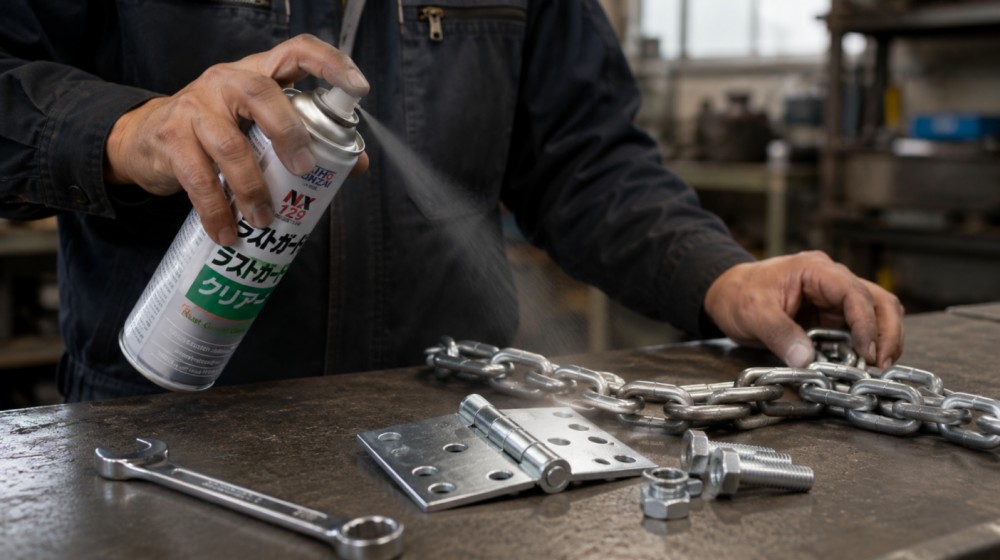
Customers Also Purchased


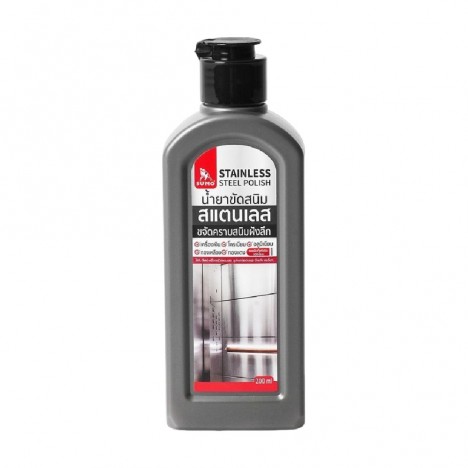


Many metal items look strong when newly bought, but after being stored for a long time, frequently exposed to moisture, or used outdoors for a while, reddish-brown stains begin to appear. Some items have only small spots on the surface, some start to seize and don't open or close smoothly, while others leave rust powder on your hands when touched.
Nuts, hinges, fence gates, wrenches, pliers, chains, steel, vehicle spare parts, and small machinery parts often encounter this problem. When it's time to find a solution, many people start searching with the word "Rust inhibitor" However, when looking at the actual products, there are so many types to choose from: anti-rust spray, rust inhibitor liquid, rust remover, rust converter/etching chemical, anti-rust oil, or anti-rust spray paint.
The names may sound similar, but their functions are not identical. The key is not simply buying anything with the word "rust" on the label, but first identifying what stage your workpiece is in: is it completely rust-free and you want to prevent it beforehand, or has rust already formed and you need to deal with the existing stains first?
What is rust inhibitor liquid?
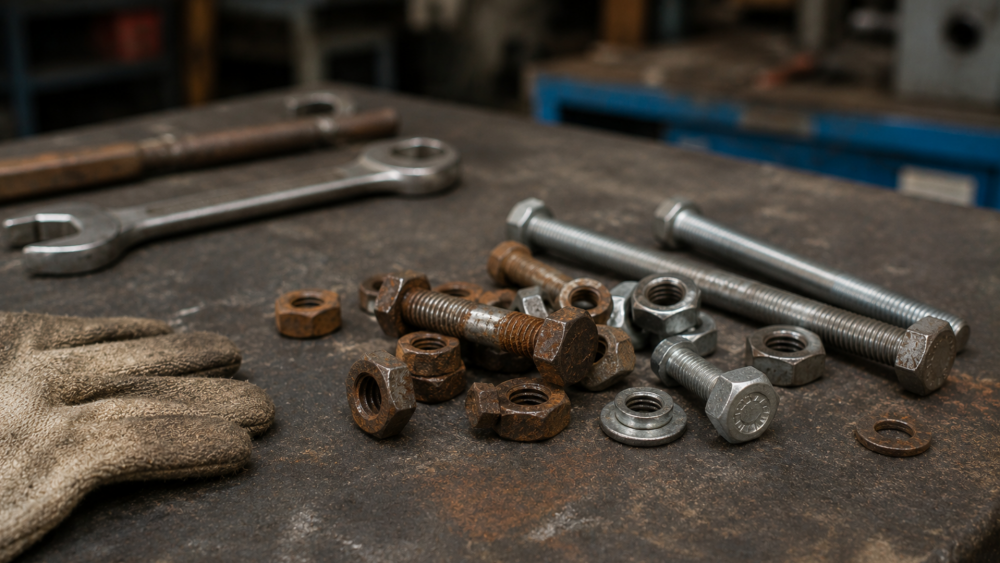
Rust inhibitor liquid is a product used to coat or protect metal surfaces to reduce the risk of rust formation caused by moisture, air, water, or corrosive environments—especially for iron and steel, which are materials that frequently rust in everyday life.
The principle of rust inhibitors is to form a thin protective layer over the metal surface. When it is harder for water or moisture to come into contact with the metal substrate, the chances of rust developing decrease accordingly.
Some formulas come in aerosol spray cans for easy use, ideal for general maintenance like hinges, nuts, wrenches, pliers, chains, or spots that require localized application. Other formulas come as oils or liquids in gallon containers, suitable for heavy-duty use such as factory operations, spare parts storage, batch-coating metal components, or preserving items during storage. What you need to understand, though, is that rust inhibitor liquid is not primarily formulated to remove thick rust. If the workpiece already has rust accumulated—especially thick, flaky rust or rust eating into the metal—you should remove the existing rust first, then apply the rust inhibitor to prevent recurrence.
How does rust inhibitor differ from rust remover?
Rust inhibitors and rust removers are often compared because they both deal with rust, but in reality, they are used at different stages of the process.
- Rust Inhibitor Suitable for prevention, such as when the metal is not yet rusted, or has just been cleaned and needs coating to prevent rust from returning quickly. Ideal for hand tools, nuts, screws, hinges, gate fences, chains, metal spare parts, or components requiring long-term storage.
- Rust Remover Suitable for cases where rust stains have already appeared and need to be cleared from the metal surface before further use or before applying a protective coat. This kind of work usually involves wiping, scrubbing, or washing; results depend on the severity of the rust and the initial surface condition of the workpiece.
Comparing it to routine maintenance, rust inhibitors prevent problems before they start, while rust removers solve problems that have already occurred. Using the wrong product at the wrong time won't yield the desired results—for instance, spraying rust inhibitor over thick rust expecting it to vanish completely does not match the product's intended function.
What kind of work are rust etching/acid cleaners used for?
Rust etching liquids/removers are typically used for stubborn rust deposits that cling firmly, or for preparing metal surfaces before repair, painting, or recoating. These chemicals should be used with greater caution than standard anti-rust sprays, as some formulas are corrosive or contain aggressive chemicals.
Before use, always read the label thoroughly, paying attention to compatible materials, recommended dwell times, rinsing instructions, and precautions regarding paint, rubber, plastic, aluminum, or certain coatings. If unsure, test on a small inconspicuous area first, as an overly aggressive chemical can stain, strip, or degrade the surface.
After using a rust remover or etching chemical, do not leave the bare metal surface exposed for long, especially in humid conditions, because a newly cleaned surface can rust again quickly. Wipe it completely dry, then follow up with rust inhibitor liquid, anti-rust primer, or a protective coating suitable for the application.
If an item isn't rusted yet, can I apply rust inhibitor liquid right away?
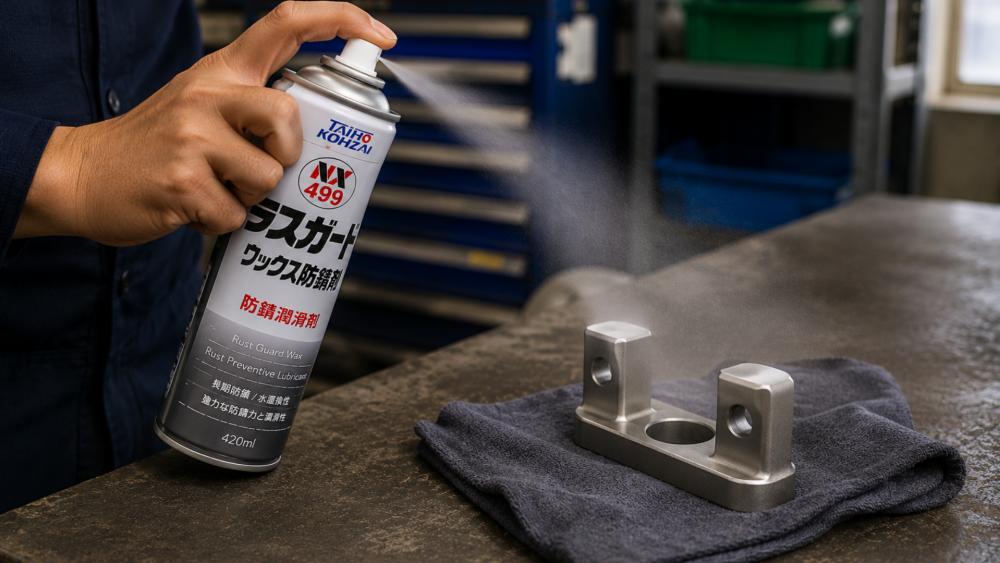
If the workpiece has no rust yet or has just begun to tarnish slightly, a rust inhibitor liquid is an ideal choice, especially for items stored long-term or kept in damp areas, such as tools in a toolbox, nuts stored in crates, gate hinges, chains, metal spare parts, or unused raw steel.
Before use, wipe away as much dust, water marks, or old oil stains as possible, then spray or apply a thin layer evenly over the area you want to protect. There is no need to apply excessively until it drips, as excessive residue can attract dust and dirt, making the workpiece look messy and awkward to handle. Some applications require only a thin protective film on the surface, while long-term metal storage may require anti-rust liquids or rust preventive oils specially formulated for preservation.
What should you do first if rust has already formed?
If rust has already formed, do not spray anti-rust liquid directly over it right away—especially if there are thick flakes, loose rust, or powdery residue that rubs off on your hands. You should start by assessing the condition of the workpiece.
- If it is just light surface rust, you can gently scrub it with a brush or use a rust remover to help clean it off. Then wipe it dry and apply an anti-rust coating to help delay rust from returning quickly.
- If the rust is thick, firmly adhered, or has pitted the metal surface, you should properly treat the surface first. This may require serious sanding, applying a rust converter/remover, or preparing the surface for repainting, depending on the job. Furthermore, if the part is load-bearing or safety-critical, check carefully to see if the metal is still strong enough for use, as chemical solutions cannot restore decayed or thinned metal back to its original strength.
Anti-rust spray, rust preventive oil, and anti-rust spray paint: how to choose between them?
Anti-rust spray is ideal for jobs requiring convenience and spot application, such as hinges, nuts, screws, hand tools, or small components that need periodic protective coating.
- Rust preventive oils or anti-rust liquids in gallon containers are suitable for high-volume applications, such as factory operations, spare parts storage, metal stock inventory, or coating multiple workpieces at once. This option is typically more cost-effective than sprays when handling large quantities of items.
- Anti-rust spray paint is ideal for applications requiring both protection and a clean aesthetic finish, such as iron fences, steel frames, or exposed parts. For this type of work, the surface should be thoroughly cleaned before spraying to ensure proper paint adhesion and minimize future peeling issues.
- As for heat-resistant sprays or specialized formulas, choose them based on actual working conditions. Do not substitute them indiscriminately, as each formula has distinct limitations regarding compatible surfaces, temperature ratings, and application methods.
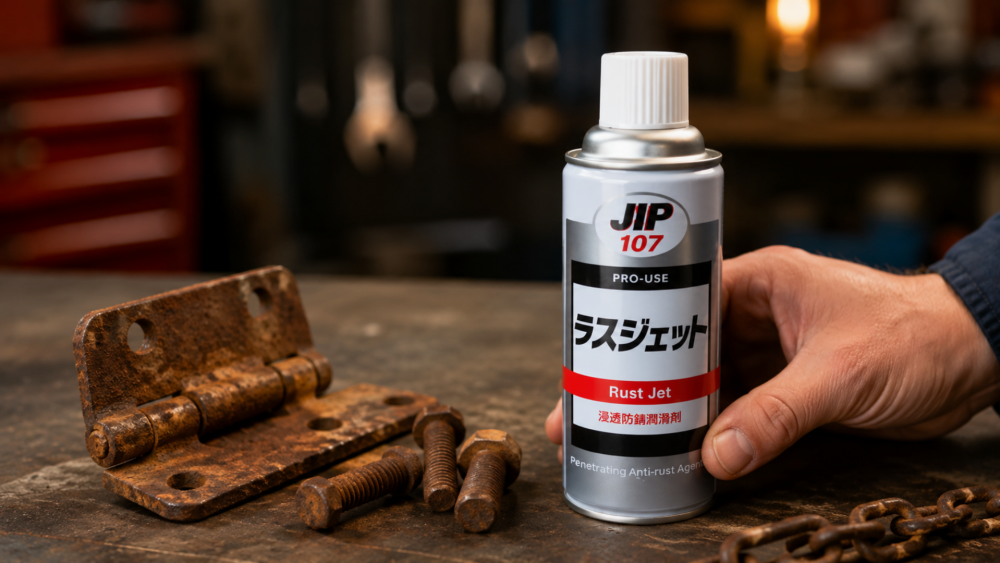
What can anti-rust liquid be used on?
Anti-rust liquids are suitable for a wide variety of metal applications, especially items prone to moisture or stored long-term, such as hand tools, wrenches, pliers, screwdrivers, nuts, screws, hinges, gate latches, chains, steel tracks, select automotive spare parts, sheet metal, steel rebar, or metal parts in maintenance work.
The most worthwhile use is preventative care before rust forms, such as wiping tools dry before storage and applying a light coating, or maintaining hinges and metal components located near water, exposed to rain, or kept in humid areas. However, always check the product label, as anti-rust liquids are not suitable for all materials; some formulas may damage rubber, plastic, certain types of paint, or special coated surfaces.
Areas where you should never spray anti-rust liquid indiscriminately
Anti-rust liquid should not be applied everywhere without considering the actual application, especially on friction-dependent components such as brake rotors, brake pads, drive belts, or surfaces that require traction. Residue from the liquid can make them slick and severely compromise safety.
Electrical equipment also requires caution. If the product does not state that it is safe for electrical components or contacts, do not spray it directly on them. Different formulas leave behind different residues, and some may degrade certain plastics, rubbers, or types of insulation.
For rust removers or rust-dissolving chemicals, always use them in well-ventilated areas. Avoid directly inhaling mist or vapors, and wear appropriate gloves and safety goggles—especially when working in close proximity to the chemical or during prolonged use.
What to look for on the label before buying
Before purchasing, check clearly whether the product is intended for rust prevention, rust removal, rust dissolving, or surface coating, as product names can sound similar while their actual applications differ greatly.
Things to check on the label include: what materials it can be used on, whether it is suitable for indoor or outdoor use, whether it needs to be wiped off after application, what kind of residue it leaves behind, whether it is safe for paint, rubber, plastic, or coated surfaces, as well as safety precautions regarding flammability, ventilation, and contact with skin or eyes.
For general household tasks, an anti-rust spray may be sufficient and easy to use. However, for storing large volumes of metal parts, industrial applications, or jobs requiring long-term coating, formulas tailored for bulk applications are more suitable. For surfaces where rust has already formed, a step to wash or scrub off the rust beforehand is necessary—relying solely on an anti-rust solution will not suffice.
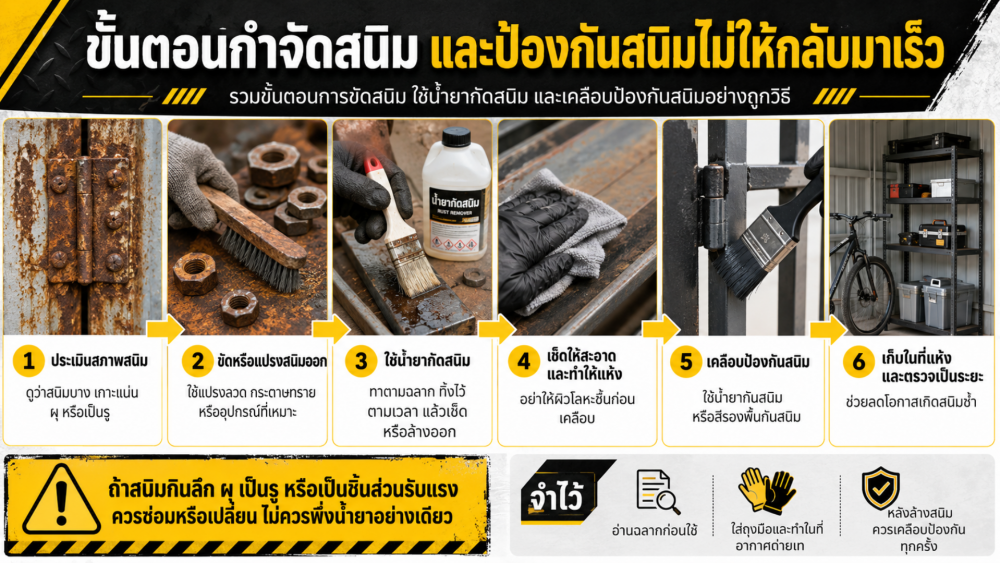
Choosing the right product based on the rust condition yields better results.
Rust Inhibitor It is suitable for protecting and coating metal surfaces to reduce the chance of rust caused by moisture and air. If the item is not yet rusted, applying a protective coat in advance is an easier and more cost-effective maintenance approach than fixing it later. However, if rust has already formed, you should treat the existing rust first—whether by sanding, washing, or using an appropriate rust remover—and then reapply an anti-rust coating to help delay rust from returning.
Choosing the right anti-rust solution is therefore not about picking the strongest or most expensive product, but about matching it to the specific condition of the job. If it hasn't rusted yet, focus on prevention. If there is light rust, clean it before coating. If the rust is severe, properly treat the surface step-by-step before continuing use. This approach will help your tools, spare parts, and metal components last longer without wasting money on the wrong type of product.