


 EN
 ไทย


Customers Also Purchased
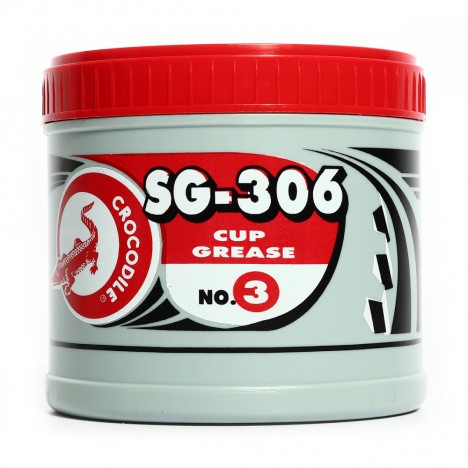
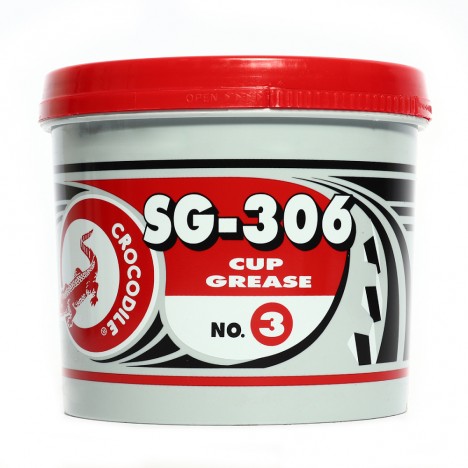
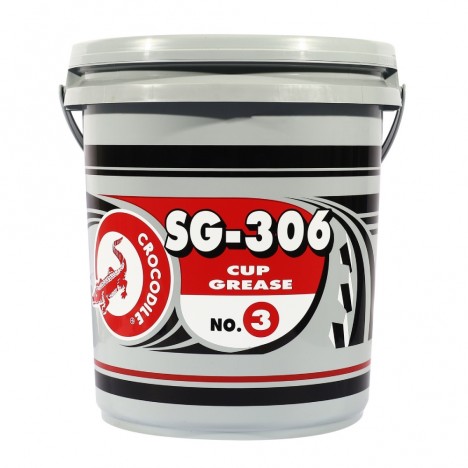
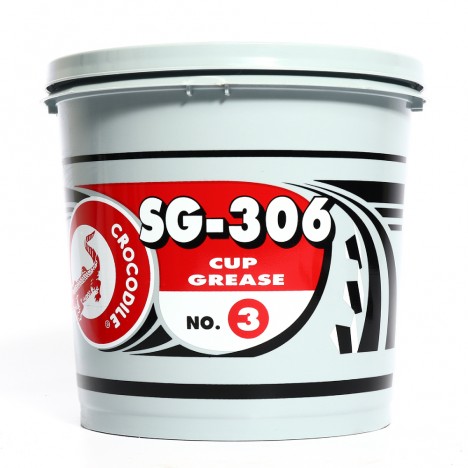
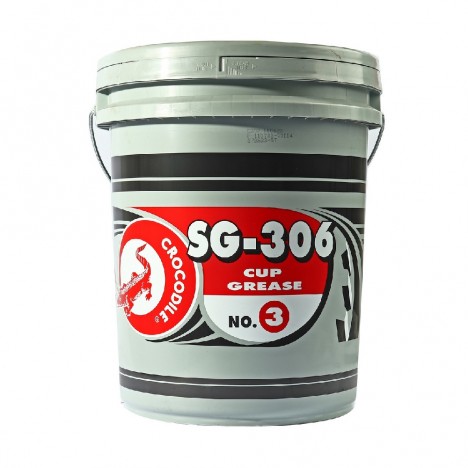
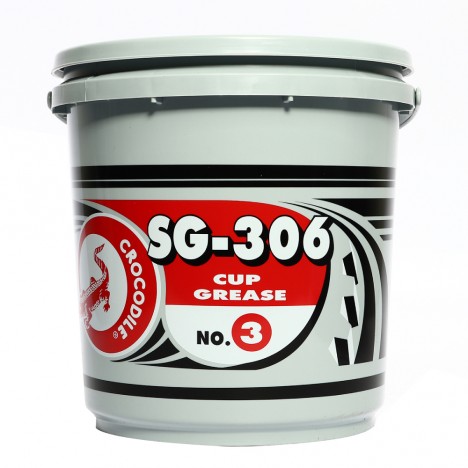
Buy Greases Buying a tub of grease seems simple, but once at the shelf, many people hesitate immediately. The labels show various terms like No. 2 Grease, Grease No. 2, NLGI 2, EP 2, Lithium Grease No. 2, or multipurpose grease. This raises questions: what does this number 2 really mean? Is it a quality grade, heat resistance rating, or just a brand-specific model name?
In fact, "No. 2" on grease doesn't indicate it is better than No. 1 or inferior to No. 3. It is a number indicating grease consistency according to the NLGI system—reflecting how soft, hard, or free-flowing the grease is. This is crucial in actual use because grease that is too fluid can quickly leak out of lubrication points, while grease that is too stiff may not distribute well, can be hard to pump into grease points, or may create more drag than desired on certain components.
NLGI 2 grease has thus become the most commonly encountered grade—not because it is best for every application, but because its medium consistency makes it easy to use, adheres well to components, and suits numerous general lubrication tasks, from bearings, bushings, shafts, pins, hinges, and casters, to basic machinery maintenance.
What Is NLGI 2 Grease?
NLGI 2 grease refers to grease with a consistency rated at NLGI grade 2. The NLGI scale classifies grease consistency from semi-fluid 000 up to very hard block grease 6. When you think of typical grease seen in tubs or tubes—tacky, soft, spreadable, not dripping easily, and easily applied with a grease gun—that consistency generally falls into grade 2.
An essential point to remember is that the grease grade indicates only consistency, not all of its properties. Two NLGI 2 greases may have nearly identical consistency but perform very differently in practice because their formulations can differ: thickener type, base oil, additives, heat resistance, water resistance, and load-carrying capacity. Therefore, do not choose grease based on "No. 2" alone; also check whether its formulation matches your application.
Why Is NLGI 2 Grease the Most Common?
The reason NLGI 2 grease is so common is that it hits the "sweet spot" for general lubrication tasks. The grease is thick enough to stay in place on metal surfaces, bearings, bushings, shafts, or pivot points, yet not so hard that it is difficult to apply. It is thus ideal for applications where grease needs to remain at the lubrication point longer than standard lubricating oils.
If the grease is too fluid, centrifugal forces in bearings or pivot points can cause it to leak out quickly, requiring frequent replenishment and potentially leading to inadequate lubrication. If the grease is too stiff, it may disperse slowly, fail to pump properly, or cause components to operate with more friction than necessary. NLGI 2 grease is a versatile middle ground, which is why spare parts shops, tool stores, industrial supply stores, and maintenance equipment outlets primarily stock this grade.
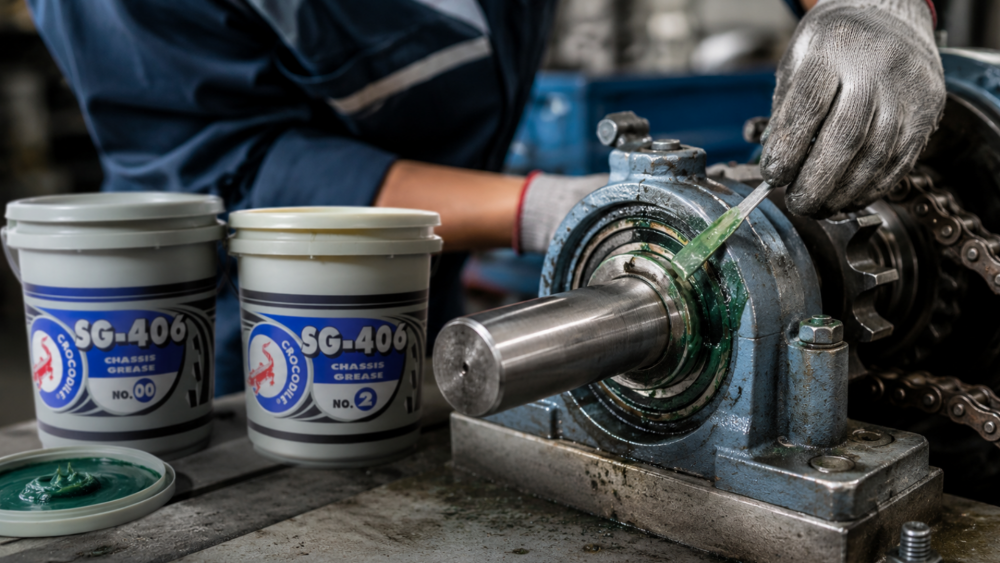
Another reason is that NLGI 2 grease works conveniently with grease guns. It isn't so fluid that it drips and makes a mess, nor so stiff that it is hard to dispense. It is well-suited for machine maintenance, certain automotive points, and general work requiring a reliable grease kept at home or in the plant for multiple purposes.
What Can NLGI 2 Grease Be Used For?
NLGI 2 grease is typically used for applications requiring reduced friction, minimized wear, and good adhesion at the point of use—such as ball bearings, roller bearings, bushings, shafts, pins, joints, pivot points, casters, heavy-duty hinges, sliding tracks, and general maintenance, especially where there is repetitive motion or metal-to-metal contact.
For general bearings, NLGI 2 grease is very common because its structure is relatively stable, resists wash-out or fling-off, and maintains a lubricating film between parts. However, do not assume all bearings can use NLGI 2 grease universally. High-speed bearings, electric motors, continuous-duty machinery, or equipment with manufacturer-specified grease requirements may require specialized grease rather than general-purpose grease.
For bushings, shafts, pins, and pivot points, NLGI 2 grease is a frequent choice because these applications need grease that clings well and does not run off quickly. If the application involves high pressure, heavy loads, or impact shocks, check whether the grease has EP (Extreme Pressure) properties, as EP refers to load-carrying capability, not consistency.
For common household tasks, such as door hinges, gate rollers, sliding tracks, or squeaking points, NLGI 2 grease is often suitable as well. However, apply an appropriate amount without coating too thickly; grease is tacky and easily attracts dust. Excessive application can turn a smooth point into a messy, sticky black residue that is difficult to clean.
How Do Other Grease Grades Differ from NLGI 2?
Grease does not only come in grade No. 2; it ranges from very fluid to very stiff grades. The simple rule of thumb is: the lower the number, the softer or more easily fluid the grease; the higher the number, the thicker or stiffer the grease. This difference directly impacts flowability, surface adhesion, pumpability through tubes, and retention at the lubrication point.
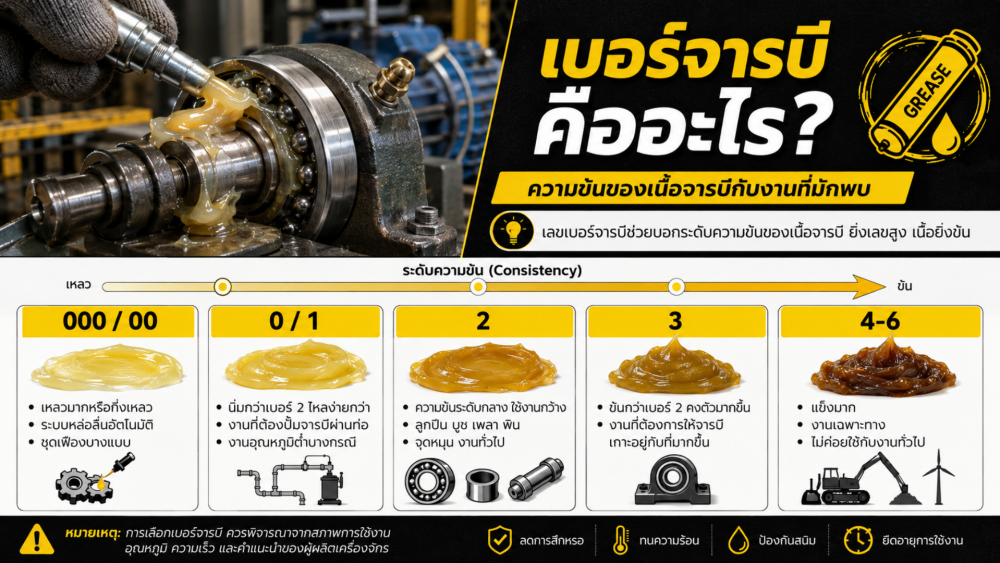
NLGI grade 000 and 00 greases are fluid or semi-fluid, making them suitable for systems requiring grease to flow easily through channels, such as centralized automatic lubrication systems or certain gearboxes. Using them on points requiring grease to stay in place long-term may not be ideal, as they can leak or run out much more easily than grade No. 2.
Grade 0 and grade 1 greases are softer than grade 2, making them suitable for applications requiring easier grease distribution or systems that pump grease through lines, such as certain automatic dispensing systems, as well as low-temperature applications where thick grease could struggle to flow. Grade 3 grease, on the other hand, is thicker than grade 2, suitable for specific applications needing higher structural stability, though misapplication may result in poor distribution or increased drag in the system.
What is EP 2? How is it different from NLGI 2?
The term "EP 2" confuses many people because it shares the number "2" with grease grade No. 2. In reality, it should be divided into two parts: EP and 2. EP stands for Extreme Pressure, referring to grease with additives formulated for heavy pressure, shock loads, or high-load applications. The number 2 indicates an NLGI 2 consistency level.
Therefore, EP 2 grease refers to grease with an NLGI grade 2 consistency that offers enhanced load-carrying capabilities compared to general grease. It is commonly found in bushings, shafts, pins, joints, machinery, or automotive components that undergo heavier loads than light-duty lubrication tasks.
However, EP 2 does not mean it fits every application. Certain tasks, such as specific electric motors, high-speed bearings, or components made of specialty materials, may require greases formulated specifically for those applications. Seeing the label EP 2 is not a reason to assume universal compatibility; operating conditions and manufacturer recommendations must always be considered.
What happens if you choose the wrong grease grade?
Selecting the wrong grease grade may not cause immediate equipment failure, but it can impair lubrication efficiency and shorten component service life. If the grease is too fluid, it may leak out of the lubrication point quickly, require frequent replenishment, fail to adhere to surfaces for long, or easily fling off due to centrifugal force in rotating applications.
Conversely, if the grease is too stiff, it may be hard to inject, slow to disperse, or fail to coat contact surfaces thoroughly—especially in applications requiring good grease flow or high speeds. In some cases, it can increase mechanical drag and generate excessive heat.
This is why grade No. 2 grease, despite its versatile applicability, should not be viewed as the solution for everything. If machinery, vehicles, motors, or bearings specify particular requirements, always follow the manufacturer's recommendations first.
What else to consider when choosing grade No. 2 grease?
To choose the right grade No. 2 grease for the job, look beyond the grade number on the label. First is the thickener/base type, such as lithium grease for versatile general-purpose use, lithium complex grease which often excels in heat resistance and heavy-duty work, or specialty greases formulated to resist water, humidity, or harsh conditions.
Next are the actual operating conditions. For high-temperature points, such as bearings near motors, continuously running machinery, or friction-heated pivots, choose a grease with a clearly specified operating temperature range. For outdoor, wet, or humid environments, opt for grease with good water resistance and washout prevention. For high-load or shock-load conditions, consider grease with EP properties.
Another pitfall to watch out for is mixing new grease with old grease. If the existing grease type is unknown, avoid repeatedly topping it off with different greases. Incompatible greases can undergo structural breakdown, oil separation, excessive softening, hardening, or rapid degradation, especially in heavy-duty or critical machinery.
Is over-greasing bad?
Many assume that more grease is always better, especially for bearings or pivots to avoid running dry. In practice, over-greasing can cause problems as well. Rotating parts must churn through the excess grease, leading to fluid friction, heat buildup, grease purging out and attracting dust, or even blown seals in some cases.
Grease should therefore be applied in the proper amount suited to the application, rather than packing every void completely full. This is especially true for bearings, motors, or high-speed machinery. If a service manual or manufacturer recommendation is available, always follow it, as the grease volume directly affects lubricity, operating temperature, and component service life.
Choosing the right grade No. 2 grease: don't just grab it because it says "2"
For general applications like hinges, casters, bushings, shafts, pins, pivot points, or routine maintenance, grade No. 2 grease is usually the most accessible starting point because it is widely available, easy to apply, and has a consistency suited to many lubrication tasks. However, for high-temperature, water-exposed, heavy-load, high-speed, or specialized machinery, always choose based on actual operating conditions rather than relying solely on the "grade No. 2" label.
Greases No. 2 is therefore not a magical grease suitable for every job, but rather a grease with a consistency that is "just right" for many common applications. This is why it is so frequently encountered, easy to buy, and has become the most familiar grade to grease users. Next time you purchase grease, don't just look at the number on the tub—also consider what type of grease your job actually requires: Does it need heat resistance? Will it be exposed to water? How much pressure must it withstand? And what has the equipment manufacturer specified?