


 EN
 ไทย


Customers Also Purchased

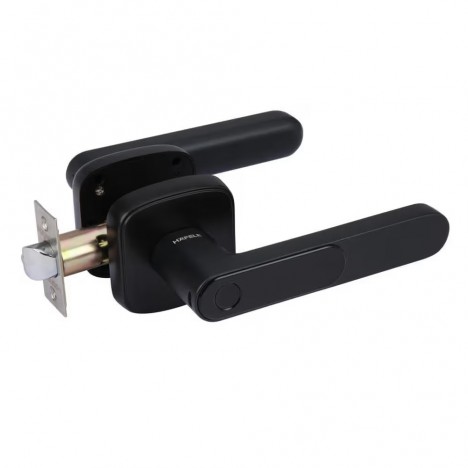
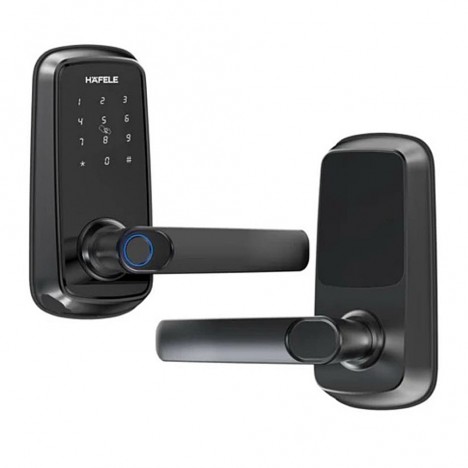
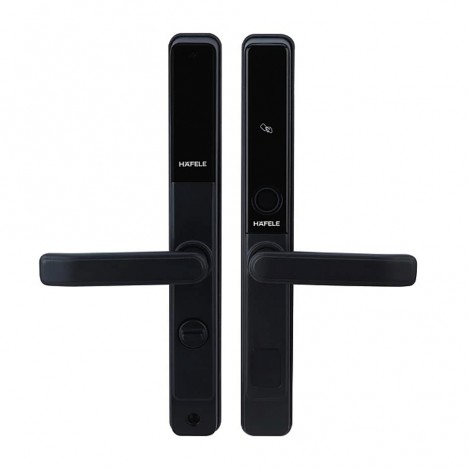
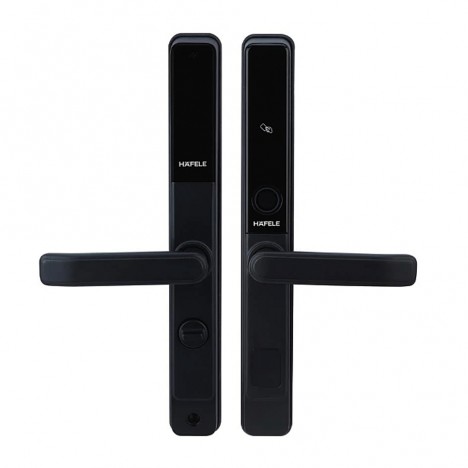
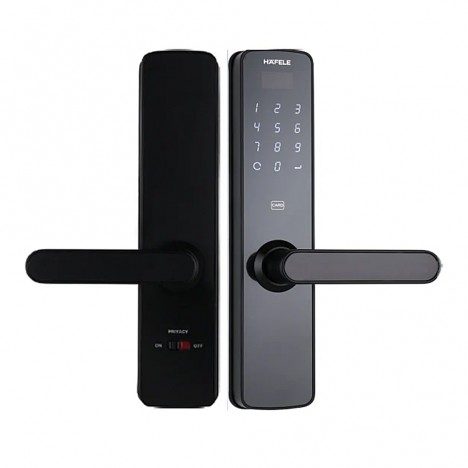
When choosing to buy Digital Door Lock Many people often start with visible features, such as fingerprint scanning, PIN code access, keycard support, app connectivity, or whether the design matches the home's doors. However, another crucial factor to check from the start is whether the digital door lock is a Mortise or a Rim Lock type.
These two types differ not only in appearance or price, but also in lock mechanism structure, installation method, the extent of door drilling required, and suitability for different door types. Choosing the wrong type could lead to installation issues, requiring extra drilling/modifications, or resulting in a door that does not close securely right from the start.
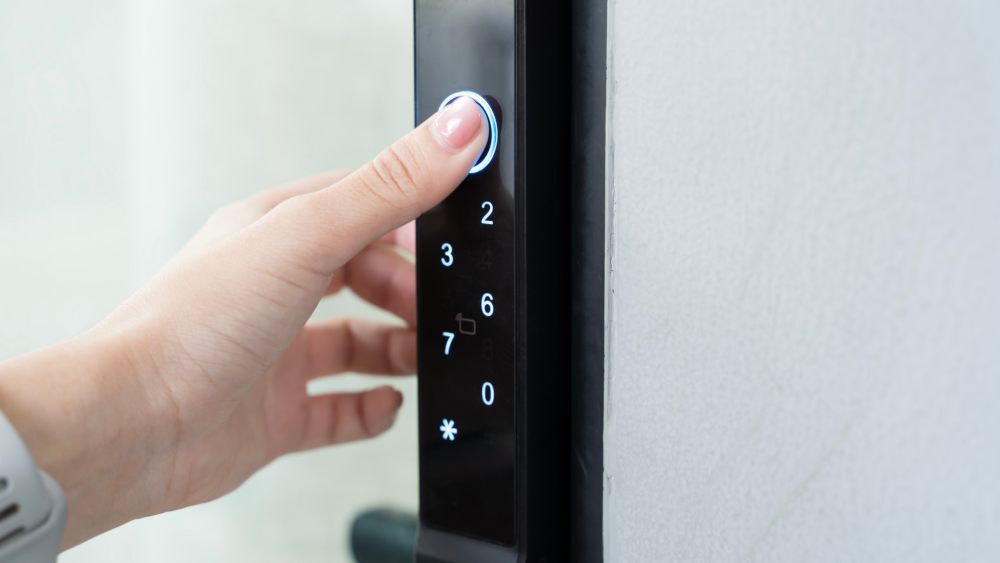
What is a Mortise Lock?
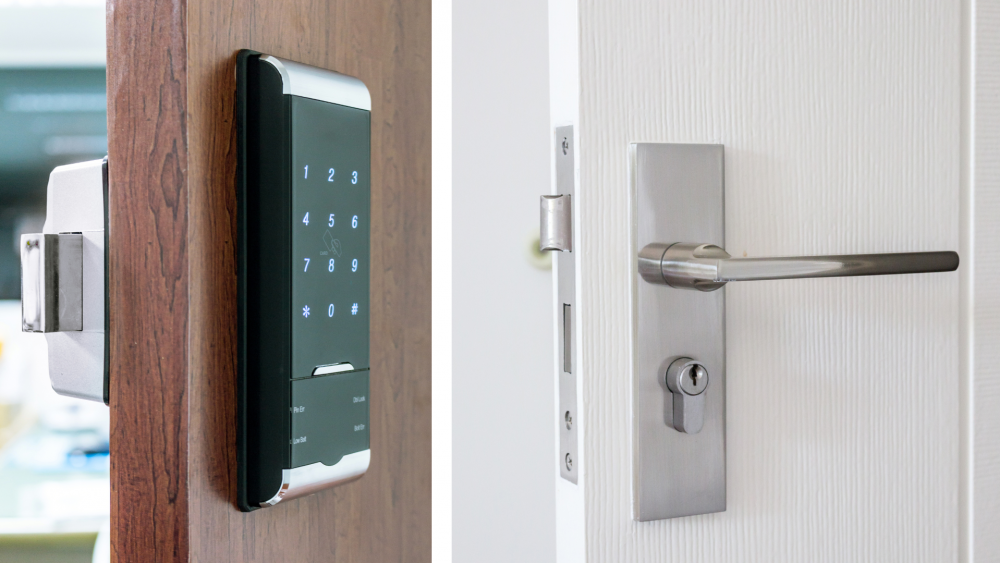
A Mortise Lock is a digital door lock where the lock case is recessed into the edge of the door leaf, similar to conventional door locksets. The main locking mechanism is concealed within the door rather than surface-mounted. When locked, the latch bolt or deadbolt extends into the strike plate on the door frame. Depending on the model design, some come with lever handles, some are Push-Pull types, and some may feature multi-point locking systems.
The highlight of a Mortise Lock is that it provides a neat, seamless installation that blends with the door leaf. It is ideal for use as the primary lock set, especially for entrance doors, master bedroom doors, or doors where you want to replace the existing lock with a full digital lock set.
However, a word of caution: installing a Mortise lock requires a detailed check of the door's structure, as space is needed to mortise the lock case into the door edge. The door must therefore have sufficient thickness and strength. If the door is too thin, the stile is too narrow, or the internal structure is not suitable for mortising, it may be impossible to install or require far more modifications than expected.
What is a Rim Lock?
Rim Lock It is a digital door lock that is surface-mounted on the door face where the main lock body is usually on the inside of the door, while the outside features a keypad, fingerprint scanner, or keycard reader that works in conjunction with the lock unit mounted on the inside.
The main advantage of a Rim Lock is that it is generally easier to install than a Mortise type and requires less drilling in many cases, as there is no need to chisel a deep pocket into the door edge. It is ideal for retrofitting onto existing doors, such as condo doors, apartment rooms, rental properties, offices, or doors where you do not want to completely remove the existing handle set.
However, a Rim Lock does not necessarily mean it can be installed on every door. You still need to check the interior door clearance, door frame distance, door surface flatness, and the alignment where the bolt latches into the strike plate. If the door is sagging, warped, the frame is uneven, or the bolt spacing is misaligned, the door may fail to latch properly when closed or may feel stiff and unsmooth during operation.
What is the difference between Mortise and Rim Lock?
The main difference between these two types lies in the installation position of the lock unit
Mortise Lock mortises the lock case directly inside the door leaf, resulting in a neat, seamless appearance suitable as a primary lock. However, it requires precise door measurements and typically more drilling or mortising.
Meanwhile, Rim Lock is surface-mounted onto the door face, making it ideal for retrofitting or existing doors where minimal modification is desired. However, you must verify that the mounting position aligns properly with the door frame.
Simply put, the differences are roughly as follows:
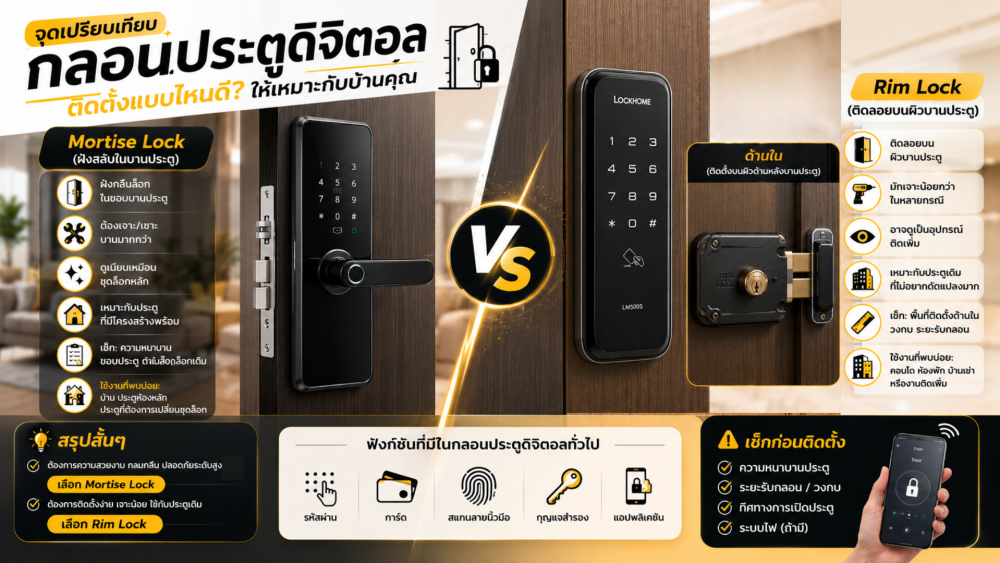
That said, you should not assume that a Mortise lock is always more secure than a Rim Lock, as actual security depends on multiple factors combined: the quality of the lock itself, door material, door frame, deadbolt, locking mechanism, and installation quality. A well-designed Rim Lock model installed correctly can provide equally solid security and reliability.
Which types of doors are suitable for a Mortise Lock?
A Mortise Lock is suitable for doors where the digital lock is intended to serve as the main lock set, such as front doors, bedroom doors, office doors, or doors where a neat, integrated look is desired.
Doors suitable for a Mortise lock must be thick enough to recess the lock case, have sturdy stiles, and have a frame that aligns properly with the bolt. Thick wooden doors, solid wood doors, or doors pre-designed for mortise handle sets are generally the best fit. However, for thin steel doors, narrow-stile aluminum doors, or hollow-core doors, you must check carefully beforehand, as some may lack the space to mortise the lock body, or the modifications needed may simply not be worthwhile.
Which types of doors are suitable for a Rim Lock?
A Rim Lock is ideal for those looking to add a digital door lock to an existing door without extensively removing or replacing the original handle set. It is commonly found on condos, dormitories, rental properties, offices, or doors where convenient access—such as PIN codes, fingerprint scanning, or keycard tapping—is needed.
For condos or rental rooms, always verify the rules of the building juristic person or property owner beforehand, as some buildings impose restrictions on door drilling, replacing door hardware, or altering the original door—especially doors linked to building fire and safety systems. For aluminum doors or narrow-frame doors, carefully check the frame width, door thickness, and screw-mounting area, as not all Rim Lock models will fit these door types properly.
What to Check Before Buying
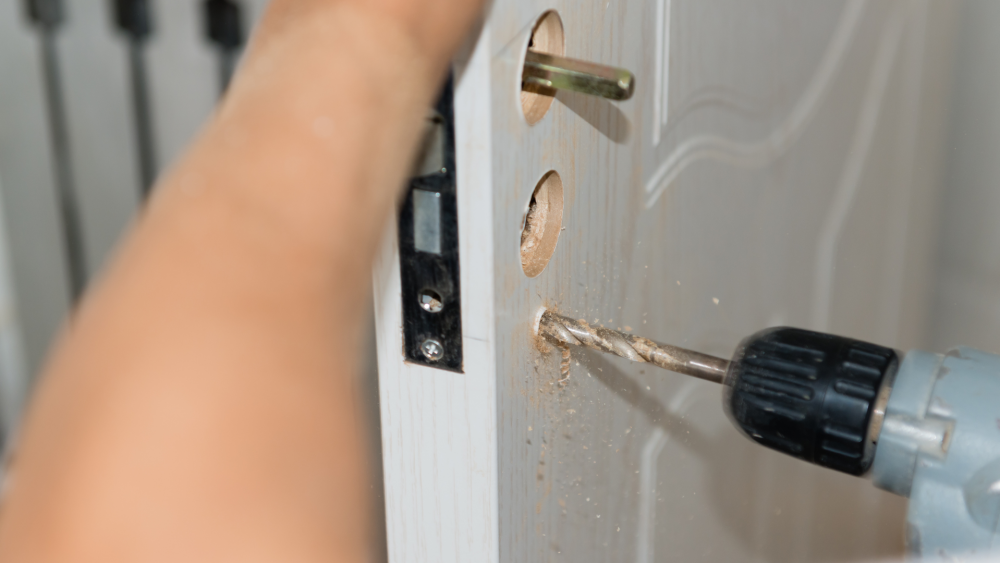
Before buying a digital door lock, whether choosing a Mortise or Rim Lock, always check the actual door first. Do not just look at product photos, as every door differs in size, existing cutouts, and door frames.
- Door Thickness: Each digital lock model accommodates different door thicknesses. Many models typically support doors around 35–55 mm thick, but this is not a fixed standard. You must check the specific model's specifications before purchasing. If the door is too thin, it may not be securely fastened or could cause installation issues.
- Door Material: Wooden doors, steel doors, aluminum doors, and glass doors each require different types of locks. A model suitable for wooden doors may not fit narrow-frame aluminum doors or glass doors that require specialized lock sets.
- Door Stile and Frame Clearance: A Mortise Lock requires sufficient edge space to embed the lock body, while a Rim Lock needs enough surface area on the door and frame to mount the main unit and strike plate. If clearances are insufficient, the lock may be installable but will not align properly for locking.
- Door Opening Direction: Whether a door opens left, right, inward, or outward affects model selection and installation. Some models are reversible, but others have limitations. Therefore, you should take photos of your door for the shop or technician to verify before buying.
- Existing Door Cutouts: If replacing an existing knob or lever handle, check whether the old holes align with the new model. Sometimes existing holes are too large, too small, or in the wrong position, requiring additional drilling, hole patching, or choosing a different lock model instead.
- Exposure to Sun and Rain: If installing at a front entrance, on a balcony, or in an area exposed to sunlight, rain, dust, or moisture, you must choose a model specifically rated for those conditions. Not all digital door locks are designed for outdoor use, especially components like keypads, fingerprint scanners, screens, and battery compartments.
Mortise or Rim Lock: Which One to Choose?
If you want to replace your main door lock set and prefer a clean, flush finish that seamlessly integrates into the door panel—and your door is thick enough for a mortise pocket—a Mortise Lock is generally the better choice, especially for entry doors or main room doors used daily.
However, if you want an auxiliary lock on an existing door without extensive drilling or mortising, or if you plan to use it in a condo, rental unit, or office, a Rim Lock may be more practical. It is often easier to install and does not require replacing the entire existing handle set.
The important thing is You shouldn't choose based on features alone. A model with fast fingerprint recognition, a mobile app, or attractive styling might still be incompatible with your door. If the door structure does not support it, installation will become an immediate hassle.
Common Mistakes When Choosing a Digital Door Lock
A frequent mistake is buying based purely on product photos without measuring the door. Many people see an attractive design, good price, and complete features, then order immediately—only to find when the technician arrives that the door is too thin, the stile is too narrow, or the frame cannot accommodate the strike plate.
Another misconception is assuming every digital door lock fits any type of door. In reality, different door types have distinct limitations—particularly narrow-profile aluminum doors, thin steel doors, doors with non-standard existing knob positions, or frames that do not align with the new lock mechanism.
Additionally, consider the household's usage patterns. If there are elderly family members, choose a model that is easy to use, has backup pin codes, emergency physical keys, or clear audible alerts. For households with many members, a model that makes adding and removing fingerprints, codes, or key cards convenient is ideal.
Matching the Door Is Just as Important as Picking Features
Digital Door Lock Mortise and Rim Locks differ fundamentally in structure, installation method, and door compatibility. Mortise locks are suited for replacing the primary lock set when the door structure permits, while Rim Locks are ideal for auxiliary locking, often requiring less drilling and working more conveniently with existing doors.
Before purchasing, measure your door dimensions, take photos of the door leaf and frame, verify the swing direction, inspect existing cutouts, and consult with the retailer or technician. A great digital lock isn't defined just by fingerprint, passcode, or app access—it must properly fit your door and operate smoothly over the long run.