


 EN
 ไทย


Customers Also Purchased

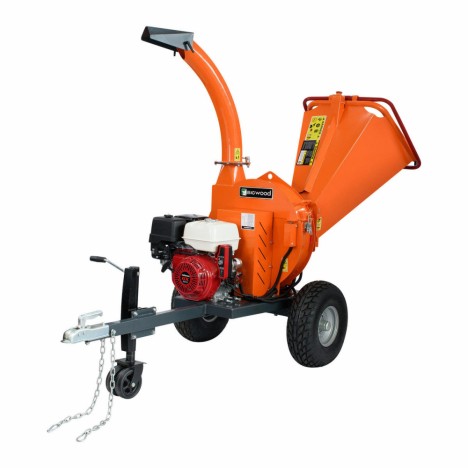


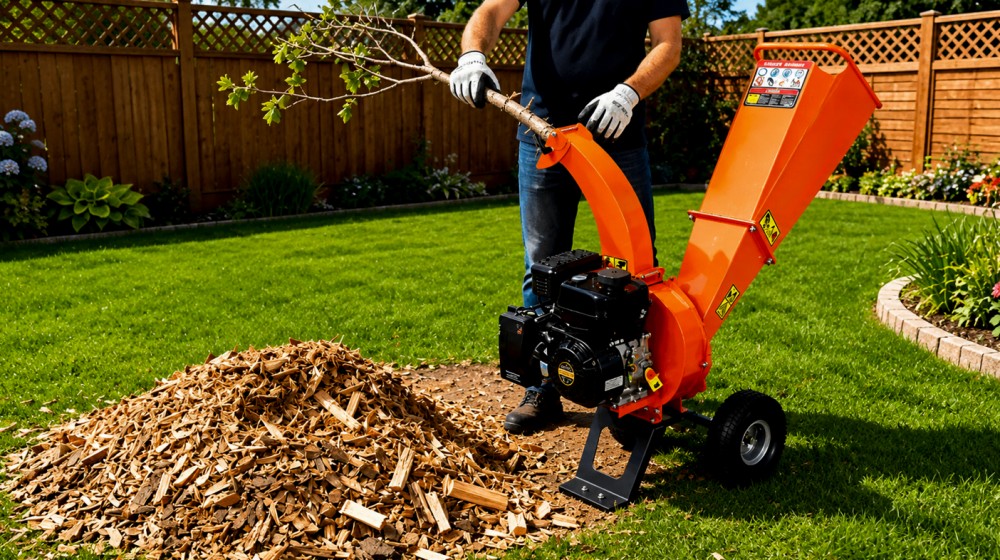
For garden owners who frequently maintain their grounds, a wood chipper makes managing branches and plant debris much easier. There is no need to pile debris waiting for disposal or burn it, creating smoke. The resulting wood chips can also be used for composting or mulching around tree bases.
However, a common issue users face is that wood chippers clog frequently—whether it is a blocked discharge chute, a sluggish motor sound, branches not being pulled in, or the machine suddenly stopping. Many wonder if it is due to a poor-quality machine, branches being too large, or dull blades. In reality, there are many causes, such as overly moist material, feeding branches too quickly, inserting too many wet leaves, or failing to clean the machine after use, leading to accumulated debris.
In this article, we will explain what Agricultural Shredder Machine causes clogs, what warning signs mean you should stop using it, how to safely clear jams, and how to prevent them—so your operations run smoother and your wood chipper lasts longer.
How do wood chippers work? Why are they prone to clogging?
A wood chipper works by using blades to chop or shred branches into smaller pieces and then ejecting the chips through the discharge chute. The machine performs best when the material is appropriately sized, not overly wet, and wood chips can flow out continuously.
Clogging occurs when the machine takes in material faster than it can shred and discharge it. This can be caused by wet debris clumping together, tangled leaves, branches that are too large, or debris lingering inside. As debris builds up, the machine starts to work harder, the sound changes, the RPM drops, and it may automatically shut off to prevent damage.
Simply put, a wood chipper requires a balanced rhythm between feeding, shredding, and discharging. Feeding too fast or handling overly difficult material makes it prone to clogging.
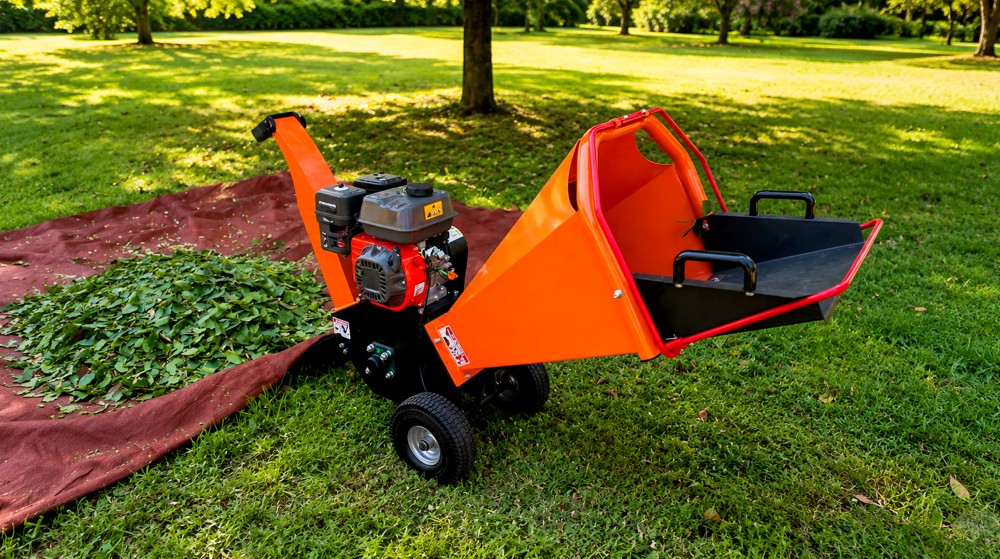
8 Causes of Wood Chipper Clogs
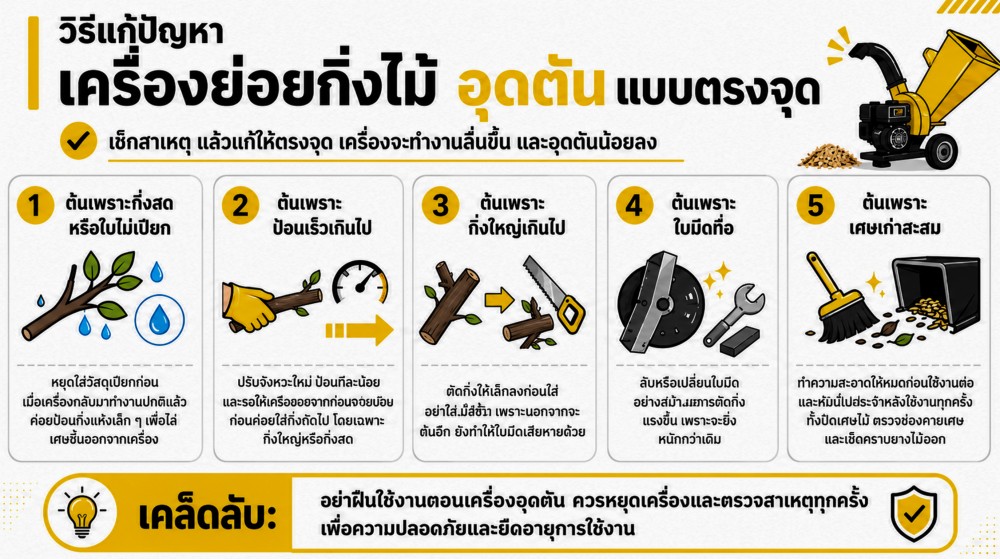
- Branches are too fresh or wet: Fresh branches contain moisture and sap, causing wood chips to clump and easily clog the discharge chute—especially during the rainy season or with leafy branches. Let them air-dry slightly first, or feed them alternately with small dry branches.
- Feeding too many leaves or soft plant debris: Fresh leaves, wet grass, and vines tend to tangle into clumps instead of being shredded, which can wrap around the blades or clog the discharge chute. Mix them with dry branches, feed in small amounts, and check whether debris discharges continuously.
- Feeding branches too quickly: Continuously inserting branches without waiting for the machine to clear previous material causes debris to accumulate, overloading the machine and eventually causing a clog. Listen to the engine or motor sound; if it bogs down or the discharge slows down, stop feeding and wait.
- Branches too large for the machine's capacity: A wide feed hopper does not mean the machine can shred everything. If branches exceed specifications, the blades cannot cut through the wood, leading to RPM drop and clogging. Cut branches down to size first, and operate slightly below maximum capacity.
- Dull or worn blades: Dull blades crush and tear branches rather than cutting them, producing stringy debris that is difficult to discharge, causing overheating and frequent clogs. Watch for signs such as slower shredding, uneven chips, or a strained motor/engine sound, then sharpen or replace the blades.
- Discharge chute has accumulated leftover debris: Uncleaned wood chips from previous use will dry out, harden, and block the exit path, causing easy clogs right from the start. Clean the discharge chute after every use by turning off the machine and waiting for the blades to come to a complete stop first.
- Contaminated with soil, rocks, or foreign objects: Branches piled on the ground often pick up soil, sand, or stones, which can chip the blades or combine with wet debris to form clogs. Shake off dirt and inspect branches every time before feeding them into the machine.
- Using the wrong machine for the job: Using a small machine for heavy-duty work—such as oversized branches, continuous fresh wood, or hardwood—causes rapid clogging and wear. Choose a machine suited to your workload: smaller units for home yard trimming, and higher-power models for orchards or heavy-duty tasks.
Warning Signs That Your Wood Chipper Is About to Clog
- Machine sound changes: A sluggish, strained sound or a drop in RPM indicates that the machine is overloaded.
- Debris discharge slows down: Chips that previously exited steadily start coming out sparsely or inconsistently, suggesting debris is already accumulating in the chute.
- Abnormal machine vibration: May be caused by jammed branches, blades striking hard objects, or debris stuck in a position that throws off balance. Do not force continued operation.
- Burning smell or automatic shut-off: Stop immediately. Turn off the machine and inspect it according to the manual. Do not restart without identifying the cause, as this could cause further motor damage.
What to Do When the Wood Chipper Is Clogged
- Stop feeding branches immediately: Do not push or force more branches in, as this will worsen the clog and may cause dangerous kickback.
- Turn off the machine and wait for it to stop completely: Unplug the power cord or shut off the engine, and always wait until the blades have completely stopped spinning. Never rush to put your hands or tools into the feed hopper.
- Clear the clog: Inspect the clogged area according to the manual. Use suitable tools to pull out debris; never reach deep inside with bare hands, as you may contact sharp blade edges.
- Identify the cause before restarting: Check for dull blades, tightly packed wet debris, or stuck stones and dirt. If the root cause is not resolved, the machine will clog again.
Post-Use Wood Chipper Maintenance to Prevent Future Clogs
Do not store the wood chipper immediately without inspecting it, because leftover wood debris—especially fresh branch remnants with moisture and sap—is the primary cause of clogs next time. What to do after use:
- Brush off wood debris: After turning off the machine and waiting for it to come to a complete stop, brush away debris around the feed hopper and discharge chute. If there is sticky residue, wipe it off carefully. Never spray water directly into the machine, especially electric models.
- Store in a dry place: Avoid damp areas or exposure to rain, as this causes blades to rust, metal components to deteriorate, and lingering wood debris to develop musty odors or mold.
- Inspect gas engines: Check engine oil levels, air filters, and lubrication points at scheduled intervals, as a malfunctioning engine leads to RPM drops and reduced shredding performance.
Frequently Asked Questions
Q: What causes the machine to clog frequently?
It usually stems from 5 main causes: branches or leaves being too wet, feeding branches too quickly, branches being oversized for the machine's capacity, dull blades, or old debris buildup in the discharge chute. Addressing the root cause will significantly reduce issues.
Q: Is it true that fresh branches clog the machine easily?
Yes, because fresh branches contain moisture and sap, making the shredded debris sticky and prone to clumping, especially with fresh or wet leaves attached. You should let them air-dry slightly first, or feed them alternately with dry branches.
Q: If the wood chipper gets clogged, can I use a stick to push it through?
You shouldn't. If the wood chipper is still running, it can cause severe danger and further damage. Turn off the machine, unplug it or shut off the engine, wait until the blades come to a complete stop, and then inspect it according to the manual.
Select Agricultural Shredder Machine here