


 EN
 ไทย


Customers Also Purchased


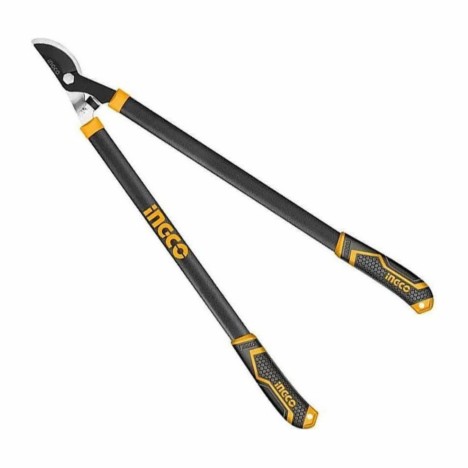
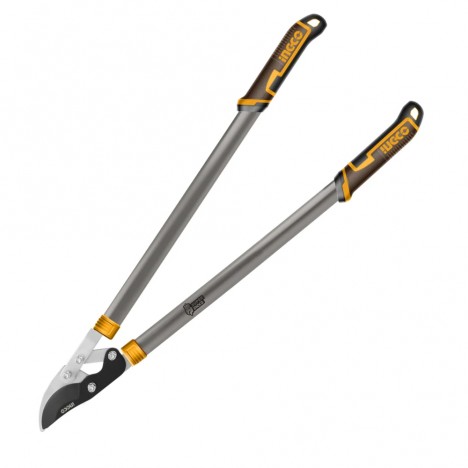

Pruning shears are a gardening tool that virtually every home should have. It's a frequently used tool, from cutting dead branches, fruit tree branches, and flower stems to shaping trees. It seems simple to use—just squeeze and let the spring bounce back. But a problem many encounter is pruning shears that won't open or a spring that won't bounce back, forcing you to pry them open manually every time, slowing down your cuts, and causing more hand fatigue than usual.
This problem can happen with Pruning Shears all types, and the cause is not always a broken pruner. It could simply be tree sap, dirt, rust, a stiff pivot, a dislodged spring, or an overtightened screw, many of which can be fixed on your own initially. However, if the spring is broken, the blade is bent, or the handle is cracked, you should not force continued use, as it may cause more severe damage or risk causing an accident. In this article, we will explain what causes this problem, where to start checking, how to fix it, and how to maintain them so the issue doesn't recur.
What does "pruning shears won't open" look like?
The symptom of "pruning shears won't open" is that after squeezing to cut a branch, the jaws do not spring back open automatically as usual, or open only slightly, requiring you to use your other hand to pry the blades apart every time before making the next cut.
In some cases, the pruner can still cut, but it feels stiff and jammed, requiring more force, slowing down the cutting rhythm, and quickly causing hand fatigue if cutting continuously. This symptom differs from dull shears: dull shears have issues with the blades, failing to cut through branches or bruising them, whereas shears that won't open have issues with the opening and closing action, even if the blades are still sharp.
How does a spring that won't bounce back relate to pruner jaws not opening?
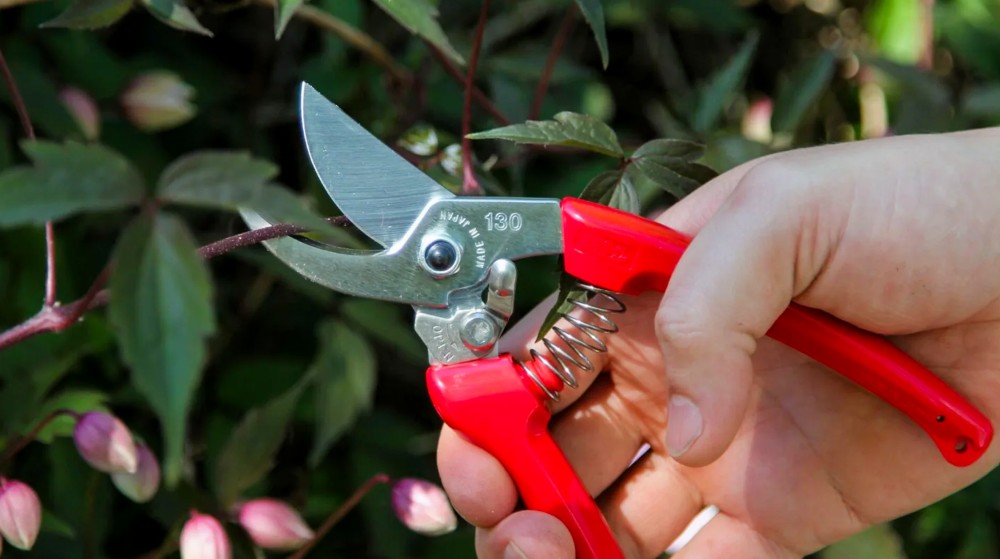
Most pruning shears feature a spring that pushes the handles apart after squeezing, making continuous use convenient, especially when cutting many branches. When the spring functions normally, releasing your grip allows the handles to spring back and the blades to open immediately for the next cut. However, if the spring comes loose, fatigues, breaks, or is obstructed by dirt, it cannot push the handles back fully, causing the jaws not to open or to open slowly.
However, the problem is not always caused by the spring. Sometimes the spring is fine, but a stiff pivot, rust, or an overtightened screw can also prevent the shears from opening. Therefore, several points should be inspected before concluding that the spring is broken.
Cause 1: The safety lock is not fully released
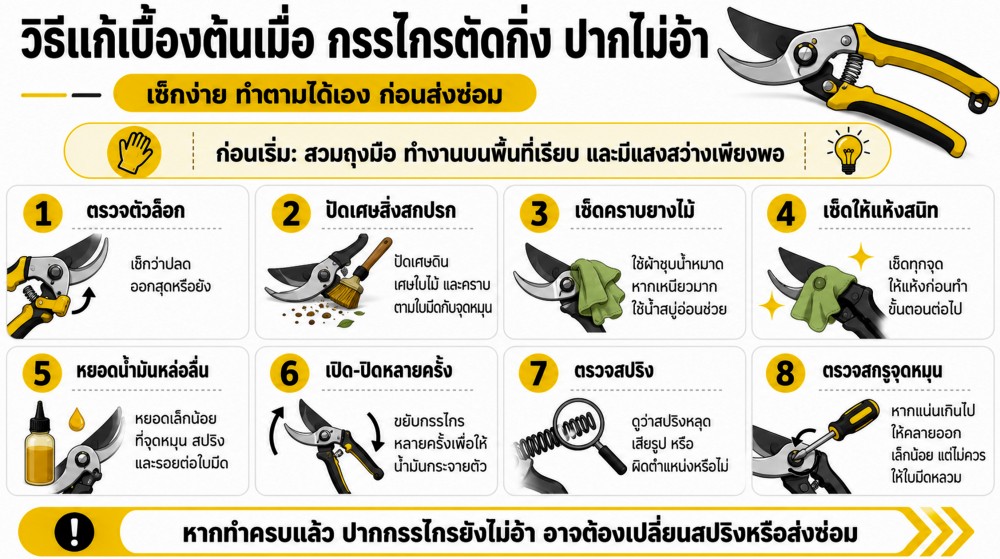
The most common and easiest-to-fix cause is the safety lock catching, preventing the blades from opening fully or causing them to stick. Especially with pruning shears used for a long time, the lock may become stiff or caked with dirt. The fix is to wiggle the lock back and forth, wipe it clean, and apply oil to the pivot point. There is no need to replace spare parts if the lock is not broken or deformed.
Cause 2: Plant sap buildup on the blades and pivot point
Sap from sticky plants such as mango, jackfruit, or frangipani hardens firmly when dry, making the blades and pivot point stiff. The symptom resembles a broken spring, but the spring is actually still fine. The fix is to wipe with a damp cloth, use an old brush to clean the crevices of the pivot point, wipe dry, and apply lubricating oil.
Cause 3: Rust on the blades, pivot point, or spring
Rust roughens metal surfaces and increases friction until parts that should move smoothly become stiff and jammed. This often happens with shears stored in humid places or not wiped dry after use. If the rust is still light, it can be wiped off with a cloth and oil; however, if the rust is deeply pitted or the spring becomes brittle, you should replace the spare parts or get new pruning shears.
Cause 4: Stiff pivot point or overtightened screw
An overtightened screw prevents the spring from pushing the handles back. To check, try opening and closing slowly; if the pivot feels stiff, clean and oil it first. Many people might wonder: What kind of lubricant should be used on pruning shears? Where to apply it for the best results! However, if it is still stiff after applying oil, loosen the screw slightly. Be careful not to loosen it too much so the blades do not wobble. The key rule is "smooth opening and closing, but the blades must not be loose."
Cause 5: The spring has slipped out of position
The spring can slip out of its groove after prolonged use or impact with other objects. This can be noticed by a spring that is tilted or has popped out on one side. The solution is to wear gloves and carefully reseat the spring into its original groove. If it slips out frequently, check if the mounting points are worn.
Cause 6: Fatigued, worn-out, or broken spring
A spring used for a long time may lose its tension, noticeable by slow rebound, failure to spring back fully, bending, or deep rust. Lubricating only helps temporarily; you must replace it with a new spring. Do not bend a broken spring back into service, as the tension won't be the same and it may come loose during use.
Cause 7: Blades rubbing against each other or misaligned blade edge
This can result from drops, impacts, or cutting materials that are too hard, such as wire or tree roots. It can be identified by a scraping sound or binding blades when opening and closing. If it's just a screw that is too loose or too tight, you can fix it yourself; however, if the blade is genuinely bent, have a technician inspect it.
Cause 8: Bent handles or shears frame
This is caused by falling from heights, being crushed by heavy objects, or cutting branches beyond capacity, leading to an abnormal opening and closing mechanism. It is noticeable by handles that are tilted or uneven when laid flat. If severely bent and the blades bind or the spring misaligns, do not force them into use, as this poses a risk of hand cuts.
How to care for pruning shear springs for long-lasting use
The spring is a small component, but it greatly affects ease of use. To make the spring last, avoid squeezing the pruning shears harder than necessary, and do not use the shears on branches larger than the tool is rated for, as excessive resistance places heavy stress on both the spring and the pivot point.
After use, wipe the spring area dry, especially after working on rainy or humid days. If dirt or leaf debris gets stuck in the spring, use a small brush to sweep it away; do not let grime accumulate.
You can apply a light coat of oil to the spring, but avoid using too much to prevent stickiness. Excess oil can easily trap dust and soil particles, making the spring dirty faster than usual.
How to prevent pruning shears from sticking again
Once you've fixed the sticking issue, the key is preventing it from recurring. This is easy to do simply by caring for them after every use. Once pruning is complete, brush off twig and leaf debris, wipe away sap, dry thoroughly, and regularly oil the pivot point. Never store shears while wet or sticky, and avoid leaving pruning shears outdoors or on the ground.
If used frequently, inspect the screws, pivot points, and spring periodically. If you notice the spring weakening, blades sticking, or minor rust spots, address them promptly. Small issues are usually much easier to fix than letting them escalate until the shears become unusable.
Frequently Asked Questions about Pruning Shears
If pruning shears won't open, do you need to replace the spring immediately?
Not necessarily. Check first whether it's caused by sap buildup, a stiff pivot point, rust, or a jammed latch. In many cases, simply cleaning and lubricating the shears will restore smooth operation.
Why won't my pruning shears spring back even after oiling?
It could be due to a worn-out spring, a dislodged spring, rubbing blades, an overtightened screw, or a bent frame. If cleaning doesn't help, inspect these components further.
Can vegetable oil be used to lubricate pruning shears?
Not recommended, because vegetable oil can become sticky and easily attract dust. Over time, it can make the shears dirtier and stiffer than before. Using a lubricant specifically designed for tools is preferred.
Select Pruning Shears here