


 EN
 ไทย


Customers Also Purchased
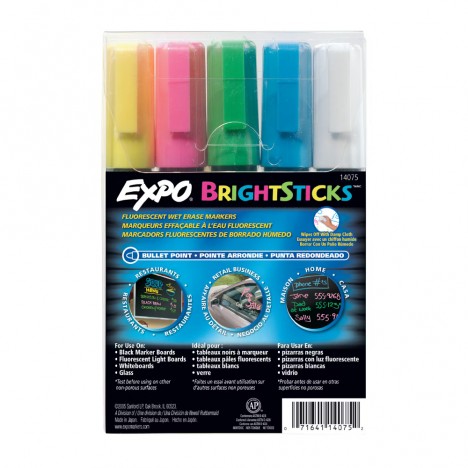
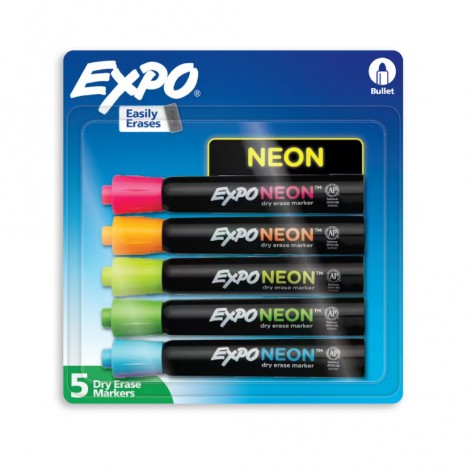
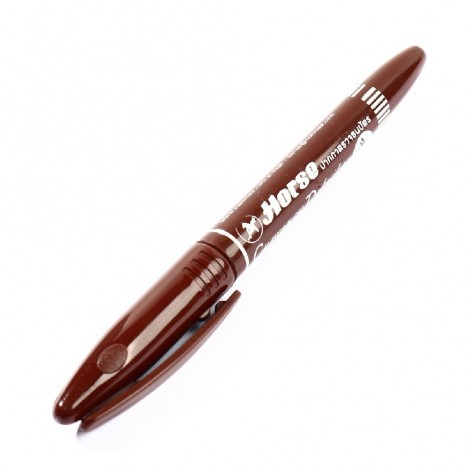
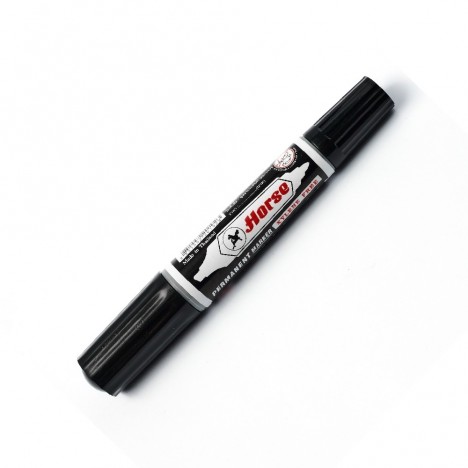
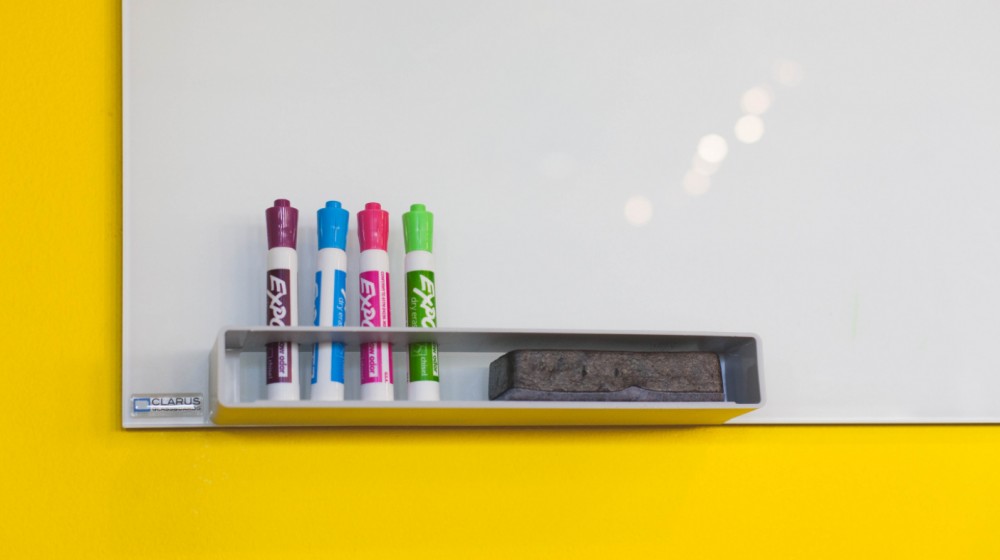
Whiteboard Markers Whiteboard markers are everyday tools familiar to many—whether in meeting rooms, classrooms, offices, shops, or even at home. When noting down tasks, planning, teaching, or writing out daily schedules, simply picking one up seems straightforward enough. But anyone who has ever used certain whiteboard markers only to end up with dizziness, burning nostrils, or an ink odor so strong they couldn't continue writing will immediately understand that "odor" is not something to overlook.
Many choose whiteboard markers based on price, desired color, or simply whether they write clearly. But in practice—inside air-conditioned rooms, small meeting spaces, or poorly ventilated classrooms—the ink odor quickly becomes a major issue. After writing for just a few minutes, the sharp scent becomes bothersome, especially for those standing close to the board for extended periods or who are already sensitive to smells. Therefore, to choose whiteboard markers for a more comfortable writing experience, don't just look for smooth writing, easy erasing, or a low price. You should also check if the model is low-odor or labeled as Low Odor, mild scent, non-pungent, Xylene Free, or designed for use in classrooms, meeting rooms, and enclosed spaces.
Why do some whiteboard markers have a strong odor?
The odor of whiteboard markers typically comes from the combination of ink and solvents that help the ink adhere to the board's surface, dry quickly, and erase easily. Some markers therefore have a more pronounced scent than others, especially models that do not emphasize low odor or lack clear Low Odor labeling.
In reality, virtually all whiteboard markers have some degree of scent; the intensity depends on the ink formulation, marker quality, and the operating environment. If used in an open, well-ventilated area, it might not be very noticeable. But in air-conditioned or closed rooms, the fumes accumulate more easily. The longer you write, the more colors you use, or the more people writing at the same time, the more distinct the odor becomes. For some, the ink smell might only be a mild annoyance, but for sensitive individuals, it can easily cause dizziness, nausea, nasal irritation, or discomfort. Thus, if you have ever found a whiteboard marker's odor too overwhelming, switching to a low-odor alternative will make a world of difference in comfort.
Low-odor whiteboard markers don't mean completely odorless
This is an important point to understand before buying: terms like "low odor" or "mild scent" do not mean the marker is 100% odorless. Rather, they mean the smell is much milder, not as pungent as conventional whiteboard markers, and more comfortable to use in enclosed rooms. For highly sensitive individuals, even a Low Odor marker might still be noticeable, especially when writing close to your face, using it continuously for long periods, or in rooms without any ventilation. Therefore, in addition to choosing low-odor markers, consider opening doors, turning on a fan, or taking intermittent breaks if you need to write for an extended duration.
Simply put, low-odor whiteboard markers are not "100% odorless," but they are a far better choice for meeting rooms, classrooms, training facilities, and offices where whiteboards are used regularly.
What labels to look for when choosing low-odor whiteboard markers
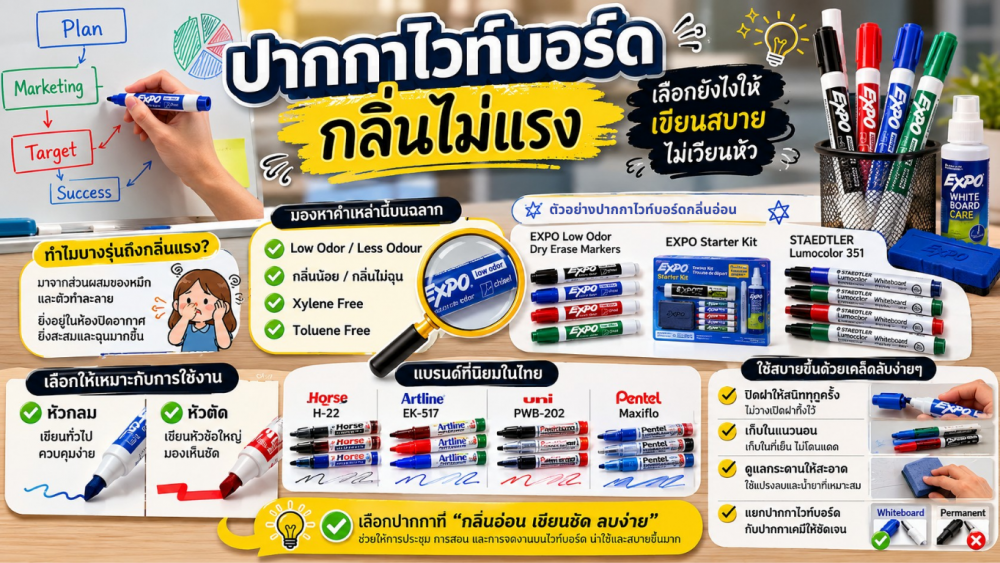
If you want a low-odor whiteboard marker, be sure to check the packaging label, model name, or product specifications rather than just its appearance. Common terms to look for include Low Odor, Less Odour, mild scent, non-pungent, Xylene Free, or Toluene Free.
These terms indicate that the model prioritizes odor reduction or limits certain chemical ingredients compared to standard markers. However, you should look at the specific "model" rather than just the "brand," as the same brand often offers various lines—some focus on low odor, others on vibrant colors, budget savings, or specialized applications.
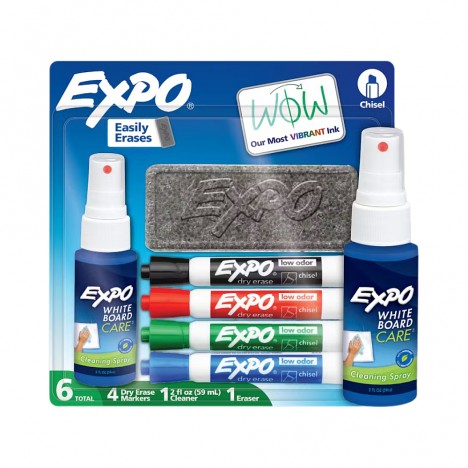
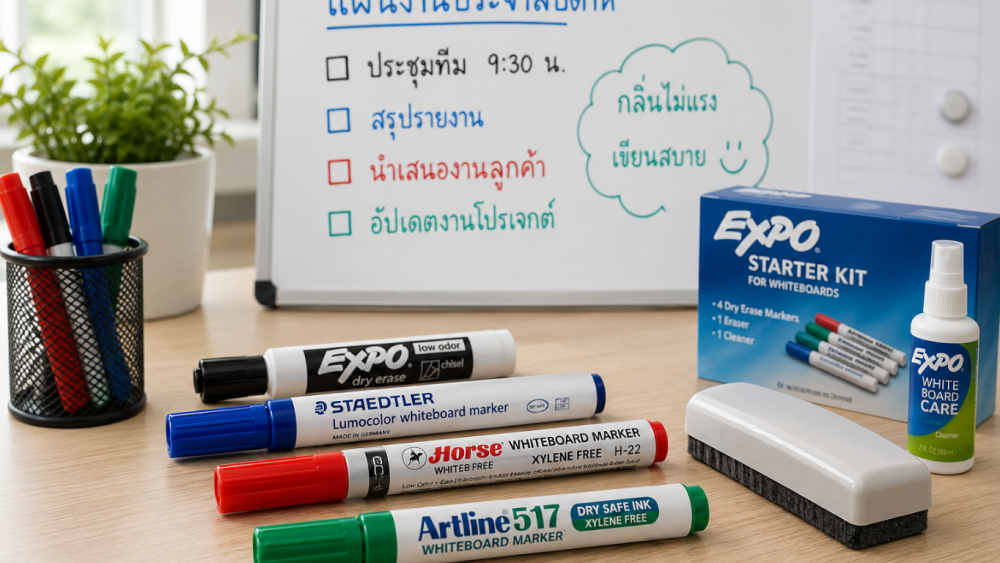
For instance, among commonly found products like EXPO Low Odor Dry Erase Markers, you'll see the words "Low Odor" clearly stated in the model name, making them ideal for anyone intentionally looking for low-odor whiteboard markers. They come in a variety of colors, such as green, blue, red, and other basic shades, making it easy to categorize topics on the board. If you are setting up a meeting room or classroom, or buying for office use, you might opt for a set like the EXPO Starter Kit, which includes whiteboard markers, an eraser, and board cleaner—ideal for those who want a complete set without having to purchase items separately.
Low odor alone isn't enough; it must also write clearly and erase easily.
While scent is important, a good whiteboard marker shouldn't just have a low odor. If the color is faint, skips lines, has inconsistent ink flow, or leaves stains after erasing, it won't be practical to use. When purchasing, consider multiple factors at once: ink color intensity, writing smoothness, line width, compatibility with your board, and cleanliness after erasing. Especially when used in meeting rooms or classrooms, the ink color must be sharp enough to be seen from a distance, not just when standing close to the board. Basic colors to keep on hand are black, blue, red, and green.
- Black and blue are ideal for writing primary content.
- Red is used to highlight key points.
- Green works well for distinguishing topics or making additional marks.
You don't need too many colors; simply choose ones that will actually be used and are easy to read. For regular use—such as teaching, meetings, or storefront boards—choose markers with easy ink flow that don't require heavy pressure. Pressing too hard not only tires your hand, but can also damage the marker tip more quickly.
Round tip whiteboard markers: Ideal for general use
Whiteboard markers come with either round tips or chisel tips. For general office, classroom, or daily board use, round tips are easy to use because they produce consistent lines, are easy to control, and are well suited for regular handwriting. An example is the STAEDTLER Lumocolor Whiteboard Marker 351, available in colors like black, green, and blue. The highlight of this line is dry-wipe board writing with low-odour specifications listed in the product details, making it ideal for meetings, teaching, or office environments where the board is used frequently.
Another common choice in Thailand is the Horse H-22 Whiteboard Marker, a bullet-tip marker available in multiple colors and often sold by the box. It is great for schools, offices, retail shops, or high-volume users. Notably, many product descriptions state that it writes smoothly, erases easily, has no pungent odor, and is xylene-free. However, if scent is your primary concern, check the label or product page details before buying, as sensory experiences can vary by model.

Chisel tips are ideal for writing large text or highlighting points.
If you need to write large headings on the board or want text to be visible from a distance, chisel-tip whiteboard markers are a great choice because they can draw both thick and thin lines depending on the angle you hold them.
Many models in the EXPO Low Odor line feature chisel tips, making them great for meetings, headings, or classrooms where people in the back need to see clearly. However, if you are not accustomed to chisel tips, it may take a little time to adjust, as an inconsistent grip angle can cause varying line widths. For general whiteboard use without large text, round tips are easier to work with. But for meeting rooms, training sessions, or front-of-room presentations, chisel tips make text stand out and enhance readability.
For air-conditioned or enclosed rooms, choose an ultra-low odor formula.
If whiteboard markers are used in open spaces, odor might not be a major issue due to good ventilation. However, if used in air-conditioned rooms, small meeting rooms, classrooms, training rooms, or offices with doors kept closed, ink odors accumulate more easily.
In this case, whiteboard markers labeled Low Odor or non-pungent are more suitable, especially for those who write frequently—such as teachers, speakers, supervisors, office workers, or people who use whiteboards for daily planning. Examples of brands offering this type of model include EXPO, STAEDTLER, Artline, uni, Pilot, Pentel, and Horse. However, it is advisable to check details model by model rather than assuming the entire brand has low odor, as each model may use different ink formulations, feature different tips, and be designed for different uses. If buying online, carefully check the model name and product description. If buying in a store, check the label on the barrel or package for terms such as Low Odor, non-pungent, or Xylene Free.
Beware of confusing whiteboard markers with permanent markers
Another thing to watch out for is that some whiteboard markers and permanent markers look very similar. Especially when kept together in a drawer or office supply shelf, you might grab the wrong one in a hurry.
Whiteboard markers use terms such as Whiteboard Marker, Board Marker, or Dry Erase Marker; their purpose is to write on whiteboards and be erasable. Permanent markers, on the other hand, are designed with more durable ink, making them unsuitable for writing on whiteboards if easy erasability is desired. For example, the Horse H-44 is a permanent marker, not a whiteboard marker. Although both are markers, their applications differ. Using the wrong one on a whiteboard can make it difficult to erase, leave stains, or cause the board surface to look dirty much faster.
Before buying or using, clearly check the wording on the barrel, especially in offices, schools, or stores where various types of markers are mixed together. Storing whiteboard markers separately from permanent markers will significantly reduce the issue of grabbing the wrong one.
Don't forget to look at erasers and board cleaners
Sometimes, issues with odor, stains, or poor erasing don't stem from the markers alone; they may come from accumulated ink stains on the board, a dirty eraser, or using an unsuitable cleaner. If you use a whiteboard frequently, you should have a clean eraser and clean the board periodically—especially if the board starts to not erase cleanly, has gray stains, or ink adheres to the surface more than usual after writing.
A starter kit like the EXPO Starter Kit, which includes whiteboard markers, an eraser, and cleaner, is therefore ideal for those who want to maintain their board for longer usability rather than just buying markers and calling it a day. When the board is clean and the eraser is good, whiteboard markers can perform at their full potential.
How to use and store whiteboard markers to prevent them from drying out quickly
No matter how good a marker you choose, improper storage can still cause the ink to dry out, fail to write, or skip. After use, recap tightly immediately; avoid leaving the cap off for extended periods, and do not store them in extremely hot places, such as inside a car or near a sunlit window. If possible, store markers horizontally to ensure even ink distribution, and keep whiteboard markers clearly separated from permanent markers so you don't pick the wrong one during use.
If a marker begins to write faintly, avoid pressing the tip down forcefully, as this can damage the nib faster. Try recapping it, letting it rest, or checking whether the model is refillable. Refillable models offer greater long-term savings, especially for offices or schools using large quantities of whiteboard markers.
What to look for when choosing low-odor whiteboard markers
If you have ever used Whiteboard Markers and experienced dizziness, nasal irritation, or felt the ink odor was too strong, you should not choose based on price alone next time; consider odor-related features as well, especially if used in air-conditioned rooms, meeting rooms, classrooms, or enclosed spaces. Look for models labeled Low Odor, Less Odour, non-pungent odor, Xylene Free, or Toluene Free. Choose colors that write clearly and erase easily, with a pen tip suitable for your use, and make sure it is genuinely a whiteboard marker, not a permanent marker.
Ultimately, a good whiteboard marker shouldn't just write well—it should also keep the user comfortable, especially those who have to stand and write on the board for extended periods. Choosing one with a mild scent, clear writing, and easy erasing, along with keeping the board clean, will make meetings, teaching, or taking notes on the whiteboard much more enjoyable.