


 EN
 ไทย


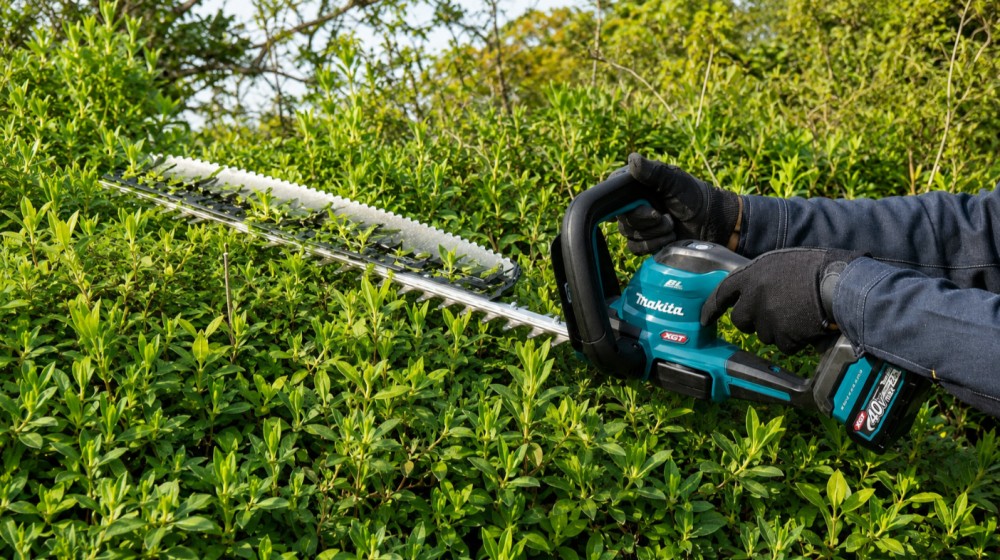
Customers Also Purchased
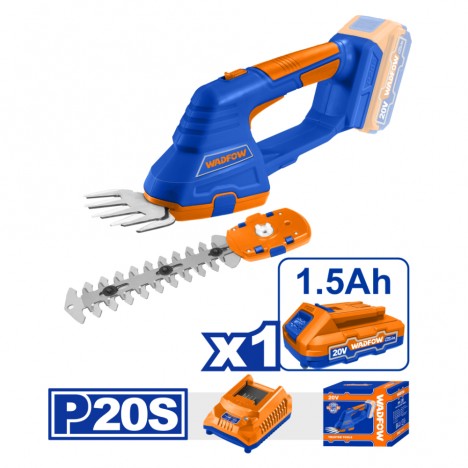
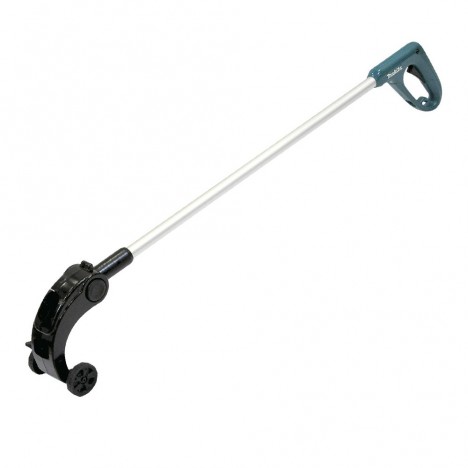


Have you ever wondered, Hedge Trimmer "Can it be used to cut tree branches?" This is a common question because real hedges often have hard or mature branches mixed in. The short answer is: yes, for small twigs, but it is not a tool designed specifically for cutting branches. Its primary purpose is shaping hedges, trimming leaves, and cutting soft, small shoots. If used on branches that are too thick or too hard, it can chip the blades, overload the motor, or damage the tool.
In this article, we will explain what tasks hedge trimmers are suitable for, what should be avoided, and how to handle large branches encountered while trimming hedges.
What Kind of Work Is a Hedge Trimmer Designed For?
Before answering this question, it is essential to understand what this tool was designed to do. As the name suggests, it is a "hedge trimmer," not a "branch pruner."
- Its operating principle relies on long blades with multiple teeth reciprocating rapidly, allowing it to cut large volumes of leaves, soft shoots, and small twigs all at once. It is ideal for shaping straight lines, geometric forms, or living fences/hedges.
- Ideal applications include Ficus hedges, Fukien tea, Ixora, Wrightia religiosa, Orange Jessamine, or ornamental plants around the home. It saves effort and time, delivering a much neater finish than manual shears.
- Unsuitable tasks include cutting thick branches, dry wood, or branches thicker than the blade spacing. The blades are not designed to bite into thick wood and lack the concentrated cutting force of pruning shears.
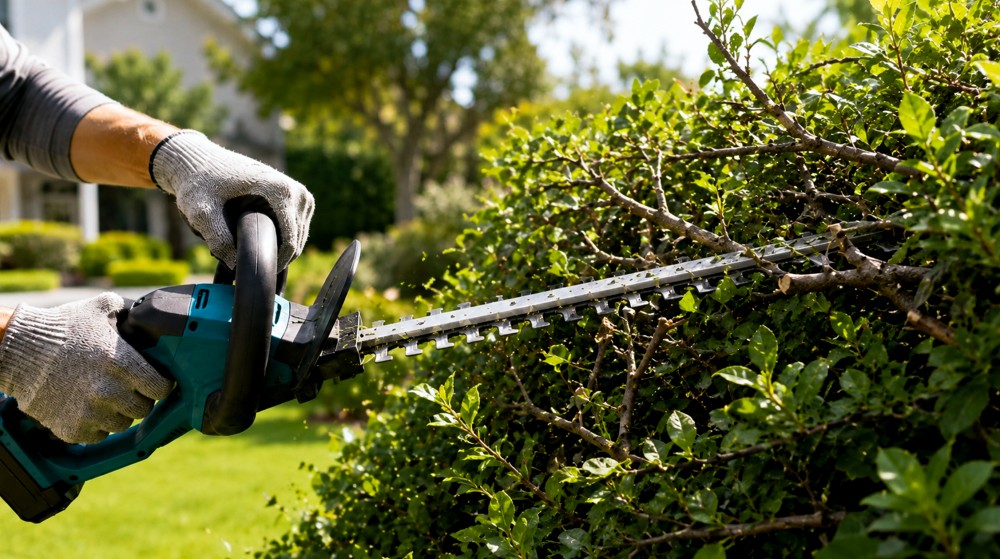
So, Can a Hedge Trimmer Cut Tree Branches?
The answer is: in some cases, yes—provided they are small twigs, tender branches, or branches that fit easily between the blade teeth. However, if a branch is too thick, too hard, or tough and dry, the tool may fail to cut through, resulting in jammed blades or stalling. The important point is: "can cut" does not mean "should always be used to cut." Using it on hard branches regularly overloads the tool beyond its intended purpose—like using paper scissors to cut wire. Even if it works sometimes, it will certainly cause premature tool damage. To sum up simply:
- Can be used: Soft twigs, small branches, and overgrown shoots protruding from the hedge.
- Switch tools: For main branches, mature limbs, hard branches, or anything requiring force to push the blade through, switch to pruning shears, a pruning saw, or a mini chainsaw instead.
What Is the Difference Between "Hedge Trimming" and "Branch Pruning"?
Even though both involve cutting plants, they are fundamentally different tasks.
- Hedge trimming refers to cutting the outer surface to achieve a desired shape—whether trimming protruding shoots, stray small twigs, or keeping edges neat. This work requires smoothness and continuity, making a hedge trimmer the ideal tool.
- Pruning branches involves cutting spot by spot, especially for thicker or harder branches. This task requires focused cutting force, so you should use pruning shears, a hand saw, or a chainsaw depending on the branch size.
In short, hedge trimmers are suitable for mass trimming along straight lines, but not for cutting thick branches one by one. Once you distinguish this, choosing the right tool becomes immediately easier.
What kind of branches can be cut?
Branches that can be cut are small, soft branches, or shoot tips growing along the hedge surface, such as newly sprouted green branches or ornamental plant branches that are not very hard. A simple check is that if the tool cuts through smoothly without jamming or having to force it, it is still within the appropriate limit.
What kind of branches should not be cut?
Thick branches, hard branches, dry branches, or main tree branches. If you have to push the tool hard or hold it in place for a long time, stop immediately. Additionally, dry branches that appear easy to cut can be hard and brittle, which may chip the blades. As for branches with sticky sap, the residue can coat the blades and make the machine work harder.
What to do if you encounter a large branch in the hedge?
- 5 Warning Signs That It's Time to Replace Your Hedge Trimmer!
- How Loud Is a Hedge Trimmer? When Does It Become Annoying?
Conclusion
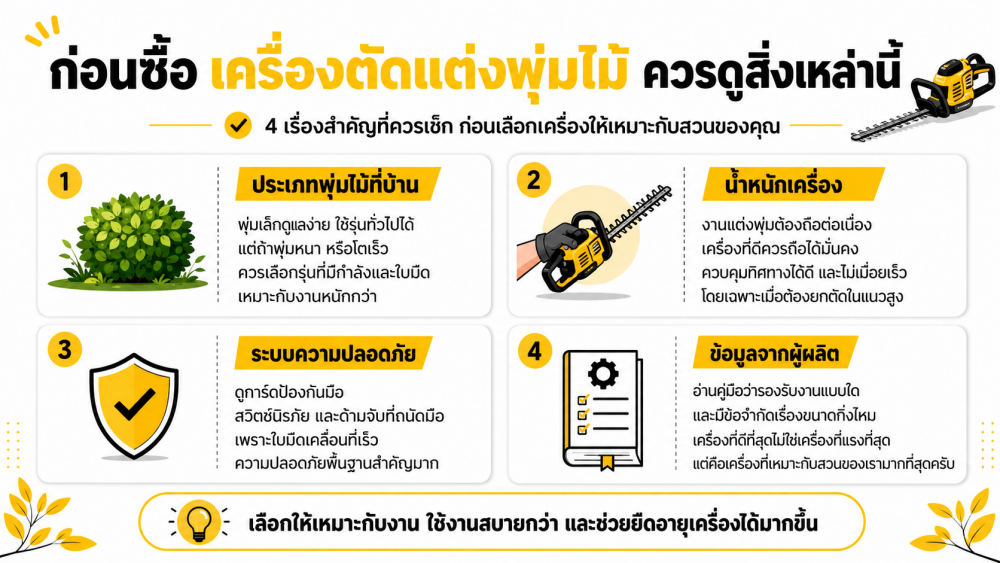
To put it simply, a hedge trimmer can cut small branches, but that is not its primary function. Its true role is shaping hedges, cutting leaves, trimming soft shoots, and maintaining clean shapes.
- Soft branches, small twigs, protruding tips: go ahead and use a hedge trimmer.
- Large branches, dry branches, hard branches: stop the machine and switch to pruning shears or a saw instead.
Using the right tool for the job makes gardening easier, hedges look better, and tools last longer.