


 EN
 ไทย


Customers Also Purchased
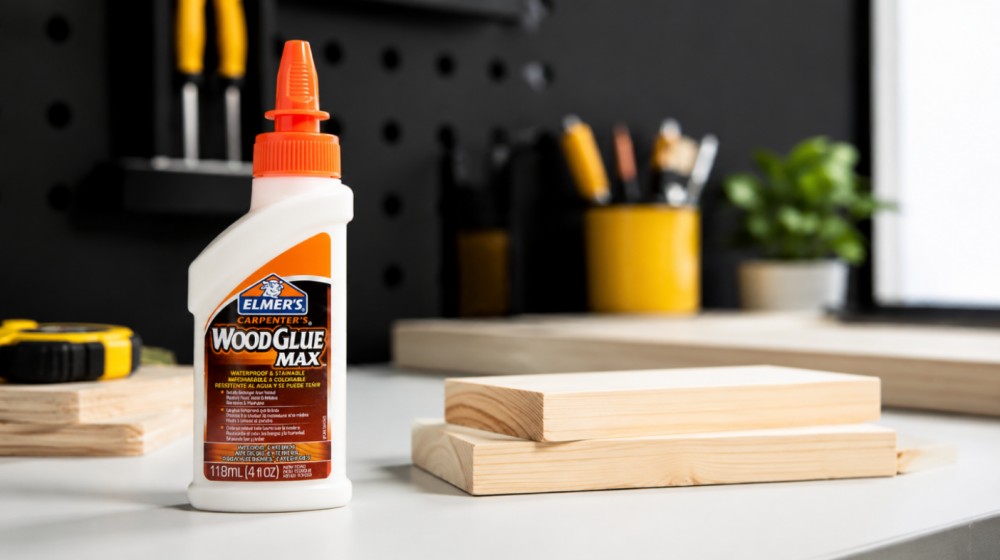
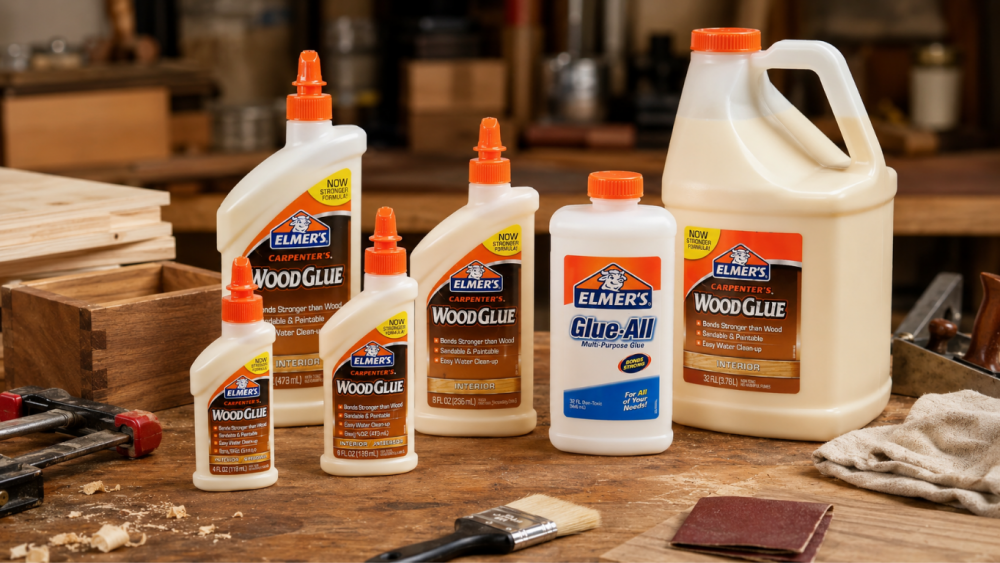
wood glue It is an essential item that many people keep at home, whether for repairing wooden furniture, DIY projects, small wood assemblies, fixing chairs, tables, shelves, or general carpentry tasks. However, a common issue is not using all the glue after purchasing it. When kept for a long time and used again, the glue turns thick, difficult to squeeze, clumpy, dries up at the nozzle, or bonds poorly compared to before. Many people wonder if wood glue expires, whether leftover bottles can still be used, and how to store wood glue to prevent premature deterioration.
Does wood glue expire?
Wood glue has a shelf life and can deteriorate even if there is still liquid glue remaining in the bottle.
However, the term "expiry" for wood glue should be properly understood as not being like food that spoils immediately upon expiration. In practice, wood glue usually has what is called a shelf life, which is the period during which the manufacturer expects the glue to retain its proper performance characteristics if stored under suitable conditions, such as tightly capped, away from direct sunlight, extreme heat, and freezing temperatures.
Many types of wood glue, especially general woodworking glues, are typically PVA or water-based formulas. Over time, the water and components in the glue may alter, causing it to thicken, separate, clump, or lose bonding strength—especially if opened and improperly stored. How fast or slow this occurs depends on the glue formulation, product age, and storage methods.
How long does wood glue last?
The shelf life of wood glue depends on each brand and formula. You should mainly refer to the information on the product label, as each type of wood glue may contain different ingredients and requirements.
Generally, unopened wood glue stored in suitable conditions lasts longer than opened glue because no air, dust, moisture, or wood debris has contaminated the bottle. However, once opened, the shelf life is shortened because every time the cap is removed, more air can enter the bottle, glue residue can dry around the nozzle, and if the cap is not closed tightly, the glue will thicken or dry faster than usual.
For opened glue that has been stored for a long time, you should always check its condition before use, especially when using it on load-bearing projects such as furniture assembly, table legs, chair legs, shelves, or wooden pieces that are difficult to fix.
How to tell if wood glue has gone bad
Wood glue that is beginning to deteriorate usually shows noticeable signs. You don't necessarily have to wait until the expiration date on the label, because improper storage can cause the glue to spoil prematurely.
Warning signs to watch out for include:
- Abnormally thick glue, harder to squeeze out than before
- Hard particles or lumps mixed into the glue texture
- Separated layers that do not return to a smooth consistency after shaking or stirring
- Unusual odor, such as a sour or spoiled smell
- Significant color change, or uneven spread when applied
- Weak joints after drying, pulling apart easily
- Clogged nozzle with heavy buildup of dried, hardened glue
If there is only dried residue around the bottle mouth or nozzle, it may not be a major issue, as you can scrape off the dried residue and check the glue inside. However, if the glue in the bottle is lumpy, severely separated, or has an abnormal odor, it should not be used on critical projects.
What causes wood glue to clump?
Wood glue clumping is usually caused by improper storage, especially not sealing the cap tightly after use. When air enters the bottle, moisture in the glue gradually evaporates, causing the glue to thicken and begin to harden into clumps.
Another cause is dried glue residue around the nozzle or bottle opening. If excessive glue builds up, the cap may not seal completely, allowing air to enter more easily and causing the glue in the bottle to deteriorate faster. In addition, heat also plays a role. Storing glue in extremely hot places, such as inside cars, hot storage rooms, near sunlit windows, or near heat sources, can accelerate the deterioration of the glue's consistency.
Extreme cold temperatures or allowing the glue to freeze should also be avoided. Some glue formulas may lose their properties after freezing, causing the glue to separate or not perform as well as before.
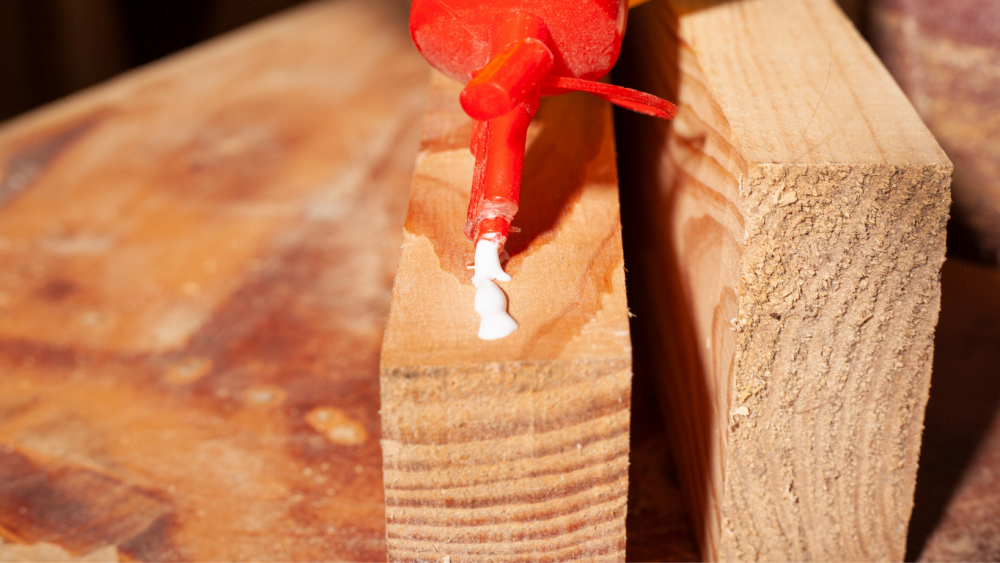
How to store wood glue to prevent premature deterioration
Most problems often start with small, overlooked things: loosely closed caps, dirty nozzles, and storing glue in hot or humid places. If you pay attention to the details after every use, your glue will last longer than you think.
1. Close the cap tightly immediately after use After use, close the cap tightly right away; do not leave the cap open for long periods while working. For squeeze bottles, push the spout shut or screw the cap on tightly. Closing it loosely may look sealed, but air can still get in.
2. Wipe the nozzle and bottle opening before storing Glue residue left around the nozzle will harden once dry, making it difficult to open next time and preventing the cap from sealing properly. Use a damp cloth to wipe it off before storage, as undried water-based glue is much easier to wipe away than scraping off after it hardens.
3. Store in a cool, dry place away from sunlight Store at normal room temperature, away from extreme heat, direct sunlight, and heat sources. Indoor shelves or toolboxes where the air is neither too hot nor too humid are the most suitable.
4. Do not store glue in your car The temperature inside a car gets extremely hot during the day, especially when parked in the sun. Accumulated heat causes glue to deteriorate quickly, thicken, and lose its bonding strength.
5. Avoid extreme cold Some glue formulas should not be frozen, as freezing can ruin the glue's consistency or cause lumps to form. If the glue has been exposed to extreme cold, always check its condition and test it on scrap wood first.
6. Keep dust and wood chips out of the bottle Do not rub or touch the bottle tip directly against wood surfaces that have heavy dust or sawdust. If applying glue over a large area, squeeze it into a small tray and spread it using a brush or roller instead.
7. Store the bottle upright This helps reduce the chance of glue flowing down and accumulating around the cap and nozzle, preventing stuck caps and clogged nozzles.
Can thickened wood glue still be used?
If the wood glue has thickened only slightly, with no hard lumps, no phase separation, no unusual odor, and it still spreads smoothly, it may still be usable for general tasks. However, it should never be used right away without testing.
A simple way to check is to squeeze glue onto scrap wood, spread it evenly, join the 2 pieces of wood together, and clamp or hold them still for an appropriate time. Once the glue is fully cured, try pulling or twisting them. If the joint remains strong and does not easily come apart, the glue is still usable. But if the glue peels off in sheets, the joint separates easily, or the adhesive fails to bond with the wood surface, you should replace it with new glue—especially for load-bearing applications or functional furniture.
Can I add water to thickened wood glue?
You must be cautious with this, as wood glue formulas vary. Some products may include manufacturer instructions stating that water can be added in limited amounts, but other products should not be diluted with water at all.
Therefore, if the glue has thickened, do not just randomly add water. You should first read the product label or information from the manufacturer, as adding too much water may alter the glue's formula, reduce bonding strength, cause abnormal drying, or make the woodwork less strong than it should be. If the glue is very thick, lumpy, or spreads unevenly, replacing it with new glue is usually safer than trying to salvage it.
Can Dried Wood Glue in the Bottle Be Fixed?
If the glue is dried only around the nozzle or bottle opening, you can peel away the dried glue residue and check the glue inside. If the inner glue is still smooth, odorless, and free of lumps, it might still be usable. However, if the glue has dried into lumps inside the bottle, dispenses with many hard specks, or has separated so severely that it cannot return to a smooth consistency, it is not recommended to continue using it; even if it can still be spread, its bonding strength may have degraded.
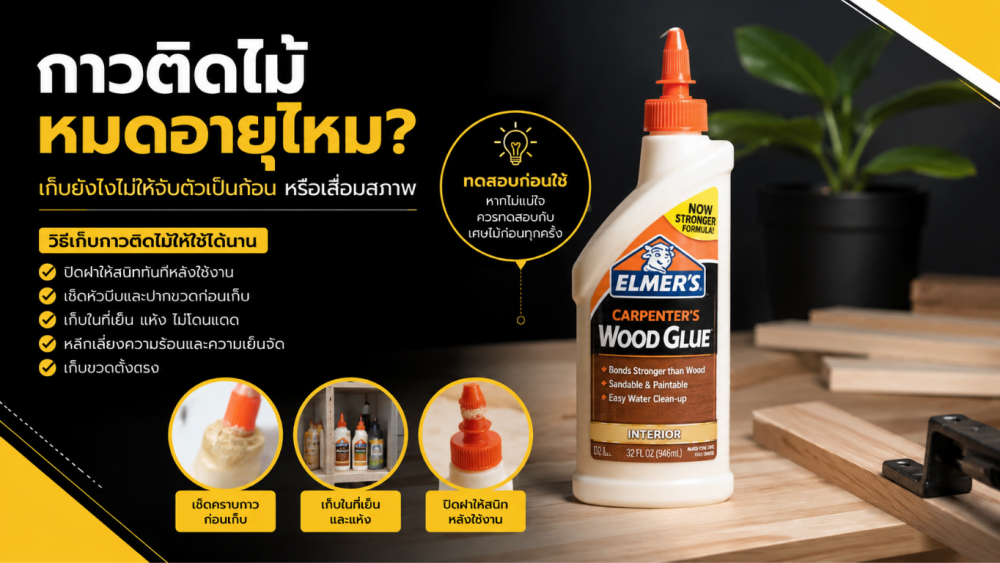
What Happens If You Use Expired Wood Glue?
Using expired or degraded wood glue can cause problems with your woodwork, such as parts not adhering firmly, joints coming apart shortly after use, uneven drying, or joints having poor load-bearing capacity. Sometimes, right after joining the pieces, it may seem to hold; but in actual use, when subjected to pressure, tension, torsion, or moisture, the joints may begin to separate and require repair.
For small projects that don't take much load, you might try using old glue after checking its condition. But for furniture, chair or table repairs, shelving, or projects requiring high strength, it is safer to use glue that is still in good condition.
Be Sure to Check Old Glue Before Using It
wood glue Wood glue has a shelf life and can deteriorate, especially once opened and stored improperly. Warning signs to watch out for include abnormally thick glue, clumping, separation, unusual odors, or failing to adhere as well as before. If you want the glue to last longer, close the cap tightly, wipe the nozzle clean, and store it in a cool, dry place away from sunlight, not in a car, and avoid extreme cold.
Before using old glue on important projects, always test it on scrap wood first. If the glue starts showing abnormalities, replacing it with a new bottle is usually far more worthwhile than risking joint failure or having to redo the work later.