


 EN
 ไทย


Customers Also Purchased
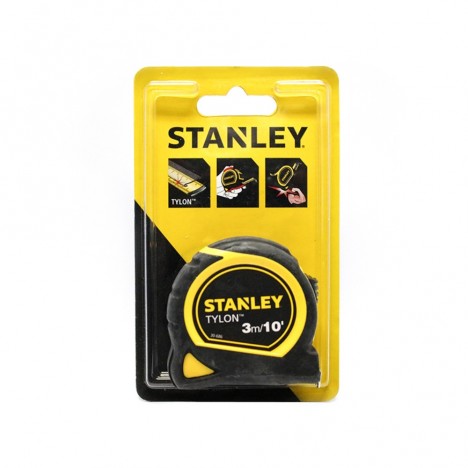
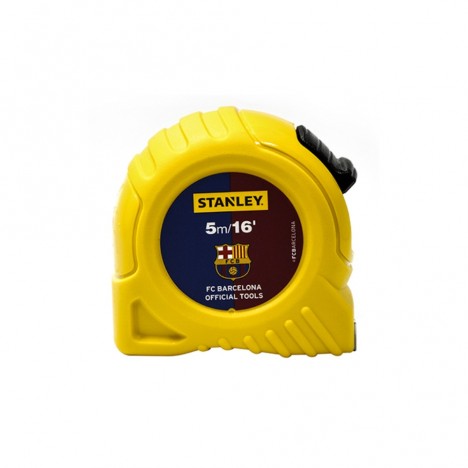
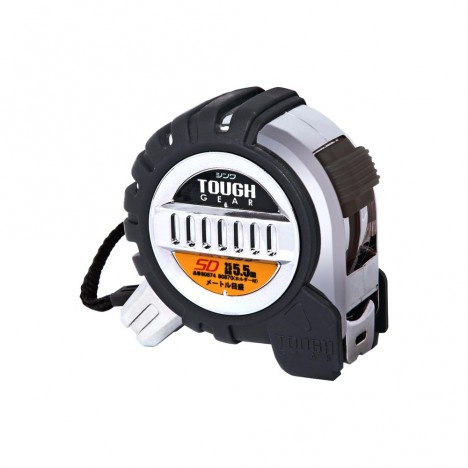
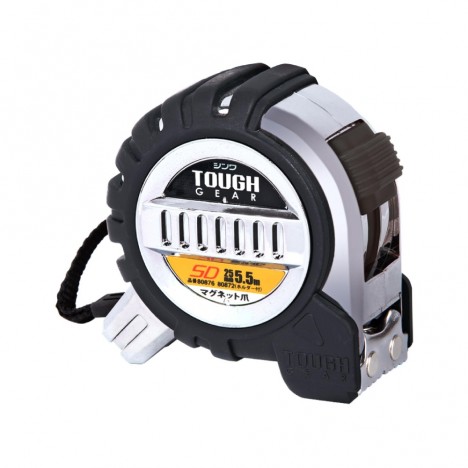
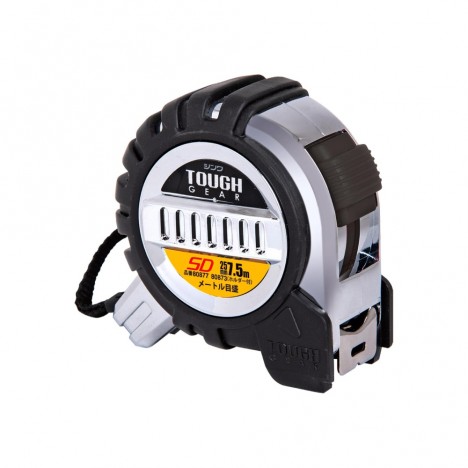
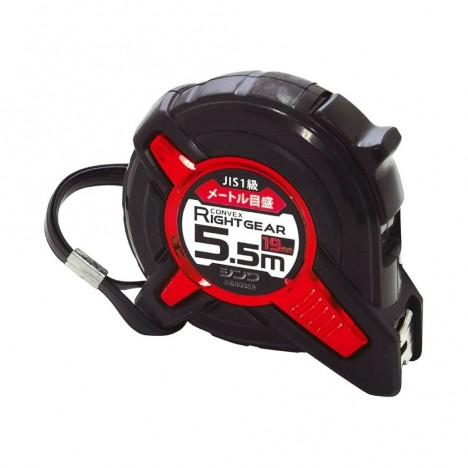
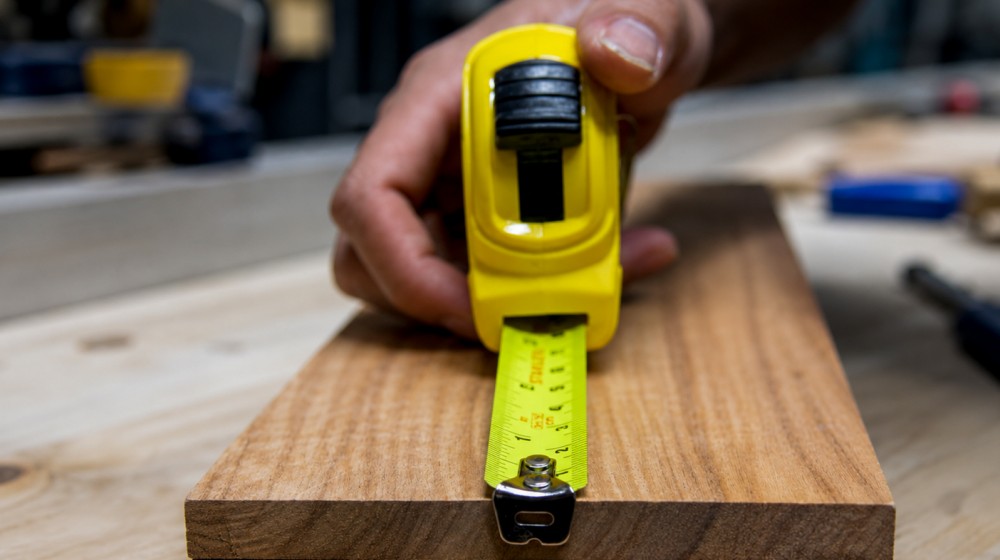
A tape measure is a must-have tool for every home, whether for measuring a room, measuring furniture, or checking dimensions before buying items. But... a common problem people encounter is that the blade won't retract! You pull it out and it gets stuck, won't retract fully, or the blade kinks and remains outside! Does this mean the tape measure is broken? The answer is: it depends on the symptoms. In some cases, there's just dust, mortar debris, or dirt stuck on the blade, preventing it from sliding back smoothly, which can be fixed. In other cases, however, the internal spring has weakened or the blade is bent and snapped, which is usually not worth repairing.
In this article, we'll go through which symptoms of Tape Measures can be fixed yourself, which symptoms mean you should buy a new one, and if you need to buy one, how to choose one that lasts longer.
Why won't a tape measure blade retract? What causes it?
Before deciding whether to repair or buy a new one, it helps to understand how a tape measure works. Inside the housing, the measuring blade is coiled around a flat steel spring. When you pull the blade out, the spring is wound tighter and tighter. When you release the blade, the spring's tension pulls it back in automatically. There is also a locking mechanism that holds the blade in the desired position without needing to hold it continuously.
This system seems simple, but in actual use, a tape measure encounters several factors that gradually reduce its performance—whether dust, moisture, mortar residue, sand debris, or oil picked up from job sites. As these accumulate, the blade retracts less smoothly. Furthermore, if it has been dropped or pulled out to its full length forcefully many times, the internal spring can also weaken or deform.
Another point often overlooked is the blade itself. Most tape measure blades are made of thin, flexible steel, but if bent or folded repeatedly at the same spot or subjected to heavy pressure, the blade can warp. This causes it to rub against the housing opening during retraction, which is one reason the blade gets stuck or won't retract fully even when the spring is still good.
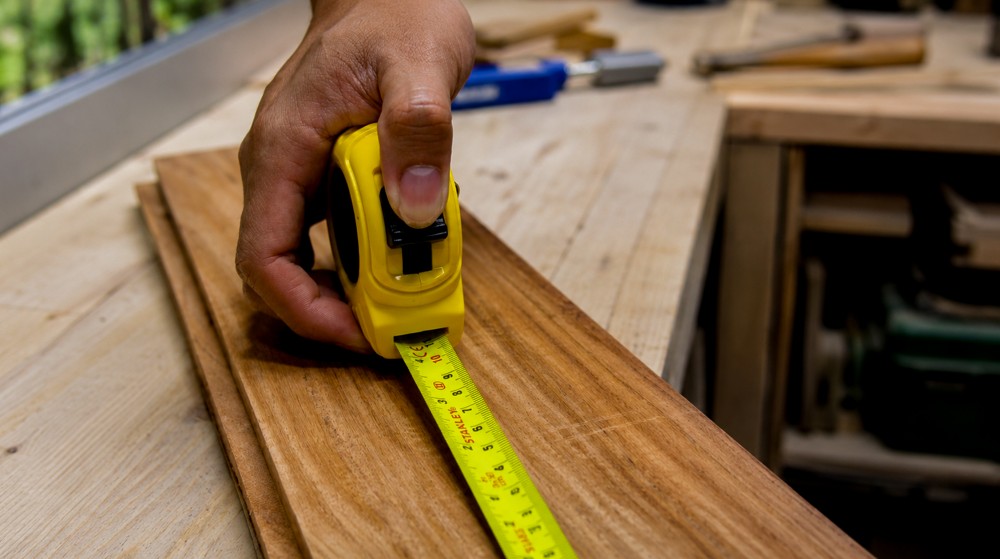
Common reasons why a tape measure blade won't retract
- Dust and debris stuck on the blade The most common cause, especially on job sites where the tape measure blade is frequently dragged through dust, concrete, or debris. As it accumulates, the blade binds, retracts slowly, and eventually requires hand-pushing. This symptom can usually be fixed because the spring is typically still intact.
- Moisture and rust If you use a tape measure in wet areas and store it immediately without wiping it down, moisture can make the blade sticky and cause rust. The blade will hitch when pulled and may freeze midway when retracting. If water gets inside the housing, the internal spring can also deteriorate faster.
- Bent or kinked blade Caused by stepping on the blade, placing heavy objects on it, or snagging it against sharp corners, resulting in permanent kinks that jam against the housing during retraction. Minor bends might still be usable, but if the blade is severely creased or has sharp edges, exercise caution, as it can cut your fingers.
- Stuck or stiff lock mechanism A lock button jammed with dust or worn parts can drag against the blade unintentionally. It's easy to check: try toggling the lock button back and forth. If the blade retracts better, the issue is with the lock, not the spring.
- Weakened or damaged internal spring If you've tried troubleshooting everything and the blade still won't retract, the spring may have worn out. This is often caused by heavy use or repeatedly pulling the blade to its absolute maximum length. In this case, DIY repair is not recommended because the internal coiled parts are under tension and could snap out violently. Buying a new one is safer and more cost-effective.
Which symptoms can still be fixed?
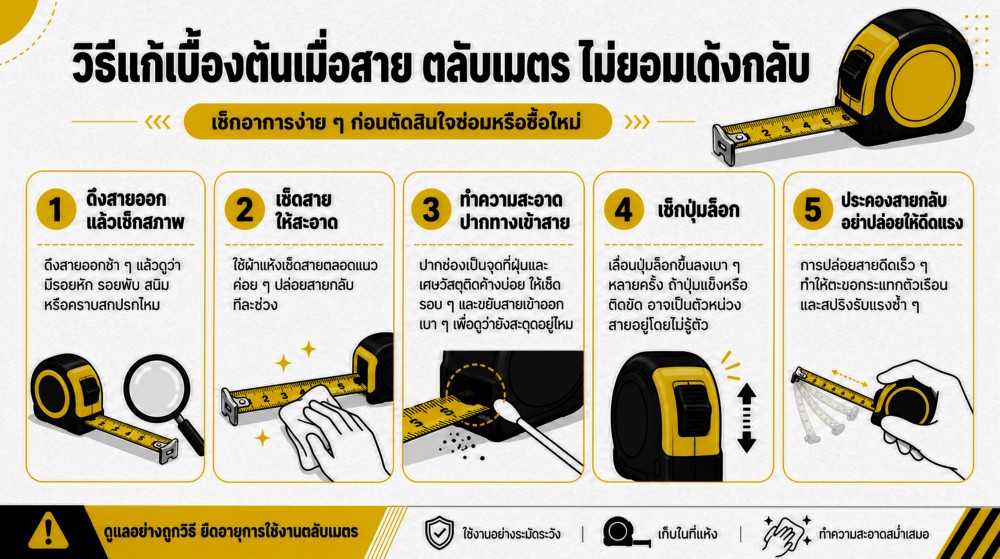
The blade is still straight with no obvious kinks
If the tape measure blade is still straight, free of severe kinks or deformed bends, and the markings are clearly legible, it can likely still be used. Sluggish retraction may simply be caused by accumulated dust or friction on the blade's surface rather than structural damage.
Try pulling out about half of the blade's length and gently clean along the entire strip using a dry cloth or a slightly damp cloth, then wipe it completely dry. Never retract the blade while it's still wet, as this will trap moisture inside the housing.
The blade retracts, but sluggishly
If the blade still retracts on its own, just more slowly than usual or binding at certain points, the damage is usually not severe. It could be due to dust accumulated around the blade opening or grime on the blade making retraction less smooth than before.
Try cleaning the blade first and see if it retracts better after wiping. If it improves, it means the spring is still functional, but you need to pay more attention to cleanliness after use, especially if using the tape measure on job sites or in dusty environments.
Condition improves after moving the lock switch
If the blade won't retract, but starts snapping back once you toggle the lock switch back and forth, it means the lock might be stiff or stuck. In this case, clean the area around the lock switch and the tape entry port. Be careful not to use too much water, as it may seep into the housing.
Sometimes, just a tiny bit of dust is enough to prevent the lock switch from operating fully, especially for tape measures stored in a tool bag along with nuts, screws, drill bits, or other debris.
Is repairing a tape measure yourself worth it?
To put it straightforwardly: for general users, "it's rarely worth it." Especially if the problem lies with the internal spring or the mechanism inside the case, because standard tape measures aren't designed to be disassembled frequently, and once opened, they can be much harder to reassemble than you'd expect.
If it's just a dirty blade, a stiff lock switch, or dust trapped at the blade opening, you can clean it yourself and should definitely try that before buying a new one. But if it involves opening the case, fixing the spring, or resetting the blade inside, we believe buying a new one is generally more worthwhile in terms of time, safety, and accuracy.
Especially if the tape measure has been used for a long time, has faded markings, a bent blade, and a loose housing, quick spot repairs may only last a short while. In the end, you will have to buy a new one anyway.
Does a higher-priced tape measure help prevent blade retraction issues?
Certainly, higher-priced tape measures usually feature better materials, more durable spring systems, superior blade coatings, stronger housings, and better-engineered locking mechanisms. Therefore, they tend to last longer, especially under heavy-duty use.
However, this doesn't mean that expensive tape measures will never break. If used improperly—such as letting the blade snap back hard every time, storing it wet, constantly extending it to its limit, or frequently dropping it from heights—it will deteriorate just the same. It is simply more capable of withstanding heavy use than standard models.
For typical household users, there's no need to buy the most expensive option. Just choose a tape measure with reliable quality that is easy to read, comfortable to hold, has a sufficiently thick blade, and features a solid lock mechanism. For those who use it daily for work, investing in a high-quality tape measure is much more cost-effective because it speeds up work and minimizes issues during use.
Conclusion
In summary, minor dirt or slight stiffness can still be resolved, but if the retraction system is broken or the accuracy is questionable, replacing it is more cost-effective. A tape measure may be a small tool, but it is the starting point for precise work—measuring right the first time ensures accurate cuts and exact drill holes without rework. If it starts showing abnormalities, don't overlook it, and when it's time to replace it, consider it a small, worthwhile investment.
Select Tape Measures to suit the application