


 EN
 ไทย


Customers Also Purchased
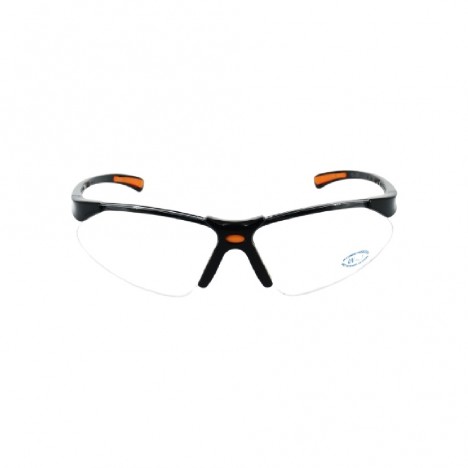
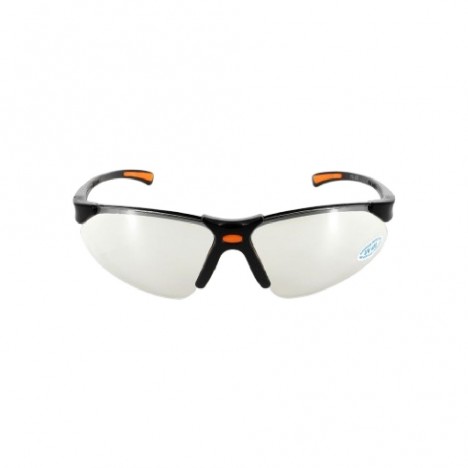
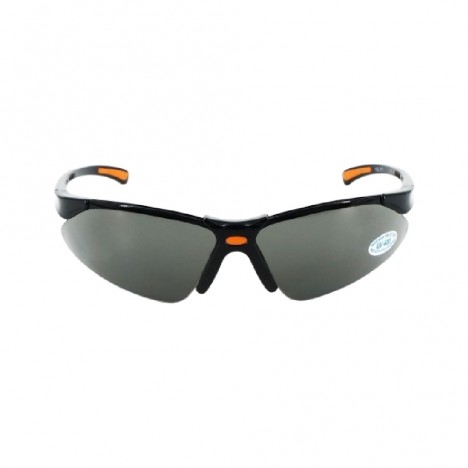
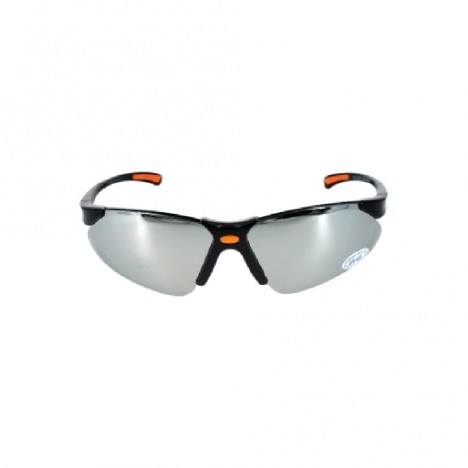
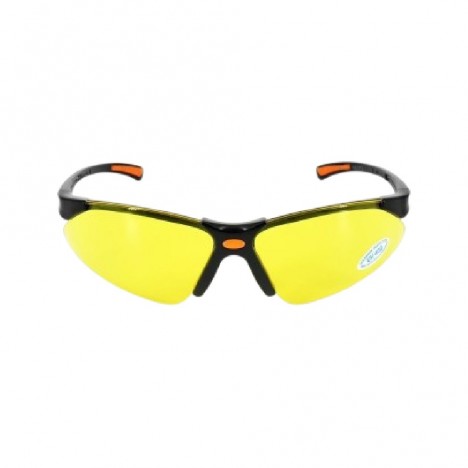

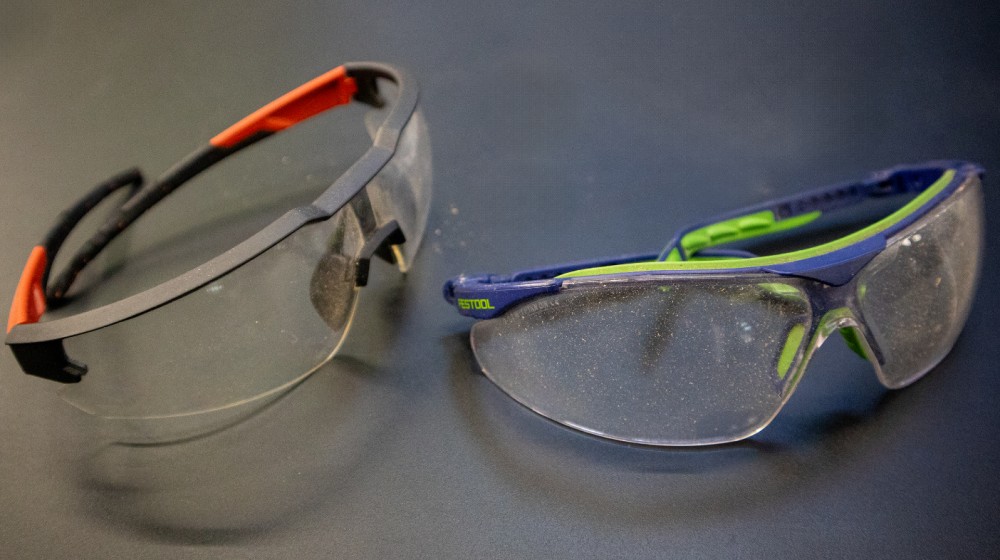
When talking about safety glasses, many people only focus on the buying phase—such as which style to choose, clear or dark lenses, whether they need to resist sparks, and what standards they meet. But... what is often overlooked after purchase is proper storage. This affects their lifespan much more than you might think. Does storing them improperly really cause the lenses to degrade faster? Yes, it does. And not just the lenses, but also the anti-fog and anti-scratch coatings, temples, frames, and overall eye protection capability.
Many people leave safety glasses lying around anywhere—whether tossed into a toolbox, placed on a workbench, or hung in a vehicle. Soon after, they encounter blurry lenses, fine scratches, frequent fogging, yellowed lenses, hardened rubber seals, or loose temples. This might not be a product quality issue, but rather the result of improper storage methods.
In this article, we'll explore which improper storage methods Safety Glasses cause lenses to degrade, the warning signs indicating your glasses are no longer safe, and how to store them properly so you get the most value out of them while keeping your eyes well protected.
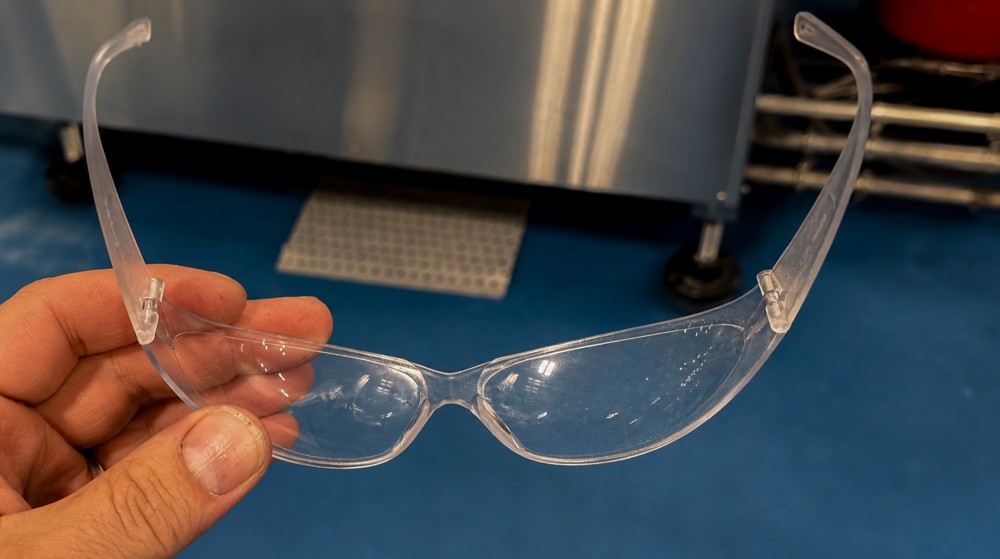
Why Do Safety Glasses Degrade from Improper Storage?
Many people might wonder: safety glasses have no motor and no battery, so how can improper storage cause them to deteriorate? The answer lies in the materials and the lens surface.
Most safety glasses lenses are made of polycarbonate, which is tough, lightweight, and highly impact-resistant. However, it still has vulnerabilities—such as scratches, dirt buildup, heat distortion, or chemical damage to the lens surface. Furthermore, if the glasses have special coatings such as anti-scratch, anti-fog, UV protection, or anti-reflective layers, these are extremely thin. Exposure to heat, humidity, improper wiping, or unsuitable chemicals can degrade them much faster than normal.
Simply put, safety glasses don't just deteriorate from getting "old," but from "careless use and storage"—whether placed face-down on a table, scratched by tools inside a box, wiped with a rough cloth, or left in a hot car. No matter how high-quality the glasses are, they can degrade quickly all the same.
What Are the Negative Effects of Storing Safety Glasses Incorrectly?
Storing safety glasses improperly doesn't just scratch the lenses; it also affects visibility, wearing comfort, and overall safety.
- Scratched lenses: Fine scratches or hairline marks may seem insignificant, but as they accumulate, light scatters across the lens, making the image less sharp. You have to strain your eyes more, leading to eye fatigue, headaches, or the temptation to take the glasses off—which is extremely dangerous while working.
- Cloudy and hazy lenses: Dust, sweat, oil, or chemical residues that aren't cleaned off after use will build up and become difficult to wash out. A hazy lens causes misjudgments in distance during work and increases the risk of accidents.
- Premature degradation of anti-fog coating: Storing glasses in humid places, wiping them with overly harsh cleaning solutions, or rubbing them with rough cloths will destroy the anti-fog coating. Once degraded, the lenses fog up more frequently, requiring repeated removal for wiping, which could cause you to miss critical moments on the job.
- Deformed frames and temples: Tossing them under a toolbox, stashing them with heavy equipment, or storing them without a pouch can bend the temples or deform the frame. This results in the glasses not fitting snugly against the face, leaving gaps where dust and debris can easily enter from the sides—even if the lenses are still in good shape.
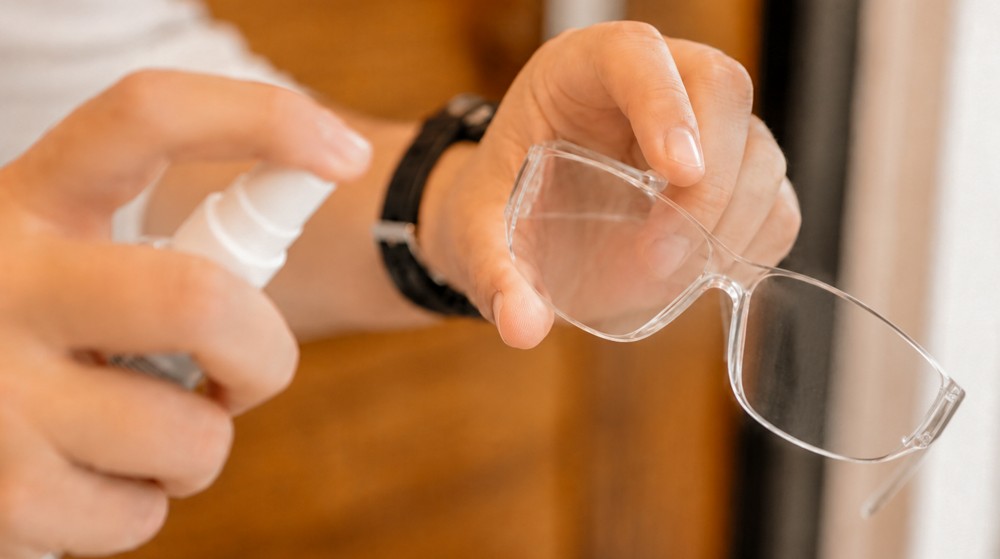
Examples of Improper Safety Glasses Storage That Many People Do Without Realizing It
- Placing lenses face down on a table: Workbenches often have dust, metal shavings, or grit. When lenses touch the table surface and are slid or picked up, scratches can easily occur. They should be placed resting on their temples or stored in a pouch immediately.
- Tossing them in a box with tools: Wrenches, pliers, drill bits, or cutting blades piled together can easily scratch lenses, even those with anti-scratch coatings. If you need to store them in a toolbox, keep them in a separate cloth pouch or hard case.
- Storing them in a very hot car: Accumulated heat in a car can warp frames, twist temples, harden nose pads, and quickly degrade lens coatings. If you must keep them in a car, place them in a sealed case and avoid direct sunlight.
- Storing while still dirty: Accumulated sweat, grease, and dust cause lenses to fog up and frames to deteriorate quickly. A deep wash isn't necessary every time; simply wiping off stains with a soft cloth before storing is enough.
- Wiping lenses with shirts or rough cloth: Shirt hems, rags, or tissues contain coarse fibers and trapped dust. Rubbing hard is like dragging sand grains directly across the lens. Blow off dust first, then gently wipe with a microfiber cloth.
- Hanging them where dust and sparks fly: Hanging glasses isn't wrong, but they should be hung in a clean, dry area away from sunlight and far from flying sparks or chemical mists.
How Dangerous Are Deteriorated Safety Glasses Lenses?
- Blurry vision, poor decisions: Drilling, cutting, grinding, or measuring all require precise vision. Foggy or heavily scratched lenses lead to misaligned positioning, unclear cut lines, or difficulty reading scales, increasing the risk of ruined work and accidents.
- Increased glare and light dispersion: Scratches on lenses cause light to scatter abnormally. Especially outdoors or under bright lights, you will experience glare, halos, and loss of focus while working.
- Removing glasses more often: Foggy or uncomfortable glasses make you want to take them off, which is extremely dangerous. Many accidents happen not from lack of safety glasses, but from "having them but not wearing them when they are needed most."
- Reduced lateral protection: Warped frames or bent temples prevent the glasses from fitting snugly against your face, leaving gaps where debris and dust can easily enter, especially in tasks with multi-directional flying particles like grinding or dust blowing.
How to Store Safety Glasses to Prevent Rapid Lens Deterioration
Clean before storing
If there is heavy dust, blow it off first, then rinse with clean water or mild soapy water, and wipe dry with a microfiber cloth. Avoid rubbing hard while dust is present, and never use thinner or concentrated alcohol, as they can damage the coating.
Always use a pouch or storage case
A pouch or case effectively protects against scratches and dust. If you need to carry them to a job site, use a hard case to protect against crushing. If you have multiple pairs, store them separately so the lenses do not rub against each other.
Store in a dry, well-ventilated place
After heavy use, place the glasses in a clean, well-ventilated spot until dry before putting them into a case to prevent damp odors and sticky residue buildup.
Avoid heat and direct sunlight
Do not leave glasses near heat sources or in direct sunlight, such as on a car dashboard or under a zinc roof, as this can warp the frames and quickly degrade lens coatings.
Keep separate from sharp tools and heavy objects
Never store safety glasses together with drill bits, cutting blades, or metal tools without a protective pouch, and avoid placing heavy objects on top of them, as this can bend the temples and deform the frame.
Inspect condition regularly
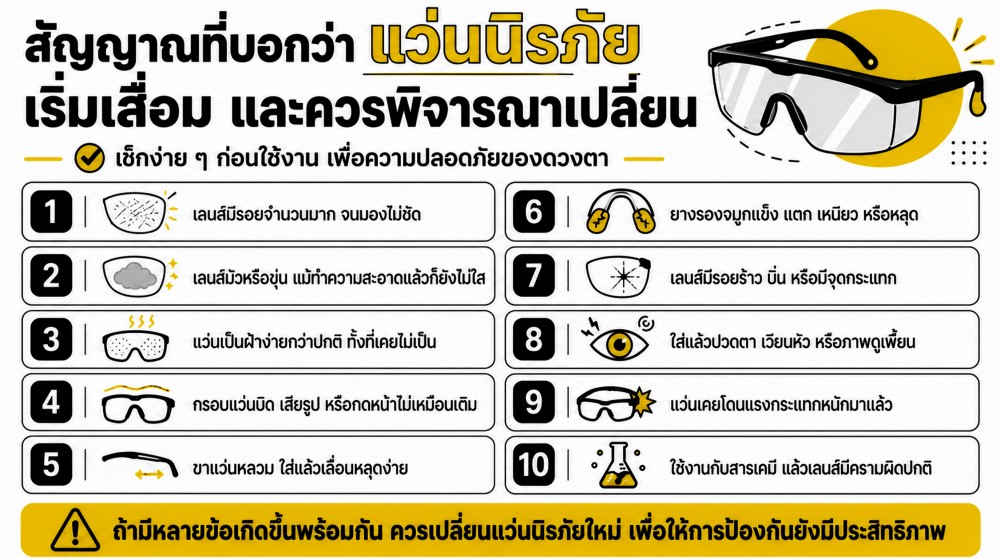
Before use, check whether the lenses are still clear, have excessive scratches, whether the temples are firm, and if the glasses still fit snugly against your face. If they show significant deterioration, replace them immediately.
Conclusion
Improper storage of safety glasses truly degrades lenses faster—whether placing lenses face down on a table, tossing them in with tools, keeping them in a hot car, wiping with rough cloths, or storing them while still dirty. The consequences are not just scratched or worn-looking lenses, but impaired visibility, easy fogging, deformed frames, and reduced eye protection performance. When they are uncomfortable to wear or blur vision, users often take them off, and that is precisely when danger strikes. Care is straightforward: simply wipe or rinse clean after use, let dry, store in a pouch or case, keep away from sharp tools, and avoid heat
Select Safety Glasses to suit the application