


 EN
 ไทย


Customers Also Purchased

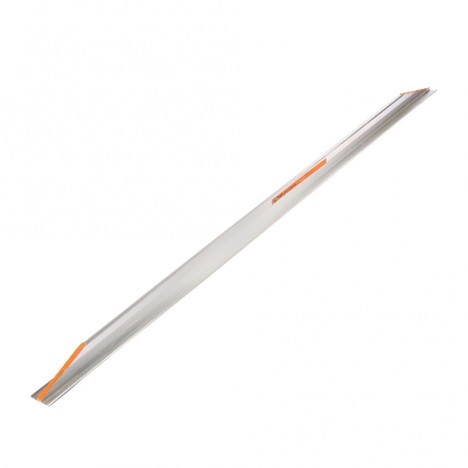
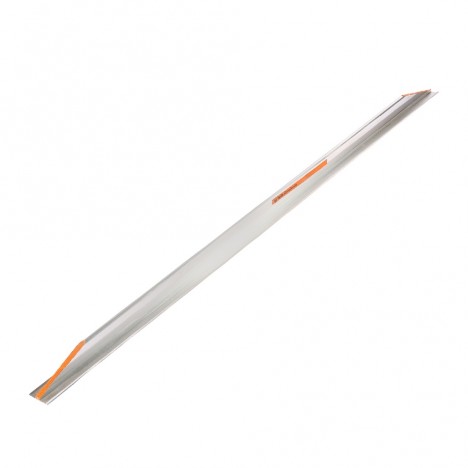
A classic dilemma for home improvement beginners: plastering a wall for the first time, what kind of trowel should you use? Pointing Trowels Which type is best? It might sound like a small detail, but in reality, standing in front of the store shelves can be overwhelming! There are so many types of trowels to choose from—plastering trowels, putty knives, finishing trowels—not to mention sizes (large, small), materials (stainless steel, carbon steel), and blade flexibility (soft or stiff), leaving you wondering which one to grab!
If you choose the wrong one, a project that should start off easily can turn into unnecessary exhaustion—wavy walls, uneven spreads, poor pressure control—making masonry feel overwhelmingly difficult. In truth, the problem often isn't your skill, but using the wrong tool right from the start. This article will help you understand the differences between each type of trowel, how size affects performance, and which types beginners should avoid so you can start your plastering project with confidence.
Why Choosing the Right Trowel Matters More for Beginners Than You Think
While wall plastering largely depends on technique, for beginners, the tools make a bigger difference than you might imagine. You're not yet used to the weight of the mortar, the rhythm of spreading, or controlling the trowel's angle. If you choose a trowel that is too large, too heavy, or has a blade that is too stiff, the work instantly becomes much harder to control.
A good trowel for beginners isn't one that creates a professional-smooth finish on the very first pass; it's one that gives you control, prevents mortar from slumping or scattering, avoids creating more waves on the surface, and doesn't require excessive effort.
Medium-sized trowels are easier to control than large ones. A blade that isn't overly stiff makes spreading smoother, and an ergonomic grip reduces wrist strain during repeated passes. Plastering isn't finished in a single stroke—it takes scooping, applying, spreading, pressing, and finishing across multiple steps.
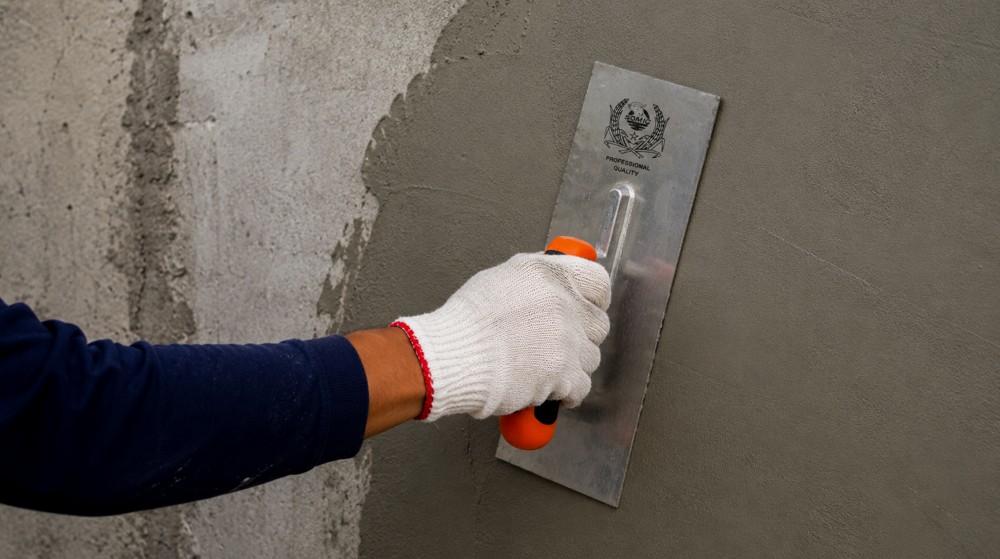
Before Choosing a Trowel, Know What Kind of Plastering Job You're Doing
Before picking a trowel, you need to understand the type of wall plastering you will be doing, as the term covers various jobs that require different trowels.
- Small repair jobs—such as nail holes, cracks, chips, or surface prep before painting—do not require a large trowel. A putty knife or small-to-medium trowel is easier to control and better suited for work requiring precision over volume.
- For actual wall plastering tasks, such as plastering over bare walls or repairing large areas, a putty knife is too small. You should use a medium-sized plastering trowel that allows for continuous strokes, reduces seams, and gets the job done faster.
Therefore, before buying, ask yourself: how large is the area, how thick or thin is the coat, and what level of detail is required? The answers to these questions will help you choose the right trowel for the job far better than just guessing.
A plastering trowel is the primary trowel for wall plastering work
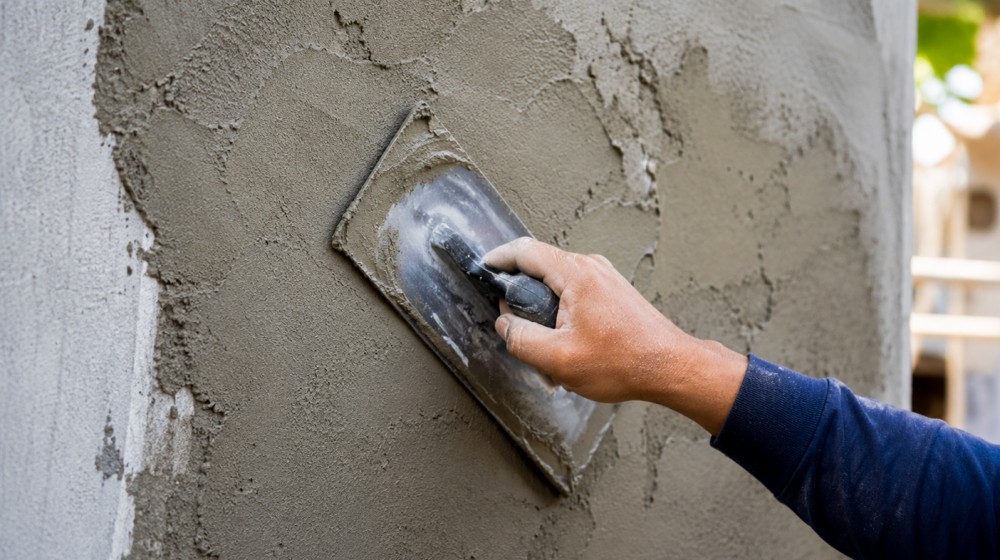
For serious wall plastering, the first trowel you should get to know is the plastering trowel. Featuring a flat metal plate—mostly made of steel or stainless steel—with a wider blade than a putty knife, it is used to spread, level, and smooth wall surfaces.
Its main advantage is the wide blade surface, which allows for smooth, continuous spreading, evenly distributes hand pressure, and produces a more uniform plaster finish than using smaller tools bit by bit. It is ideal for wall plastering, surface finishing, and moderately sized repair areas.
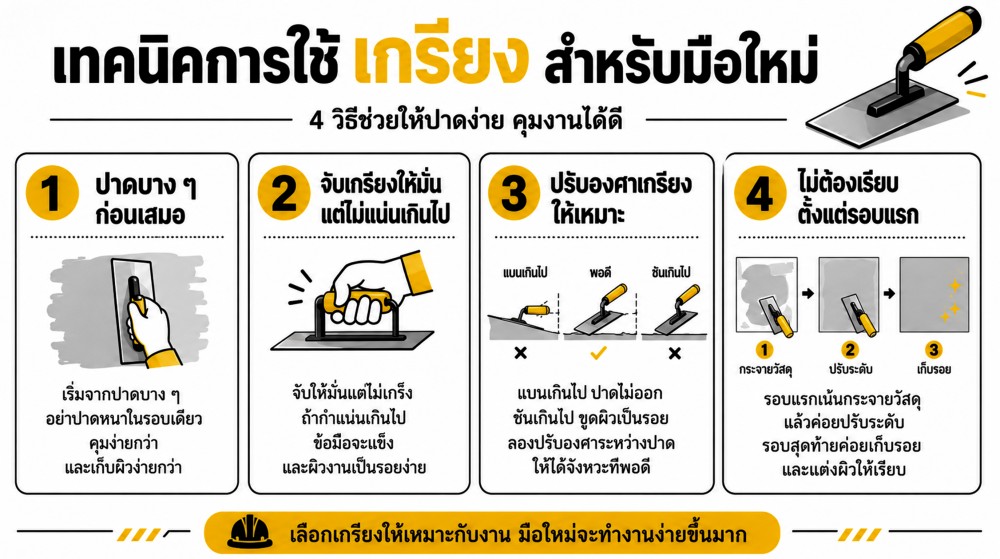
For beginners, you should not choose a trowel that is too large. The larger it is, the more effort it takes, and poor angle control will easily lead to uneven plaster thickness and visible blade edge marks on the wall. A medium-sized plastering trowel is best for starting out because it handles actual wall plastering effectively without feeling overly heavy, making it easier to practice your grip and control your pressure.
Stiff blade or flexible blade: which is easier to control?
Another aspect that many people overlook is blade stiffness, which significantly affects the feel when spreading. A stiff blade provides good pressing force, suitable for heavy plaster application; however, if you cannot control the pressure well, the blade edges can easily dig into the wall and leave marks. On the other hand, a blade with moderate flexibility spreads thin coats smoothly and is easier to control, but if it is too flexible, it cannot handle heavy plaster either.
For beginners, choose a middle-ground option: one that feels secure in hand when spreading, has a blade face that does not twist easily, and has edges that are not too sharp to drag lines across the wall.
The trowel handle is more important than you think
The handle is another factor beginners shouldn't overlook. Wall plastering requires significant wrist movement; if the grip is awkward, slippery, or ill-fitting for your hand size, you will fatigue quickly and find it difficult to regulate your downward pressure.
A good trowel for beginners should have a handle that fits your hand comfortably—neither too small nor too large—so you do not strain your grip. A rubber grip or a non-slip textured handle helps provide a firmer hold, especially when your hands are stained with plaster or wet.
Many people focus only on the blade surface, but in actual use, the handle makes a massive difference. An uncomfortable grip quickly leads to wrist fatigue, uneven strokes, and inconsistent hand pressure. Since wall plastering requires steady, continuous work, it pays to choose a trowel with a comfortable handle right from the start.
Plastering a wall yourself for the first time: which trowels should you have?
Beginners do not need to buy every type of trowel. Starting with this basic 3-piece set is plenty:
- Medium plastering trowel: for spreading on walls and leveling plaster over large areas
- Medium putty knife: for filling holes, touching up surfaces, and detail work
- Small putty knife: for scooping compound, getting into corners, or making small spot repairs
If the job is just repairing marks before painting, 2 sizes of putty knives are enough. But if you need to plaster a large area, you should also add a plastering trowel. As for finishing trowels, corner trowels, or other specialized trowels, buy them only when necessary, because for beginners, having too many tools causes more confusion than making the job easier.
How should you care for your trowel after use?
After use, you should clean the trowel immediately. Do not let mortar dry on the trowel face, as hardened mortar is difficult to scrape off and can scratch the blade. If the trowel surface is not smooth, subsequent plastering work will likely end up with streaks or scratches as well. After washing, wipe it dry—especially carbon steel trowels, which rust more easily. Do not toss the trowel together with heavy tools, as the blade can bend or the edges can chip. If a deformed trowel is used for plastering, it may inadvertently leave marks on the wall surface.
Taking care of a trowel might seem like a small detail, but for wall plastering, a clean and flat trowel greatly affects work quality. Especially for beginners who haven't fully mastered the technique yet, using a trowel in good condition will eliminate a lot of unnecessary problems.
Conclusion
For beginners plastering walls for the first time, the most suitable set is a medium-sized plastering trowel paired with a medium or small putty knife. This covers spreading plaster across the wall, surface repairs, and detailing without being too large to control or too small, which slows down the work.
If the job is just patching cracks before painting, a putty knife is sufficient. But if you need to plaster a wide area, you should also have a plastering trowel. Finishing trowels or other specialized trowels are not yet necessary for getting started.
The most important thing is not to choose based solely on size or price, but to select based on the job requirements and how comfortable it feels in your hand. The best trowel for a beginner isn't the one that looks the most professional, but the one that makes mortar easy to control, doesn't exhaust your arm when spreading, and helps your first project turn out as best as possible.