


 EN
 ไทย


Customers Also Purchased
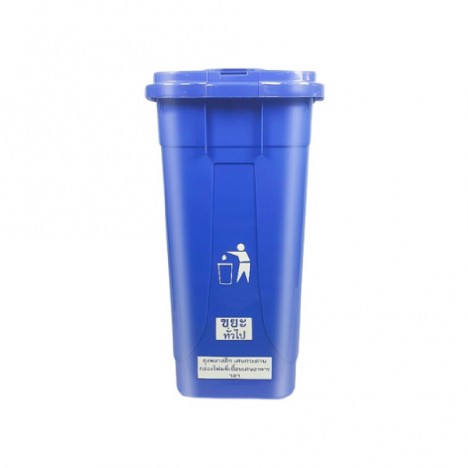
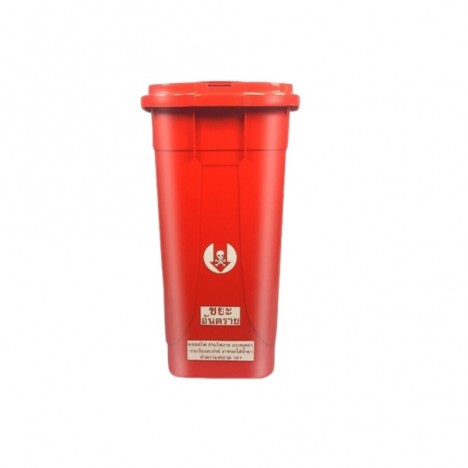
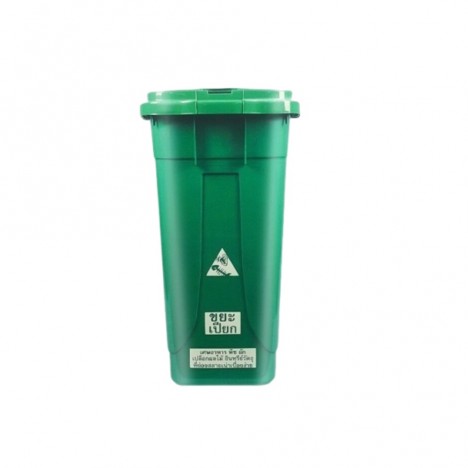
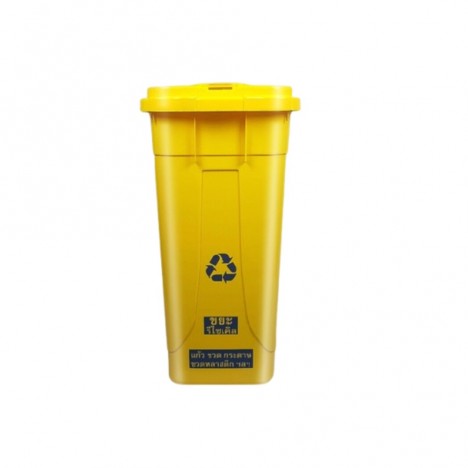
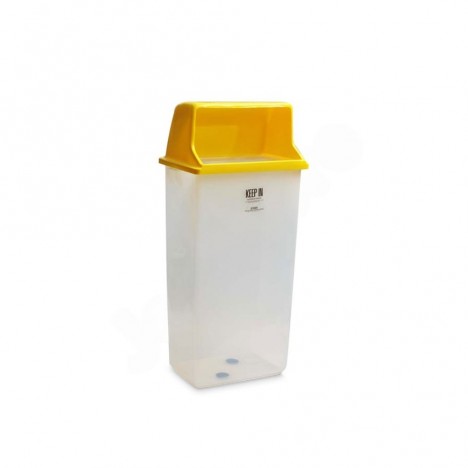
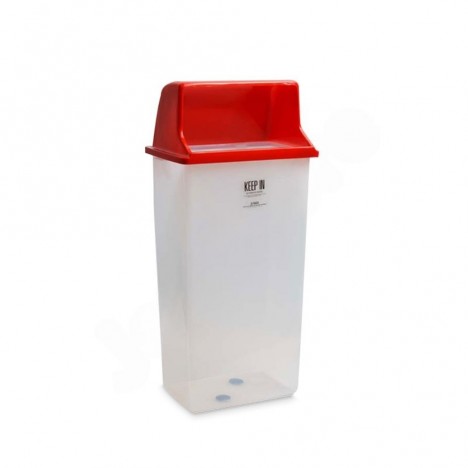
Waste sorting is something many people hear about often, but when it comes to actual disposal, many households, offices, or even stores may still be confused about what constitutes wet waste versus dry waste, and how necessary it really is to separate them before disposal.
In reality, waste sorting is not as complicated as it seems. The simplest starting point is separating "wet waste" from "dry waste," as these two categories have different characteristics and handling methods. Mixing them can cause subsequent issues such as foul odors, leachate leakage, pests, or turning recyclable waste into contaminated waste.
Having Recycling Bins is therefore not just about placing multiple bins to look neat, but it is an essential aid that makes daily waste disposal easier, more accurate, and helps reduce waste problems right at the source more effectively than many people realize.
What is wet waste?
Wet waste is waste with high moisture content that decomposes easily, typically consisting of food scraps or culinary leftovers. This type of waste is commonly generated in homes, restaurants, cafeterias, break areas, or office kitchen zones.
Examples of wet waste include rice leftovers, vegetable scraps, fruit peels, fish bones, animal bones, leftover food, coffee grounds, or used tea bags. If left for long periods, these wastes begin to rot, producing unpleasant odors, trash leachate, and potentially attracting flies, ants, rats, or other pests.
Bins used for wet waste should therefore feature tightly sealed lids, be easy to clean, and use bin liners to help reduce direct contact with the bin itself. In areas with high volumes of wet waste, such as restaurants, cafeterias, or multi-staff office buildings, choosing appropriately sized and easily movable sorting bins facilitates collection and subsequent management.
What is dry waste?
Dry waste is waste without significant moisture that does not rot easily, and portions of it can be reused or sent for recycling if not contaminated with food scraps, oils, or various liquids.
Examples of dry waste include cardboard, plastic bottles, glass bottles, beverage cans, clean plastic bags, parcel boxes, scrap paper, or packaging free from food residues. If properly separated, this waste is easier to sort and increases opportunities for reuse and recycling.
A key precaution is that certain dry waste can instantly become contaminated if disposed of together with wet waste, such as cardboard stained with food scraps, plastic bottles with sugary beverage residue, or paper soaked with trash leachate. Once contaminated, they are difficult to clean and may no longer be suitable for recycling.
What is the difference between wet and dry waste bins?
The difference between wet waste bins and dry waste bins is not just in the name, but also in how they are practically used.
Wet waste bins should focus on being tightly sealed, odor-resistant, leak-proof, and easy to clean, because this type of waste has high moisture content and decomposes quickly. The bins used should have reasonably tight-fitting lids or be pedal-operated to minimize direct contact, especially in kitchen areas, restaurants, or cafeterias.
Dry waste bins, on the other hand, emphasize convenience in disposal and sorting, such as bins for plastic bottles, paper, cans, or recyclables. These bins may feature open tops, swing lids, or dedicated slot openings tailored to each waste type to help users dispose of items into the correct categories.
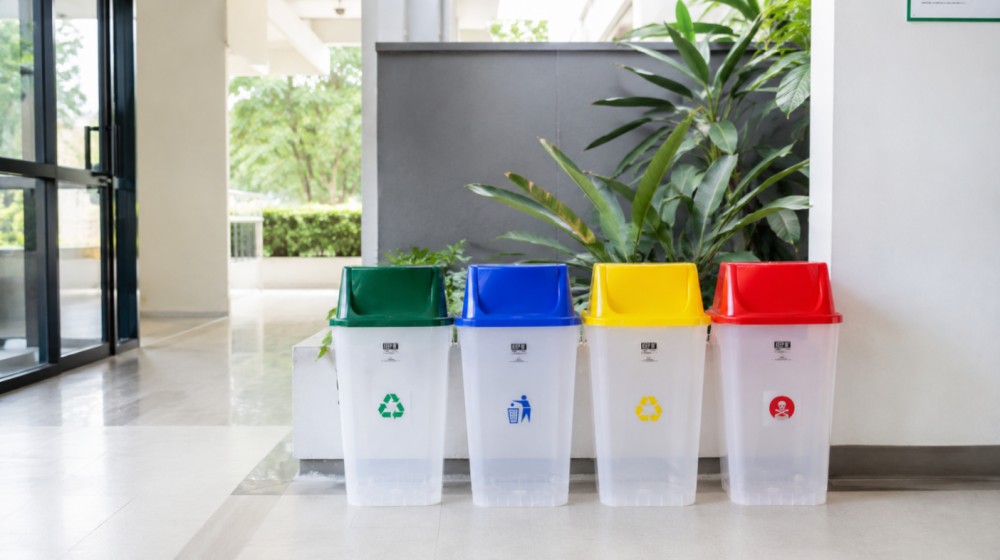
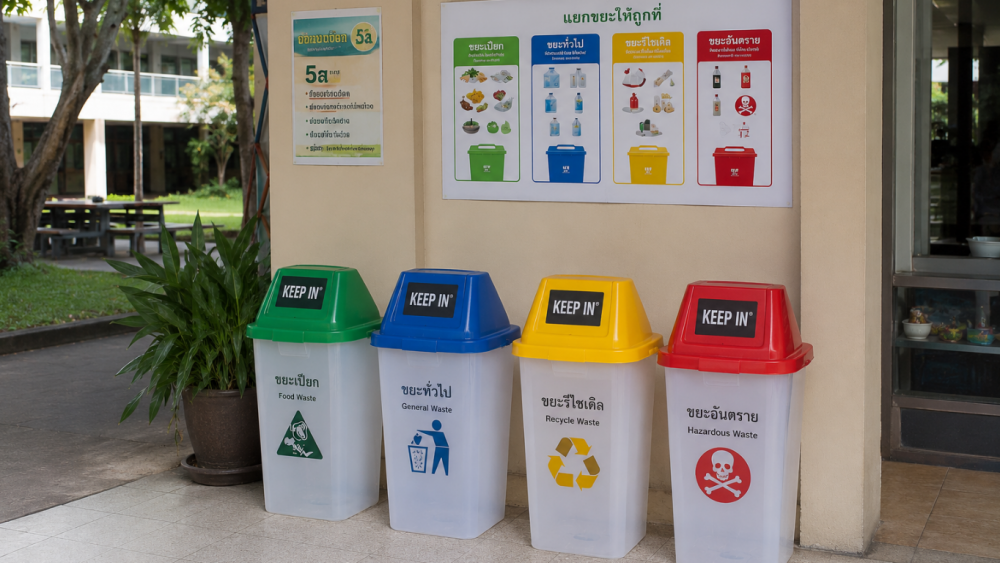
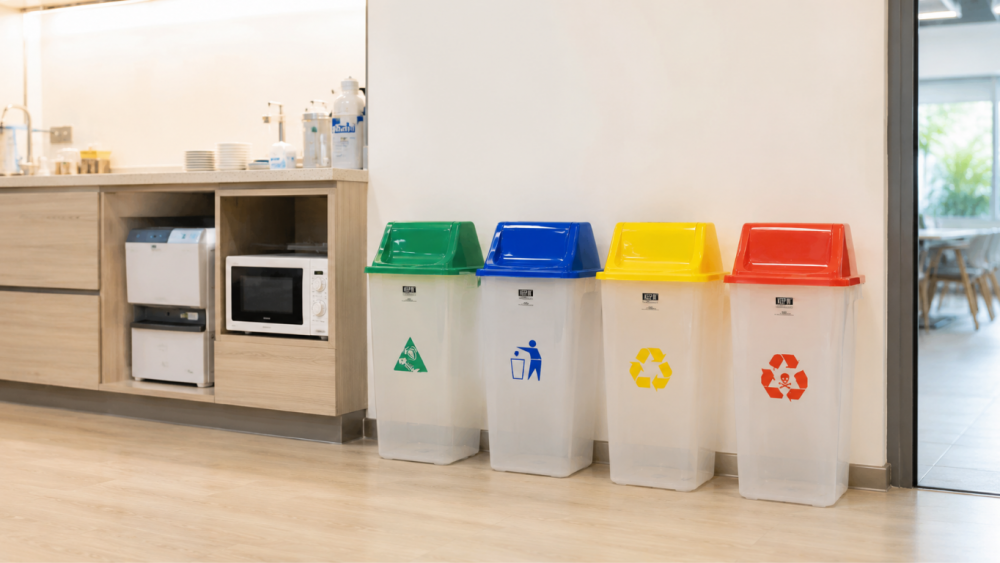
In many areas, color-coded waste sorting bins with clear labels or symbols are commonly used to reduce confusion—such as bins for wet waste, dry waste, recyclables, and hazardous waste. Clear sorting right at the disposal point makes subsequent handling processes much easier.
Why should you separate wet and dry waste before disposal?
A key reason to separate wet and dry waste is to minimize contamination. When food scraps, leachate, or liquids spill onto dry waste, materials that could have been recycled can immediately lose their quality.
An easy example is plastic bottles or cardboard boxes thrown together with food scraps; once stained with grease or odor, they may be rejected from the recycling process and end up as general waste destined for disposal, even though they could have originally been repurposed.
In addition, separating wet waste from dry waste reduces odors, leachate, and insects, keeping the disposal area cleaner. This is especially true in office buildings, condominiums, schools, restaurants, or factories that generate large daily volumes of waste. Without initial sorting, waste areas can quickly become dirty, emit unpleasant odors, and be harder to maintain.
Simply put, sorting waste at the source makes the job easier for disposers, collectors, and waste managers alike. It is not just about the environment, but also about cleanliness, hygiene, and the overall image of the facility.
How do sorting bins make waste separation easier?
Many people understand the principles of waste sorting, but still dispose of trash incorrectly due to unclear bins, missing labels, or an insufficient number of bins for the actual waste types generated. Using sorting bins solves this problem effectively by making it immediately obvious where each item should go.
Good sorting bins should feature elements that facilitate ease of use, such as distinct color coding, easy-to-read labels, descriptive text or pictograms indicating waste types, and placement in convenient locations that are not too far from where waste is generated.
For example, kitchen zones or dining areas should have wet waste bins close to food scrap disposal points, whereas office desks, printing stations, or meeting rooms might focus more on bins for paper, water bottles, or recyclables, as these are the waste types most frequently generated there.
In common areas shared by many users—such as offices, schools, shopping malls, or factories—using multi-bin sorting stations helps the overall space look organized and encourages waste-sorting habits much more effectively than a single bin for everything.
What to consider when choosing wet and dry waste bins
When selecting trash bins, you should not look only at size or price; you should also ensure they suit the waste type and the space, since wet and dry waste have different characteristics.
For wet waste, choose bins with tight-fitting lids, effective odor control, leak-proof designs, easy-to-clean surfaces, and a size suited to daily waste volume. In areas with high amounts of food scraps, opt for sturdy, easy-to-move bins for effortless emptying and cleaning.
For dry waste, choose bins that facilitate easy sorting, such as those with dedicated openings, clear labels, or color coding by waste type. If used in office buildings, schools, or public spaces, select designs that look neat, are durable, and can accommodate high-frequency use by multiple people.
Additionally, consider bin placement: even with a full set of sorting bins, placing them too far away or in inconvenient spots may lead users to revert to throwing everything into one bin.
Simple Examples of Everyday Waste Sorting
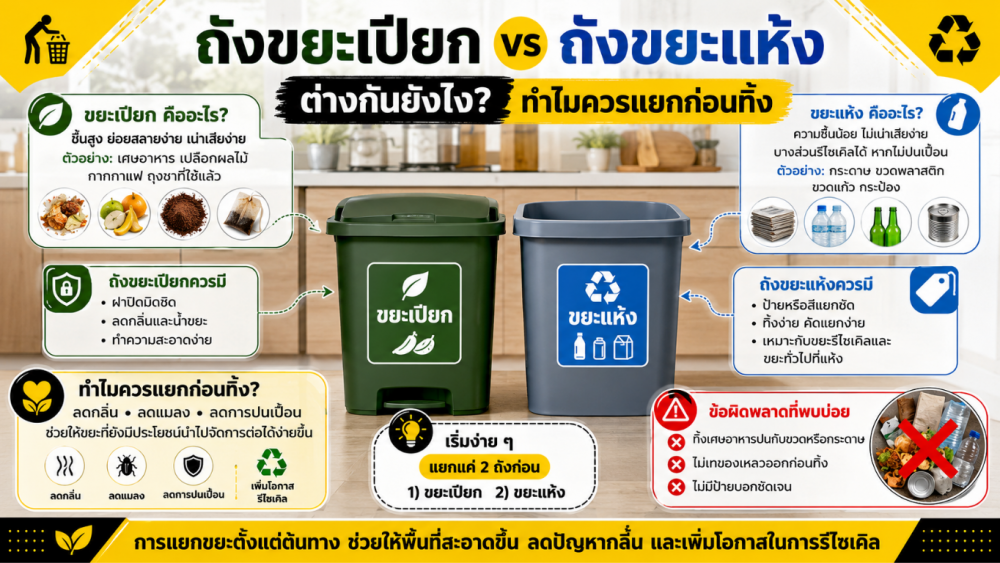
For homes or offices that are just starting to sort waste, there is no need to start with multiple bins right away. You can begin by separating into 2 categories: wet waste and dry waste.
For wet waste, separate food scraps, fruit peels, coffee grounds, or perishable items into a bin with a lid. For dry waste, separate plastic bottles, paper, cans, or clean packaging into another bin. If you have more space, you can gradually add bins for recyclable waste, general waste, or hazardous waste as appropriate.
The important thing is to make waste sorting as easy as possible, such as placing bins near points of use, labeling them clearly, and communicating with household members or colleagues so everyone understands which type of waste goes into which bin.
Common Mistakes in Waste Sorting
A common problem is throwing wet waste into the dry waste bin, such as dumping food scraps into a bin mixed with water bottles or paper, causing other waste to get stained and start smelling. Another issue is throwing away bottles or food containers without emptying liquids or food scraps first, which quickly makes the dry waste bin dirty and smelly.
Another issue is having sorted bins without clear labels, causing users to make mistakes or feel unsure about which bin to use, ultimately leading them to mix waste together as before. Therefore, besides choosing the right bins, using clear, easy-to-understand signs, symbols, or short text is equally important.
Sorting Bins: A Small Starting Point That Makes Waste Management Easier
Separating wet and dry waste is an essential foundation of good waste management, as it helps reduce odors, dirtiness, and contamination, making reusable or recyclable waste easier to process further.
Wet waste bins should be used for perishable waste such as food scraps and fruit peels, while dry waste bins are suitable for non-wet, non-perishable waste, some of which can be recycled. Sorting properly at the source keeps your spaces cleaner and significantly reduces the burden on downstream waste management.
For homes, offices, schools, restaurants, or common areas, choosing Recycling Bins that are suitable for the waste type and space characteristics is something that deserves attention. A good trash bin does not merely hold waste; it also promotes proper disposal habits and makes daily cleaning noticeably easier.