


 EN
 ไทย


Customers Also Purchased


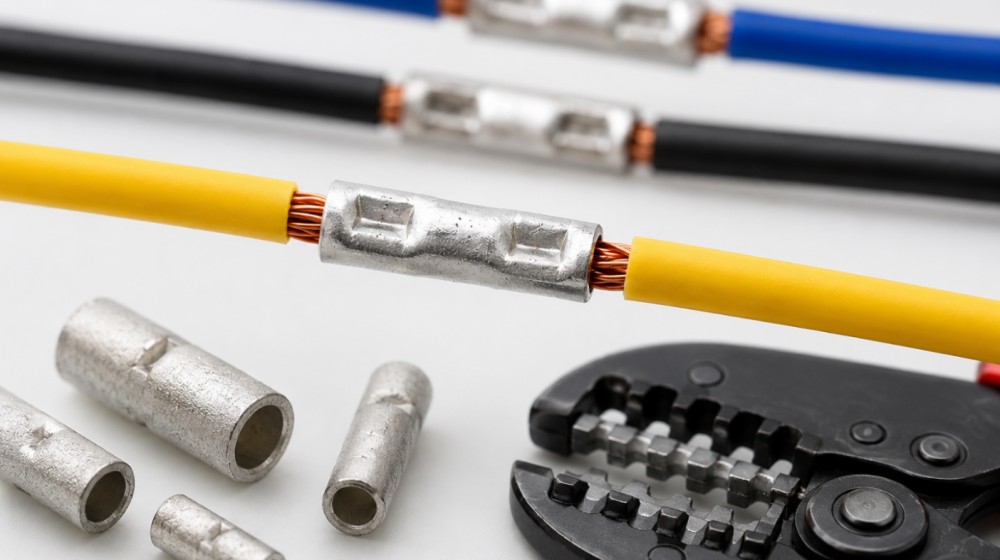
Wire connections are small parts that many might overlook, but in electrical work, these joints are critical because they are where electric current flows from one wire to another. If a connection is not secure, uses unsuitable equipment, or cannot adequately handle the electrical load, heat can build up.
Often, the problem of overheating wire connections is not solely caused by damaged wiring; it may also stem from poor contact, loose connections, unrated terminals, wire sizes that do not match the load, or incorrect splicing methods—including the use of wire crimp sleeves or crimp connectors unsuitable for the job.
Electrical connector slip These are accessories used for certain wire-splicing jobs. They help make connections tight and neat when sized correctly for the wire, crimped with the right type of crimping tool, and properly insulated after crimping. However, if the wrong size is chosen, crimped too loosely, used with the wrong tool, or used for an application beyond the component's rating, what should be a secure joint can become a hazard, causing the wire to overheat, loosen, or lead to subsequent issues.
What causes hot wire connections?
Generally, an abnormally hot electrical connection point is often related to problems of "poor contact" or "increased contact resistance." When wires, terminals, or connectors do not make full contact, electrical current cannot flow smoothly, causing the connection area to generate more heat than usual.
There are many causes of hot electrical connections, such as loose wiring, inadequately tightened terminals, twisting wires and taping them without proper fastening devices, using the wrong type of terminal, using undersized wires, electrical loads exceeding the wire or terminal capacity, and incorrectly using wire splice sleeves.
The heat generated may start as a slight warmth, but if left unattended for a long time, it can cause the wire insulation to harden, become brittle, discolor, melt, produce a burning smell, or in some cases cause sparks and damage to the electrical system. This is especially true for connections with high current, continuous use, or in enclosed spaces with poor heat dissipation.
Can using wire splice sleeves incorrectly cause connection points to overheat?
The answer is: it can contribute, but it is not always the sole cause.
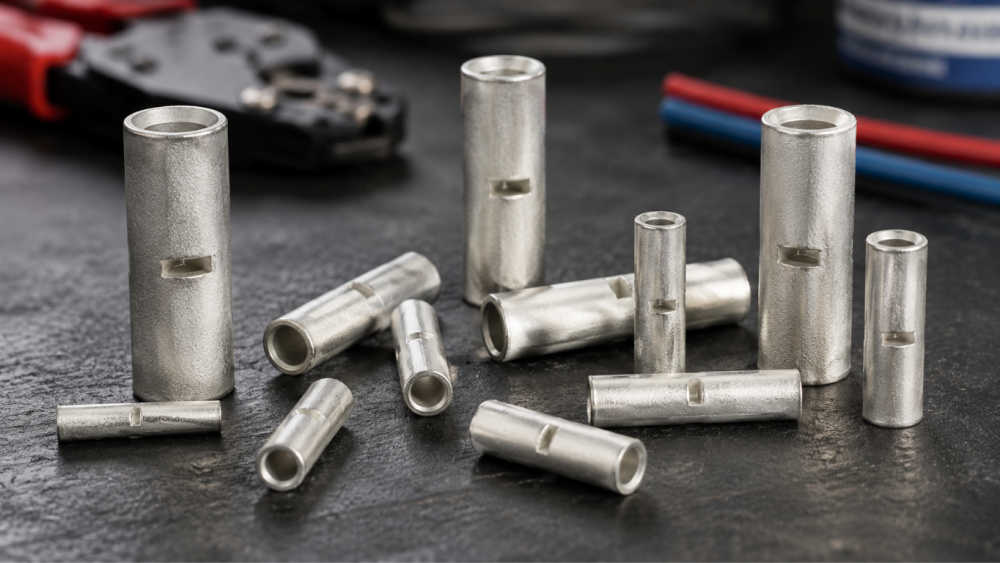
Wire splice sleeves, or crimp connectors, serve to join electrical wires using compressive force from a crimping tool to clamp the sleeve onto the electrical conductors. If the right equipment is chosen and crimped properly, the connection will be tight, effectively reducing the chances of loose wires.
However, improper use—such as selecting a sleeve size that does not match the wire, using an unsuitable crimping tool, not applying full crimping force, not inserting the wire completely, or using it for applications outside the device's ratings—can result in an insufficiently tight connection. This leads to incomplete contact between the wire and the sleeve, increasing the chance of heat buildup when current flows through.
A common example is choosing an oversized splice sleeve. When crimped, the sleeve may not compress the wire tightly enough; it might look crimped from the outside, but inside there are still gaps or the wire can still move, resulting in poor contact.
Conversely, choosing an undersized sleeve may prevent the wire from being fully inserted, or too many wires may be jammed into a sleeve beyond its capacity. Some strands may not be crimped with equal pressure, making the connection unstable and prone to problems in actual use.
Causes of connections still overheating after crimping with sleeves
Even when using wire splice sleeves, if the wrong components are chosen or incorrect procedures are followed, the connection can still overheat. Here are several causes to watch out for:
Selecting a sleeve size that does not match the wire size
A wire splice sleeve should match the size of the wire being used—neither too loose nor so tight that the wire cannot be fully inserted. If the size does not fit, crimping may not compress the electrical conductor tightly enough.
When connecting more than one wire, you should consider the total cross-sectional area of the wires rather than just the number of strands, as different wire sizes have different conductor areas. If the combined wires exceed the sleeve's capacity, the crimp may not be uniformly tight, preventing full contact for some strands.
Using a crimping tool unsuitable for the sleeve
There are many types of crimping tools, each suitable for different terminals or sleeves. Using the wrong tool for the job—such as using combination pliers instead of a proper crimper, or using the wrong die groove for the sleeve size—can cause uneven crimping pressure.
As a result, it may appear crimped from the outside, but the conductors inside may remain loose. In actual use, the connection is more likely to overheat than usual because the current flows through an imperfect contact area.
Improper wire stripping length
The stripped insulation length should match the sleeve size. Stripping too short may prevent the conductor from fully entering the sleeve, resulting in insufficient contact area. Stripping too long, however, leaves excessive copper exposed outside the connection, risking contact with other components.
Another issue to watch out for is stripping too forcefully, which can sever some copper strands. Reducing the conductor's cross-sectional area impairs its ability to carry current effectively, making heat generation much more likely.
Failing to insert the wire all the way before crimping
Before crimping a wire splice sleeve, make sure the wire is inserted to the proper depth. If the wire is only partially inserted, the sleeve may not fully grip the wire along its length once crimped, resulting in insufficient holding force.
This issue often occurs when work is rushed or done in tight spaces where the connection point is hard to see clearly. After some time in use, the wire may shift, become loose, or create poor contact.
Crimping in the wrong position or with insufficient force
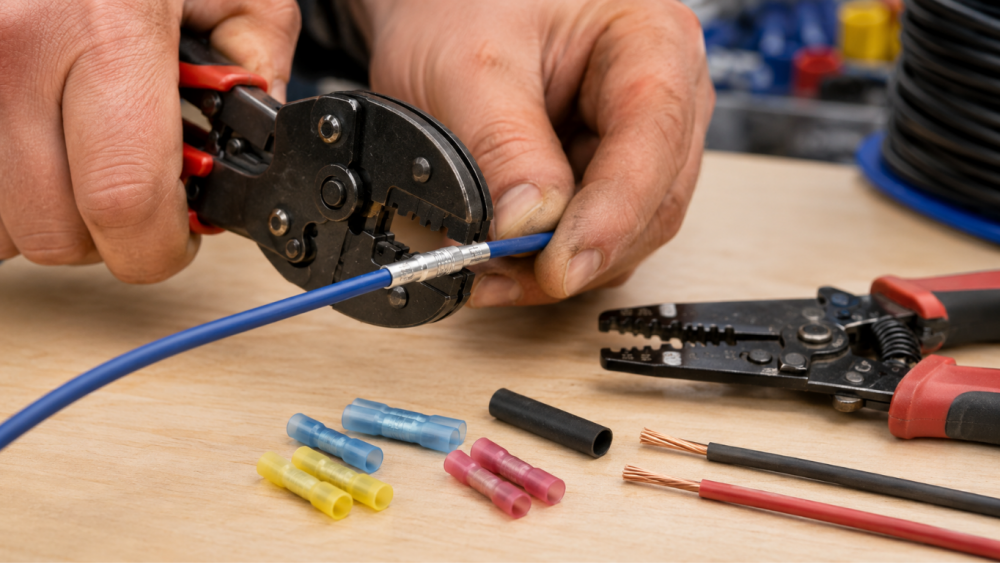
The crimp should be positioned in the proper area of the sleeve—not too close to the edge, not slanted, and not crimped so hard that the sleeve deforms abnormally. If not crimped with full force, the sleeve may not compress the wire tightly enough.
After crimping, you can perform an initial check by gently pulling the wire to ensure it does not easily slip out. However, a gentle pull is only a preliminary check. For high-standard applications, industrial work, or jobs with specific requirements, inspect according to manufacturer recommendations or relevant installation standards.
Using splice sleeves for inappropriate applications
Wire splice sleeves are not suitable for every type of job. Certain applications may call for wire connectors, terminal blocks, cable lugs, or other splicing devices that are better suited—especially for building electrical installations, control panels, high-current circuits, or connections requiring compliance with specific installation standards.
Before choosing a wire splice sleeve, check the manufacturer's specifications to see what wire sizes and types it supports, how many wires it accommodates, whether it is suitable for copper or aluminum wire, and if its voltage and current ratings fit the application. Do not choose a sleeve simply because the wire fits inside.
How dangerous is an overheating wire connection?
An abnormally hot wire connection should never be overlooked, as heat is often a sign of poor electrical conductivity. Left unchecked, it can degrade wire insulation, make wires brittle, burn the connection, cause equipment malfunction, or damage the electrical system.
In some cases, a loose connection can cause small sparks at the contact point, particularly in high-load applications, environments with vibration, or frequent switching cycles—such as machinery, automotive applications, motors, or electrical systems in continuous operation over long periods.
If you notice that a wire connection is unusually hot, has a burning smell, shows discolored insulation or black marks, or the wire has become stiff and brittle, stop using it and inspect it immediately. Do not attempt to fix it simply by wrapping more electrical tape, as tape only covers the exterior insulation and cannot resolve the root cause of a loose connection or poor internal contact.
How to use wire splice sleeves for tighter, more secure connections
Achieving good results with wire splice sleeves requires attention to detail from selecting the component and preparing the wire to crimping—not just inserting the wire and squeezing it shut. Here are key points to keep in mind:
- Select a splice sleeve suitable for the size and number of wires to be joined.
- Check ratings and manufacturer recommendations before use.
- Use crimping pliers that match the type and size of the sleeve.
- Strip the wire insulation to the correct length.
- Be careful not to nick or cut copper strands while stripping the wire.
- Insert the wire fully into the sleeve before crimping
- Crimp at the correct position and apply sufficient force
- Perform an initial check on tightness after crimping
- Insulate the joint area properly after crimping is complete
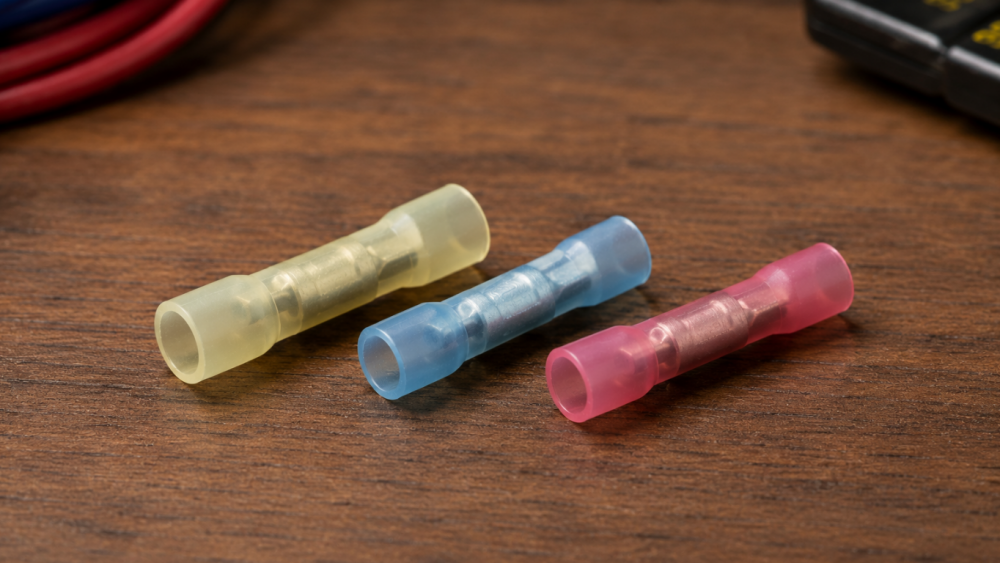
For work requiring a neat finish, heat shrink tubing can be used to cover the connection area after crimping. This helps prevent contact with other components, reduces moisture at the joint, and makes the job look tidier.
However, insulation is only external protection and cannot compensate for an improper crimp. If the connection is loose from the start, no matter how well it is insulated, internal heat buildup can still occur.
Do wire connector sleeves need additional insulation?
If non-insulated wire sleeves are used, the bare metal should not be left exposed after crimping, as it may come into contact with other wires, metal frames, or adjacent equipment.
Common materials used for insulating joints include electrical tape and heat shrink tubing. Heat shrink tubing generally provides a neater and tighter fit, while electrical tape is suitable for general repair work, provided it completely covers all metal areas and is appropriately rated for electrical applications.
For applications in damp environments, areas with vibration, or where tension may occur, select the insulation method and splicing connectors suited to the operating conditions, rather than considering only external appearance.
When should a wire connection be redone?
If you notice abnormalities at a wire connection, such as being significantly hotter than other areas, loose wires that move when pulled, a burning smell, discolored insulation, or black scorch marks on the sleeve, cut off the old joint and redo it. Do not continue using it.
Always disconnect the power source before performing repairs. Then inspect the wire condition, select the proper connector for the application, recrimp using the correct crimping tool, and properly insulate the joint.
For building electrical installations, main distribution panels, consumer units, control panels, or high-current systems, do not attempt repairs without proper expertise; consult a qualified electrician. Choosing the wrong connector type can cause heat buildup even if it appears securely fastened from the outside.
Properly using wire connector sleeves helps reduce hot wire connection issues
Hot wire connections are not caused solely by the connector sleeves; multiple factors can contribute, such as loose joints, poor contact surfaces, electrical overload, incorrect wire sizing, or choosing the wrong connectors for the specific application.
However, improper use of wire connector sleeves—such as selecting the wrong size, crimping insufficiently, using the wrong crimper, not inserting wires fully, or using them outside equipment ratings—can also result in loose connections and heat buildup.
Therefore, using Electrical connector slip should be properly matched to the wire size, wire type, and application requirements. Use the correct crimping pliers, inspect tightness after crimping, and ensure proper insulation every time. A good wire joint is not just about making the circuit work; it must be secure, properly rated for the wire gauge and load, and correctly insulated to reduce long-term operational risks.