


 EN
 ไทย


Customers Also Purchased
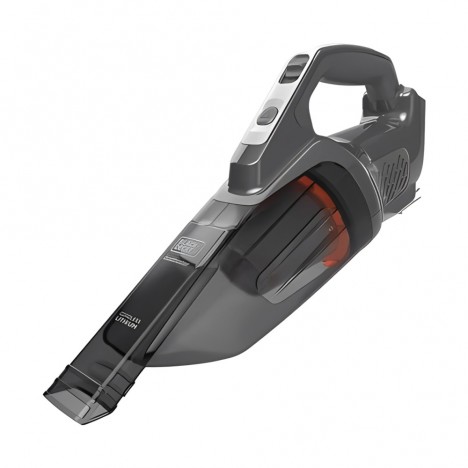
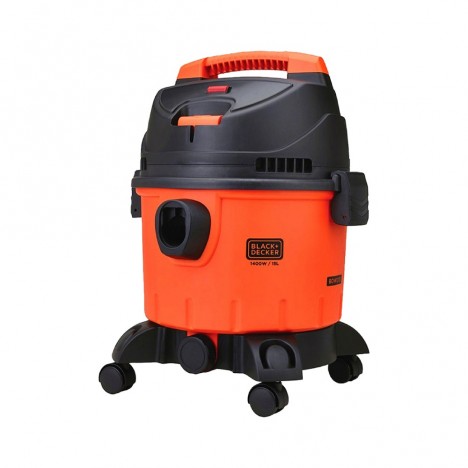
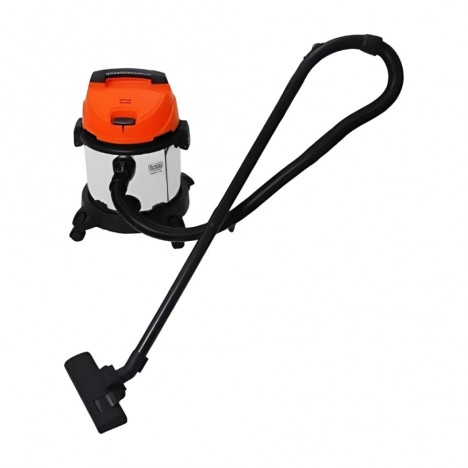


Vacuum CleanersThis is a cleaning device familiar to many households, shops, offices, and commercial establishments because it makes picking up dust, hair, powder, or small debris from floors easier and faster. However, when it comes to "wet and dry vacuum cleaners," many may wonder how they differ from standard vacuums, whether they are really necessary, and how effectively they can vacuum liquids.
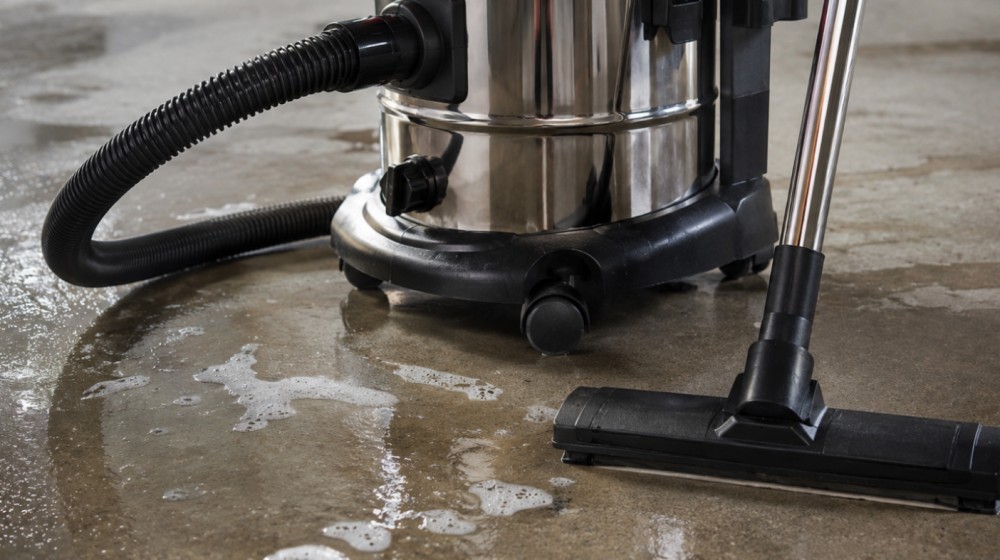
A common misconception is that regular vacuums can also be used to vacuum water, assuming that just turning the machine on and sucking in liquid should be enough. In reality, just because a machine can suck in water does not mean it is designed to handle liquids. Using a regular vacuum to suck up water when it does not support it can damage the filter, cause musty odors, build up moisture, damage the motor, or pose serious electrical hazards.
This is precisely why wet and dry vacuum cleaners are specially designed for tasks requiring the handling of both dry dust, powder, dirt, sand, and certain types of liquids, such as spills on the floor or wet stains from daily activities. They are suitable for spaces requiring heavier cleaning than typical home vacuuming, such as shops, garages, car care centers, auto repair shops, warehouses, factories, or post-construction/renovation areas.
This article will guide you through understanding what a wet and dry vacuum cleaner is, how it differs from a regular vacuum, whether it can truly vacuum liquids, and what to consider before purchasing one, so you can select a machine that best fits your work requirements.
What is a wet and dry vacuum cleaner?
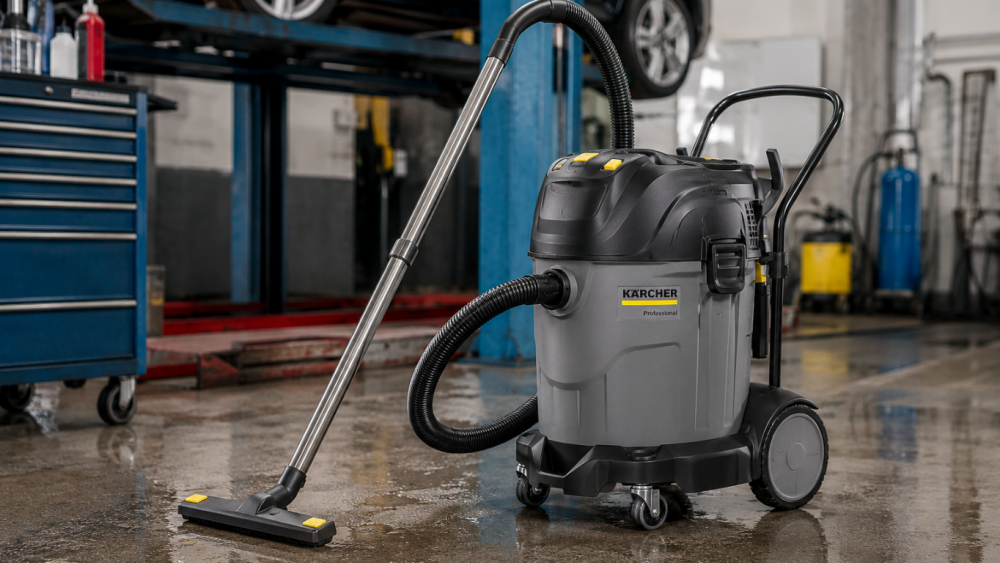
A wet and dry vacuum cleaner is a vacuum designed to handle both dry dust collection and certain types of liquid suction. The machine typically features a larger dust or waste collection tank than a standard household vacuum, along with internal systems that are far better suited for wet applications than conventional vacuums.
When used for dry jobs, the machine functions like a standard vacuum, sucking dust, hair, powder, sand, dirt, or small debris into the collection tank. However, when used for wet tasks, such as cleaning spilled water on the floor or certain wet stains, users must operate it according to the specific model's instructions. Different wet and dry vacuum models may require different setups: some need the dry dust filter removed first, some require installing a foam filter for wet use, and some feature a float system or an automatic shut-off mechanism when the liquid level in the tank reaches a certain point.
Therefore, a wet and dry vacuum cleaner does not mean it can "vacuum absolutely anything," but rather that it is designed to handle both dry and wet tasks under the correct operating guidelines for each specific model.
How does a regular vacuum differ from a wet and dry vacuum cleaner?
Most standard vacuum cleaners are primarily designed for dry dust, such as household dust, hair, pet fur, snack crumbs, dirt on floors, carpets, sofas, or general dry areas. Their highlights are ease of use, compact size, lightweight build, and suitability for daily cleaning.
However, wet and dry vacuum cleaners are designed to handle a wider variety of tasks, especially in areas with a mix of dust, debris, and liquids. The machines typically feature a larger tank capacity, more robust construction, various nozzles and accessories for multiple types of applications, and a system that supports safe liquid suction far better than standard vacuum cleaners.
The most significant difference is not just about "higher suction power" or "a larger tank," but rather the internal design. Standard vacuum cleaners are not engineered to allow liquids to pass through their systems, whereas wet and dry vacuum cleaners are designed to handle liquids under appropriate conditions.
To put it simply, standard vacuum cleaners are suitable for dry, light-to-moderate household chores, while wet and dry vacuum cleaners are ideal for heavier-duty cleaning areas such as garages, shops, car detailing centers, auto repair shops, warehouses, factories, or areas prone to frequent dust and liquid spills.
Can a standard vacuum cleaner be used to vacuum water?
The answer is no, you should not do so unless that specific vacuum cleaner model clearly states that it can vacuum water or liquids.
A standard vacuum cleaner may seem capable of vacuuming water because it provides suction, but being able to suck it in does not mean the machine is designed for that use. Inhaled water can wet the filter, cause dust to clump, create musty odors in the suction hose, soil the collection bin, or cause moisture buildup inside the unit. In more severe cases, water can reach electrical components or the motor, causing machine damage or posing safety risks—especially with standard household vacuum cleaners that are not directly engineered for liquids.
Some people might have done this without encountering immediate problems, but that does not mean it is correct practice. Certain damages can accumulate over time, such as persistent musty odors, rapid filter deterioration, reduced suction power, or subsequent motor failure. For small water spills at home when only a standard vacuum cleaner is available, it is best to use a cloth, mop, or squeegee instead. However, if the area frequently encounters water, wet debris, or liquid stains, a wet and dry vacuum cleaner is a much better choice because it is specifically designed for such tasks.
Can a wet and dry vacuum cleaner really be used to vacuum water?
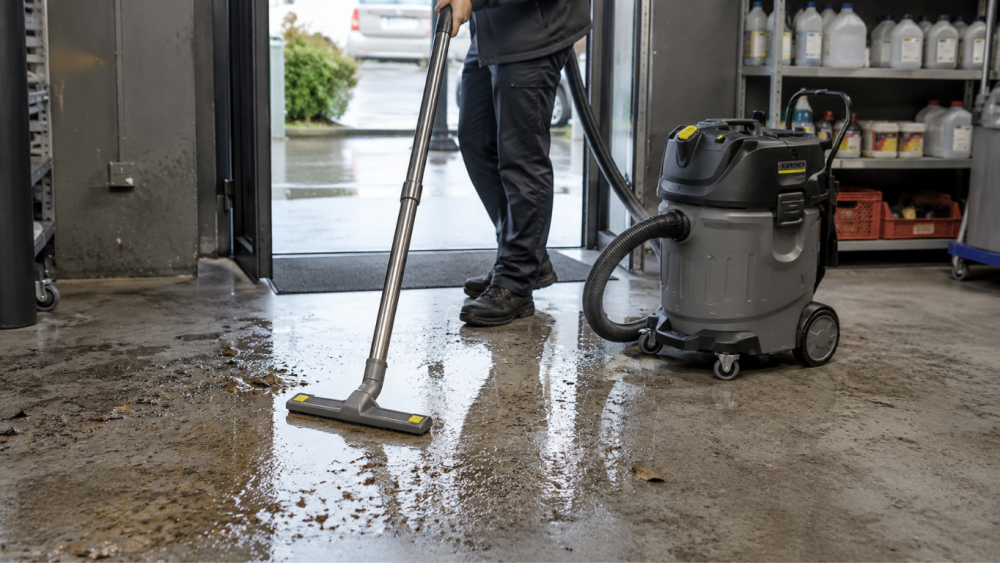
A wet and dry vacuum cleaner can indeed be used to vacuum water, provided that the model is specified for liquid use and operated according to the manufacturer's instructions. Importantly, always check the manual or instructions for that specific model before vacuuming liquids, as procedures can vary across models. Some models require removing the paper or dry-use filter first, some need a switch to a foam filter for wet applications, and some have strict requirements regarding the maximum water level in the tank.
Many wet and dry vacuum cleaners feature a float valve or automatic shut-off system when the liquid in the tank is full to help prevent water from entering the motor. However, users still need to monitor the water level and empty the tank properly. Do not rely on letting the machine shut off repeatedly, and do not leave standing water in the tank for prolonged periods.
After vacuuming water, unplug the machine, empty the water, rinse the tank, and let both the tank and accessories dry completely before storing or using it for dry vacuuming again. Any remaining moisture inside the tank can cause musty odors, mold, or dust clumping during subsequent uses.
What kinds of liquids should not be vacuumed with a wet and dry vacuum cleaner?
Even though it is called a wet and dry vacuum cleaner, it does not mean it can vacuum all types of liquids. The liquids handled should be general liquids within the machine's supported scope, such as clean water or general everyday spills.
Liquids that should not be vacuumed with a standard wet and dry vacuum cleaner include flammable liquids, fuel, thinners, certain types of paints, hazardous chemicals, boiling water, corrosive liquids, as well as highly combustible dust or debris. Additionally, it should not be used to vacuum hot ashes, cigarette butts, lit matches, or hot materials, as these can cause fires or damage the machine.
If you need to work with hazardous dust, ultra-fine dust, chemicals, or specialized environments, choose a vacuum cleaner specifically designed for those applications. Do not use a standard wet and dry vacuum cleaner as a substitute for specialized equipment.
What types of applications are wet and dry vacuum cleaners suitable for?
Wet and dry vacuum cleaners are suitable for areas requiring heavy-duty cleaning rather than light household vacuuming—especially spaces where dust, debris, soil, sand, and liquid spills can all occur together.
Examples of applications ideal for wet and dry vacuum cleaners include cleaning garages, vacuuming soil and sand in front of the house, picking up liquid spills on hard floors, and cleaning small shops, restaurants, offices, car detailing shops, auto repair shops, warehouses, factories, or post-construction and renovation areas.
For typical homes, a wet and dry vacuum cleaner is also useful, especially in heavy-use zones like garages, laundry rooms, storage rooms, backyards, or homes with pets where fur, food crumbs, and stains must be cleaned up regularly. However, if you only need it for vacuuming bedrooms, living rooms, condos, or small spaces, a standard or cordless vacuum cleaner may be more suitable because it is lighter, more convenient to use, and easier to store.
Advantages of wet and dry vacuum cleaners
The main advantage of a wet and dry vacuum cleaner is its versatility. A single machine handles both wet and dry tasks, allowing you to tackle a wider variety of cleaning situations than with standard vacuum cleaners.
Another key highlight is that the collection tank is usually larger, making it ideal for heavy debris or large areas such as shops, warehouses, factories, car detailing shops, or garages, without the need to frequently stop and empty dust or waste like smaller machines.
Many wet and dry vacuum cleaner models also come with various nozzles and accessories to match different tasks, such as floor nozzles, crevice tools, squeegee nozzles, large-diameter suction hoses, or caster wheels for easier mobility. For commercial or semi-industrial work, wet and dry vacuum cleaners help reduce cleaning time and allow you to handle dirty spaces far more effectively than standard household vacuums.
Limitations to know before buying
Although wet and dry vacuum cleaners are versatile, there are limitations you should know before making a purchase.
1. Machine size Wet and dry vacuum cleaners are usually larger than standard vacuums, especially models with large tanks, requiring adequate storage and operating space. If you live in a condo or a very small room, it might not be as convenient as a compact vacuum cleaner.
2. Noise and weight High-powered models or those with large tanks tend to be louder and heavier than typical household vacuum cleaners, especially when filled with dust, water, or debris in the tank.
3. Post-use maintenance If used to pick up water or wet messes, you must empty the water, rinse the tank, and let it dry. Do not leave liquid or wet debris inside, as it can cause musty odors and accumulated grime.
4. Choosing the right filter for the job If used to vacuum fine dust such as cement dust, construction dust, or large amounts of powder, you should verify that the machine and its filter support such applications. Fine dust can quickly clog the filter, drop suction power, or cause the motor to strain.
What to Consider When Choosing the Right Wet and Dry Vacuum Cleaner for Your Job
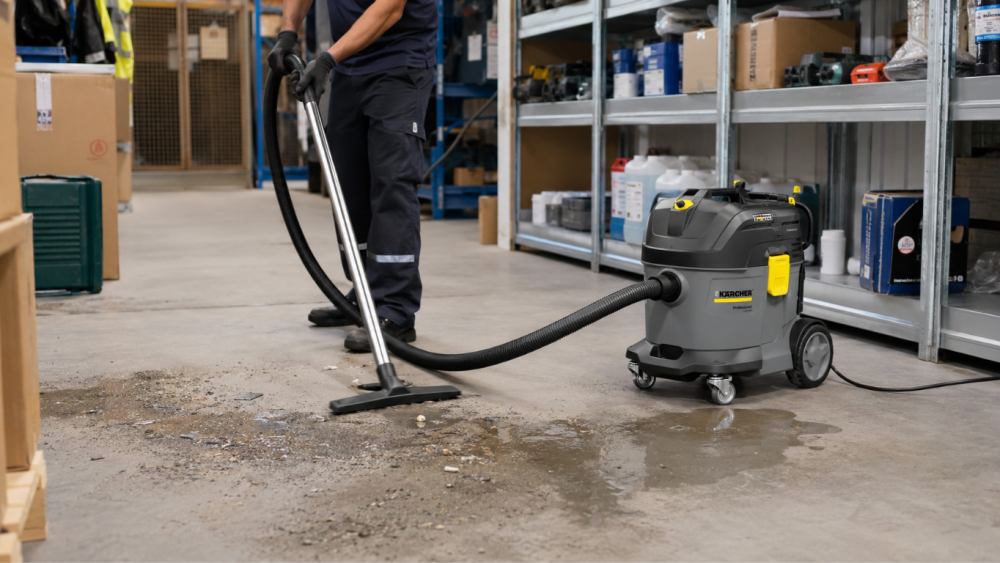
Before purchasing a wet and dry vacuum cleaner, you should start by considering the actual nature of the work. Don't look only at the price or assume that all wet and dry vacuums are the same, as different models may suit different areas and workloads.
- For use in homes, small shops, offices, or moderately sized areas, you might choose an entry-level or mid-size model that is easy to move, has a manageable tank size, and is convenient to use—such as 20–40 liter capacity models, which are ideal for general dust, debris, and wet messes.
- For workshops, maintenance work, or areas with a lot of dust, consider the filtration system, suction power, and ease of filter cleaning. Fine and heavy dust can easily clog filters, so choosing a machine with an appropriate dust management system will ensure better continuous operation.
- For warehouses, factories, car detailing shops, auto repair shops, or large facilities, choose a model with a larger tank capacity, adequate power, easy mobility, and the capacity for continuous heavy-duty use, as these areas typically generate significantly larger amounts of dirt and waste than households.
In the semi-professional and industrial wet and dry vacuum category, brands such as Kärcher offer a wide range of sizes—from compact models for general tasks to large-tank models for heavy-duty applications, such as the NT 27/1, NT 38/1 Me Classic, NT 30/1 Tact L, NT 70/2, NT 70/2 Me, or NT 65/2 Ap series. Selection should be based on workspace area, volume of dust or liquid, frequency of use, and budget.
If durability is a priority or the unit is used in areas prone to impacts, consider stainless steel tank models, as they feel sturdier and are easier to maintain for certain tasks. However, weight, price, and job-site suitability should also be weighed—not every application requires a stainless steel tank.
Should You Choose a Standard Vacuum or a Wet and Dry Vacuum?
If your primary task is household vacuuming—picking up hair, pet fur, food crumbs, or general dry debris—a standard vacuum cleaner is usually sufficient and more convenient to use, especially in homes or condos where a compact, lightweight, and easy-to-store machine is preferred.
However, if your workspace frequently involves a mix of dust, dirt, sand, spilled water, or wet stains, a wet and dry vacuum is the better choice. It is engineered to handle a wider range of jobs and eliminates the risk of misusing a regular vacuum cleaner.
For homes with garages, shops, restaurants, car detailing centers, auto repair shops, warehouses, factories, or areas requiring heavier cleaning than typical housework, a wet and dry vacuum cleaner is a compelling choice, allowing you to clean both dry dust and certain liquids with a single machine.
Always Read the Manual Before Use
Different models of wet and dry vacuum cleaners may have different operating procedures, especially regarding filters, liquid suction, emptying the tank, rinsing the tank, and safety precautions. Always read the user manual for the specific model before operation to check what materials it can vacuum, whether the filter needs to be removed or replaced prior to wet vacuuming, allowable liquid levels, and safety warnings.
Operating the machine according to the manual ensures optimal performance, minimizes the risk of motor damage, and extends the unit's lifespan far better than improper use.
Conclusion
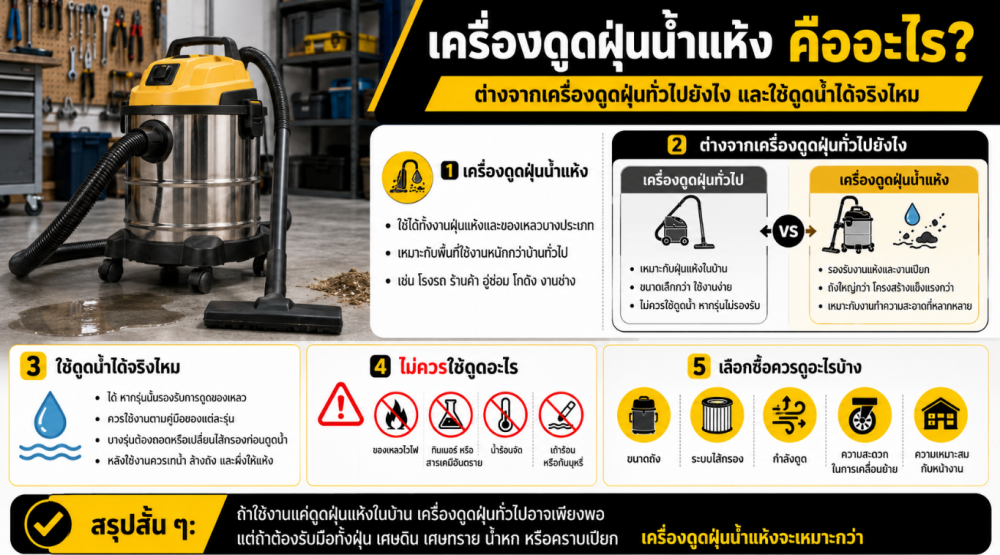
Vacuum CleanersA wet and dry vacuum cleaner is designed to handle both dry dust and certain types of liquids, making it ideal for spaces that require more demanding cleaning than standard households, or environments where debris and wet spills occur daily.
The difference from regular vacuums lies in its construction and systems designed to handle wet tasks, larger tank capacities, and greater versatility—at the expense of larger machine dimensions, heavier weight, higher noise levels, and more post-use maintenance. Standard vacuums remain better suited for dry household vacuuming and should never be used to pick up liquids unless explicitly rated for it, as this may damage the machine or pose safety hazards.
For simple household dusting, a standard vacuum may be all you need. But if you have to deal with dust, dirt, sand, liquid spills, wet messes, or semi-workshop tasks, a wet and dry vacuum cleaner is the superior choice that makes real-world cleaning far more convenient.