


 EN
 ไทย


Customers Also Purchased
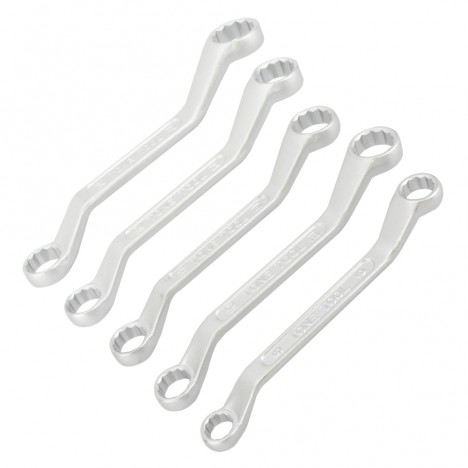

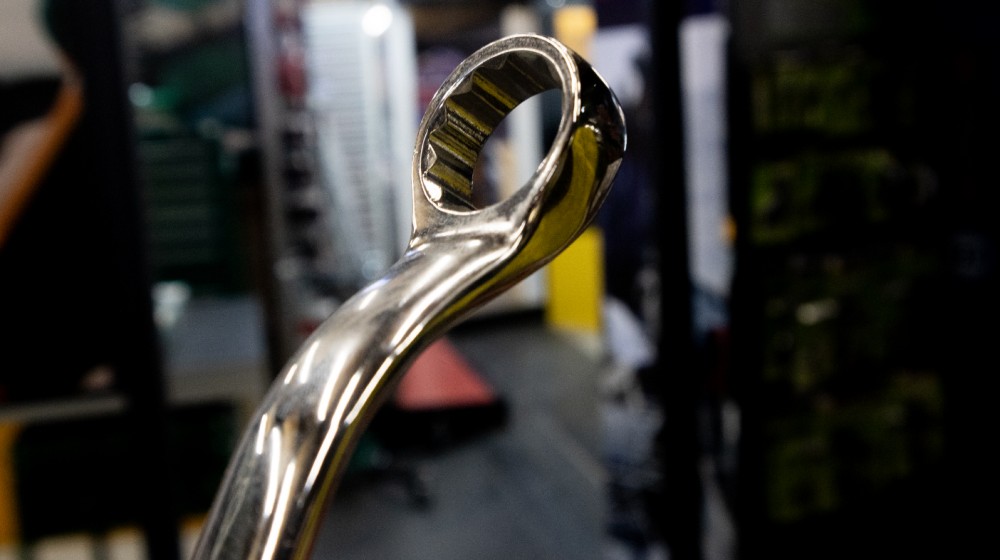
Has this ever happened to you? You find a bolt that looks trouble-free, slip a ring spanner onto it expecting an easy turn, but... when you actually try, it won't budge at all! Force it a little more, and the bolt head starts rounding off, the spanner starts slipping, your hands start hurting, and ultimately it turns into a much bigger headache than a simple rusted bolt.
Rusted bolts are frequently encountered in auto repairs, machinery work, steel structures, and plumbing. What many overlook is that rust doesn't just form on the outside; sometimes it penetrates the threads, causing them to stiffen, seize, or bond with the workpiece as if locked in place. So, should you use a ring spanner on rusted bolts? Yes, you can, and in many cases it is even better than an open-end or adjustable wrench because the ring head encircles the bolt head more fully, grips the flats more securely, and better reduces the chance of slipping. However, it must be used at the right moment, with the right technique, and knowing when to stop.
In this article, we'll take a straightforward look at what to watch out for when using a Ring Spanner on rusted bolts: what to do before turning, what not to force, and what signs indicate that it's better to stop before the bolt is stripped, the workpiece is ruined, and the tool is damaged along with it.
Why Are Rusted Bolts Harder to Loosen Than Normal Ones?
Before talking about using a ring spanner, you first need to understand why a rusted bolt is more stubborn than a normal one, even though it still looks like the same bolt, is the same size, and uses the same tool size. The answer is straightforward: rust is caused by metal reacting with moisture, oxygen, or corrosive environments—whether rainwater, steam, saltwater, dirt stains, or chemicals. Once rust starts forming, it doesn't just change the surface color of the metal; it roughens the surface, swells, eats away at the material, and seizes tighter and tighter.
If the rust is only on the outside of the bolt head, the problem might still be minor. But if it penetrates the threads or between the bolt and the workpiece, the rust acts like a hardened adhesive that binds everything together much more tightly than before. Another thing many people don't consider is that the torque applied through the wrench isn't entirely directed toward loosening the bolt; part of it is used up overcoming the friction and drag of the rust in the threads. That means the harder you push, the bolt might still not budge, but the bolt head could get damaged first.
Because of this, using a ring spanner on a rusted bolt requires much more caution than on a normal bolt. You can't just slap on the wrench and yank it loose; you need to inspect the condition, assess the risk, and handle it step-by-step.
Is a Ring Spanner Suitable for Rusted Bolts?
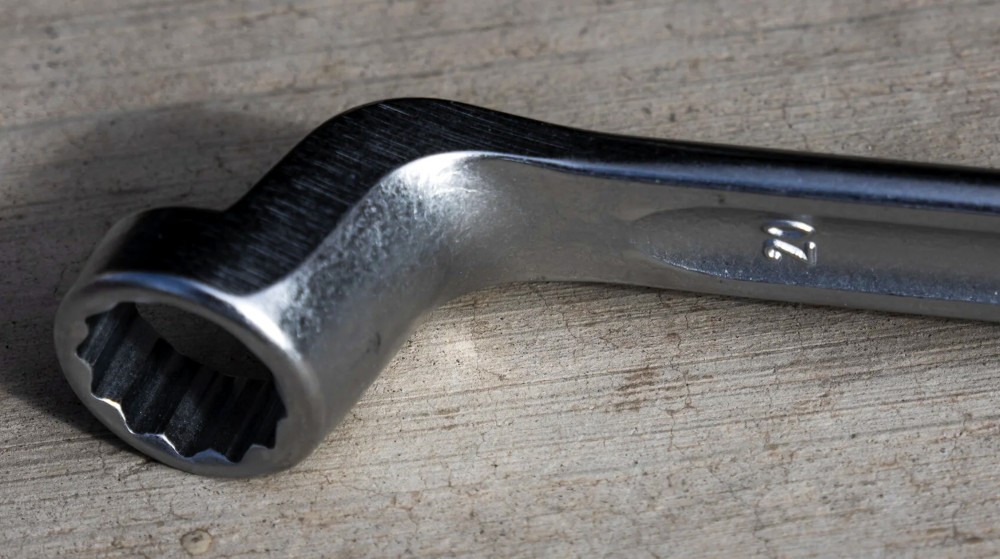
Is a ring spanner suitable for rusted bolts? Yes, in many cases, because the closed-end design wraps completely around the bolt head better than an open-end wrench or an adjustable wrench. The contact surface is distributed around all sides, reducing the chance of the wrench slipping when high torque is needed—and rusted bolts almost always demand more torque than normal ones.
However, "suitable" doesn't mean it can be used in every situation. If the bolt head is rotted away, the corners are heavily eaten by rust, or the bolt head size has changed due to thick rust buildup, the ring spanner might not seat fully or engage properly. Forcing it to turn still risks stripping the bolt head. You must also choose the right type.
- A 6-point ring spanner grips the flats of the bolt head better and provides superior resistance to slipping under heavy loads, making it ideal for severely seized bolts.
- A 12-point ring spanner is easier to slip on and more convenient to swing in tight spaces, but if the bolt corners are already rounded or heavily rusted, it might not be the best first choice.
A ring spanner is an excellent tool for rusted bolts, but you must choose the right type for the condition of the bolt. Don't assume that just because it's a ring spanner, any one will work the same way.
The First Thing to Watch Out For: Don't Force It Before Inspecting the Bolt's Condition
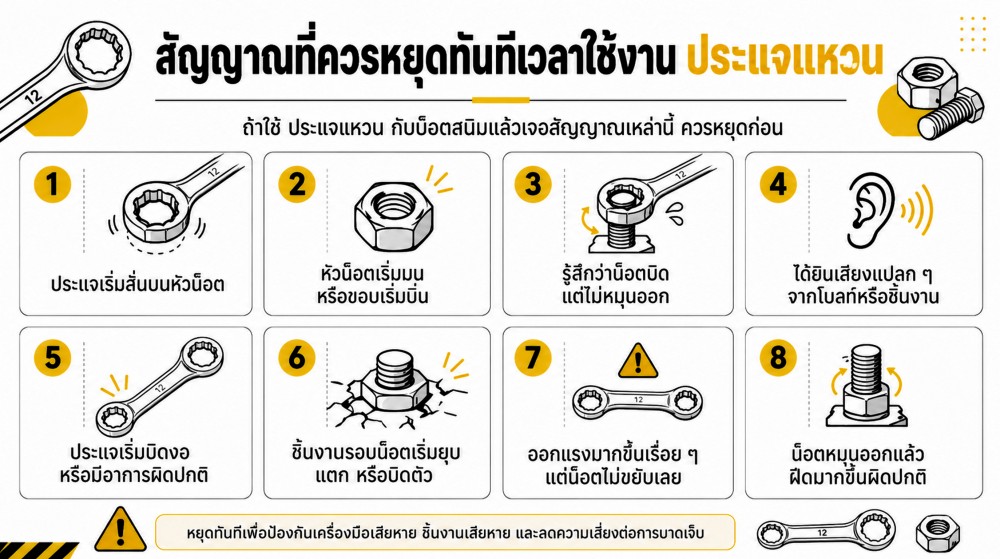
The most common mistake is rushing to put the wrench on and applying force immediately. With rusted bolts, forcing it blindly can worsen the problem from the very first second. Before using a ring spanner, inspect clearly what condition the bolt is in: is rust just on the surface, or has it eaten deep enough to wear down the corners? Are the bolt flats still sharp, or are they chipped or rounded? If the bolt head is still sharp, the chances of successfully loosening it are high. But if it has started rounding, applying too much force may strip it, making it much harder to fix.
You also need to inspect the surrounding workpiece, because sometimes the surface the bolt is fastened to may be corroded or brittle. Applying too much force might cause the workpiece to twist, crack, or deform before the bolt breaks free.
- Are the corners of the bolt head still sharp?
- Can the ring spanner seat fully?
- Is the bolt fastened to a sufficiently strong workpiece?
- Is there enough room to grip the wrench safely?
- If the bolt snaps, how much damage will it cause to the job?
If the bolt is in poor condition, don't use brute force right away. You should prep the bolt first, such as cleaning off rust scale, applying penetrating oil, or choosing a more suitable tool.
Choose the Exact Ring Spanner Size: Never Use a Loose Fit
Rusty fasteners require more force than usual. If the wrench is even slightly loose, force will not engage the entire flat but will press only on certain points, causing the fastener head to round off very quickly. Many people test wrenches size by size, and as soon as one fits on, they use it right away. But "can fit" does not mean "proper fit." A proper ring spanner must fit snugly over the fastener head without wobbling or play, and must slide fully down the face of the wrench, not resting merely on the edge of the fastener head.
If thick rust prevents the correct size wrench from slipping on, do not jump to a larger size just to make it fit easier, as it will be even looser and risk stripping. Use a wire brush to scrub away the rust buildup around the fastener head first, then try fitting the correct wrench size again.
Another factor to be careful of is the fastener sizing system—some jobs use metric, while others use imperial. If you use wrenches from different systems, the sizes may be close enough to appear interchangeable, but in reality, there is a slight gap. When dealing with a rusty fastener that requires heavy force, that tiny gap is precisely what destroys the fastener head. A simple rule of thumb: if the wrench wobbles, has play, or you aren't sure it's fully seated on the flats, do not turn it yet; find a better-fitting size or clean the fastener head first.
A ring spanner must be fully seated, not gripping just half of the fastener head
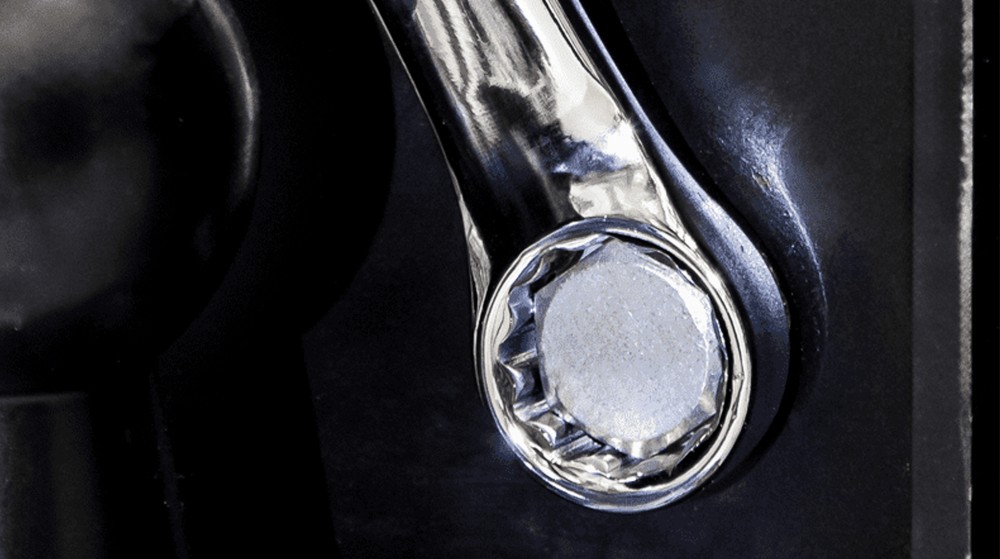
Even with the correct size selected, not seating the wrench fully still risks stripping the fastener head. This is especially true for rusty fasteners with dirt, paint remnants, or rust encrusted around the head preventing the wrench from slipping down completely. Engaging a ring spanner only halfway and applying torque is a leading cause of premature fastener head damage, because all the force presses on just the top or bottom edges rather than being distributed across the entire face. The more force applied, the easier the fastener head chips or rounds off.
Before turning, wiggle the ring spanner slightly to check whether it is fully seated on the fastener head. If rust debris obstructs it, stop and clean it off first. Do not force the wrench down and turn immediately, because aside from an insecure grip, the wrench could slip off under load, causing your hand to slam against sharp metal edges.
In tight spaces, this is even more critical because you sometimes cannot see the fastener head clearly and must rely on touch rather than sight, or engage the wrench at an angle. Applying force without full engagement can ruin the fastener unnoticed. The simple rule is: before exerting full force, ensure the ring spanner covers the fastener head completely, fits flush, and is not tilted. If you're still not confident, do not turn it yet.
Do not yank with sudden force; increase torque gradually
Rusty fasteners often make people impatient. When one refuses to budge, they yank on it forcefully hoping to break it free. However, this method carries high risks—especially when using a ring spanner in restricted spaces—because it can strip the fastener head, snap threads, break the bolt, cause the wrench to slip, or smash your hand into metal edges. If the fastener is severely seized, sudden jerking force rarely loosens it, but rather ruins the weaker component first.
A safer approach is to apply torque gradually and in a controlled manner. Start with light force to see if the fastener moves. If it moves even slightly, do not rush to turn it continuously; rock it back and forth gently so the rust within the threads breaks apart first, and then gradually increase the rotation range.
If the fastener does not budge at all, do not force it. Stop and do further preparation, such as spraying penetrating oil to seep into the threads or scrubbing away surrounding rust. Spending a few extra minutes preparing can greatly reduce the chances of snapping the bolt or stripping the head. With rusty fasteners, patience is more important than sheer strength. A ring spanner provides a great grip, but if force is misapplied, even a good tool cannot help effectively.
Penetrating oil helps, but you must give it time to work
Many people spray penetrating oil and turn immediately, then claim the oil does not help. In reality, penetrating oil needs time to seep into the gaps between the threads, fastener, and workpiece. If you turn right after spraying, the oil may only coat the exterior and has not yet reached the seized rust.
Before using a ring spanner on a rusty fastener, spray penetrating oil around the fastener head, around the threads, or where the fastener contacts the workpiece, then let it sit for a while. For heavily rusted fasteners, you may need to respray and allow more time. Do not expect fasteners rusted for years to loosen easily in a few seconds. Remember: penetrating oil will not loosen the fastener on its own, but it reduces friction and makes wrenching much more effective. Once friction decreases, the chances of stripping the head or snapping the bolt decrease accordingly.
Also, be mindful of tool cleanliness. If penetrating oil or grease gets onto your hands and the wrench handle, it can cause slipping, making it harder to control the wrench when applying torque. Always wipe the wrench handle and your hands dry before exerting full force.
What to do if the fastener won't loosen when using a ring spanner
If you are using the ring spanner correctly and the fastener still won't budge, do not jump to the conclusion that you just need more force. Step back and identify where the problem lies: is it stuck from rust on the head, rust in the threads, overtightening, or a warped workpiece pinching the fastener? Try cleaning around the head and threads more thoroughly, reapply penetrating oil, and give it more time. Then, gradually apply force again. If the fastener starts to move, rock it back and forth slowly; do not rush to unscrew it in one go.
If it still won't move and the fastener head is still in good condition, consider switching to a more suitable tool, such as a 6-point ring spanner or a socket that engages the fastener head more fully. However, if the fastener head has begun to round off, avoid continually experimenting with various tools, as this will only wear down the remaining gripping surface.
For critical fasteners such as engine bolts, suspension bolts, or machine mountings, having an experienced technician handle it may be more cost-effective than forcing it yourself, as the damage from a sheared bolt or ruined threads can far exceed the initial labor cost for removal.
Conclusion
Good tools make work easier, but using them with proper understanding is always more important. If a ring spanner is used properly, even a seemingly stubborn rusty fastener can be safely removed without ruining the fastener head, damaging the workpiece, or unnecessarily turning a small repair into a major headache.
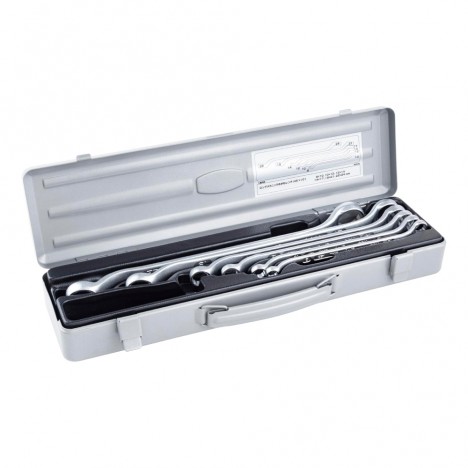
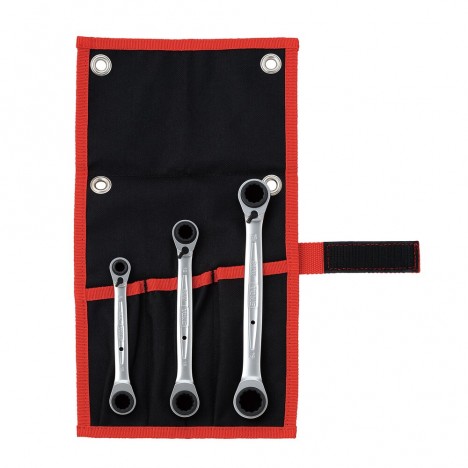
Select Ring spanner to suit the application