


 EN
 ไทย


Customers Also Purchased
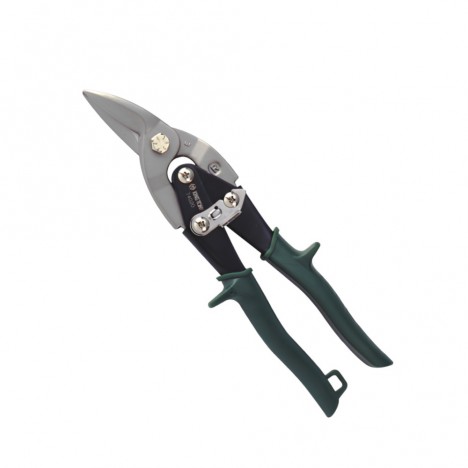
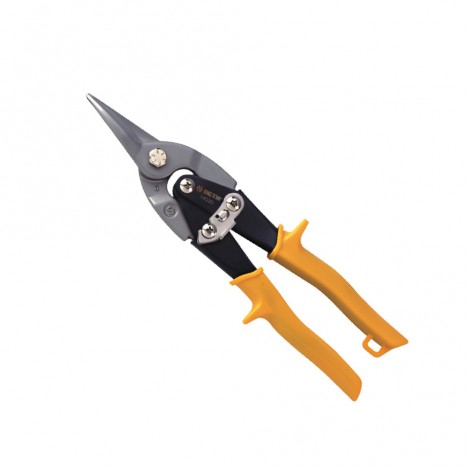
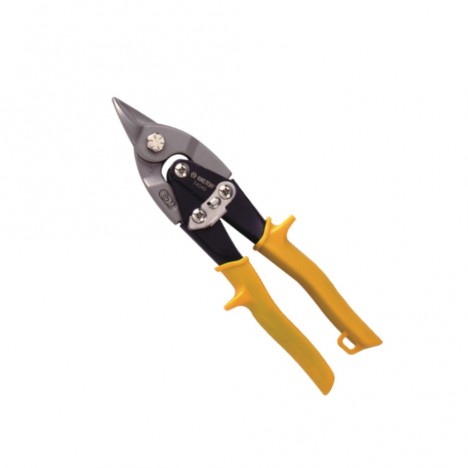
Tin snips sound like simple tools, but when it actually comes to buying them, there are more choices than expected: straight-cut, left-cut, right-cut, short handle, long handle, straight jaw, curved jaw, serrated blade, smooth blade—some models look identical yet differ several times in price.
The issue with tin snips is not just whether they can cut, but whether cutting is tiring, whether the edges are clean, whether the blades chip quickly, and whether they fit your actual application. Some people buy straight-cut snips but frequently need to cut into corners; some buy large, heavy-duty ones, only to find them difficult to use when cutting curved sheet metal.
In this article, we'll take a look at what to consider before buying tin snips, which type suits which kind of work, and the key points that many people overlook, leading them to buy the wrong tool without realizing it.
What are tin snips, and what kind of work are they used for?
Tin snips are manual cutting tools designed for thin sheet metals such as steel sheets, galvanized iron, aluminum, metal sheets, or thin stainless steel. Their main highlights are ease of use, no need for electricity, high portability, and no sparks like angle grinders.
However, it must be understood first that tinsnips are not suitable for all types of steel. Heavy-gauge materials such as rebar, angle iron, square tubing, or structural pieces should be cut with specialized tools instead. Tin Snips Are Suitable for These Types of Work
- Cutting galvanized sheets, metal roofing sheets, aluminum, thin steel, or thin stainless steel
- Trimming metal edges
- Cutting into corners, curved cuts, or small openings
- HVAC work, roofing, ductwork, DIY projects, and general maintenance
Therefore, before buying, the first question shouldn't be "Which model is the best?" but rather "What will you cut, how thick is it, and what cutting shape do you make most often?" because the answer dictates everything from blade type and cutting direction to handle size.
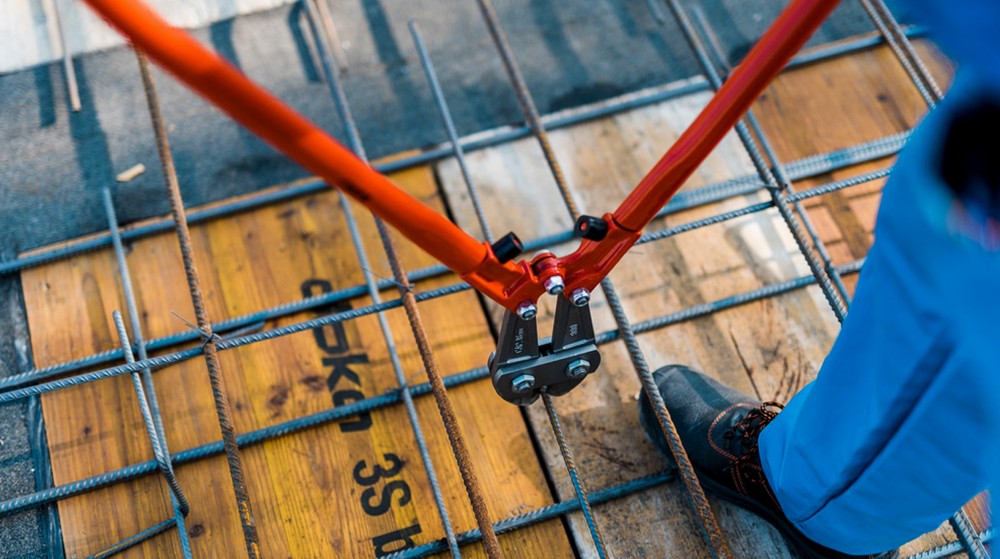
Don't Call Everything "Tin Snips" – Each Type Serves a Different Purpose
There are several categories of manual metal-cutting tools, each engineered for different applications. Assuming they all work the same is the main reason many people buy the wrong tool.
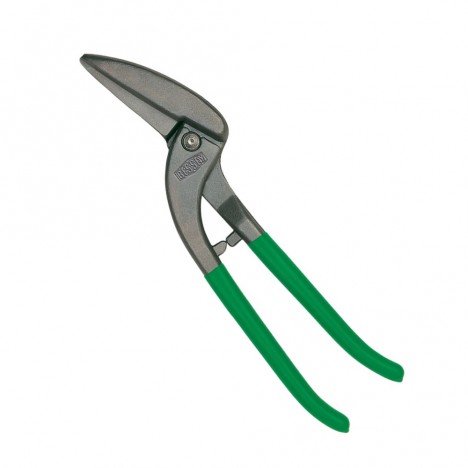
- Standard Sheet Metal Snips resemble large scissors, with handles longer than the blades to increase leverage. Suitable for cutting galvanized sheets, thin steel sheets, aluminum sheets, and general straight cuts. They are simple to use and straightforward, but when it comes to cutting curves, tight corners, or harder sheets like stainless steel, they might not be as agile as Aviation Snips.
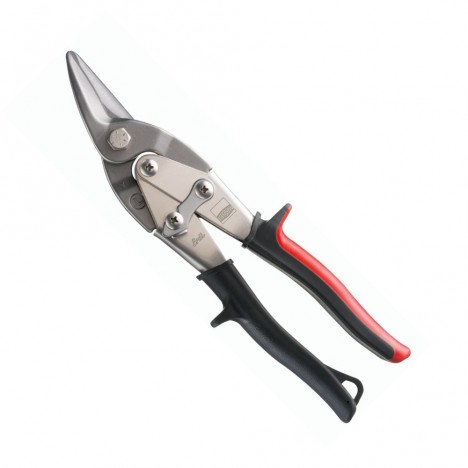
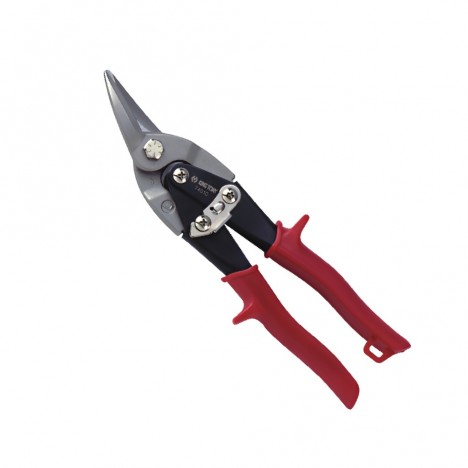
- Aviation Snips feature a compound leverage mechanism that requires less hand effort, provides superior cut control, and supports straight, curved, left, right, and notch cuts. Highly popular in HVAC, ductwork, roofing, air conditioning, and metal roofing work because they offer far greater maneuverability than standard snips.
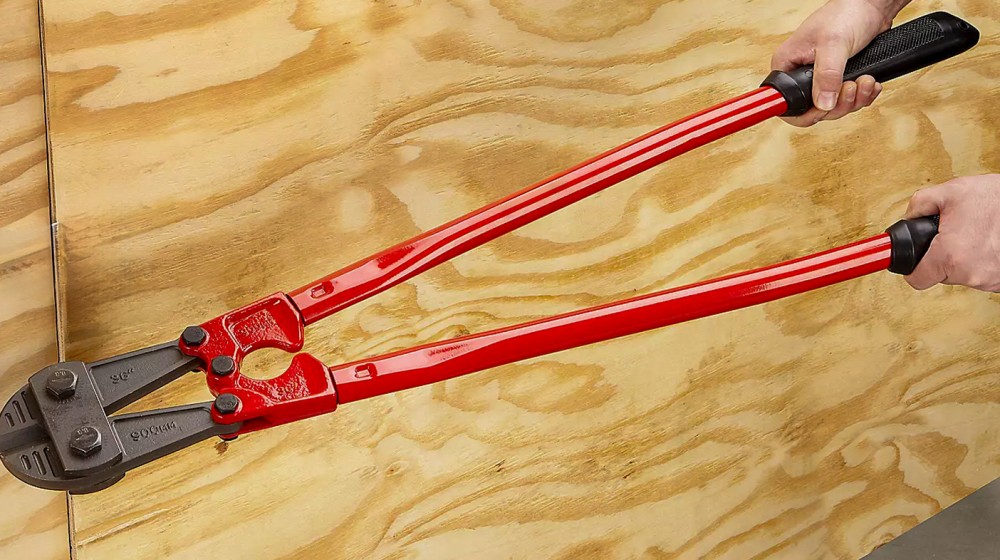
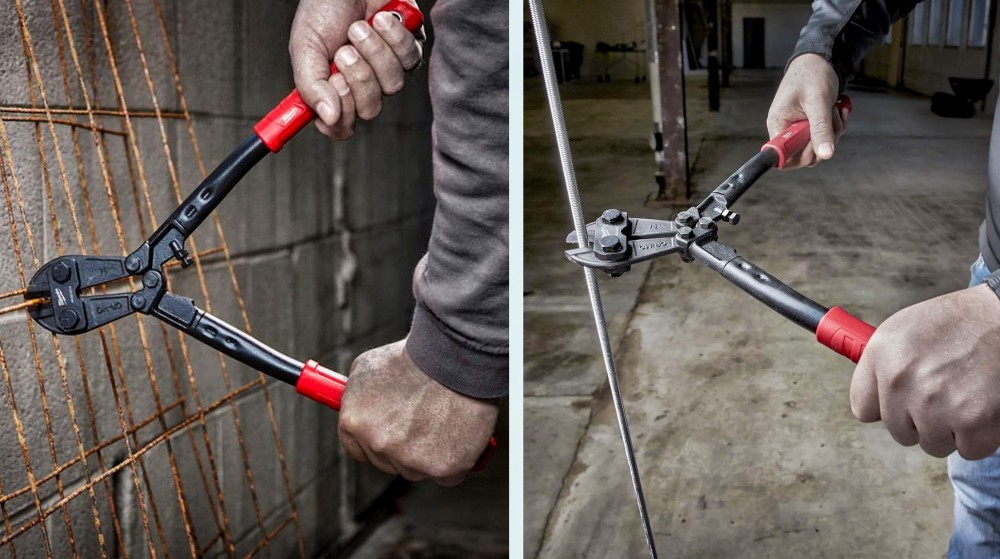
- Bolt Cutters are often lumped under the same general name, but they are actually an entirely different tool category. They are designed for cutting rebar, thick wire, chains, or bolts—not sheet metal.
- In simple terms: if you want to cut galvanized sheets, don't buy bolt cutters; and if you want to cut rebar, don't buy sheet metal snips.
The First Spec to Check: What Material and How Many Millimeters Thick?
The most crucial specification is Cutting Capacity, as it indicates which materials the tool is suited for and what maximum thickness it can handle.
Many see "cuts steel" and assume it cuts any thickness, but in reality, each model has clear limits—for example, cutting 1.0 mm sheet steel or 0.7 mm stainless steel. This is because different materials vary in hardness and toughness. Stainless steel is harder to cut than regular steel at similar thicknesses, while aluminum is softer to cut but can stick to the blade if using an unsuitable shear.
When reviewing specifications, always check by material:
- Sheet steel: how many millimeters can it cut?
- How many millimeters of stainless steel can it cut?
- How many millimeters of aluminum can it cut?
- How many millimeters of galvanized sheet or metal sheet can it cut?
Do not force cuts beyond specification
Cutting beyond specifications doesn't just make the work more tiring, but it also chips the blade, loosens the pivot, damages the mechanism, and produces poor-quality cuts. Signs that you are exceeding the tool's capacity:
- Requires an unusually large amount of force
- The blade binds against the workpiece without penetrating
- The metal sheet warps or bends more than usual
- There are binding or grinding noises from the blades
- The cut edge has excessive burrs
- The blade is chipped or dented
If you encounter these symptoms, stop immediately; forcing it further can quickly damage the tool, and the workpiece may snap back or cut your hands.
Straight cut, left cut, right cut: picking the wrong one immediately complicates the job
Aviation snips are divided into 3 cutting directions. Many people mistakenly believe this refers to left-handed or right-handed users, but it actually refers to "the direction in which the snips can easily cut curves."
- Straight cut: Suitable for straight lines and general tasks that don't require sharp curves. It is a great first pair to buy, but if you need to cut tight curves or get into corners, controlling the cut line may be more difficult.
- Left cut: Ideal for curved cuts to the left. The waste material curls away to one side without getting in the way of your hand. Perfect for curved work, corners, or jobs requiring precise directional control.
- Right cut: Works just like the left-cut snips, but curves in the opposite direction. If you frequently work with sheet metal—such as ductwork, roofing, or HVAC—having both left- and right-cut snips will make the job much easier.
So, which type should you buy?
For household or DIY use where you mainly make straight cuts, starting with just a straight-cut pair is enough. However, if you often need to cut curves, make cutouts, or cut in multiple directions, having all three types isn't wasteful—it reduces strain on your hands and creates cleaner cuts.
The blade is crucial: look at the material, hardness, and shape
- Blade Material: Good quality tin snips usually use hardened steel such as Forged Steel, Chrome Vanadium, or Molybdenum Steel. You don't need to memorize all the names—just understand the simple principle that the blade must be hard enough to cut metal without chipping quickly, yet tough enough not to shatter under repeated pressure.
- Blade Hardness: Some models specify a hardness rating in HRC. A blade that is too hard may be brittle and chip easily, while a blade that is too soft will dull quickly when used on hard metals. The key is not just "extreme hardness," but whether it is suitable for your actual intended application.
- Serrated vs. Smooth Blades: Serrated blades help grip the sheet metal to prevent slipping during cuts, which is great for maintaining cut lines and reducing slippage. However, they may leave slight marks along the edge, requiring extra filing if you need a smooth finish. Smooth blades produce a cleaner cut edge in some cases, but if the material is slick or your hand control slips, they can slide out of line more easily.
Handles and Leverage Mechanisms Affect Fatigue More Than You Think
- Handles are just as important as the blades. Many people overlook the grips, even though they directly affect comfort, precision, and safety. A good handle should offer a firm, non-slip grip without an overly wide span. If the grip spread is too wide, users with smaller hands will struggle to squeeze, tire quickly, and fail to control cutting force effectively.
- What does a leverage mechanism do? Many snips feature a Compound Leverage system that multiplies hand pressure to the blades, making it easier to cut metal with less effort. This reduces hand fatigue and stiffness during prolonged, repetitive cutting. Standard handles are fine for occasional use, but for frequent cutting, a quality leverage system makes a noticeable difference.
- Return Spring and Safety Latch: A return spring automatically opens the shears after each cut, allowing faster continuous work without manually prying the handles apart. A safety latch keeps the blades locked shut when not in use, reducing the risk of cuts when reaching into a toolbox. While seemingly minor, these features matter greatly on the job—especially on-site when handling multiple tools jumbled together, where an unsecured latch can easily lead to accidents.
Size of Tin Snips: Bigger or smaller does not always mean better.
Many people see large tin snips and assume they must be stronger and deliver more cutting power. While partially true, the size must match both the workspace and the nature of the cut.
Large tin snips or long-handled shears provide greater cutting force, making them ideal for long, straight cuts or heavy-duty tasks. However, they are difficult to control in tight spaces, hard to cut curves with, and inconvenient to carry around.
Small or compact tin snips are ideal for detailed work, cornering, and localized repair tasks. However, using them on overly thick or hard materials can require excessive force and cause tool damage.
Quick Summary to Remember
- Long straight cuts → A larger size works well
- Cornering, tight spaces, detailed cuts → A compact size offers easier control
- Frequent cutting → Prioritize an ergonomic, comfortable grip over the absolute largest size
- Heavy-duty work → Check the Cutting Capacity, not just how big the shears look.
Choosing Tin Snips by Application Type
- Home & DIY: You don't need the largest professional model—just choose one that fits comfortably in your hand, features a safety latch and return spring, and handles the materials you cut most often according to specifications. Beginners can start with a single, quality straight-cut pair, but if you frequently cut curves or corners, consider adding left-cut or right-cut snips.
- HVAC and Ductwork: This type of work often involves cutting curves, opening cutouts, and working in confined spaces. A full set of Aviation Snips (left, right, and straight) is ideal. Key features to look for include maneuverability, non-slip grips, and an efficient compound leverage mechanism.
- Roofing and Metal Sheeting: Primarily consider material thickness and type. Using the wrong cutting technique can cause chipped edges, damage protective coatings, or warp the sheet. Choose a model rated for the actual material thickness, featuring sharp blades that prevent sheet distortion.
- In plant maintenance work, you encounter various materials including steel, aluminum, stainless steel, and wire mesh. You should choose models that are more durable than household ones, have clear specifications, and prepare multiple types to accommodate different tasks. Having multiple types of tools is safer than using a single pair of snips to cut everything.
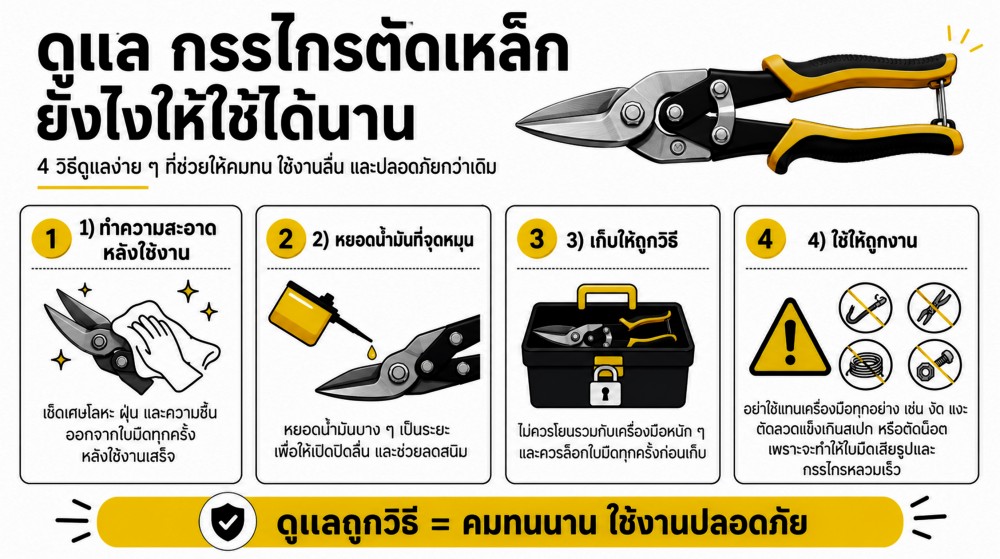
Conclusion
A sheet metal shear seems easy to choose, but if you really want to get the best performance out of it, you need to know first what material you will be cutting, how thick it is, whether you are making straight or curved cuts, how often it will be used, and what level of cut finish precision you require.
For household or general DIY tasks, a single high-quality straight-cut model may be enough. However, for professional trades, HVAC, roofing, or metal roofing work, it is best to have a complete set of straight-cut, left-cut, and right-cut snips. For jobs involving stainless steel or hard materials, check the Cutting Capacity specifications thoroughly—never guess based on the tool's appearance. The best sheet metal shear is not the biggest or the most expensive model, but the one that truly matches your application, does not strain your hand, cuts according to its specs, and is safe enough for actual use.