


 EN
 ไทย


Customers Also Purchased


In everyday life, when water spills or dust settles on a table, we just grab a paper towel, wipe it up, and that's it. But in the world of trades and industry, things are not that simple.
Whether in manufacturing plants, auto repair shops, machine maintenance, printing, or assembly work, what you encounter are oil stains, grease, and chemicals that regular paper towels simply cannot handle. Because paper towels are designed for light tasks such as wiping hands, wiping faces, or absorbing minor spills in daily life, when faced with real heavy-duty work, they tend to turn into mush, tear easily, leave lint on workpieces, or even spread the stains further when wiping.
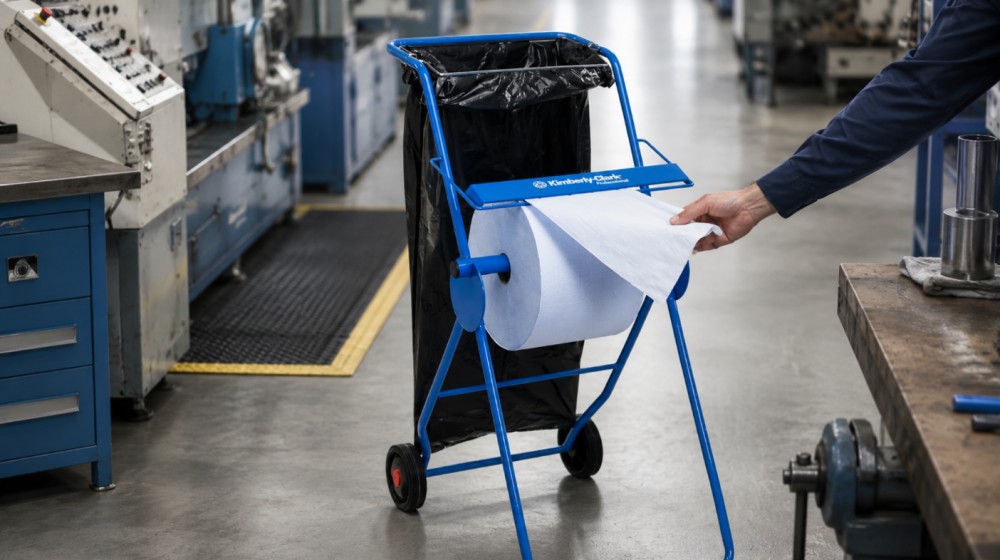
Industrial Wipes Also known as shop towels, oil-absorbing wipes, machine wipes, and industrial wipers, they have become the primary choice in many workplaces because they are engineered specifically for heavy-duty tasks—being stronger, more absorbent, and leaving no paper residue on surfaces that demand cleanliness.
This article will walk you through industrial wipers from the ground up: what they are, how they differ from regular paper towels, what tasks they are suitable for, and what factors to consider before buying—so you can get the right product for your actual job site, maximize value without unnecessary waste, and keep your workspace clean in a systematic way.
What Are Industrial Wipers?
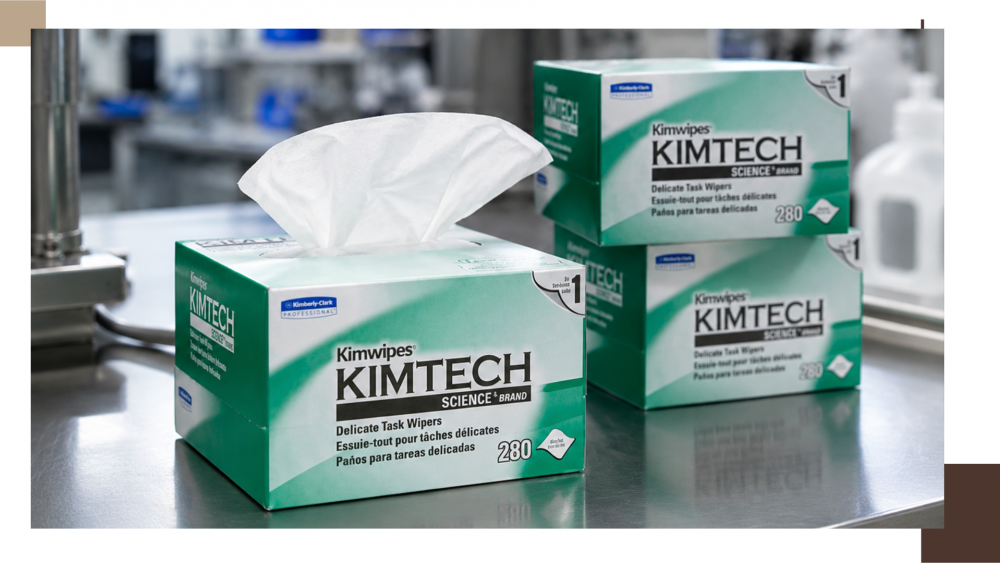
Industrial wipers are cleaning wiping materials engineered specifically for heavy-duty applications, whether it's maintenance work, machinery maintenance, manufacturing, or tasks dealing with stains that regular tissue paper can't handle—such as oil, grease, lubricants, ink, paint, as well as dust, powder, and grime on various workpiece surfaces.
What sets them apart from regular paper is a structure engineered to withstand wiping pressure: they are tougher, more durable, and absorb more liquid. Some models also feature additional special properties, such as low lint, non-disintegrating when wet, or compatibility with certain cleaning chemicals, making them ideal for tasks requiring higher standards of cleanliness.
However, a point that many overlook is that industrial wipers are not just meant to "wipe dry"; they also help reduce contamination from fabric rags or unsuitable tissues, make usage consumption easier to control, and help systematically elevate the standards of repair, production, and assembly operations.
What Can Industrial Wipers Be Used For?
The applications of industrial wipers are broader than many people think, depending on the type of wiper and the nature of the work at each site. Common applications include:
- Wiping oil and grease from machinery or maintenance equipment
- Wiping technicians' hands after contact with chemicals, oil, or grease
- Wiping dirt and grime off workbenches and surfaces in production lines
- Wiping parts before assembly to prevent contamination that could affect quality
- Wiping surfaces before painting or coating, which requires a high level of cleanliness
- Wiping water and liquid spills that occur during the production process
- Used in areas requiring reduced lint and debris residue from general wiping materials
In addition, in many factories, industrial wipers also help make cleaning management more systematic because they are immediately disposable, easy to control the amount used per time, and eliminate the problem of reusing old wiping rags that are not clean enough—which is one of the easily overlooked causes of contamination in the production process.
How do industrial wipers differ from regular tissues?
Although industrial wipers and regular tissues are both wiping materials, their practical applications differ considerably, especially in factory or technical job site environments.
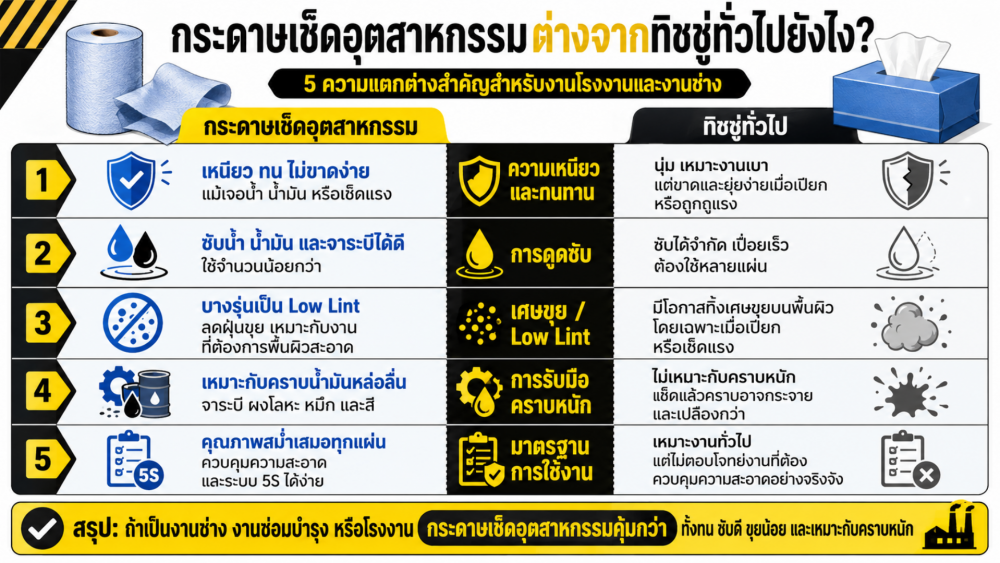
1. Differences in toughness and durability
Regular tissues are designed for a soft touch, suitable for skin and light daily tasks. Once exposed to water, oil, or heavier wiping pressure, they tend to tear, disintegrate, or clump together easily.
Industrial wipers are different because they are engineered to withstand real wiping pressure, being both tougher and more durable—whether wiping oil stains off metal parts, cleaning machine surfaces, or handling heavier-than-normal dirt and grime.
And in actual technical work, the toughness of paper is not just about convenience; it directly affects efficiency. Paper that tears midway not only causes more waste, but also leaves paper fragments on the workpiece surface. In high-cleanliness applications, those small fragments can turn into a bigger issue than expected.
2. Differences in absorbency
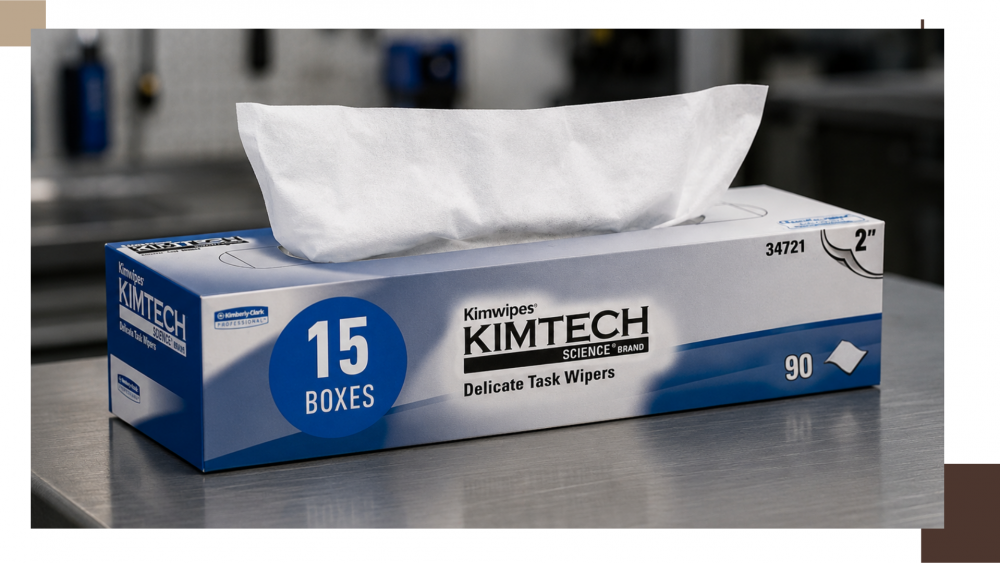
Regular tissues absorb water to a certain degree, but when encountering oil, grease, or large amounts of liquid, they often cannot absorb fast enough, disintegrate quickly, and require multiple sheets to achieve the same result.
Industrial wipers are designed to handle a wide variety of liquids, including water, oil, and technical workshop grime. A denser, more absorbent structure means fewer sheets are needed, cleaning effectively in a single pass without falling apart during use.
Imagine simply: if you use regular tissue to wipe engine oil stains, the result is usually the stain spreading out along with tissue that starts to fall apart. But switching to an industrial wiper designed specifically for oil applications, the stain is absorbed rather than smeared, and a single sheet can get the job done.
3. Differences in lint and debris issues
In everyday life, minor lint hardly makes a difference, but in certain factory operations, it can become a factor that directly impacts work quality—whether it is spray painting, electronics, parts assembly, printing, or surface coating that requires a clean surface before proceeding to the next process.
Regular tissues tend to leave lint on surfaces easily, especially when wet or rubbed vigorously. In contrast, some models of industrial wipers are designed to be Low Lint to reduce contamination from fibers that may be invisible to the naked eye but can have real consequences.
For tasks requiring clean surfaces before painting, gluing, assembling parts, or quality inspection, choosing a wiping material that does not shed lint is not just a delicate preference, but part of a good working standard from the start.
4. Better performance with heavy stains
Industrial stains are unlike household messes. Whether it's lubricants, grease, metal shavings, printing ink, paint, or stubborn grime clinging to machine surfaces, these demand more than just thin paper. Regular tissues usually cannot handle them, spreading the mess around or requiring multiple sheets with unsatisfactory results.
Industrial wipers handle these stains much better because their structure is engineered to withstand wiping, scrubbing, and absorbing all at once, trapping stains instead of smearing them. The result is a cleaner job done faster, using less paper without the need for repeated wiping.
5. Better standard control compared to cloth rags or regular tissues
Many factories choose to use rag scraps to wipe machinery because it seems economical. In practice, however, each rag scrap varies in quality: some carry dust or lint, some have old stains from previous use, and some are not suitable for jobs requiring clean surfaces. The apparent savings can turn into hidden costs that are hard to measure.
Industrial wipes provide a consistency that rags cannot match: uniform sheet size, pull as needed, and no uncertainty regarding source or condition before use.
Especially in factories implementing 5S systems, aiming to reduce contamination, or needing systematic cleanliness control at workstations, industrial wipes are not only more convenient but also align better with sound management standards in the long run.
What types of applications are industrial wipes suitable for?
Industrial wipes are not limited to any single type of factory, but span various work segments that demand wiping materials that are strong, clean, and practical on the job.
Factory and Maintenance Work Whether wiping down machinery, cleaning parts, wiping oil stains, or tidying workbenches after maintenance, these tasks require wiping materials that withstand scrubbing friction and do not disintegrate midway, as factory grime is often many times heavier than general dirt.
Automotive Workshops and Engine Work Engine oil, grease, transmission fluid, brake dust, and residues from spare parts are what mechanics deal with daily. Standard tissue paper cannot cope and is far more wasteful. Oil-absorbent industrial wipes allow hands, tools, and spare parts to be wiped conveniently and cleanly in a single pass.
Printing and Painting Applications Spray painting, coating, or printing tasks demand genuinely clean surfaces, as even a tiny bit of lint or fiber can cause uneven paint, speckled prints, or flawed coatings. For this type of work, dedicated low-lint industrial wipes should be selected.
Electronics and Component Assembly Delicate workpieces and electronics leave no room for error; microscopic lint invisible to the naked eye can directly affect quality. Low-lint wipes or those designed specifically for precision work are therefore the better choice.
Food and Packaging Operations In areas with strict cleanliness controls, disposable wipes help reduce contamination risks better than reused cloths. However, ensure that the chosen type complies with the specific requirements of that area.
Common Types of Industrial Wipes
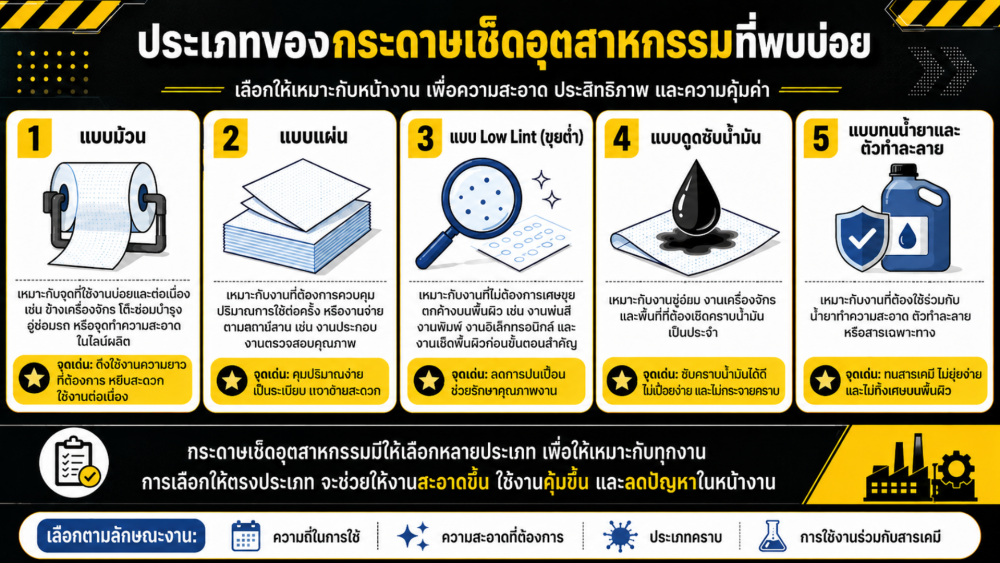
Industrial wipes come in several formats, and no single type is best for every application. Choosing the right type depends primarily on on-site conditions and actual usage methods.
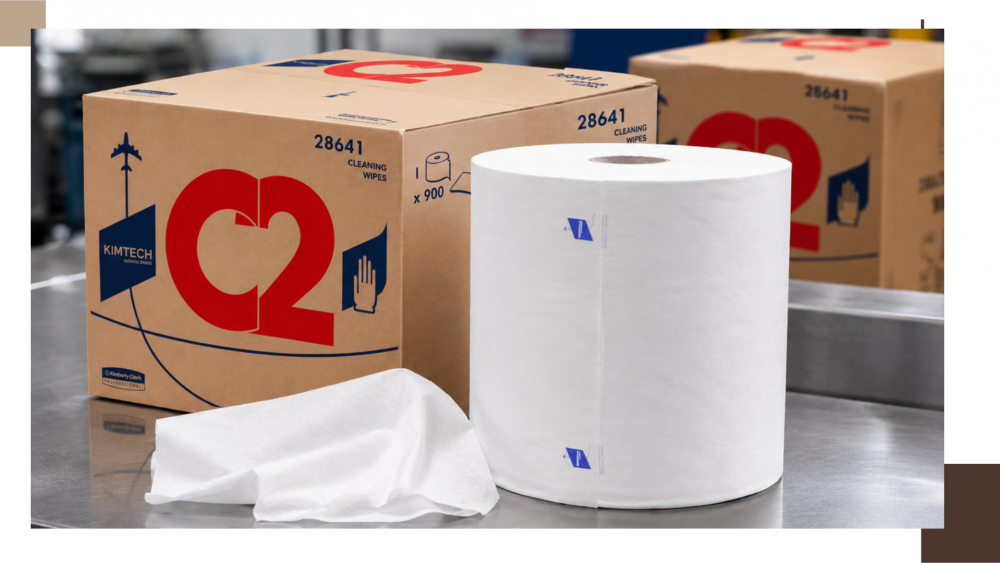
1. Roll Format Suitable for high-frequency, continuous-use spots such as beside machinery, maintenance benches, auto repair shops, or cleaning stations on production lines. Key advantages include dispensing desired lengths to minimize waste, and convenient access throughout the workday.
2. Sheet Format Suitable for tasks that require controlling usage per time or distributing to employees across workstations, such as assembly work, quality inspection, or areas requiring clear organization.
3. Low Lint Type Designed for tasks where no lint residue can be left on surfaces, such as spray painting, printing, electronics, or wiping surfaces prior to critical processes where tiny fibers can directly impact work quality.
4. Oil-Absorbent Type Suitable for repair shops, machinery work, and areas requiring regular wiping of oil stains. The structure is engineered to absorb oil well, not tear when encountering heavy grime, and not spread stains while wiping.
5. Chemical- and Solvent-Resistant Type For tasks requiring paper to be used with cleaning solutions, solvents, or specialized chemicals, you should choose a type genuinely resistant to those liquids, non-disintegrating, and leaving no debris on the surface after wiping, as conventional paper may degrade or break down when exposed to certain chemicals.
How to Choose the Right Industrial Wipes for the Job
Choosing cost-effective industrial wipes does not start with the price per roll or per sheet, but begins with the question of whether the paper genuinely fits the actual work. Making the wrong choice can lead to higher consumption, insufficiently clean results, or harder-to-solve problems.
1. Identify what type of stains need to be wiped General water spills versus engine oil, grease, ink, or chemical stains require different grades of wipes. Wiping a technician's hands versus prepping surfaces before spray painting also demands different properties. Always start here.
2. Determine how low the lint level needs to be For general wiping tasks, a small amount of lint may not be an issue. However, for spray painting, printing, electronics, or workpieces requiring high surface cleanliness, a dedicated Low Lint type should be selected.
3. Check wet strength Some papers appear thick and dense, but tear easily once in contact with liquids. If you need to wipe oil, chemicals, or other liquids, choose a type that maintains its strength when wet, does not disintegrate, and leaves no debris on the workpiece.
4. Consider the usage format For workstations with frequent and continuous use, roll types are generally more convenient because they easily mount on dispensers. However, if you need to control consumption per person or per use, sheet types are more suitable.
5. Evaluate real-world cost-effectiveness A cheaper price per roll does not always mean greater savings. If you have to use multiple sheets per task or it constantly tears—forcing you to grab more—a slightly more expensive wipe that finishes the job in fewer sheets is usually more cost-effective in the long run.
6. Consider compatibility with on-site standards The food, pharmaceutical, electronics, or cleanroom industries often have specific regulations regarding materials used in production areas. Always check product specifications carefully beforehand, and regular paper towels should not be used as substitutes without risk assessment.
Common mistakes when choosing industrial wipes
Industrial wipes may seem simple to use, but in practice, many factories still select the wrong type or use them improperly for the task, leading to unnecessary waste or suboptimal results.
Using regular tissue paper for heavy-duty stains The most common misconception is that any paper can wipe just the same. However, when regular tissue comes into contact with oil or grease, it easily tears, shreds, and requires multiple sheets to get the job done—which ultimately is not economical at all.
Using rag scraps without quality control Cloth rags seem economical, but without sorting or control, they may carry dust, lint, or old residues unnoticed. For tasks requiring high cleanliness, this is a risk many overlook just because of the cheap price tag.
Choosing paper based solely on the cheapest price Price per roll is not always a good indicator. Paper that is thin, tears easily, has low absorbency, or leaves behind heavy lint often requires more sheets per job, making the actual calculated cost higher than paper with a slightly higher upfront price.
Using a single type of paper for all tasks Using one type of paper to wipe hands, clean machinery, absorb oil, and wipe delicate workpieces is a compromise that yields subpar results across all tasks. Categorizing paper properly according to task characteristics genuinely reduces waste and enhances quality.
Ignoring lint issues in precision tasks For painting, parts assembly, or electronics, tiny lint fibers invisible to the naked eye can lead to defective work, rework, or quality issues that are harder to fix than choosing the right wipes in the first place.
Are industrial wipes more cost-effective than regular tissue paper?
Looking only at the price per roll or per pack, regular tissue paper clearly seems cheaper. However, the upfront price on the box is not always the true cost.
In factory or technician work, the true cost includes the number of sheets used per task, the time wasted re-wiping, and the risk of lint or shredded paper affecting workpiece quality. Industrial wipes use fewer sheets, finish heavy messes more completely, and better mitigate these issues when applied to suitable tasks.
However, not every task requires industrial wipes. For light-duty tasks like general hand wiping, table cleaning, or office use, regular tissue paper is sufficient. Cost-effectiveness is achieved by matching the paper to the task, not by using more expensive options in every situation.
Frequently Asked Questions about Industrial Wipes
Can industrial wipes replace machine shop rags? They can replace rags in many cases, especially for tasks requiring consistent cleanliness and minimizing inconsistent rag quality. The advantage is that they are immediately disposable without concerns over cross-contamination. However, if the job requires heavy scrubbing or high friction, suitability should be evaluated based on the specific nature of the work.
Can they be used to wipe oil? Yes, but you must choose a type specifically designed for absorbing oil. Many types of industrial wipes handle oil stains much better than regular tissue paper, both in terms of absorbency and durability while wiping. You should check the product specifications to match the type of oil or stain you are dealing with.
Can it be used with chemicals? You should not assume that every type of paper can handle all kinds of chemicals. For tasks involving solvents, concentrated chemicals, or specialized liquids, always check the product specifications and safety requirements before use.
Do industrial wipes leave lint? It depends on the type; not all of them are low-lint. If the job requires a genuinely clean surface—such as painting, electronics, or precision components—you should choose a model that explicitly specifies low-lint properties rather than making assumptions.
Can it be used for food-related applications? In some cases, yes, but you must verify whether the product is certified for food-contact areas. Standard wiping paper should not be used in food processing plants without prior suitability assessment.
Why not just use regular tissue paper instead? Because tissue paper is not designed for heavy-duty tasks. When exposed to oil, machinery, or surfaces requiring true cleanliness, tissue paper often tears, shreds, leaves lint, and is consumed at a much higher rate. For light, everyday tasks, tissue paper is sufficient, but in real work environments, selecting the right material for the job is always more cost-effective.
Industrial wipes are suitable for tasks that regular tissue paper cannot handle
Industrial Wipes They are cleaning materials specifically engineered for heavy-duty work—whether for technicians, maintenance, machinery, or manufacturing tasks that demand a level of cleanliness regular tissue paper cannot deliver. Key advantages include greater toughness, better wiping tear resistance, higher liquid absorption, and reduced lint on workpieces for certain models.
In a direct comparison, tissue paper is still suitable for light, everyday tasks. However, when the job demands dealing with oil stains, grease, ink, paint, or machinery grime, industrial wipes are the choice that delivers superior results and better long-term value.
Factors to consider before choosing include the nature of the stains, lint requirements, wet strength, usage format, and workplace standards. Choose the right match for your application, and the payoff will be fewer sheets used, shorter cleaning times, minimized lint residue, and a tangibly improved workflow in your facility.