


 EN
 ไทย


Customers Also Purchased
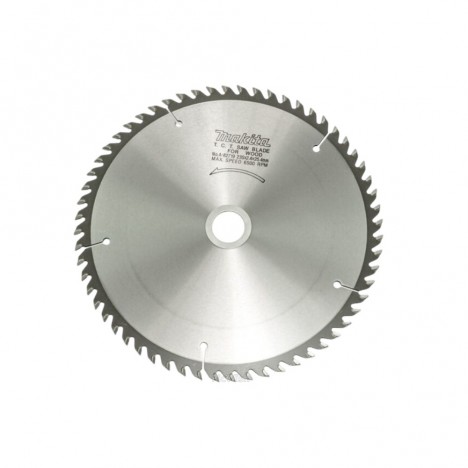


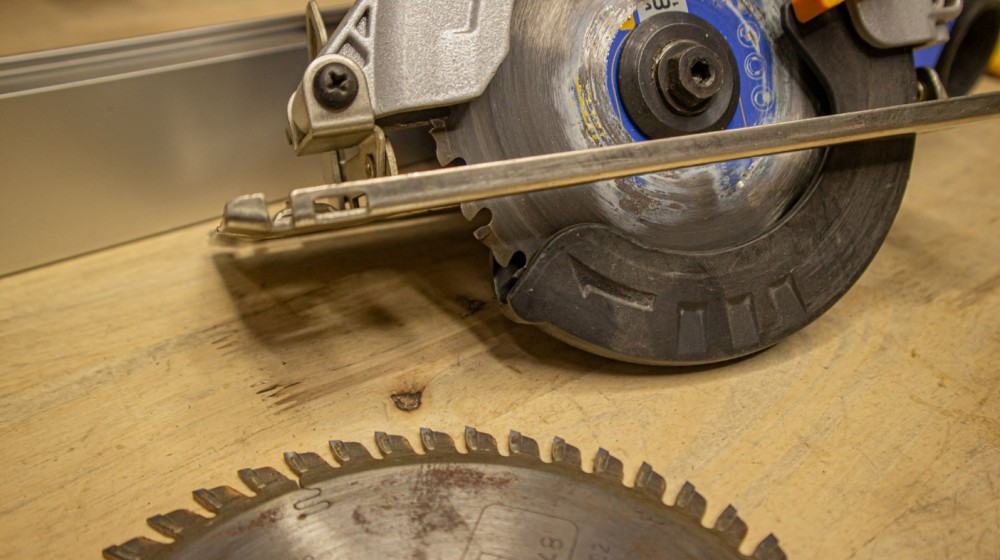
Every time it comes to Circular Saw Blade there is a question that seems very simple: “Which direction should circular saw blade teeth actually face?” Some people look at the image on the box, look at the tooth direction, or rely on habit from their old machine. But once you switch to another saw, or move from a regular circular saw to a track saw, miter saw, or metal cutting saw, the direction you memorized can easily cause confusion.
This directly relates to safety, cut quality, circular saw blade lifespan, and motor load. Circular saw blades are designed for the teeth to cut into the material in a direction aligned with the machine's rotation. If installed backward, even if the machine spins, the blade may not cut properly, catch, or cut unevenly, causing machine vibration, or in some cases significantly increasing the risk of kickback.
In this article, we will look at how to properly install a circular saw blade, where to check, which way the teeth should face, why some machines seem to have teeth pointing up while others seem pointing down, and what to check when changing the blade yourself before turning on the machine. This way, you won't just memorize it blindly, but truly understand the operating principle of a circular saw blade.
Circular saw blades cut via rotational direction
Know Before Choosing: 7 Frequently Asked Questions About Circular Saw Blades for Proper Use The question of which direction the saw teeth should face is often answered briefly by saying: follow the arrows on the circular saw blade and the machine. But if we leave it at that, it may still be confusing. When holding the tool at a different angle, flipping the machine over, or looking from the left or right side, the tooth direction seems to change constantly.
The key principle for checking circular saw blade direction can be broadly outlined like this:
- The blade must rotate in the direction designed by the tool. Primarily check the machine's rotational direction, rather than relying on intuition or just the angle you are viewing the blade from.
- The saw teeth must cut with the front leading edge The cutting edge of the teeth should engage the material first, rather than letting the back of the teeth scrape or rub against the workpiece
- Handheld circular saws may appear to have different directions Generally, the bottom teeth of the blade rotate into the workpiece and cut from the bottom upward, but the visual perspective may differ depending on the motor position and blade guard of each model
A point that should not be used as the sole rule of thumb is assuming "teeth must point up" or "teeth must point down," because this answer might be correct for one machine but wrong for another—especially if it is a miter saw, table saw, or metal cutting saw where the feed direction is not the same
A safe and highly accurate principle is to align the directional arrow on the circular saw blade with the rotation arrow on the tool
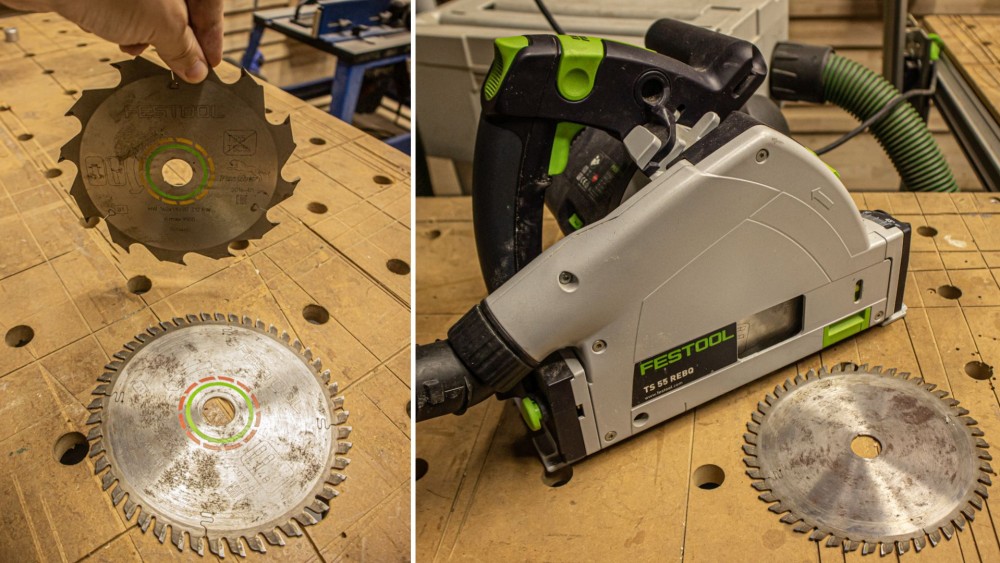
The arrow on the circular saw blade is more important than you think
On most circular saw blades, there is a rotation arrow printed near the specification information, such as blade size, number of teeth, or maximum RPM This arrow is the key indicator showing which direction the blade should spin when mounted on the tool
Circular saws also typically feature a rotation arrow. The easiest check is: "The arrow on the blade must match the direction of the arrow on the tool" If they match, the risk of mounting the blade backwards is minimized, whether looking at the tool from the left or right side
Before tightening the blade onto the arbor every time, always pause and check these two points: the arrow on the circular saw blade and the arrow on the tool. Relying solely on tooth shape or habit can lead to backward installation when switching tools or using a different blade model
If the circular saw blade has no arrow, what should you look for instead?
If the arrow on the blade is faded or unclear, look at the tooth geometry instead. Circular saw teeth have a sharp cutting edge designed to cut into material. As it rotates forward, the front face of the tooth should engage the material first, rather than having the back of the tooth rub against the workpiece
For standard wood cutting blades, the tooth tips lean forward in the direction of rotation. If installed backwards, the tool may still spin, but the teeth will not cut properly, resulting in rough cuts, requiring extra pushing force, and putting heavier strain on the motor
However, you should not guess by tooth shape alone, as different blade types have different tooth geometries. The safest method is to consult the tool's manual, check markings on the machine, or have an experienced person inspect it before use
Standard handheld saws: Which way should the circular saw blade teeth face?
For handheld circular saws used for general wood cutting, adhere to the principle that the blade must rotate in the direction specified by the tool, and the teeth must cut into the workpiece with their leading sharp edges, not backwards against the tool's rotation. Normally, when placing the tool on the workpiece, the lower teeth of the blade rotate upward into the workpiece, cutting the wood along the direction of rotation.
What confuses many people is that some models place the blade on the left side, while others place it on the right side. When looking from different sides, the apparent direction differs, even though the actual principle remains the same: always align the arrow on the circular saw blade with the arrow on the tool itself, rather than relying solely on visual memory of the teeth.
Why do some people say the teeth must face forward?
The phrase "teeth facing forward" can apply in certain cases, but it remains ambiguous because "forward" could mean the front of the tool, the push direction, or the side from which you view the circular saw blade. Therefore, it should not be used as the sole rule of thumb.
A safer principle is to check the tool's rotation direction and the arrow on the blade, because the true objective is to have the sharp tooth edges cut into the material according to the rotational cycle designed by the manufacturer.
Miter saws, table saws, or track saws: Is the tooth direction the same?
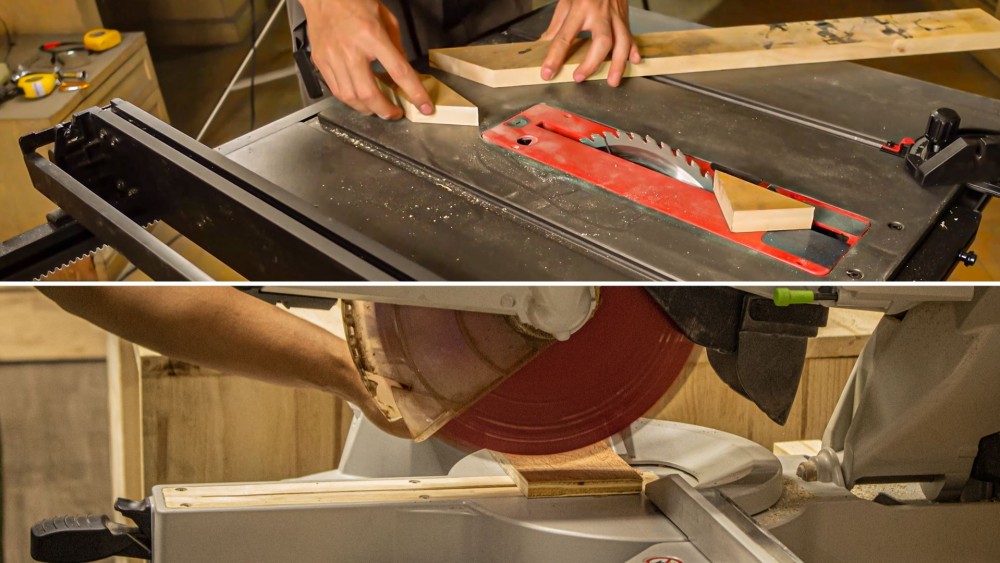
An In-Depth Look at the Relationship Between Tool RPM and Circular Saw Blades Circular saw blades are not used on just one type of tool; they are also used with track saws, miter saws, table saws, aluminum cutting saws, and certain metal cutting saws. Even though the blades look similar, the feed direction and the point where the teeth cut into the material may differ.
For example, miter saws typically rotate the blade downwards into the workpiece from above, while table saws have the blade protruding upward through the table with the workpiece fed through it. Meanwhile, track saws are similar to handheld circular saws. Therefore, do not apply the logic of one tool to another; always refer primarily to the arrow on the tool and the arrow on the blade.
Can circular saw blades for cutting wood and metal be installed in reverse?
Each type of circular saw blade is designed with different tooth geometries, gullet clearance angles, and tip materials. Blades for wood, aluminum, laminate, or metal should not be reversed as a generalized workaround.
If you need to cut different types of materials, simply select a circular saw blade matched to that material: such as a wood-cutting blade for wood, a fine-tooth blade for smooth finishes, an aluminum blade for soft metals, or a dedicated blade for metal cutting saws. This method is safer and yields more predictable results.
What happens if a circular saw blade is installed backwards?
If a circular saw blade is installed backwards, common symptoms include the tool failing to cut through, requiring excessive pushing force, rough cuts, and generating smoke or a burning smell because the teeth are not cutting with their intended sharp edges, effectively scraping or rubbing across the work surface instead.
Another point to watch out for is that the tool may vibrate, produce abnormal cutting sounds, strain the motor, and wear out the tooth tips prematurely even if the blade is brand new. Forcing the cut can make the tool harder to control and increases the risk of binding or kickback.
Signs indicating a circular saw blade might be installed in the wrong direction
If the circular saw blade does not cut smoothly, the cut burns easily, debris is ejected in the wrong direction, the tool vibrates, makes abnormal grinding noises, or feels like it requires excessive pushing force, stop using it immediately and unplug it or remove the battery to inspect the blade again.
Keep in mind that a properly used circular saw should never struggle constantly through a cut. If the tool is working unusually hard, it could be due to the wrong blade type, a dull blade, improper depth setting, or installing the circular saw blade in the wrong direction. How often should a circular saw blade be used, and how long before it needs replacing?
Choosing the right circular saw blade for the job is just as important as installing it correctly
Even if the circular saw blade is installed in the correct direction, selecting the wrong blade type can still yield poor results. A coarse-tooth blade may cause chipped cuts, while an overly fine-tooth blade can overwork the motor and fail to clear debris in time.
The tooth count also directly affects cutting speed and smoothness. Blades with fewer teeth typically cut faster and are suitable for rip cuts or jobs where a smooth finish isn't critical. Blades with more teeth provide a finer, cleaner cut, making them ideal for sheet goods, furniture making, or applications where tear-out needs to be minimized.
In addition to tooth count, the tooth angle and tooth geometry are also crucial. Wood cutting blades, laminate blades, aluminum blades, or soft metal blades are all designed differently. Therefore, you must select the right blade for the material, rather than just focusing on which direction the blade is installed.
Common Mistakes People Make When Installing a Circular Saw Blade
There are only a few common mistakes made when installing a circular saw blade, but they directly affect both cut quality and safety, such as:
- Installing the blade out of habit: Relying solely on memory of the tooth orientation can lead to mistakes. Always check the arrows on both the blade and the tool.
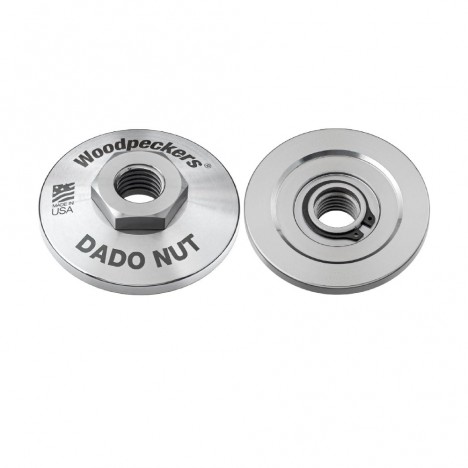
- Installing the washer or flange incorrectly: The blade may be off-center, causing vibration, rough cuts, and motor strain.
- Incorrect blade bolt tightening: Too loose, and the blade won't be secure; too tight, and you risk damaging the threads or components. Tighten according to the tool's manual.
If the circular saw blade is installed correctly but still cuts poorly, don't jump to the conclusion that the tool is broken. Check other factors: whether the blade matches the material, if the blade is dull, the blade depth setting, whether the workpiece is securely clamped, if the cut line has obstructions or hidden nails, and whether you are feeding the saw too fast.
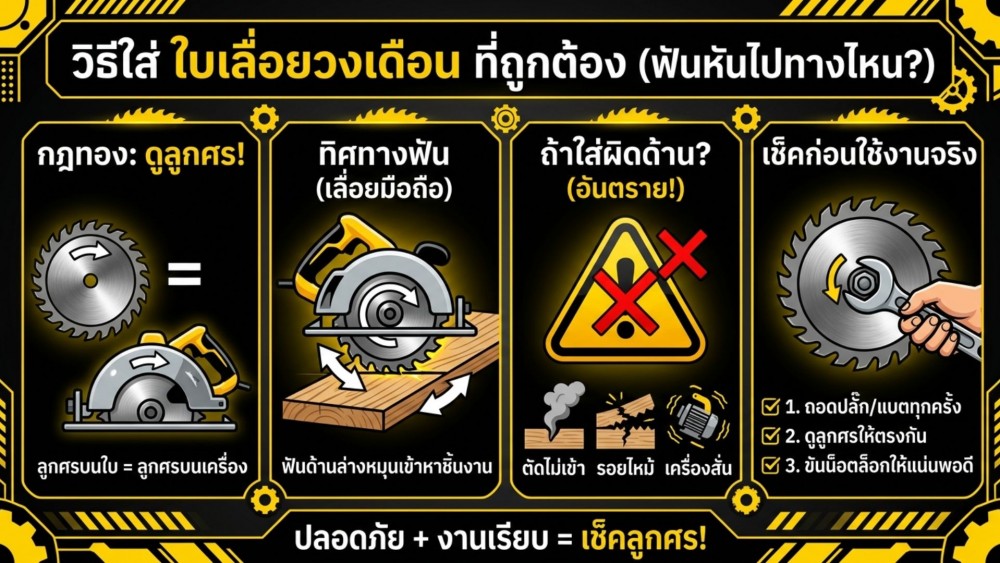
Summary: How to Properly Install a Circular Saw Blade – Which Way Should the Teeth Face?
The teeth of the circular saw blade must face the tool's direction of rotation, and the arrow on the blade must always match the arrow on the tool. Don't just memorize whether the teeth should point up or down, because different types of saws may look different from your perspective.
If the blade is installed backward, the tool may struggle to cut, cause burn marks, vibrate, overload the motor, and become harder to control. Therefore, always pause to double-check before operation, especially when switching to a new blade or using an unfamiliar tool.
Checklist before installing a circular saw blade:
- Always unplug the power cord or remove the battery before changing the blade.
- Align the arrow on the blade with the arrow on the tool.
- Check that the blade size, flange, and locking bolt are properly secured before use.
Just checking these 3 points helps prevent installation errors Circular Saw Blade and makes cutting operations two to three times safer.