


 EN
 ไทย


Customers Also Purchased
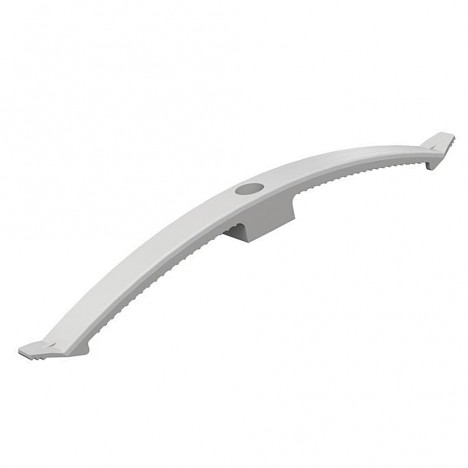
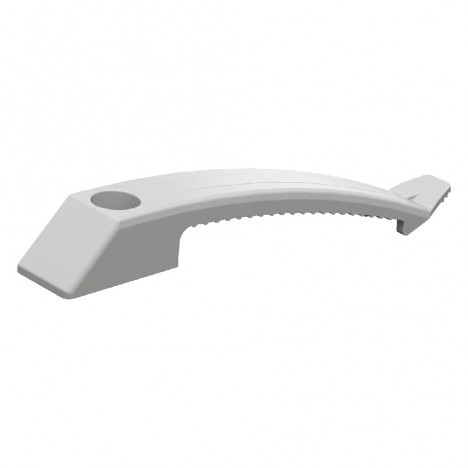


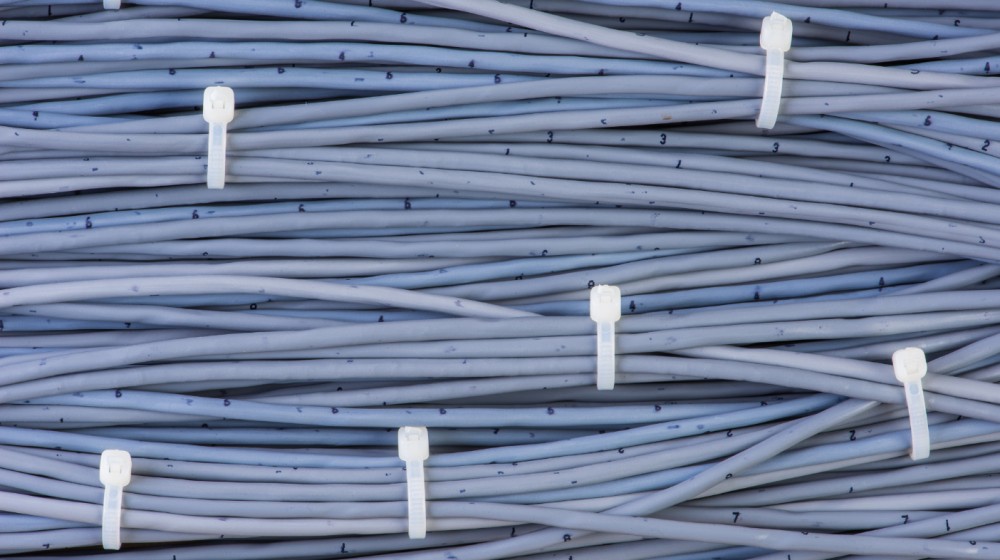
Cable Tie It is a small, familiar item that many people use to bundle cables, organize computer cords, tie things up, and handle handyman tasks, gardening, household chores, office setups, and even factory jobs. Most of the time, we grab one without giving it much thought because it seems like such a simple tool: just insert the tip, pull it tight, and trim off the excess.
In actual use, however, many people encounter the same common issues: cable ties breaking easily, failing to hold tightly, slipping out of the locking head, becoming brittle and snapping quickly when used outdoors, or crushing and marring cables because they were pulled too tight. These problems don't necessarily mean the cable tie is defective; rather, they often stem from choosing the wrong tie for the job in the first place.
Cable ties differ by more than just "color" or "length"—they also vary in material, width, tensile strength, UV resistance, heat resistance, and design. Choosing the right one from the start results in a neater installation, longer lifespan, and fewer headaches from having to redo the job later.
This article walks you through 5 essential things to know before buying cable ties in an easy-to-understand way based on practical use. It is ideal for anyone looking to buy cable ties for home, DIY, electrical, cable management, or outdoor projects.
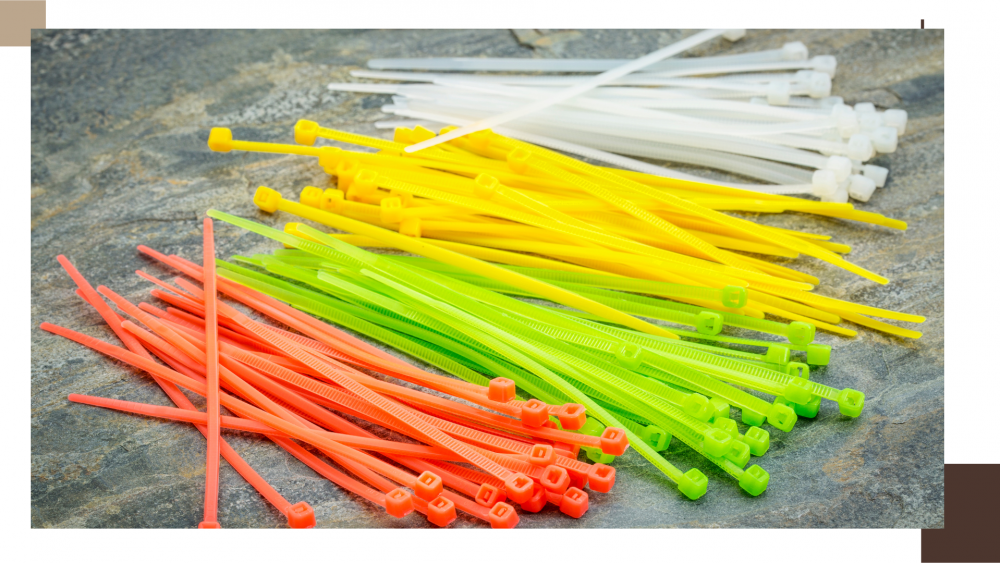
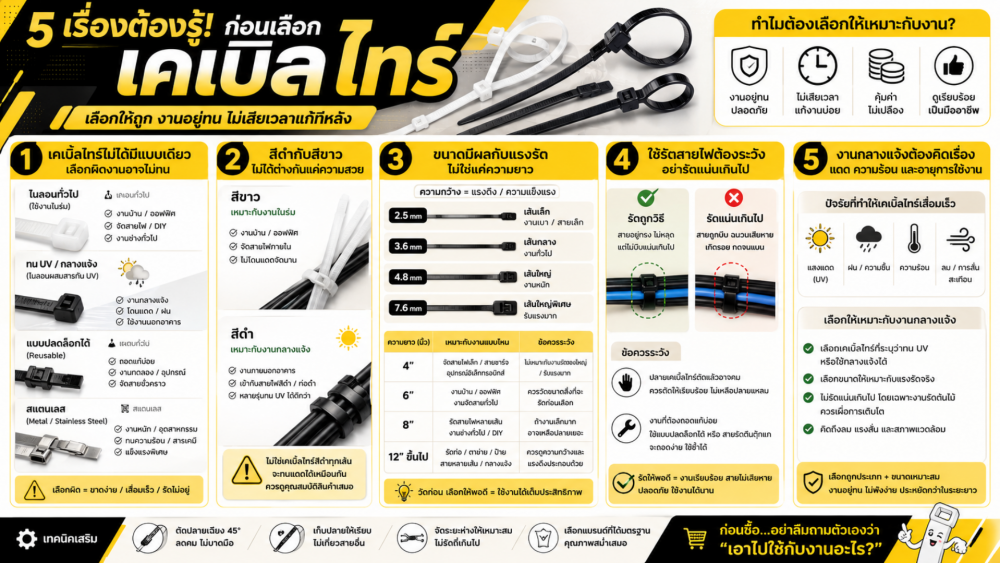
1. Cable ties are not one-size-fits-all: choosing the wrong type leads to poor durability
Many people assume cable ties only come as plain white or black plastic strips. In reality, there are various types, each suited for different applications. Using the wrong type can cause issues ranging from poor holding power and premature breakage to difficulty making adjustments, or rapid degradation when used outdoors.
The most common type is the standard nylon cable tie, used for household chores, wire routing, office organization, DIY projects, and general handyman tasks—such as tidying cables behind desks, bundling LAN cables, organizing extension cord wires, or lightly securing items neatly. Their key strengths are ease of use, affordability, and wide availability in various sizes.
However, for jobs exposed to prolonged sunlight, rain, or outdoor conditions, standard cable ties may not be the best choice because plastic degrades, turns brittle, and snaps more quickly. For outdoor installations—such as routing exterior wiring, securing pipes, tying mesh or netting, hanging signs, or garden applications—you should choose cable ties specifically designed for outdoor use.
In addition, there are releasable cable ties, which are ideal for setups that require frequent adjustments, such as computer cables, chargers, test equipment wiring, or temporary bundling. Stainless steel cable ties, on the other hand, are built for heavy-duty, industrial use, extreme durability, or environments where plastic fails, such as high-temperature areas, harsh conditions, or outdoor installations demanding extra strength.
Therefore, before buying, don't just ask, "How many inches long do I need?" First ask, "What job am I using this for?" because each application requires a different type of cable tie.
2. Black vs. white: it's not just about aesthetics
White and black cable ties are the two most common options. Many people choose based solely on aesthetics or how well they match the space—using white ties for white cables and black ties for black cables. While that is fine for general indoor or office cable management, when it comes to outdoor use, the color of the tie plays a much bigger role in performance.
Generally, white cable ties are best suited for indoor applications, such as organizing home wiring, bundling cords behind a desk, securing appliance cables, office use, packaging, or general tasks not exposed to intense direct sunlight for extended periods. White looks clean, is easy to see, and blends well with indoor environments.
Black cable ties, on the other hand, are more commonly chosen for outdoor use because they look neat against black wiring, conduits, and exterior surfaces, and many models are engineered to better withstand outdoor environments—particularly those specified as outdoor-rated or UV-resistant.
However, it is important to realize that not every black cable tie has the same level of UV resistance. If you truly need them for outdoor use, check the product specifications rather than relying on color alone, as some cheap black cable ties lack sufficient UV inhibitors and will still turn brittle, crack, or break after a short time.
For general indoor use, you can choose white or black based on visual preference. But for exterior applications, selecting cable ties explicitly rated for outdoor use or featuring sunlight and weather resistance is safer and much more cost-effective in the long run.
3. Cable tie size affects tensile strength, not just reach
When choosing cable ties, many people only look at the length—such as 4 inches, 6 inches, 8 inches, 12 inches, or 14 inches—assuming that as long as it reaches around the bundle, it will do the trick. In reality, cable tie dimensions include more than just length; width is equally critical because it directly impacts strength, tensile rating, and suitability for the task.
Narrow, small cable ties are designed for light-duty tasks, such as bundling thin wires, organizing USB and charging cables, managing LAN patch cords, or tying small items. These applications do not require high tensile strength, and using ties that are too thick can look bulky and clumsy.
Medium-sized cable ties are better suited for general-purpose jobs, such as bundling multiple electrical wires, organizing cables behind desks, securing small conduit, grouping tools, or general workshop tasks. Longer and wider cable ties are designed for larger-diameter bundles—such as pipes, thick cable runs, netting, signage, or heavy items requiring significantly higher holding strength.
If you choose cable ties that are too short, they won't reach or lock securely. If you choose ties that are too small for high-stress applications, they may snap, slip out of the locking head, or wear out quickly. Conversely, choosing ties that are unnecessarily large can make them stiff, difficult to work with, leave a long excess tail that requires excessive trimming, and look untidy.
This table makes it easier to visualize.
| Cable Tie Size | Suitable Applications | Precautions |
| 4 inches | Organizing small wires, charging cables, electronic device cords | Not suitable for bundling large objects or high-load applications |
| 6 inches | Household use, office use, general cable management | Measure the bundle size before choosing |
| 8 inches | Bundling multiple cables, general maintenance, DIY projects | May leave a long tail if used on very small bundles |
| 12 inches and above | Securing pipes, mesh/netting, signs, large bundles of cables, or certain outdoor applications | Width and tensile strength should also be considered |
Therefore, before purchasing, you should roughly measure the size of the items you need to bundle and determine how much tensile strength is required. Don't buy purely out of habit, as light-duty, heavy-duty, indoor, and outdoor applications all require different sizes.
4. Be careful when bundling cables: do not over-tighten
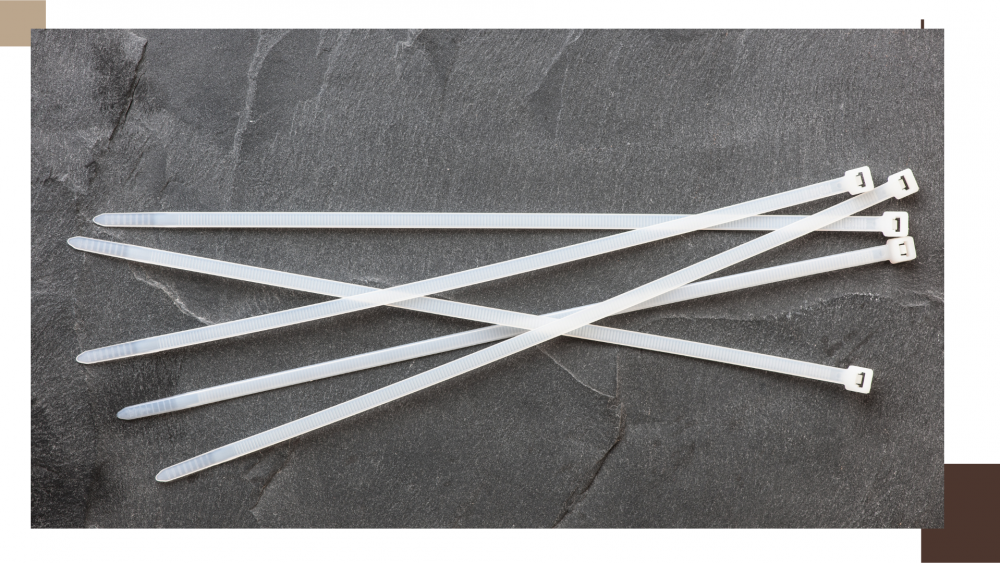
One of the most common uses for cable ties is bundling or organizing wires and cables—whether behind desks, inside electrical panels, on machinery, IT equipment, or various workstations. Using cable ties keeps everything looking neat, prevents tangling, and simplifies future maintenance.
However, a frequent mistake is over-tightening. Many people assume that tighter is always better to keep cables from shifting. But when dealing with wiring, over-tightening can crush or crease the insulation, deform the cables, or cause long-term damage—especially for cables subjected to movement, high temperatures, or vibration.
The proper method is to bundle cables snugly so they hold their shape, don't slip, and stay organized, without pulling so tight that the cables are pinched or dented. If you feel that the cables are flattened or completely immobilized, they might be too tight. Leave just enough give to avoid applying unnecessary pressure to the cables.
Another point to watch out for is that the cut ends of cable ties can be sharp. If not cut flush, they can cut your hands during future wiring or maintenance, especially inside electrical panels or spots where technicians must reach in. Cut them neatly without leaving protruding sharp edges.
For applications requiring frequent adjustments—such as computer desks, charging cables, camera cables, or cords for devices that are often rearranged—consider using releasable cable ties or Velcro straps instead. They are easy to remove, reusable, and cut down on waste.
In short: cable ties are great for organizing wires, but they should be fastened appropriately—not always pulled as tight as possible.
5. Outdoor work demands consideration of sunlight, heat, and lifespan
Cable ties used indoors versus outdoors face vastly different environments. Indoor use usually encounters just dust, mild humidity, or normal usage, but outdoor conditions involve sunlight, heat, rain, humidity, wind, and temperature fluctuations—all of which affect cable tie longevity.
Using standard cable ties outdoors—such as tying exterior wiring, water pipes, netting, signs, trees, or garden items—can cause the plastic to turn hard, brittle, and crack over prolonged sun exposure. Even a slight pull or shift can snap them instantly, causing fixtures to loosen or fail.
Therefore, for outdoor use, choose cable ties better suited to weather conditions, especially models specified as outdoor-rated or UV-resistant. Also select a size matching the actual holding tension, rather than using ties that are too thin for high-stress applications.
Additionally, consider the nature of the application. For instance, when tying trees, do not pull them too tight, as trees continue to grow and the ties can cut into or damage the trunk. For signs or outdoor equipment, allow for wind force and vibration. In areas with high heat or near machinery, materials more heat-resistant than standard plastic may be required.
Outdoor jobs shouldn't be treated with a "whatever works for now, I'll replace it later" mindset. When dealing with wiring, signs, or equipment that must be securely fastened, choosing the wrong cable tie can cause items to detach, waste time on fixes, and compromise safety.
Cable ties are small items, but choosing the right one significantly extends durability
Cable Tie They are easy to use, budget-friendly, and extremely useful across many applications. However, choosing the right type matters more than many think, as cable ties do not come in just one variety, nor do they differ solely by color or length.
For home cable management, standard nylon or releasable ties might be ideal. For outdoor applications, look for weather- and sun-resistant models. For large-scale bundling, evaluate size and tensile strength. For wiring, avoid over-tightening. And for heavy-duty, high-heat, or industrial applications, select materials tougher than standard plastic.
Before buying cable ties, thoroughly review the type, color, size, material, and operating environment. Choosing correctly from the start ensures neater work, longer service life, and eliminates issues with ties snapping easily, becoming brittle quickly, or failing to hold securely.