


 EN
 ไทย


Customers Also Purchased
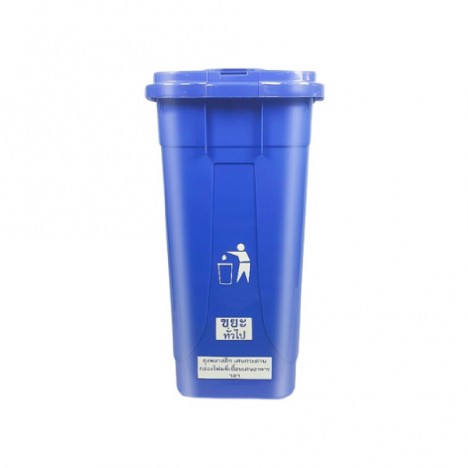
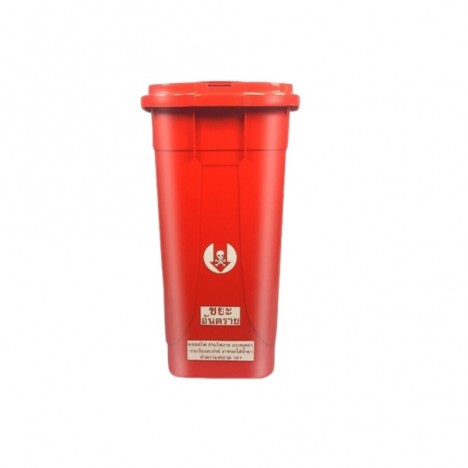
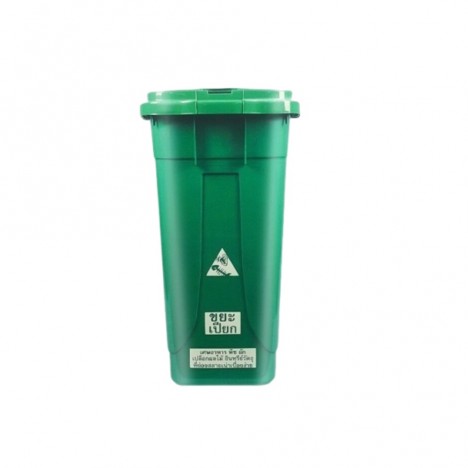
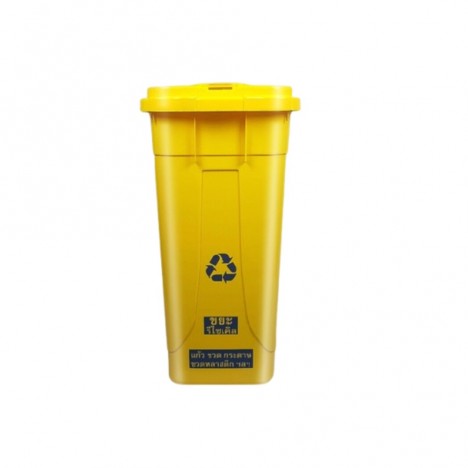
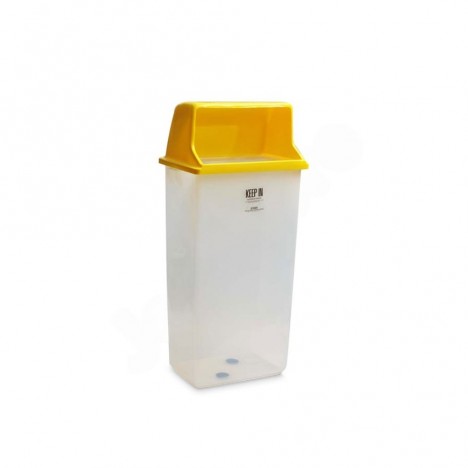
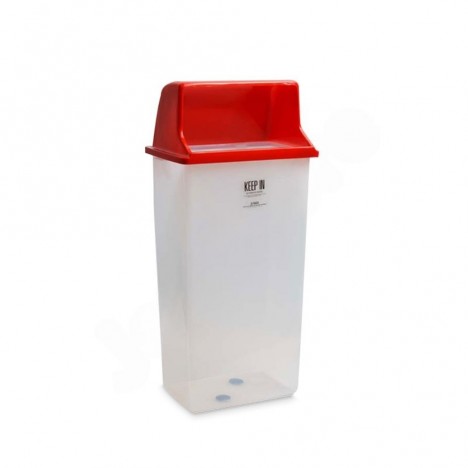
Many places have begun prioritizing waste sorting, whether in homes, offices, schools, restaurants, cafes, office buildings, or common areas of residential communities and condos. As a result, we see Recycling Bins more bins being placed, including green, yellow, red, and blue bins, or multi-compartment bins with clear waste classification labels.
However, a common problem is that even when sorted bins are provided, people still throw trash into the wrong bins. Plastic bottles end up in general waste, food scraps get mixed into recycling bins, oily curry bags are discarded with paper, or sometimes everything ends up in a single bin just like before.
This does not necessarily mean people do not care about the environment, nor does it mean having sorting bins is useless. Often, the issue lies in the "practical system" itself—such as unclear labels, misplaced bins, bin colors that don't match public perception, bins that are difficult to open, or a lack of concrete examples of waste types.
Generally, waste sorting in Thailand is explained using standard bin colors: yellow for recyclable waste, green for biodegradable or organic waste, red for hazardous waste, and blue for general waste that is not worth recycling. This is the guideline many agencies use to communicate with the public. However, knowing the colors alone may not be enough if the actual setup is not designed to be easily understood and used.
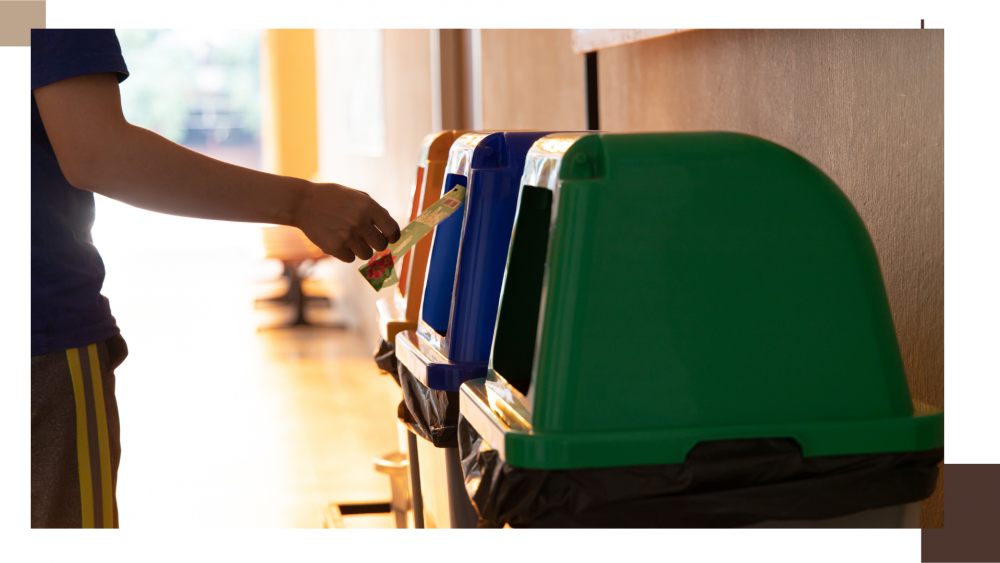
Having sorting bins does not guarantee people will sort trash correctly.
Many people might think that having waste sorting bins in all 4 colors would solve the problem of throwing trash into the wrong bin. In reality, trash bins are merely "tools." What matters more is that users immediately understand which compartment their trash belongs in without having to stop and think.
Just picture this: you're holding a plastic coffee cup with leftover ice, a straw, a lid, milk stains, and a soiled napkin. Right in front of you are 4 bins labeled "General Waste / Recyclable Waste / Organic Waste / Hazardous Waste." Many people would hesitate immediately: should this cup go into the recycling bin because it's plastic, or general waste because it's dirty, or should the ice be poured out first?
This kind of hesitation happens all the time in everyday life. If someone is in a rush, standing in a crowded area, or the bin smells bad, they will likely choose the easiest option: tossing it into the nearest bin or the one that seems like an "anything goes" bin.
Therefore, solving the problem of misthrown waste isn't just about buying more bins; it requires making the sorting system "easy to understand, easy to use, and aligned with real human behavior."
Reason 1: Unclear bin labels or wording that is hard for the public to interpret
One of the most common causes is that the labels on the bins are not clear enough. Some places only label them "Recycle," "General," "Organic," or "Hazardous." While technically correct regarding waste categories, it may not be enough for everyday users because they might be unsure which category their trash falls into.
For example, is an oily plastic food container considered recyclable? Should used tissue paper go into general or wet waste? Which bin does a plastic coffee cup with liquid left in it belong to? Where should batteries be disposed of? These are real questions people encounter, and if the labels don't provide answers, the likelihood of throwing trash into the wrong bin is very high.
A practical solution is that signs should include both the "waste category name" and "actual examples of waste found in that specific area." For example, in an office, include examples like coffee cups, document paper, water bottles, food containers, and snack bags. In a school, include milk bottles, milk cartons, snack wrappers, and food scraps. In a restaurant, include food waste, tissues, plastic cups, straws, cup lids, and takeout bags.
A good sign doesn't need a lot of text, but it must provide quick answers, for example:
| Bin Type | Confusing Sign | User-Friendly Sign |
| Recyclable Waste | Recyclable | Water bottles, cans, clean paper, clean plastic |
| General waste | General | Snack wrappers, used tissues, food-stained bags, dirty foam containers |
| Organic Waste | Organic | Food waste, fruit peels, coffee grounds, leaves |
| Hazardous Waste | Hazardous | Flashlight batteries, light bulbs, spray cans, batteries |
The key is not to make people interpret the meaning themselves, because the longer they have to think, the higher the chance they will throw it in the wrong bin.
Cause 2: Bin colors don't match the signs or are used inconsistently
Another common problem is that bin colors and waste categories are not clearly matched. Some places use the same colored bin for everything with just small labels attached; some use multi-colored bins that don't match the waste categories; some label yellow bins as general waste, or use green bins for recyclables, causing confusion.
Even within Thailand itself, communication regarding bin colors may vary slightly across certain organizations or areas. For example, some places use red for hazardous waste, while others use orange. However, the most common standard is green for compostable/organic waste, yellow for recyclables, and light blue or dark blue for general waste.
The solution is: if you choose to use color-coded bins, keep them consistent throughout the entire premises. Don't use one color scheme on the 1st floor and a different one on the 2nd floor, or one system in the office and another in the cafeteria, because people won't remember and will just dispose of trash based on their personal habits.
If you must use bins of the same color—such as for aesthetic purposes in offices or shopping malls—solve this with large signs, distinct color bands, or waste icon stickers visible from a distance, rather than small labels on the lid that require people to bend down to read.
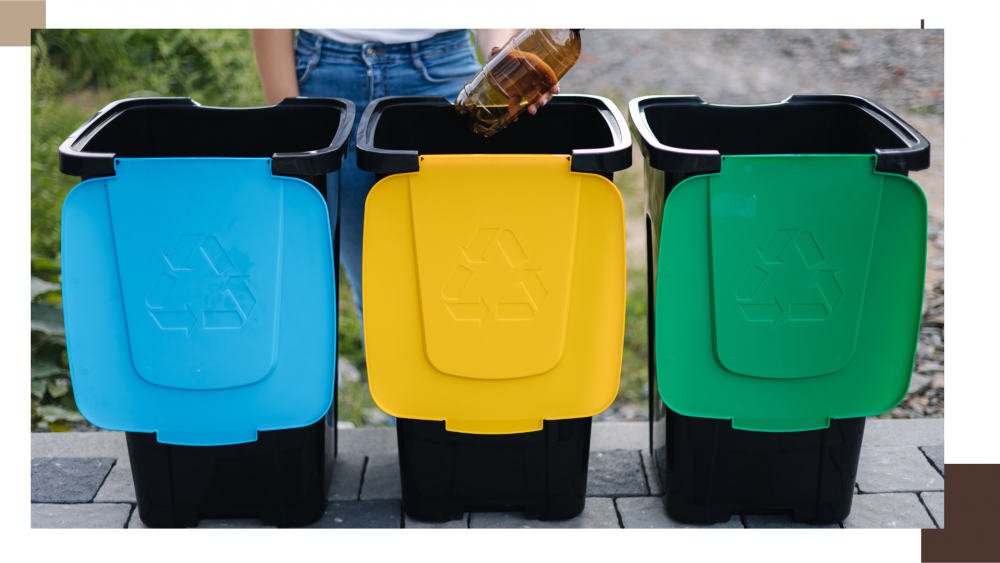
Cause 3: Bins are poorly placed, so people just use the most convenient one
Even with clear signs and colors, if bins are placed in the wrong spots, people will still dispose of waste improperly. Waste disposal behavior usually happens quickly; people tend to throw trash into whatever is closest to them, rather than walking around looking for the correct bin.
For example, in an office, if the recycling bin is placed far from the water dispenser but plastic bottles originate in the pantry or near the refrigerator, people may toss bottles into the closer general waste bin. In a cafeteria, if the food waste bin is at a different corner from the dish return station, people might discard food waste into the general bin. At home, if the wet waste bin is not near the sink, whoever is cooking might throw vegetable scraps into the mixed bin for convenience.
The solution is to observe "where each type of waste is generated" and place the bins right at those spots, rather than placing them in whatever leftover corners are available.
Examples of practical bin placement
- Coffee stations: should have bins for cups, plastics, paper, and general waste.
- Kitchens or pantries: should have paired wet waste and general waste bins.
- Cafeterias: should separate the food scrap disposal area from the container and packaging disposal area.
- Building entrances or smoking areas: should have a clearly designated cigarette butt disposal station.
- Photocopying areas: should have a bin or box for used paper.
- Beverage sales areas: should have clearly visible recycling bins for bottles and cans.
A good waste sorting bin setup is therefore not just about "having all types", but also about "being in the right place".
Reason 4: Some bins fill up quickly, causing people to mix waste together
This issue occurs very frequently, especially between recycling bins and general waste bins. If one bin fills up first, subsequent users often throw waste into the adjacent bin instead, because they do not want to leave trash on the floor or do not know where else to dispose of it. For example, if the recycling bin is full of water bottles while the general bin is still empty, someone might start tossing bottles into the general bin. Once the first person does it, the next person follows suit. Ultimately, the entire sorting system at that station falls apart.
The solution is to select bin sizes that correspond to actual waste volumes, rather than always choosing the same size for every category of bin. This is because the volume of each type of waste varies by area.
For example,
- Offices may have more recyclable waste from water bottles and paper than wet waste.
- Restaurants may generate more wet waste and soiled napkins than clean paper.
- Schools may have large quantities of snack wrappers, milk cartons, water bottles, and food scraps during breaks.
- Condominiums may see large volumes of general waste and parcel boxes at certain times.
If certain types of bins fill up quickly, you should increase their size, add more bins, or increase the collection frequency—rather than blaming people for failing to sort, because sometimes the infrastructure simply lacks adequate capacity.
Reason 5: Some waste is ambiguous, leaving people unsure of which bin to use
A lot of waste isn't as straightforward as "clean water bottle = recyclable" or "food scraps = wet waste"; rather, it is borderline waste, such as oily food containers, coffee cups with leftover milk residue, curry-stained plastic bags, used tissue paper, foil snack wrappers, pizza boxes with food stains, or plastic straws attached to beverage cups.
This category of waste causes a lot of hesitation and is often the main reason recycling bins get contaminated, because many people assume "if it's plastic, it can be recycled," even though, in practice, materials heavily contaminated with food or liquids make storage and subsequent sorting much more complicated.
The solution is to add brief instructions on the label, such as "Recyclable = must be reasonably clean and dry" or "If heavily food-stained, dispose of in general waste." Notes like this reduce confusion much better than simply writing "Recyclables."
For areas with high beverage consumption, you can set up a spot to pour out ice or leftover liquid before tossing the cups, placing the recycling bin nearby. This method helps people sort properly because they don't have to carry wet items around looking for a place to empty them.
Reason 6: Bins are hard to open, dirty, or unpleasant to use
This seems like a minor detail, but it impacts behavior significantly. Bins that stick, are hard to open, have dirty lids, smell, or carry grime will make people want to dispose of their trash as quickly as possible. Some avoid touching the lid, some throw trash from a distance, and others simply choose a bin that opens more easily, even if it is the wrong type.
Especially in restaurants, cafeterias, restrooms, or public areas, if a bin looks unhygienic, people's willingness to sort waste drops immediately because the primary urge is to get rid of it fast, not stand there and sort it.
The solution is to choose bins that suit the specific area: for example, pedal bins are ideal where minimal contact is desired, swing-top bins work well in high-traffic spots with relatively dry waste, wheeled bins are best where frequent transport for disposal is needed, and wide-opening bins are great for recyclables like bottles or cans.
In addition, there must be a clear schedule for cleaning and replacing trash bags, as dirty, messy sorting bins ruin the overall appeal and make it easier for people to throw things in the wrong bin.
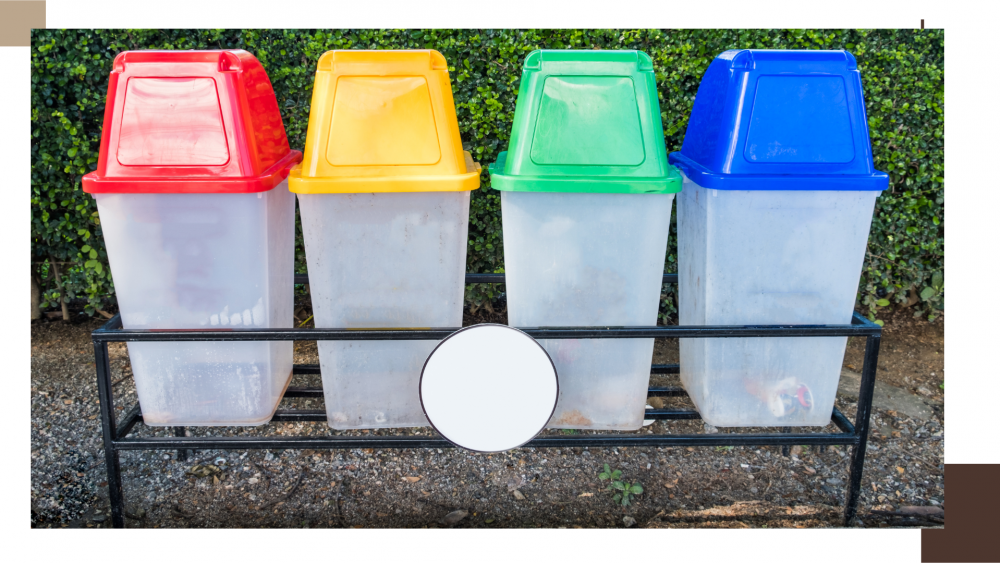
Reason 7: Lack of continuous communication leads to people forgetting or not understanding the system
Putting up signage once might not be enough, especially in places with constant newcomers—such as schools, universities, offices with new employees, office buildings, shopping malls, restaurants, or condominiums with shifting residents and housekeeping teams.
Often, people don't mean to throw things away incorrectly; they just don't know the local sorting guidelines. For instance, some places require rinsing cups before tossing, some have separate bins for food scraps, some want plastic bottles kept with caps on, and others have designated drop-off spots for shipping boxes. Without regular reminders, people simply follow their existing habits.
The solution is to provide quick guides or visual signage in high-traffic spots—such as beside bins, in pantries, near dish-return areas, in elevators, or via office/condo LINE groups. You don't need to make it sound like overly rigid rules; simply clarifying "Here's how we sort in this area" helps tremendously.
How to get people to throw trash in the correct bin more often
If you want waste sorting bins to work effectively, start by designing the system as simply as possible. You don't necessarily have to start with multiple categories. For homes, small offices, or small shops, you can begin with 2–3 common waste streams first, such as general waste, recyclables, and wet/organic waste. Once people get used to it, you can add more categories.
There are 5 key best practices:
1. Use signs showing examples of actual waste
Don't just write the waste category name—include examples of items commonly found in that specific area, such as "Water bottles, cans, clean paper" or "Food scraps, fruit peels, coffee grounds," as this allows people to understand much faster.
2. Group bins together, don't separate them in different corners
If the recycling bin is in one spot and the general waste bin is around the corner, people will discard items based on convenience. Place paired bins together, such as general waste next to recyclables, or wet waste next to general waste.
3. Choose bin sizes based on actual waste volume
Areas with a lot of plastic bottles should have larger recycling bins. Areas with plenty of food scraps should have organic waste bins with good odor control. Do not use bins of the same size for every category without considering the actual waste volume.
4. Keep bins clean and easy to use
Bins that are easy to open, clearly labeled, odorless, and not overflowing will encourage people to use them properly. If bins are dirty or uninviting, people will quickly discard trash without paying attention to the categories.
5. Communicate repeatedly with simple messaging
Use visuals, examples, and short messages such as "Heavily soiled cup = General waste", "Empty water bottle = Recyclable", "Food scraps = Green bin". Short and context-appropriate messages reduce incorrect disposal much better than long, detailed signs.
Examples of setting up waste sorting bins for various spaces
For households You don't always need to start with 4 bins. Starting with 1 general waste bin, 1 recycling bin, and 1 organic waste bin in the kitchen is often enough. For hazardous waste such as flashlight batteries, light bulbs, device batteries, or spray cans, you can separate them into a designated box and take them to a designated hazardous waste drop-off point.
For offices Sorting stations should be placed in pantries, drinking water stations, printing/copying areas, and common spaces. Recycling bins should accommodate water bottles, cans, and clean paper, while general waste bins should be placed nearby to collect snack wrappers, tissues, and contaminated packaging.
For restaurants or cafes Food waste should be clearly separated from packaging. Organic waste bins should have tight lids and be easy to clean. Beverage cup disposal points should provide instructions to empty liquid and ice before disposal. If customers discard trash themselves, signs must be especially clear.
For schools Bin colors and pictures should be used to aid communication, as children often understand visuals faster than long text. Areas where bins should be specially placed include cafeterias, playgrounds, snack stalls, and in front of classrooms, featuring examples of common items children encounter, such as milk cartons, snack bags, water bottles, food scraps, and paper.
For factories or warehouses, bins should be separated according to actual waste generated, such as general waste, recyclable waste, packaging waste, hazardous waste, or specific scrap materials. Large, visible signage is essential because these environments involve fast-paced work and continuous movement of goods.
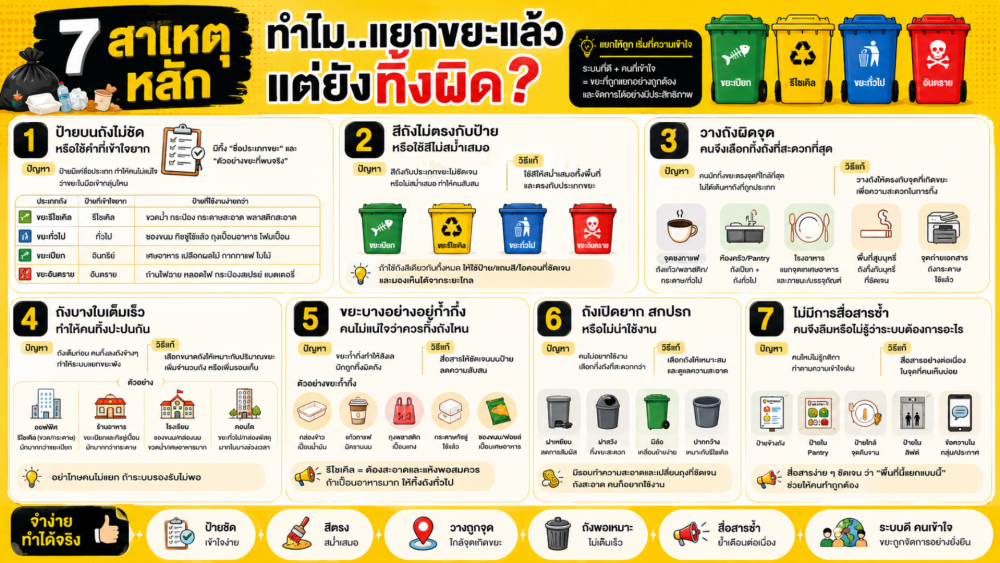
Waste sorting bins work only when people understand and find them easy to use
Having Recycling Bins Having bins is a great start, but if people still throw trash in the wrong bins, the problem might not be just the people. It may be the system design—such as unclear labels, confusing bin colors, poor placement, bins filling up too quickly, or a lack of visual waste examples.
A good waste sorting system must meet all 3 criteria: clear categorization, ease of use, and suitability for the actual behavior of people in that space. Ultimately, successful waste separation happens not because there are many bins, but because people can glance and instantly know where the waste in their hand belongs.
If you want to start a waste sorting bin system in your home, office, school, restaurant, or common area, you should begin by observing what types of waste are generated most frequently in that space. Then, choose bins suited to the waste types, volume, and actual placement locations. When the system is simple enough, people are more likely to dispose of waste in the correct bins, and waste sorting will no longer be a hassle.