


 EN
 ไทย


Customers Also Purchased
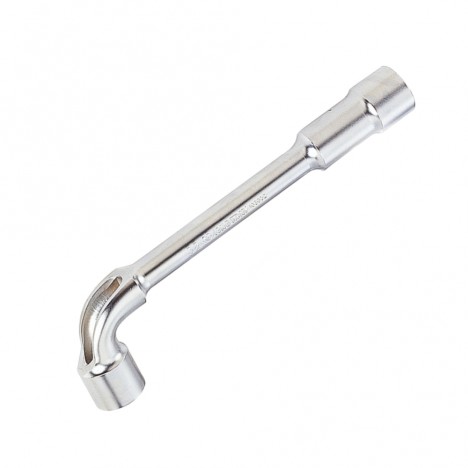
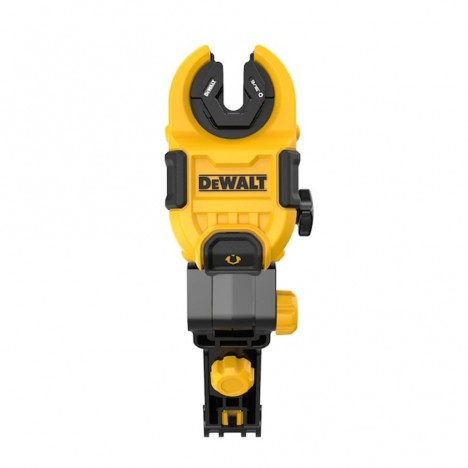
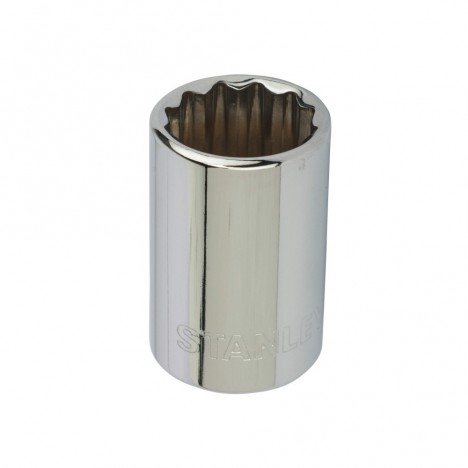
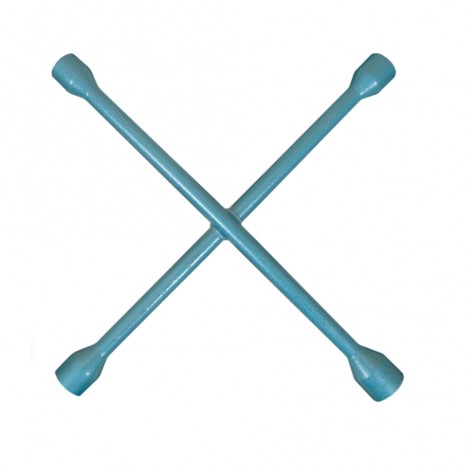
When facing a stubborn bolt that won't budge, many people's first instinct is to push harder or attach an extension pipe to the wrench handle and pry with all their might. But that is precisely where disaster begins! Because it usually ends up with a stripped bolt head, Wrenches slipping, damaging the workpiece, or worse, injuring your hands.
Stuck bolts can happen for hundreds of reasons, especially when digging into a car's undercarriage or repairing machinery. These bolts are subjected to massive factory torque, deep rust, caked-on mud, and accumulated heat that causes metal to expand and seize tightly. Sometimes the problem isn't that "we aren't strong enough," but rather grabbing the wrong type of wrench, failing to engage the flats fully, or rushing to pry before properly preparing the bolt.
In this article, we will take a deep dive into professional methods for tackling stubborn bolts: which wrenches to grab when facing these tough fasteners, which ones to steer clear of, along with loosening tricks to keep the bolt head safe from the very first turn!
Before Choosing a Wrench, You Need to Know Why the Bolt is Stuck
Before asking what wrench to use to loosen it, we must first determine why that bolt is stuck. For tough jobs like disassembling suspensions or engine bays, diagnosing the cause will help you pick the right tool for the job.
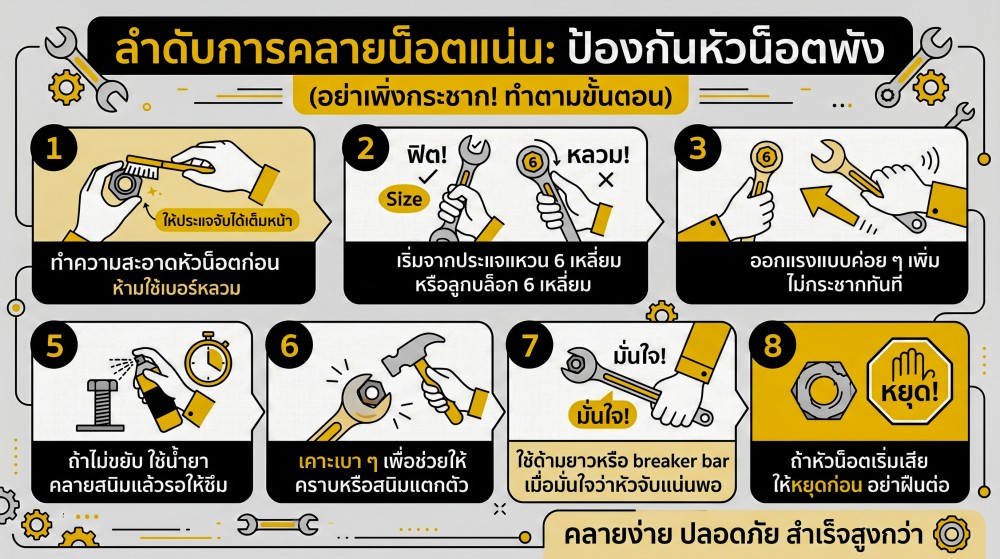
Overtorqued: Such as lug nuts or structural bolts. These require a wrench that delivers 100% power transfer, grips the flats securely, and doesn't flex. Rusted. Heat-seized: Metal expands until the threads seize tightly. Stripped: The most dangerous! Caused by previously using the wrong wrench size. If you make the mistake of using the wrong wrench again, the corners will be completely rounded off. This turns an easy job into a nightmare that immediately requires cutting, drilling, or welding.
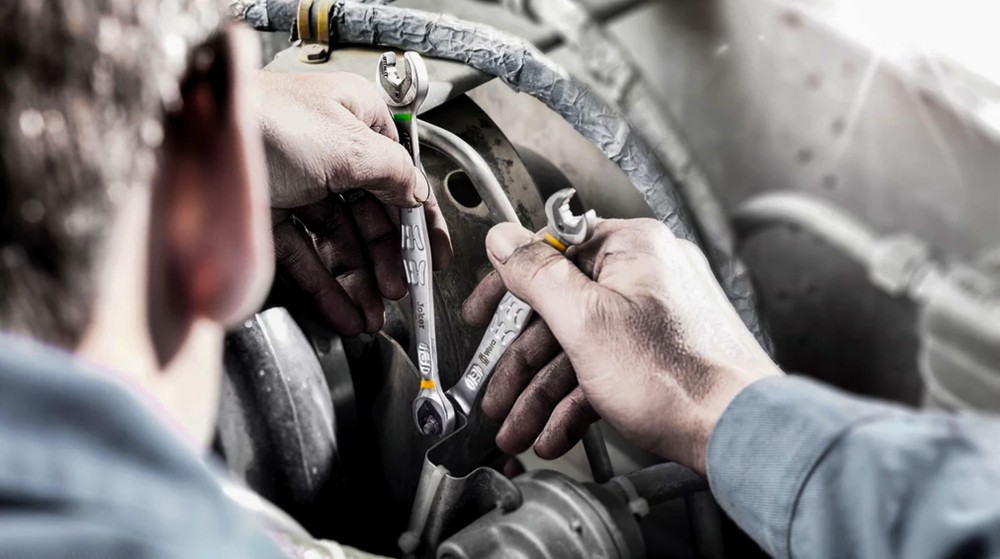
Wrenches to Use First: 6-Point Box Wrenches for Full-Contact Grip and Better Safety
When encountering an extremely tight hex bolt, if space allows, the very first tool you should reach for is strictly a "6-point box wrench." Here's why:
- 6-Point Box Wrench (The Best): Encloses the bolt head completely, contacts the entire flat surface, and handles massive torque with ease without rounding off the bolt head.
- 12-Point Box Wrench (The Versatile One): Slips into tight angles quickly, but if used to reef on an extremely tight bolt, the force may concentrate on the corners and cause the bolt head to strip.
- Open-End Wrench (Quick... But Risky): The easiest to slip on, but contacts only 2 sides. With one hard yank, the wrench jaws can spread open and immediately ruin the bolt head in your hands!
If Applying Heavy Force, Consider "Handle Length," Not Just the Same Wrench Size
Having two size 17 wrenches doesn't mean you apply the same amount of effort! The key lies in the handle length: the longer the handle, the more leverage you gain to generate massive rotational force. This is why heavy-duty tools feature extra-long handles. But beware! A longer handle comes with greater destructive potential. If the wrench head doesn't fit the flats properly or is even slightly loose, that massive torque will instantly chew up and strip the bolt head instead of loosening it faster!
If a bolt is rock-solid tight, choose a long-pattern box wrench or a long breaker bar, as they allow you to apply smooth, controlled pressure without jerking and causing your hands to slip into surrounding parts. Remember this golden rule: "A powerful long handle must only be paired with a 100% exact-fitting socket or wrench." Otherwise, that long handle will be the quickest way to ruin the bolt head!
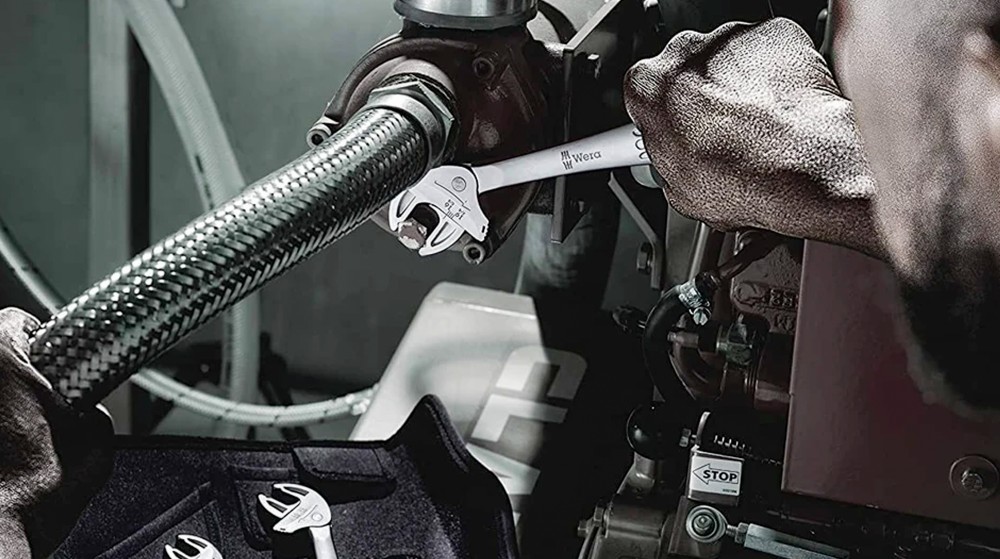
Popular Wrenches That Many People Often Use
Can You Use Sockets and Ratchets on Extremely Tight Bolts?
A socket wrench set is the real hero when it comes to tackling stubborn bolts (especially a 6-point socket, which fits deeply over the bolt head and grips the flats perfectly). However, a fatal mistake many people make is using a "ratchet handle" to break loose extremely tight bolts!
Always remember that a ratchet handle has an internal gear mechanism designed solely for spinning bolts in and out quickly. If you force it to handle immense torque, the internal gears will definitely strip and break. When encountering a stubborn bolt, break the initial hold using a breaker bar—a solid steel handle with no internal gear mechanism to worry about. Apply full leverage until the thread first cracks loose. Once the bolt is loosened, switch back to the "ratchet" to quickly spin it out... This step guarantees both the bolt head is saved and extends the lifespan of your expensive tools for years to come!
Can an adjustable wrench be used to loosen extremely tight bolts?
An adjustable wrench is every home's favorite tool because a single piece can adjust to fit any bolt size. However, when faced with an extremely seized bolt, an adjustable wrench should be the "very last tool" you reach for!
- Why should you never use it to break loose a bolt? The weak point of an adjustable wrench is its "movable jaw." No matter how tightly you turn the knurl screw, the jaw still has some play. When applying heavy torque, the jaw flexes open and applies pressure directly to the corners of the bolt, easily rounding off or stripping the bolt head right before your eyes.
- The right solution: Adjustable wrenches are meant for light-duty tasks or holding a bolt temporarily. If you encounter a stubborn bolt, switch to a box-end wrench or a dedicated-size socket set—it is a hundred times safer.
Open-end wrenches: usable, but don't force them on extremely tight bolts
The advantage of an open-end wrench is that it easily slides onto the bolt head, making it ideal for spaces where a box-end wrench cannot fit, such as around pipes, hoses, or obstructions around the bolt head. However, the downside is that it has far less contact surface area than a box-end wrench or a socket. If the bolt is extremely tight, an open-end wrench is much more likely to slip or round the bolt head.
An open-end wrench isn't a bad tool, but it must be used for the right type of job. If the bolt isn't overly tight or if you use it after the bolt has already broken loose, it works great. But if you start on a bolt that is extremely tight, rusted, or already slightly rounded, applying full force with an open-end wrench will only make matters worse.
A safer approach is: if you have a combination wrench, use the box end to break the bolt loose first. Once it starts turning, switch to the open end to work in confined areas. This way, you can take advantage of the open-end wrench without taking unnecessary risks.
Why penetrating oil helps, but isn't the complete answer
For bolts seized due to rust or hardened grime, penetrating oil is extremely useful because it seeps into thread crevices, reduces friction, and helps break down the bond. However, many people spray it and immediately apply force, which sometimes doesn't give it enough time to work.
Penetrating oil takes time to soak in, especially on bolts that have been in place for a long time or are heavily rusted. You should spray around the base of the bolt head and threads, then wait a while. For very stubborn bolts, you may need to spray again and wait longer. Lightly tapping around the bolt head after spraying will create vibrations that help the oil penetrate deeper.
However, you must understand that penetrating oil won't turn the wrong size wrench into the right one, nor will it prevent a bolt head from rounding if the tool doesn't have full contact. Therefore, the oil is a "helpful aid," not a replacement for choosing the correct wrench.
Conclusion
Tackling tough challenges like a seized bolt doesn't depend on "arm strength," but on the precision of your tool choice. Memorize these golden rules:
- First weapon of choice (The Best): Always reach for a "6-point box-end wrench" or a "6-point socket + breaker bar" because they grip the bolt head completely, allowing you to apply full leverage without rounding the edges.
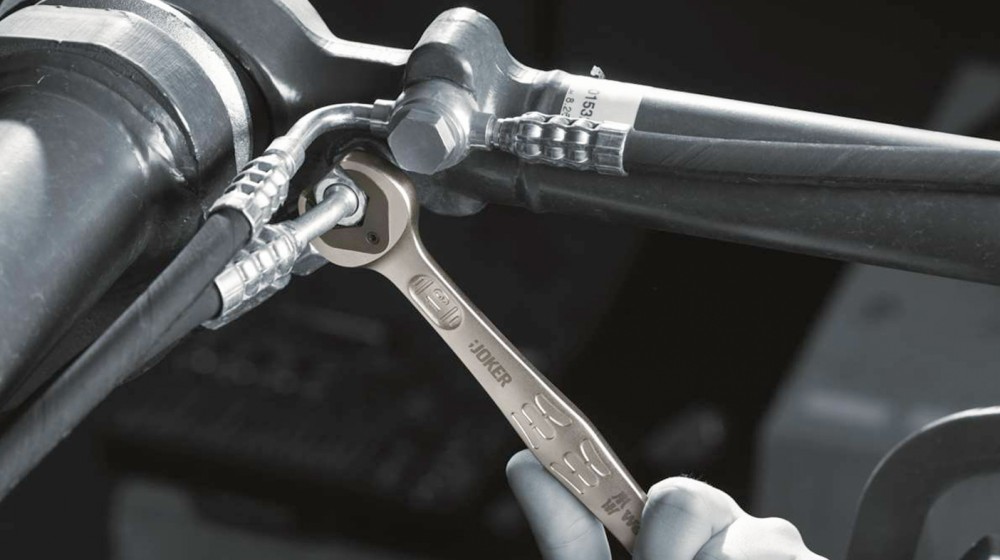
- For tight spaces: Use a 12-point box wrench or a flare nut wrench, ensuring full contact surface and keeping the tool as perpendicular to the axis as possible.
- Forbidden tools (Don't do it!): Adjustable wrenches, open-end wrenches, pliers, or fine-tooth ratchets should never be used to break bolts loose!
- Never muscle a rusted bolt dry: Always spray penetrating oil and let it soak in before getting to work.
Select Wrench here