


 EN
 ไทย



Customers Also Purchased


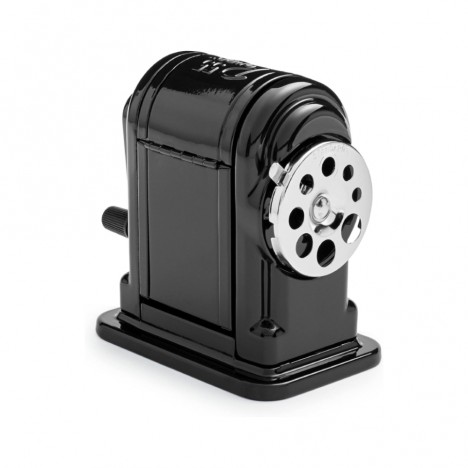
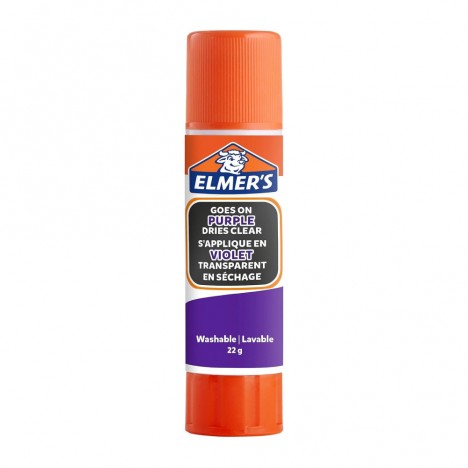
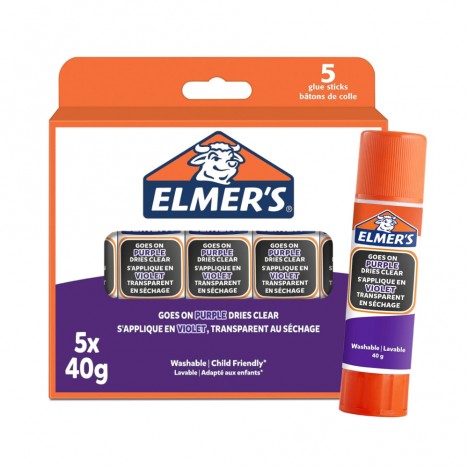
Whenever the new school term approaches, something that both students and parents need to start preparing—just as much as school uniforms, shoes, bags, and textbooks—is “Stationeryback-to-school stationery.” Even though learning will have changed significantly by 2026, with many children using tablets, laptops, online learning apps, or submitting work digitally, essential stationery like pens, pencils, erasers, notebooks, rulers, highlighters, folders, and note-taking supplies remains indispensable.
The reason is that real-life learning does not happen entirely on a screen. Children still need to write in workbooks, take notes in class, complete worksheets, draw, color, do reports, write summaries, prepare for exams, and manage paper handouts from teachers. Especially for primary and secondary school students, stationery is still the primary tool for practicing fundamental skills—including writing, reading, calculating, memorizing, and organizing thoughts. As for university students, even though laptops or tablets are used more frequently, pens, notebooks, highlighters, sticky notes, and file folders are still a tremendous help when taking quick notes, reading lecture sheets, or studying intensively for exams.
A common problem encountered before school starts is that many households buy stationery “just in case,” ending up with far more items than necessary. Some are duplicates, some look cute but are impractical to use, some are purchased only to find the school disallows them, or essential items are completely forgotten—such as good erasers, pencil sharpeners, rulers, worksheet folders, glue, scissors, or spare pens. Therefore, having a back-to-school stationery checklist based on actual use will help you prepare more thoroughly, save budget, and keep school bags from becoming too heavy.
This article will walk you through the essential back-to-school stationery checklist for 2026, categorized by grade level from kindergarten, primary, and secondary school to university, along with practical buying guides so you don’t overbuy and stay well-suited for modern hybrid learning combining both paper and digital formats.

Why do we still need to prepare stationery in 2026 when kids use digital tools more?
Although many children today use tablets for online learning, watch instructional videos, complete exercises in apps, or submit work via school portals, stationery still plays a crucial role. Handwriting helps children develop concentration, hand muscles, and organized thinking—especially young children who are still in the critical phase of developing foundational skills.
Additionally, the actual education system in Thailand remains a hybrid model. While students may learn partly from screens, they still rely on notebooks, handwritten assignments, worksheets, practice books, textbooks, and teacher handouts. Thus, preparing stationery is not outdated, but rather preparing the "essential tools" ready for every mode of learning.
What should be adjusted for 2026 is that there's no need to buy everything in bulk like before; instead, purchase with a focus on actual utility. For example, choose smooth-writing, smudge-free pens, select notebooks suited for practical note-taking, choose folders that keep worksheets organized and from getting lost, and pick only the highlighters needed rather than buying every single color. If a student already uses a tablet, you might reduce the number of notebooks for certain subjects, yet a spare notebook should still be kept for drafting notes or summarizing lessons.
Basic back-to-school stationery essentials for 2026
Before breaking down by grade level, let's look at the basic stationery items that remain essential in 2026. You don't need to purchase every single item in large quantities, but rather have what is suitable for each student's age and learning style.
Basic stationery items to prepare include:
- Blue or black pens for note-taking and workbook exercises
- Red pens for grading, making corrections, or highlighting key points
- Wooden pencils or mechanical pencils for calculations, drafting, or younger students
- Clean-erasing erasers that do not tear paper
- Pencil sharpener or spare pencil leads
- Ruler sized appropriately for pencil cases or school bags
- Notebooks or subject-specific notebooks
- Highlighter pens (2–4 colors)
- Post-it notes or small memo pads
- Document folders or worksheet envelopes
- Glue sticks, liquid glue, or adhesive tape
- Round-tip scissors for young children
- Colored pencils, crayons, or colored pens suited to grade level
- A pencil case with just the right capacity, not overly large
- Name tags or name stickers for labeling supplies
Basic digital accessories as needed, such as charging cables, headphones, or tablet cases, if used by the school for learning
The key is to buy "practical essentials" before decorative items, as some stationery may look very cute but is awkward to use, such as pens with overly thick tips, hard-to-grip pencils, erasers that leave smudges, or pencil cases that are so large they weigh down the bag.
Back-to-school stationery for kindergarten students
Kindergarteners should use stationery that focuses on safety, easy grip, and developmental support rather than appearance. Children at this age are still developing skills in holding pencils, scribbling, coloring, cutting, pasting, and using their hands for various activities. Therefore, supplies should be appropriately sized for little hands, not overly sharp, and free of small parts that risk getting lost or posing safety hazards.
Suitable stationery for kindergarteners includes jumbo pencils or triangular pencils, soft erasers, crayons, colored pencils, drawing pads, round-tip scissors, glue sticks, and easy-to-open pencil cases. If the school includes art or creative activities, consider preparing extra jumbo crayons or break-resistant colored pencils as well.
Things to avoid include fine-tip pens, items with numerous small caps, tiny decorative parts, or novelty stationery that children might treat as toys rather than learning tools. For young children, simplicity and safety are generally far better than unnecessary cuteness.
Parents should label every piece of stationery with the child's name, especially pencil cases, coloring supplies, scissors, glue, and notebooks, as children at this age can easily lose or mix up items with friends. Name labels help reduce lost items and make it easier for teachers to manage them.
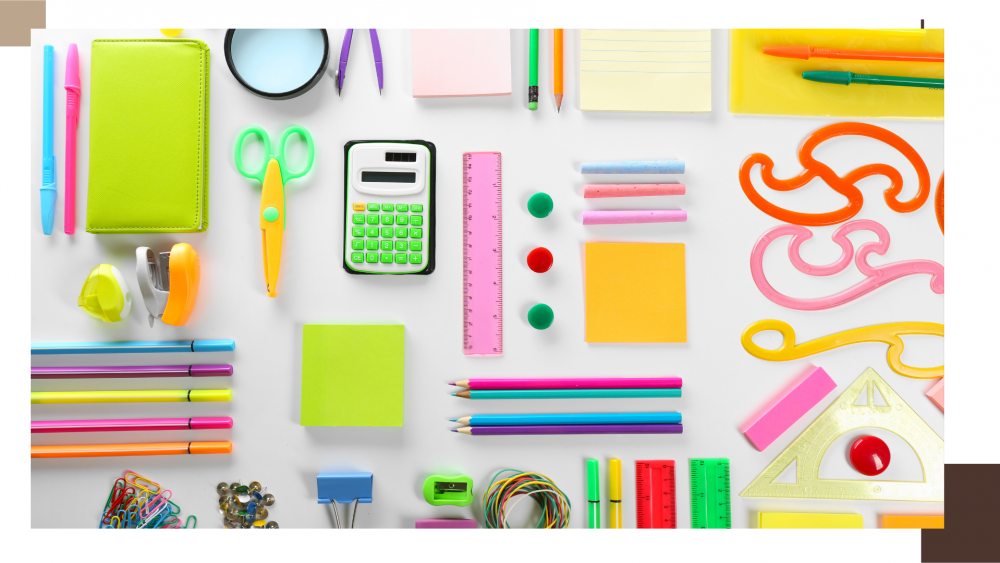
Back-to-school stationery for primary school students
Primary school students begin using a wider variety of stationery, as they need to write, read, calculate, draw, complete worksheets, and engage in more group activities. Supplies should therefore be fairly comprehensive, but not so heavy or excessive that children cannot manage them on their own.
Items to prepare for primary school students include HB or 2B pencils, erasers, pencil sharpeners, rulers, subject notebooks, red pens, colored pencils or markers, glue, round-tip scissors, worksheet folders, and an appropriately sized pencil case.
Lower primary students should focus primarily on pencils, as they still practice writing and make frequent corrections. Pencils should write clearly, erase cleanly, and resist frequent breakage. Upper primary students may begin using blue or black pens for certain subjects, along with a few highlighters or colored pens for noting key points.
In 2026, some primary schools may use online worksheets or tablets for certain activities, but document folders remain essential, as paper worksheets, announcements, class schedules, and teacher handouts are always present. Having 1–2 envelope or button folders to separate "work to submit" from "take-home documents" helps parents track assignments much more easily.
Back-to-school stationery for secondary school students
Secondary school is the stage where stationery shifts from basic items to tools for taking notes and organizing information. With more subjects, harder content, numerous worksheets, and frequent exam preparation, stationery should help you take notes quickly, review easily, and keep documents organized without losing them.
Essential items for secondary school students include: 2–3 blue or black pens, red pens, mechanical pencils or wooden pencils, erasers, pencil leads, rulers, highlighters, subject notebooks, Post-it notes, document folders, correction tape, and colored pens for summaries only as needed.
Pens are an item worth upgrading at this level because of the heavy writing workload. Scratchy pens, smudgy ink, or an uncomfortable grip can cause hand fatigue and make notes hard to read. It is recommended to choose pens that write smoothly, dry quickly, and do not easily bleed through paper. For highlighters, there is no need to buy every single color—2 to 4 colors are sufficient, such as one color for headings, one for keywords, and another for formulas or important reminders.
For secondary school students who use tablets for taking notes in certain subjects, it is still advisable to keep notebooks or backup paper on hand, as writing by hand is more convenient in situations like solving math problems, drawing diagrams, drafting work before submission, or summarizing notes during exam review. In addition, you should have separate folders for each subject's worksheets, as paperwork during secondary school is extensive. Without organizing them from the beginning of the semester, finding documents during exam time will be very difficult.
Back-to-School Stationery for University Students
In 2026, university students may rely more on digital devices such as laptops, tablets, note-taking apps, and PDF files. However, basic stationery remains essential, especially for quick lecture notes, writing summaries, reading handouts, presenting work, signing documents, or preparing for exams.
Must-haves for university students include 2–3 smooth-writing pens, highlighters, notebooks or refill paper, document folders, Post-it notes, paperclips, correction tape, mechanical pencils, erasers, and major-specific supplies such as graph paper, long rulers, fine liner pens, drawing pencils, or sketchbooks.
If studying reading-heavy fields like law, business administration, humanities, education, or healthcare, highlighters, Post-it notes, and document folders will be very helpful for organizing large volumes of information. For design, engineering, architecture, or art majors, additional specialized tools such as pencils of various grades, technical drawing pens, rulers, scale rulers, or specialized art supplies may be required.
What university students should keep in mind is that there is no need to buy large quantities of stationery like in secondary school. Instead, invest in high-quality items for the things you use frequently, such as pens, notebooks, and folders, because these genuinely impact your study and task organization far more than rarely used fancy items.
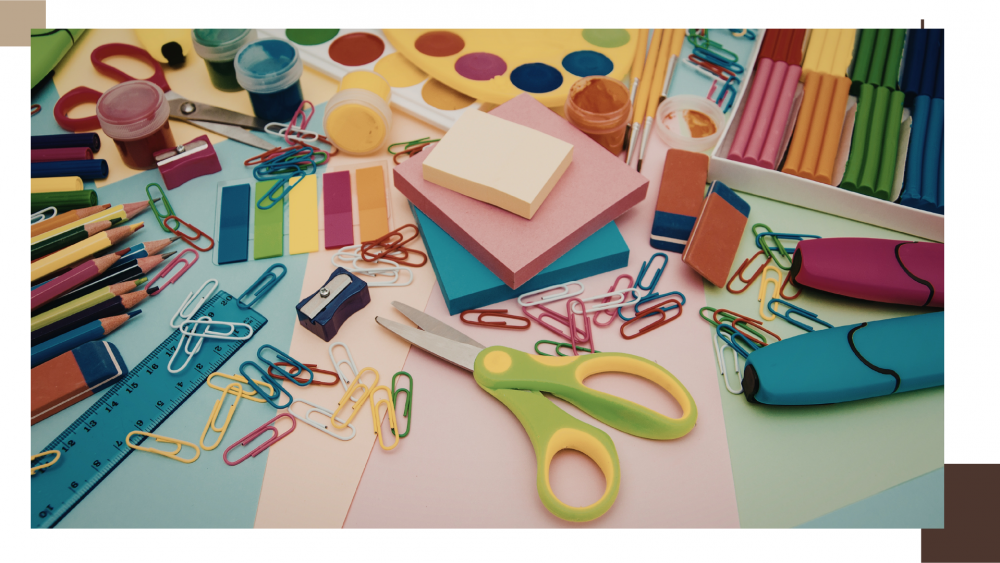
Stationery for Note-Takers and Exam Prep in 2026
In this day and age, note-taking is not limited to writing in notebooks. Many take notes on tablets, some type on laptops, and others use a hybrid method—learning from digital files but writing manual summaries to review before exams. Therefore, stationery for note-takers should be selected to help "organize information," not just make notebooks look pretty.
Ideal items for note-takers include smooth-writing pens, 2–3 colored pens, no more than 4 colors of highlighters, Post-it notes, high-quality notebooks, refill paper, and sheet folders. If using a tablet, you should also have a stylus, spare nibs, and an organized file system, while still keeping a real pen and a small notebook handy for quick notes.
The tip is to define clear meanings for colors: for example, yellow for keywords, pink for headings, blue for formulas or dates, and green for examples. Avoid highlighting entire pages, as it makes them hard to read and obscures what is truly important. Using stationery effectively is not about using a lot, but using it systematically.
Stationery to Buy Fresh Every Semester
Some items should be bought new or restocked every semester because they are consumables and do run out, such as pens, pencils, erasers, notebooks, pencil leads, glue, and correction tape. Pens and pencils in particular should have a small backup stock, as they often get lost, run out, or are borrowed by classmates.
Items to check and potentially replace include:
- Pens running out of ink or skipping
- Pencils that are too short or whose lead breaks frequently
- Erasers that are hardened or very dirty
- Notebooks with few remaining pages
- Dried up or expired glue
- Correction tape that is running low
- Torn folders or broken zippers
- Highlighters with faded colors or dried ink
Checking old items before buying new ones saves a lot of money and helps reduce unused clutter accumulating at home.
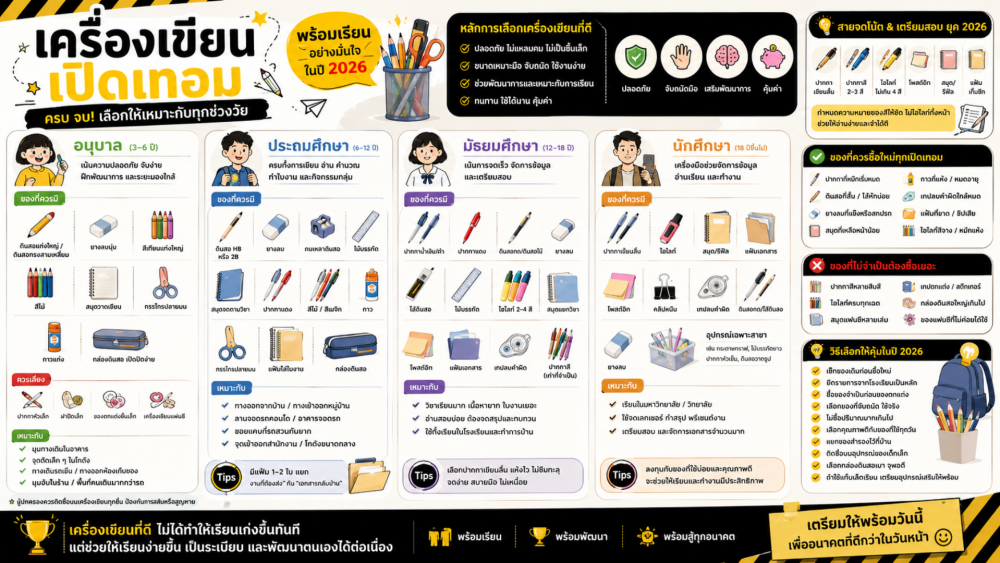
Stationery that doesn't need to be bought in excess
Buying too much of certain stationery items leads to unnecessary waste, such as dozens of colored pens, every shade of highlighter, multiple fancy notebooks, decorative tape, stickers, or oversized pencil cases. These items can be bought if actually used, but they shouldn't be the main priority before the semester starts.
Remember that good stationery doesn't have to be plentiful; it just needs to be convenient to grab and right for the task. If kids have too many items, it can make their pencil cases heavy, desks cluttered, and waste more time choosing than learning. Especially for younger children, fewer but practical items are usually better than cute things that are hard to manage.
How to choose back-to-school stationery cost-effectively in 2026
Choosing stationery cost-effectively should start with 3 simple steps: check existing supplies, review the school list, and buy only what is necessary. If the school has specific guidelines, such as notebook types, banned pens, or required special supplies, always prioritize those first.
Key principles for smart buying include:
- Buy essentials before decorative items
- Choose stationery that is comfortable to hold and practically used
- Don't buy in excessive quantities at the start of the semester
- Choose good quality for everyday items like pens, pencils, and erasers
- Keep spares at home; no need to carry everything
- Label supplies with names for younger children
- Choose a pencil case that is lightweight with just the right capacity
- If the child uses a tablet for studying, ensure charging cables, adapters, and protective accessories are ready as well.
In 2026, preparing for the new semester means considering both traditional stationery and digital tools together. However, there is no need to jump on every trend—focus primarily on what each child actually needs for their learning.
Summary Checklist of Back-to-School Stationery for 2026
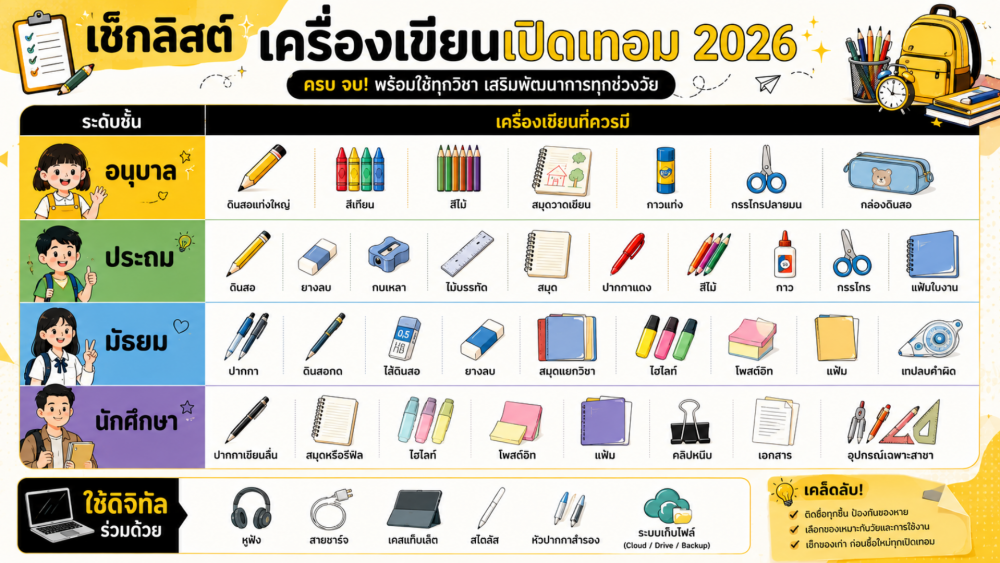
Back-to-school stationery for 2026: complete, actually used, and avoiding unnecessary purchases
Stationery Starting the school year in 2026 no longer means just buying standard sets of pens, pencils, and notebooks. Instead, choose items that match the actual learning methods of children at each age, as education today involves paper writing, notebook note-taking, completing worksheets, reading online files, and using tablets or laptops in certain subjects.
Kindergarteners should focus on stationery that is safe and easy to grip; primary school students should have all the basic tools; secondary students should add note-taking and document-organizing tools; and university students should pick supplies that make note-taking during lectures, reading study sheets, and exam prep more convenient. If digital devices are used alongside, prepare matching accessories, but there is no need to buy everything just following trends.
Before school starts, check existing supplies, make a shopping list, and select only what will actually be used. This will help you start the new term better prepared, save money, and keep back-to-school preparations from becoming overly chaotic.