


 EN
 ไทย


Customers Also Purchased


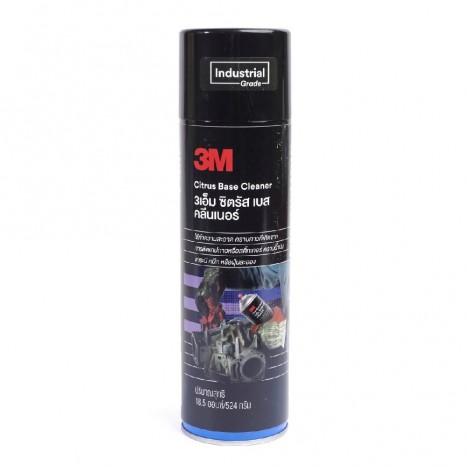

Engine Degreasers It is a car care product designed to tackle specific stubborn stains inside the engine bay, such as dust, oil, grease, mud, and baked-on residues caused by repeated heat exposure.
The term 'car care' or car maintenance usually makes us think of washing, waxing, or oil changes first, doesn't it? Modern Car Care Isn't Just Washing Cars: Why Hand Tools, Air Compressors, and Welders Matter However, another area we often overlook is the "engine bay," which houses the engine, electrical system, rubber hoses, and other vital components.
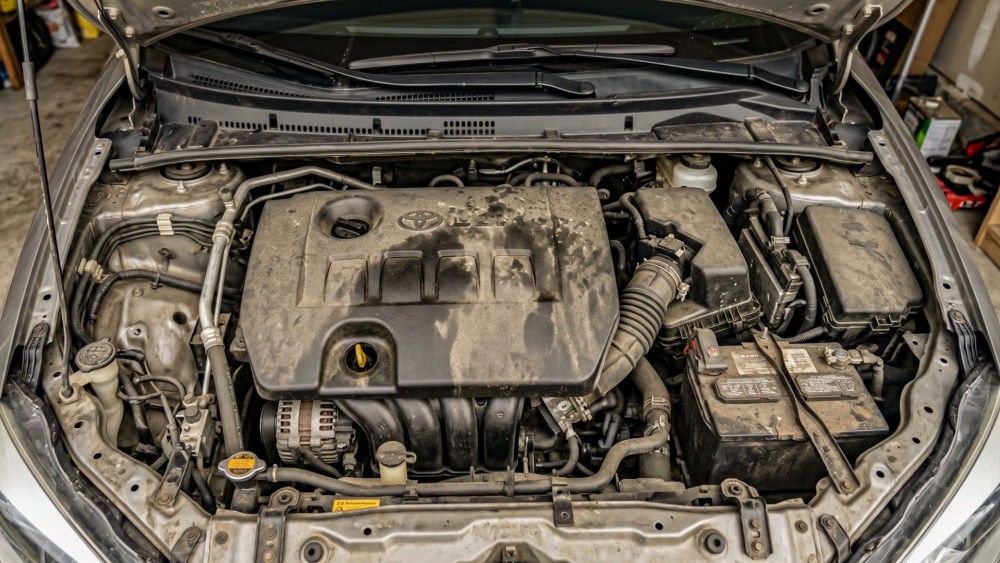
Imagine your car's exterior is gleaming, but opening the hood reveals dust, oil stains, and black grime in every crevice and across various components. This naturally makes one wonder: should you use an engine degreaser, and which type is the most suitable?
In this article, we'll get to know engine bay cleaners, from what they are, the different types available, what kinds of grime they handle, to how to choose and use them correctly. Cleaning the engine bay isn't just about making it look clean—it must also make vehicle inspections easier without damaging critical components.
Water and general cleaners aren't enough: Why do you need an engine bay cleaner?
The main function of an engine bay cleaner is to help dissolve and lift grime off surfaces, softening stubborn residues before rinsing or wiping them away. Each formula of engine bay cleaner is suited for different tasks, such as heavy-duty degreasing formulas, foam formulas that cling to surfaces longer, or ready-to-use spray formulas for DIY cleaning at home.
Important things to know before choosing an engine bay cleaner
- Engine bay grime is usually a mixture of dust, oil, grease, and heat, making it cling more stubbornly than exterior car grime.
- General car wash shampoos are formulated to protect car paint and may not effectively remove oily residues in the engine bay.
- Do not use laundry detergent, dishwashing liquid, or harsh chemicals, as they may cause rubber, plastic, or protective coatings to deteriorate quickly.
- There is a wide variety of engine bay cleaners available; choose based on the level of grime and the components to be cleaned, not just by chemical strength alone.
What makes the engine bay dirty, and why does grime stick more stubbornly than you think?
While driving, dust, water spray, road debris, and mud can easily accumulate in various crevices—especially for vehicles driven on dusty surfaces, gravel roads, construction sites, or frequently in the rain. When this dirt is repeatedly exposed to engine heat, it gradually dries, hardens, and clings more tightly.
Even in an engine in good condition, a thin film of oil can develop. This oily film attracts dust, which accumulates into thick black grime. Engine bay cleaners help break this cycle of grease and dust before it turns into stubborn, hard-to-remove residue later on.
Are engine bay cleaners really effective, or do they just make it look better?
Cleaning the engine bay does more than just make it look clean or attractive; it also makes it easier to spot abnormalities, such as: Fresh oil leaks, coolant stains, brake fluid leaks, cracked rubber hoses, or areas with abnormal dust buildup. This is crucial information for long-term vehicle maintenance.
Main benefits of using an engine bay cleaner
- Keeps the engine bay clean and easier to maintain
- Makes leaks and abnormalities more clearly visible
- Reduces the buildup of grease and stubborn dust
- Ideal for heavy-duty use, long-distance driving, fleet vehicles, transport vehicles, or older cars
Cleaning with an engine bay cleaner must be done properly. You should not spray high-pressure water indiscriminately without protection, as electrical plugs, sensors, fuse boxes, and alternators are areas where moisture must be avoided with extra caution.
How Many Types of Engine Cleaners Are There? Choosing the Wrong One Might Fail to Clean or Be Unnecessarily Harsh
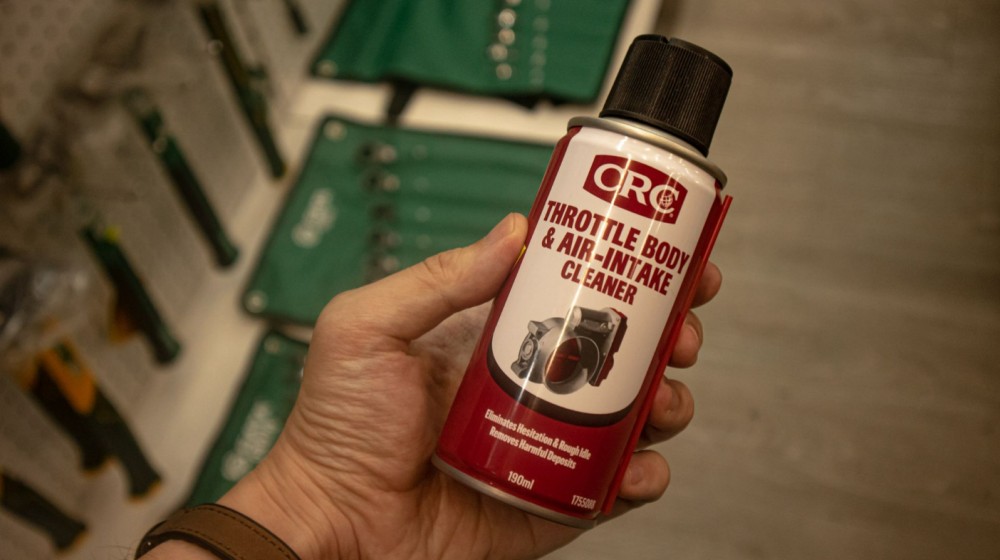
When you start looking for an engine cleaner, you will come across many different names. Looking at actual product labels makes it even clearer that "engine cleaner" isn't just a single product meant to spray down grease across the entire engine bay, as there are many specific-purpose chemical groups, such as: Heavy-duty engine degreasers, spare parts cleaners, brake cleaners, throttle body cleaners, mass air flow sensor cleaners, battery terminal protectants, silicone grease, and leak test sprays in various systems.
All of these share the same duty—caring for the engine compartment—but that does not mean they are the same type of engine cleaner or that they can be used interchangeably.
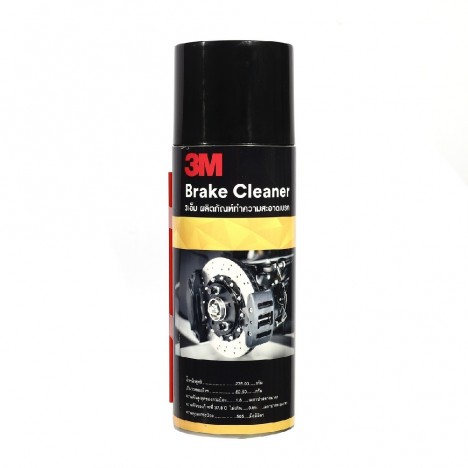
- Engine Cleaners: Primary Degreasing Group Including Engine Degreasers, spare parts cleaners (Parts Cleaners), and brake cleaners (Brake Cleaners).
- Engine Cleaners: Intake System & Sensor Group Such as Carburetor Cleaners (Carb Cleaner), Throttle Body Cleaners, and Mass Air Flow Sensor Cleaners.
- Engine Cleaners: Coating, Protection & Lubrication Group Such as Battery Protectors, Silicone Grease, Belt Grip dressings, and anti-corrosion coating sprays (Soft Seal).
- Engine Cleaners: Maintenance & Inspection Group Such as Gasket Removers, Protective Lacquer sprays, and leak detection sprays (Smoke Test).
1. Primary Degreasing Group
When talking about engine cleaners used to handle grease, grime, and stubborn black sludge, the most relevant category is engine degreasers. This group is specifically formulated to clean deposits in the engine bay, such as on engine covers, engine blocks, or areas with long-term buildup. However, direct contact with electrical plugs, alternators, fuse boxes, and sensors must be avoided.
Additionally, spare parts cleaners and brake cleaners are used for targeted spot cleaning. Although they remove grease effectively and dry quickly, they should not be used as an engine cleaner for the entire bay, as some formulas can be overly aggressive on plastics, rubber, painted surfaces, wiring, or sensors.
2. Intake System & Sensor Cleaning Group
This group of engine cleaners is formulated for specialized components in the air and intake system, such as: Carburetors, throttle bodies, air passages, or mass air flow sensors. The highlight is that it helps clean soot, sticky residues, oil vapors, and fine dust that could cause rough idling, sluggish acceleration, or distorted sensor readings.
This category is not an all-over spray engine cleaner; it must be used specifically on sensors. Do not use brake cleaner or engine cleaner as a substitute, as it may affect the sensor's readings.
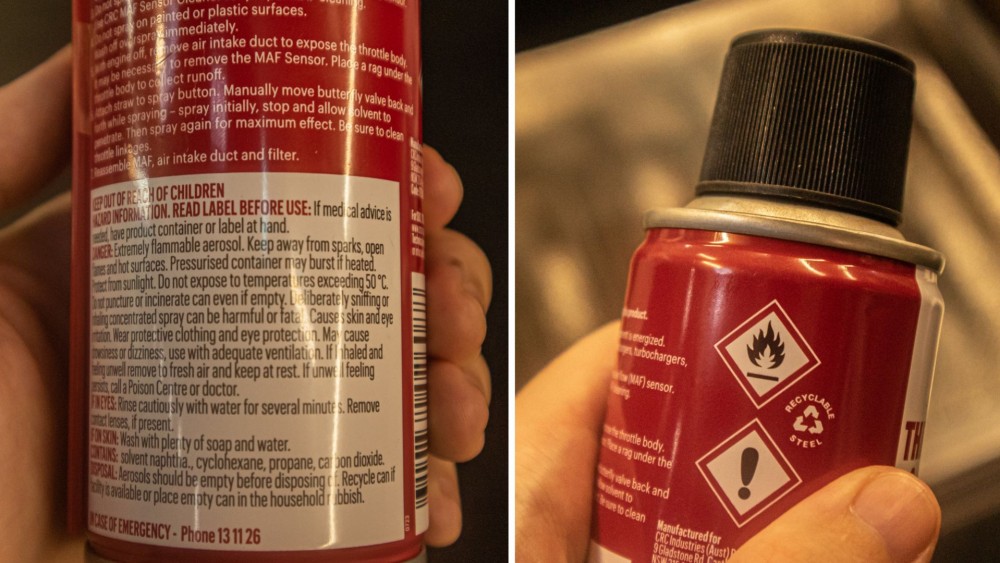
If you are unsure about the location or disassembly method, it is safer to have a technician handle it.
3. Coating, Protective, and Lubricating Group
Products in this category are not meant for directly cleaning dirt, but are used after cleaning or to resolve specific issues, such as battery terminal protectors to reduce corrosion buildup, silicone grease to lubricate and seal out moisture in certain spots, belt dressing to temporarily improve belt grip, and anti-rust coatings (Soft Seal) or heavy-duty protective films (Heavy Film) used to prevent rust on certain metal surfaces.
A precaution is that these engine room chemicals may leave a film or sticky residue on surfaces. Avoid spraying them indiscriminately throughout the entire engine bay, as they may attract dust or get onto areas they shouldn't, such as belts, electrical contacts, or sensors.
4. Specialized Repair and Inspection Group
The last group consists of engine bay chemicals related to repair and inspection rather than general cleaning, such as gasket removers used to strip old gaskets, adhesives, or sealants before reassembling parts.
Protective surface coatings (Plasticote) or clear protective lacquers are used to coat circuit boards or specific surfaces against moisture, while leak-detecting sprays or leak test kits help identify leaks in certain systems.
These should never be used as substitutes for other engine cleaners because they have very specialized functions. Some are highly aggressive, some leave a protective film, and others are used for diagnostics rather than removing grime. If you plan to use them, read the label thoroughly and apply them only for their specified purpose.
How to Choose the Right Engine Cleaner for Your Car and the Stains Encountered?
Choosing an engine cleaner should start with the condition of the engine bay, because every car's condition is different. Some have only light dust, some have oil grime, some have mud, and some are older cars with degraded plastic and rubber.
If the engine bay only has light dust without heavy grease, a foam engine cleaner or a gentle formula is sufficient. Simply apply a light mist and wipe away with a cloth or soft-bristle brush; this allows for easy control over wetness and is gentler on plastics, rubber, and wiring.
However, if there are oil stains, sticky black grime, or grease, choose an oil-removing formula (Degreaser) specifically labeled safe for engine bays or automotive parts. Do not use harsh industrial degreasers without checking surface compatibility, as they can be too aggressive for rubber, plastic, or aluminum components in vehicles. Furthermore, if the grime is heavy, treat it spot-by-spot without needing to spray down the entire engine bay.
Choosing the right engine cleaner will help you clean effectively without causing unnecessary damage to materials.

Conclusion: Using Engine Cleaners Correctly Keeps the Car Clean and Makes Inspections Easier
To put it simply, engine cleaner is not just something to make the engine bay look cleaner when popping the hood; it is a car care aid that allows us to clearly see the real condition of the engine bay. Imagine an engine compartment covered in dust, oil films, and old grease—even if a new oil leak occurs, we might not be able to tell whether it's an old or new stain. But if the engine bay is properly cleaned, spotting abnormalities becomes much easier.
Key things to remember before choosing an engine cleaner are:
- If there are oil stains, sticky black grime, or grease, choose an engine cleaner with a degreasing formula labeled safe for engine bays.
- Brake cleaners, throttle body cleaners, and parts cleaners are specialized formulas and should not be used interchangeably at random.
- For older cars, vehicles with complex electrical systems, or those with past electrical issues, focus on spot wiping, use minimal water, and adequately protect electrical plugs.
The key is to choose Engine Degreasers the right type, apply it in the correct spots, and clean in moderation to keep the engine bay clean, easy to maintain, and ready for confident, long-term use.