


 EN
 ไทย


Customers Also Purchased
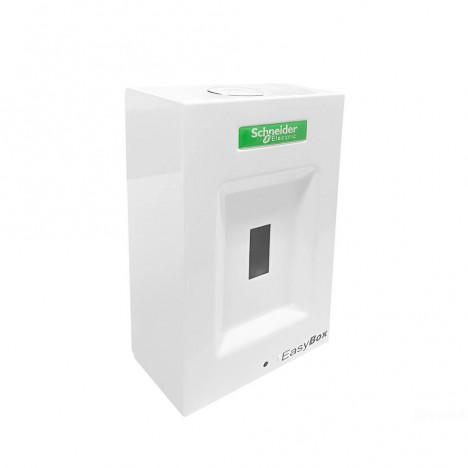
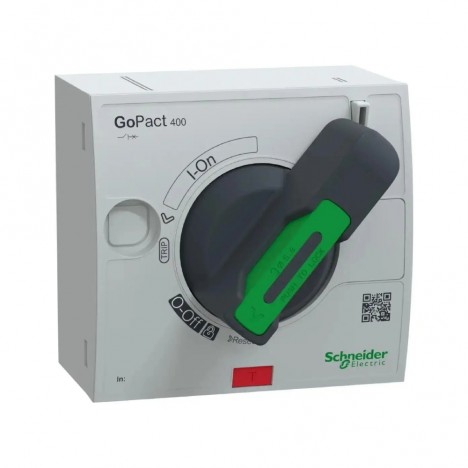
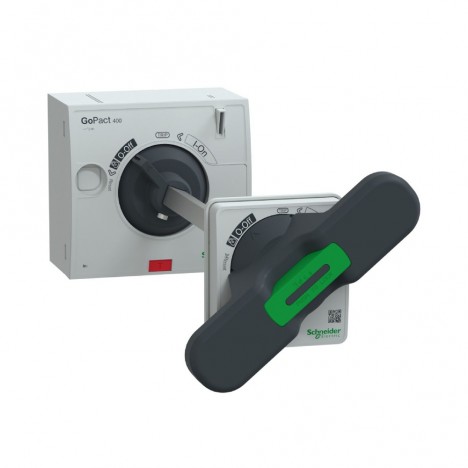
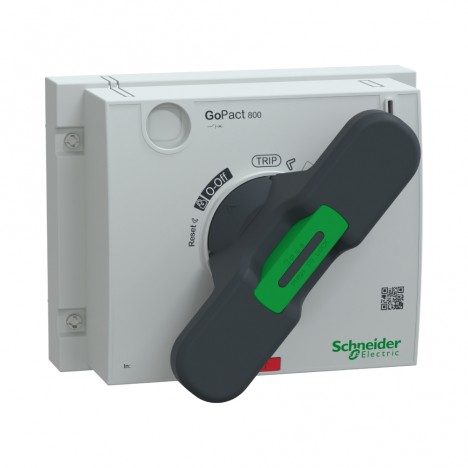
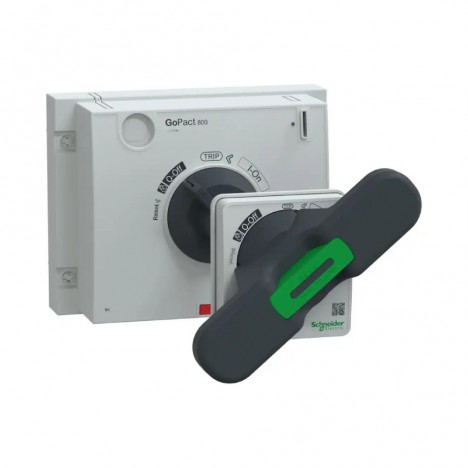
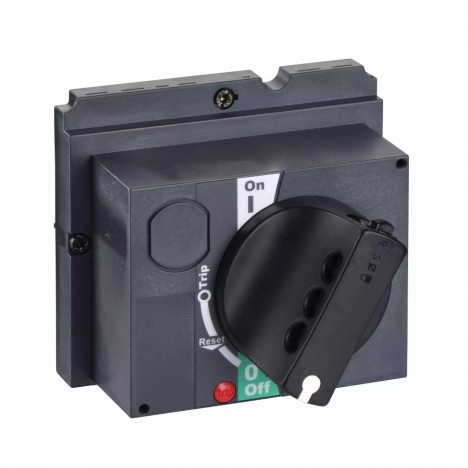
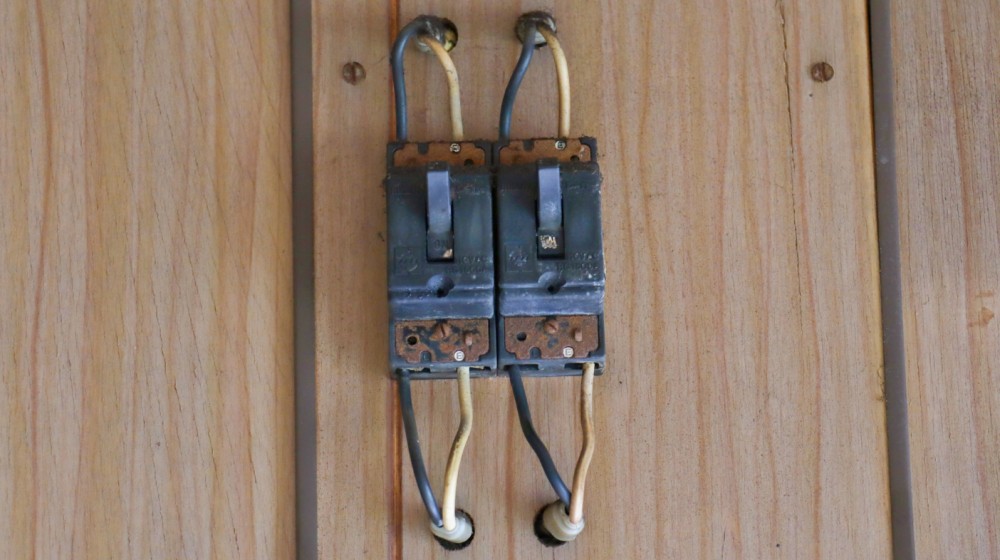
Many homes have been using Circuit Breakers their original circuit breakers for so long that they almost forget these devices have a limited lifespan and can deteriorate over time. As long as the lights stay on and appliances continue working, people often assume there is nothing to worry about. In reality, a circuit breaker does not merely turn circuits on or off; it is a critical safety device designed to trip and cut power during overcurrents, short circuits, or other electrical abnormalities. If it begins to fail and the homeowner fails to notice, the resulting risks go far beyond a power outage or interrupted appliance use—they can lead to accumulated heat, circuit damage, and severe home electrical hazards.
A common question many people ask is when an old circuit breaker should be replaced, and if upgrading to a newer model, what factors to consider beforehand. Replacing a circuit breaker is not just about having new equipment; it involves current ratings, compatibility with the existing electrical panel, circuit functions, and the required level of protection. Particularly for residential electrical panels, consumer safety agencies clearly warn that home wiring hazard alerts are "not DIY repair manuals" and advise hiring a qualified professional when electrical issues arise. Meanwhile, electrical safety organizations emphasize knowing one's limitations and avoiding tasks beyond one's skill level due to the real risks of electric shock and arc flash.
This article will walk you through, step by step, the telltale signs that an old circuit breaker needs inspection or replacement, what key points to check before deciding, and when it is safer to stop thinking about DIY and call a licensed electrician.
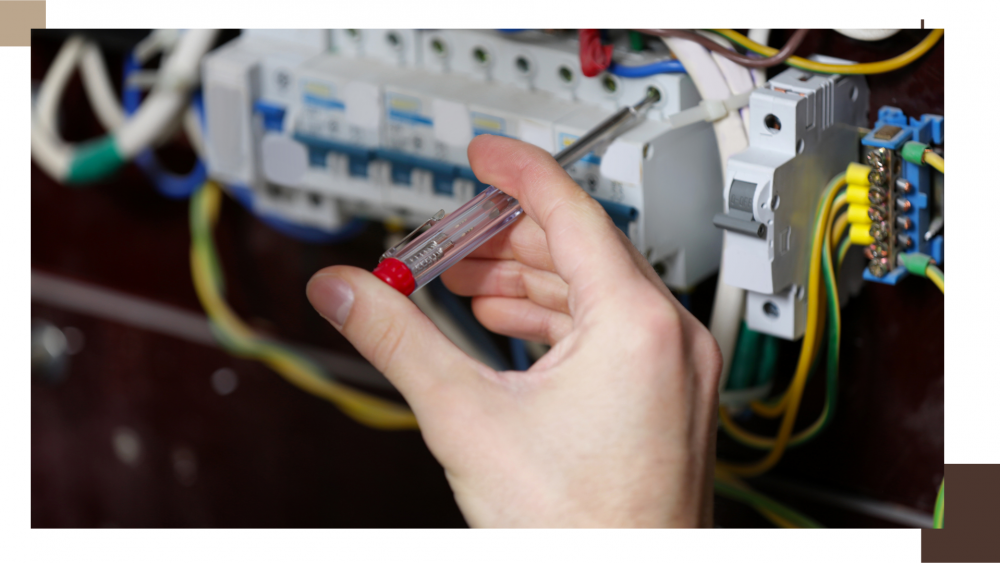
When should an old circuit breaker be replaced?
The answer is: not every old breaker needs to be replaced immediately. However, if there are abnormal symptoms or protection limitations compared to current electrical demands, it should be thoroughly inspected. Age alone is not the sole deciding factor; what matters more is how the breaker behaves and the overall condition of the home's electrical system.
1. Breaker trips abnormally often
If the breaker trips frequently even though the load hasn't changed significantly or no unusual appliances have been plugged in, this is the first sign to watch for. Electrical safety organizations note that frequent breaker tripping is one of the warning signs of an overloaded circuit or issues within the electrical system.
However, it's crucial to distinguish whether the issue lies within the circuit breaker itself or with the circuit's load—such as a faulty electrical appliance, circuit overloading, or running too many appliances simultaneously. Sometimes frequent tripping doesn't mean the breaker is defective; it means it's doing its job.
2. Abnormally hot, burning smell, or discoloration
If the breaker panel, switch plates, wall outlets, or surrounding components feel unusually warm, emit a burning smell, turn dark, or become discolored, electrical safety organizations warn that this could be a sign of a serious electrical problem that should be inspected by a professional.
For homeowners, this is critical because heat buildup at or around the breaker panel is not something that should be ignored or monitored indefinitely.
3. Unusual noises such as buzzing, sizzling, or cracking sounds
Buzzing, cracking, or sizzling sounds coming from the electrical panel, outlets, or electrical equipment are circuit warning signs that should never be ignored. Electrical safety authorities note that cracking, sizzling, or buzzing sounds are symptoms of electrical issues requiring immediate inspection.
While these sounds don't directly confirm that the breaker is broken, if they occur alongside frequent tripping, heat, or a burning smell, it warrants inspecting the entire system rather than focusing on just one component.
4. Lights flickering, dimming, or inconsistent brightness
If the lights in your home flicker, dim, or fluctuate abnormally—especially when certain appliances are used simultaneously—electrical safety organizations classify this as a warning sign of potential circuit issues as well.
Symptoms like this can stem from various causes, ranging from overloaded circuits and loose connections to protective devices like circuit breakers no longer functioning properly.
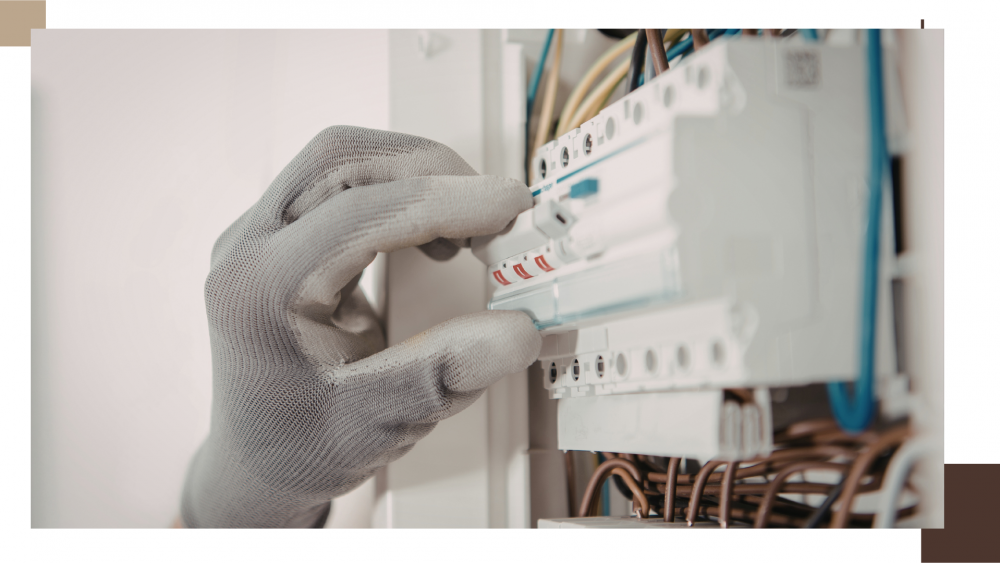
5. The breaker or electrical panel is very old and doesn't meet modern home safety standards
Some homes don't show obvious problems, but the existing system may predate modern safety codes or standards—such as lacking AFCI or GFCI protection in designated circuits. Both ESFI and NFPA explain that AFCIs help cut power when dangerous arc faults occur, and GFCIs help cut power during ground faults, reducing the risk of electric shocks in certain areas.
This doesn't mean every house must replace its breakers immediately. However, if you are already renovating the electrical system or checking the panel due to malfunctions, upgrading from traditional breakers to circuit breakers with protection tailored to circuit characteristics is well worth considering.
What to consider before replacing a breaker
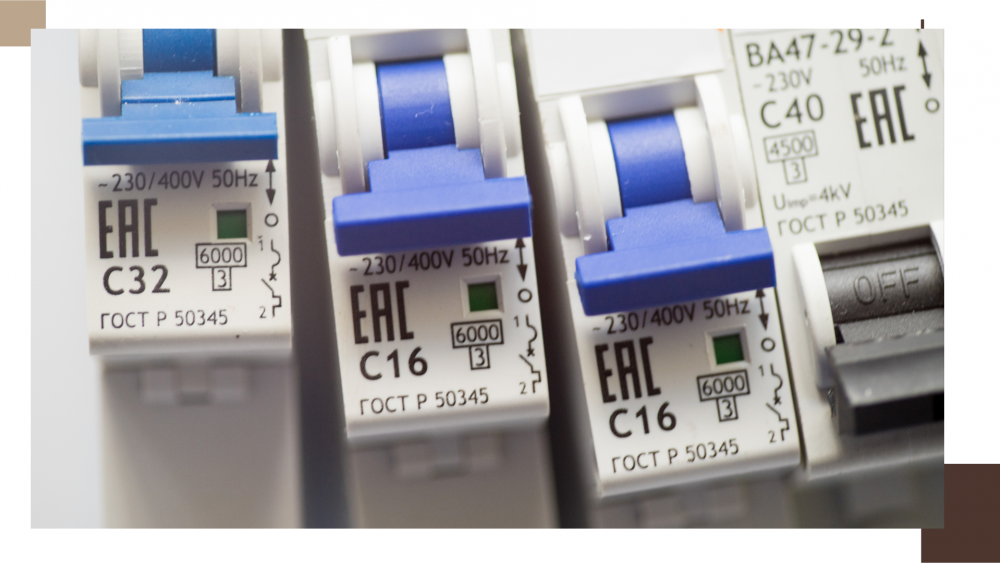
When people say they want to upgrade to a newer breaker model, it's important to remember that "newer model" does not mean "direct plug-and-play replacement." Circuit breakers cannot simply be swapped at will; you must consider their ratings, protection methods, and compatibility with the existing panel.
Match the amperage rating with the circuit design
This is one of the most critical points. Replacing a breaker isn't an upgrade where you simply go from 15A to 20A to run heavier loads. If the existing wiring and circuit design cannot support it, raising the rating without evaluating the system introduces risk instead of improving safety.
Therefore, if you plan to replace it, start by checking the original amperage rating and how that relates to the wire gauge and circuit usage. This should be evaluated by a licensed electrician rather than guessed.
Check the number of poles and the type of circuit
Some circuits use 1-pole circuit breakers, while others use 2-pole ones, depending on the voltage and load characteristics. For example, air conditioning circuits or certain equipment may require a different format compared to general lighting or socket circuits. If replaced with the wrong type, the circuit will not operate as intended.
Check compatibility with the existing electrical panel
This point is crucial but often overlooked, as many people assume that if the sizes are similar, they can be used interchangeably. In practice, the circuit breaker must be compatible with the existing panel or panelboard, both mechanically and electrically. If they do not match, issues such as poor contact, improper seating, or other subsequent risks may occur.
Consider whether an AFCI or GFCI should be used
In certain areas of the home, upgrading from a standard breaker to a specialized circuit breaker such as an AFCI or GFCI can enhance safety. The ESFI explains that an AFCI is used to cut off power upon detecting dangerous arcs, while a GFCI interrupts the circuit when a minor ground fault that could shock someone is detected—commonly associated with wet areas or specific applications.
Can you replace a circuit breaker yourself?
This is the most common question people ask, and the answer is: if you're not sure, don't do it yourself. Working inside an electrical panel involves real risks and is not just a typical DIY household task. Electrical safety organizations explicitly state that you should not perform electrical work beyond your skill level, and the CPSC warns against opening the interior of an electrical panelboard or breaker enclosure, as you may contact energized parts and risk serious electric shock.
For typical homeowners, the question to ask yourself is not just "Can I do it?", but rather:
- Do you truly understand the circuit structure and electrical panel?
- Do you know how to differentiate between a load issue and a breaker issue?
- Do you know how to verify the compatibility of the breaker with the existing panel?
- And can you truly manage the risks of working inside an electrical panel?
If the answer to any of these questions is "not sure", the safest route is to hire a licensed electrician for inspection.
When should you call an electrician immediately?
If you notice any of the following symptoms, do not delay calling a technician:
- A burning smell coming from the electrical panel or electrical appliances
- Unusual heat on the panel, circuit breakers, or outlets
- Unusual buzzing, hissing, or crackling noises
- The circuit breaker repeatedly trips without an identifiable cause
- Flickering lights or seemingly unstable voltage
- Need to open the interior cover of the panel for inspection
- Unsure whether the new breaker is truly compatible with the existing panel
These symptoms are linked to electrical hazards that safety organizations unanimously warn should not be overlooked.
When should an old circuit breaker be replaced?
To sum it up in the simplest terms: Circuit Breakers Old breakers do not necessarily need replacement just because they are old. However, if there are abnormal symptoms such as frequent tripping, overheating, burning smells, unusual noises, flickering lights, or the existing system no longer meets modern protection needs, it is time for a thorough inspection and serious consideration of a replacement.
Before replacing a breaker or circuit breaker, make sure to consider the amp rating, circuit type, number of poles, compatibility with the existing panel, and the required level of protection. If it involves electrical panel work that you are unsure about, do not risk doing it yourself, as this kind of work carries real hazards and should be handled by qualified personnel.