EN
 ไทย


Customers Also Purchased


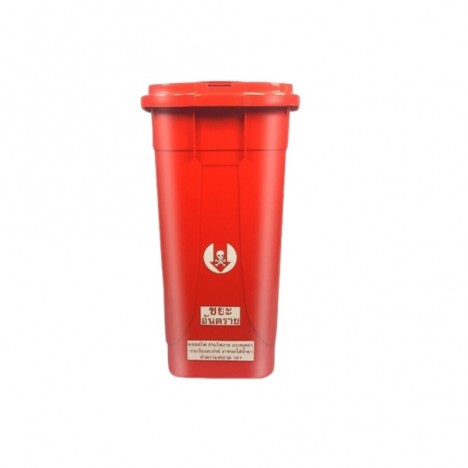
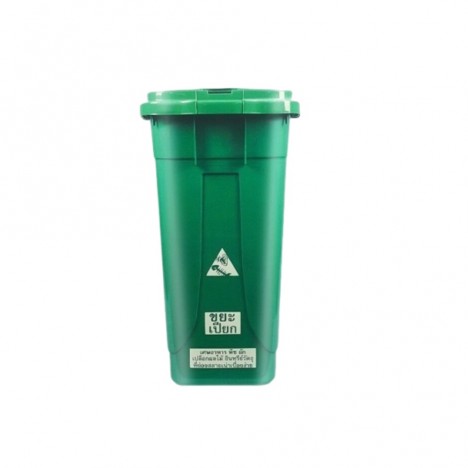
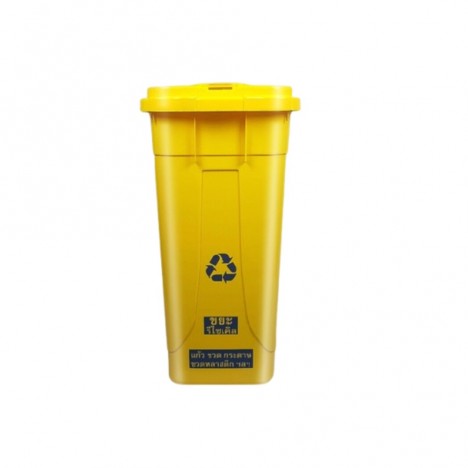
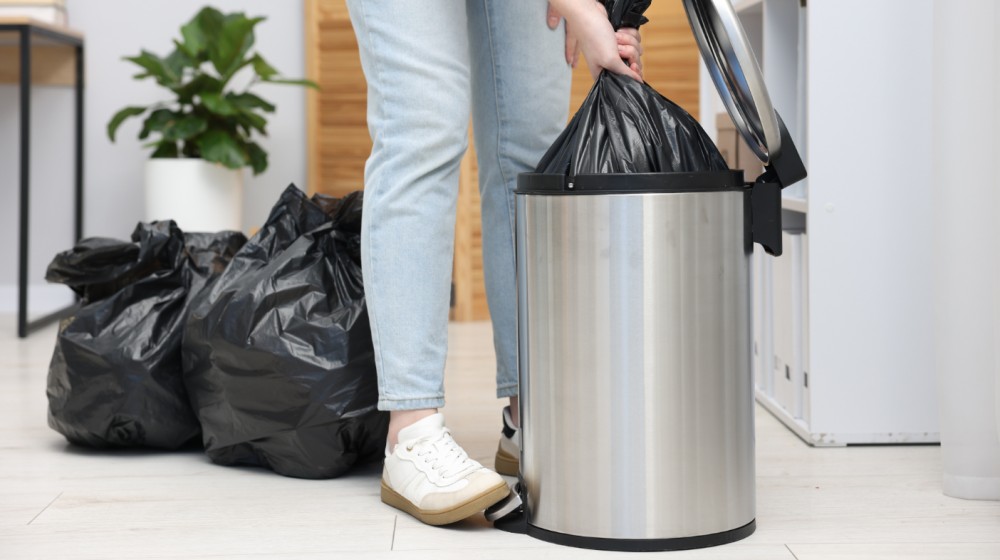
During use Trash Cans & Bins in the home, many people often focus on choosing the bin rather than choosing the Trash Bags Even though in reality, garbage bags clearly affect daily convenience. Bags that are too small won't hold onto the rim and can't be filled completely, while bags that are too large sag, waste money, and sometimes make the bin look unnecessarily messy. This minor issue is something many households repeatedly encounter until they get used to it. But honestly, if you choose the right fit from the start, daily life becomes much easier—from putting in the bag, replacing it, taking it out, to cleaning.
What confuses many people is that trash bin sizes are usually stated in "liters", but garbage bag sizes are often listed as "width x length" or sometimes categorized into small, medium, and large. This leads quite a few buyers to guess by feeling rather than choosing based on actual principles. As a result, what they buy doesn't fit—forcing them to put up with it or constantly switch brands until they find the right size.
This article will help you understand in a practical way: For a trash bin of this size, what size garbage bag should you use? What factors should you consider? Should trash bins in different spots around the house use the same type of bag? And if you don't know the exact size, how should you measure to find the closest fit? This ensures that your trash bins and garbage bags match properly, making them easy to use—not slipping off, not too tight, and without unnecessary waste.
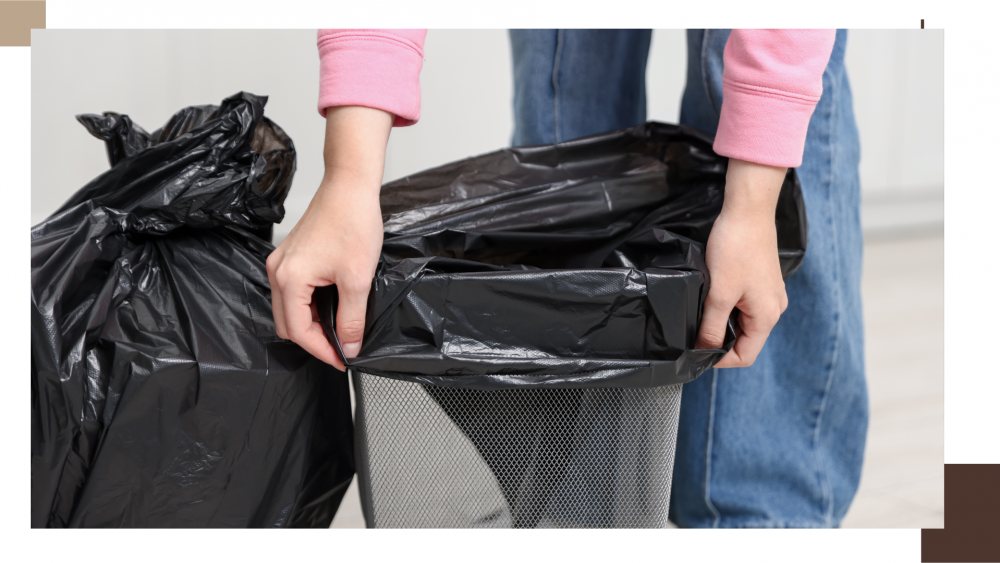
Why choosing the right garbage bag for your bin is more important than you think
Many people might see garbage bags as merely consumable items, assuming that picking up any bag would work just as well. But in actual use, that is not the case at all, because the fit of a garbage bag affects convenience, cleanliness, and long-term value.
If a garbage bag is too small, common problems include not covering the bin's rim completely and not being able to fold the edges over. As you keep throwing trash in, the bag slides down into the bin, causing garbage to make direct contact with the bin itself. In the end, you have to wash the bin more often, odors develop more easily, and it becomes unpleasant to handle—especially with kitchen or bathroom trash bins that regularly contain wet waste.
On the other hand, if a garbage bag is too large, while it might not seem like a big deal, it actually causes unnecessary waste. An oversized bag leaves too much excess rim, sags easily, looks untidy, and sometimes makes opening and closing the lid inconvenient. Especially for trash bins with a swing lid or step pedal, an oversized bag can even get caught in the lid mechanism.
Another important point is that a garbage bag that fits the bin properly helps distribute weight more evenly. When pulling the bag out to throw away, it won't feel overly taut to the point of tearing easily, nor too loose that it loses shape when lifted. Therefore, choosing the right garbage bag for your bin is not just a matter of size fit, but of the entire user experience in your home.
Before choosing a garbage bag, you must first understand that a trash bin's "liters" and a garbage bag's "size" are not measured the same way.
The main reason many people choose incorrectly is comparing numbers from two different measurement systems directly. For example, seeing a 20-liter trash bin makes them assume a 20-liter garbage bag will fit perfectly. In reality, that is not always the case, because a trash bin's capacity is an internal volume, whereas a garbage bag must account for width, height, and the portion folded over the bin's rim.
To give a simple example, two trash bins with similar capacities may require different bag sizes if their shapes differ. For instance, a tall, narrow bin versus a short, wide bin: even with the same liter capacity, their rim widths and bin heights differ. A bag that fits one bin properly might be too tight or too short for the other.
Therefore, when choosing a garbage bag to match a trash bin, you should always look at these 3 factors together:
- Approximate bin capacity
- Bin shape
- Bag dimensions (width x length)
Once you understand this, you'll immediately see why buying bags based solely on liters sometimes still doesn't fit, and why choosing based on the "actual dimensions of the bin" is far more accurate than just guessing from the liter capacity alone.
Simple Rules for Choosing Trash Bags That Fit Your Trash Can
If you want to get the right fit on the first try without trial and error, here are simple principles that apply to almost all household trash cans.
1. The trash bag should be wide enough to wrap around the rim without being stretched too tight, and long enough to reach the bottom with a little extra left over to fold over the top edge. If the bag only reaches the bottom exactly, it will easily slip down or detach from the rim when waste is tossed in.
2. Cans with thick rims or bag-locking lids usually require slightly larger bags than standard open cans, as the folded-over portion consumes more bag length.
3. If the can is used for wet or heavy waste—such as food scraps, water bottles, or kitchen trash—allow for a comfortable fit without tension and choose a thicker bag. Bags that fit too snugly tear much more easily under actual weight than those with a little extra room.
Simply put: A good trash bag shouldn't fit so tightly that it's stretched to the limit. Instead, it should offer a "comfortable fit with extra room" for much easier everyday use.
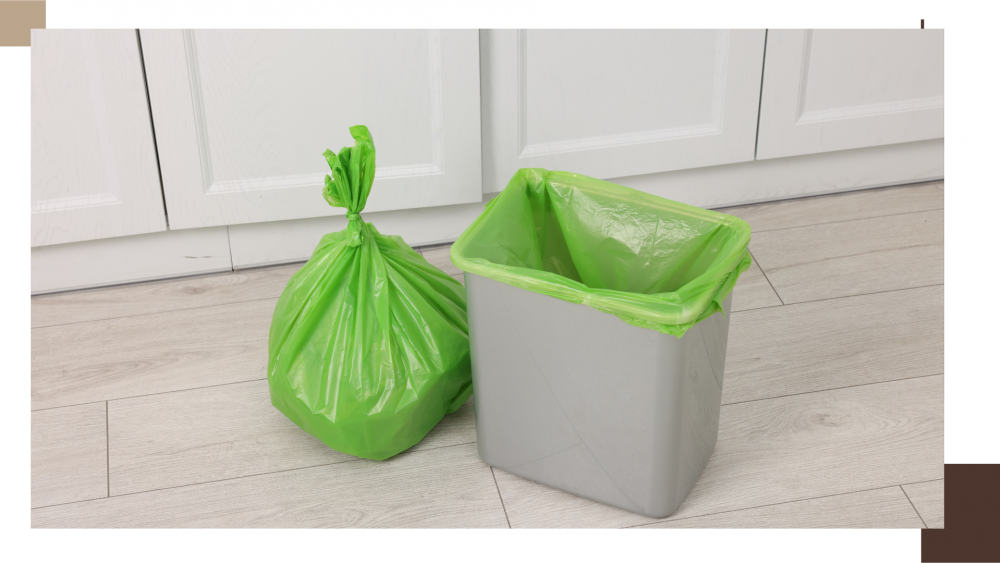
What size trash bag fits this trash can?
Below is a practical guide for typical households, pairing commonly used trash can sizes with appropriate trash bags to give readers a quick and clear reference.
5–8 Liter Trash Cans
These are typically small bathroom trash cans, or placed beside dressing tables or under office desks.
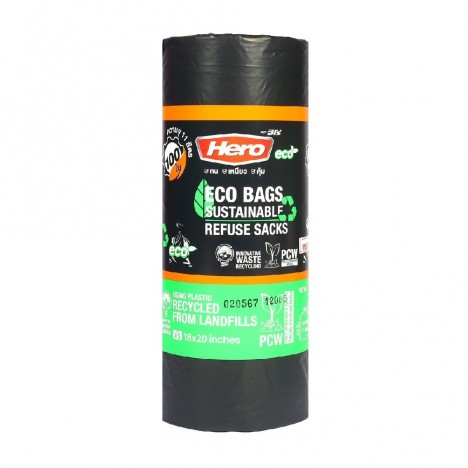
- Suitable trash bags are usually small sizes, such as around 18 x 20 inches or similar dimensions.
- For short cans with narrower openings, small-sized bags will fit well without being wasteful.
10–15 Liter Trash Cans
This size is commonly found in bedrooms, home offices, or medium-sized bathrooms.
- Suitable trash bags are typically around 20 x 24 inches or 22 x 28 inches, depending on the can's shape.
- If the can is tall, allow a little extra length.
18–20 Liter Trash Cans
A very popular size for household use, especially in small kitchens, condos, or common areas.
- Trash bags that work well are usually around 22 x 28 inches or 24 x 28 inches.
- This size range is often chosen incorrectly because bags that are too small tend not to stay folded over the rim.
25–30 Liter Trash Cans
Commonly used in kitchens, living rooms, or homes with multiple family members.
- Suitable trash bags are usually around 24 x 28 inches, 26 x 34 inches, or similar sizes, depending on the opening width of the can.
- If it is a pedal bin and relatively wide, it is recommended to step up to a slightly larger size.
35–40 Liter Trash Cans
These start to hold larger amounts of waste, making them suitable for medium to large families.
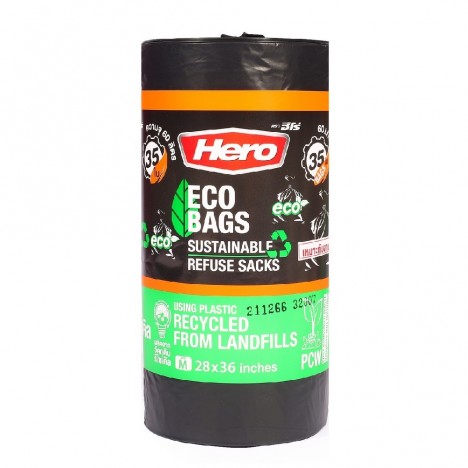
- Suitable trash bags are usually around 28 x 36 inches.
- For cans of this size, you should also consider the bag's thickness, not just its dimensions.
50–60 Liter Trash Cans
Suitable for large kitchens, front yards, or central waste collection points in the home.
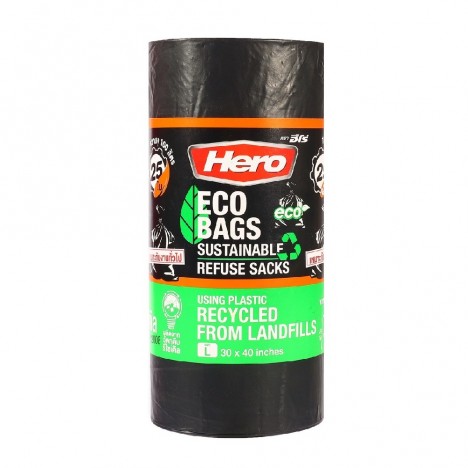
- Commonly used trash bags are usually around 30 x 40 inches or 36 x 45 inches.
- For wet or heavy waste, heavy-duty trash bags should be used; otherwise, even if the size fits, the bag may tear when lifted.
Trash Cans 60 Liters and Above
Commonly used for outdoor bins, communal trash cans, or waste holding areas before disposal.
- Trash bags should be extra-large, and you must select the appropriate width, length, and thickness.
- For bins of this scale, avoid guessing standard household bag sizes, as it is very easy to make a mistake.
This guide provides an easy starting point, but for true accuracy—especially with uniquely shaped bins—always measure the bin dimensions as well.
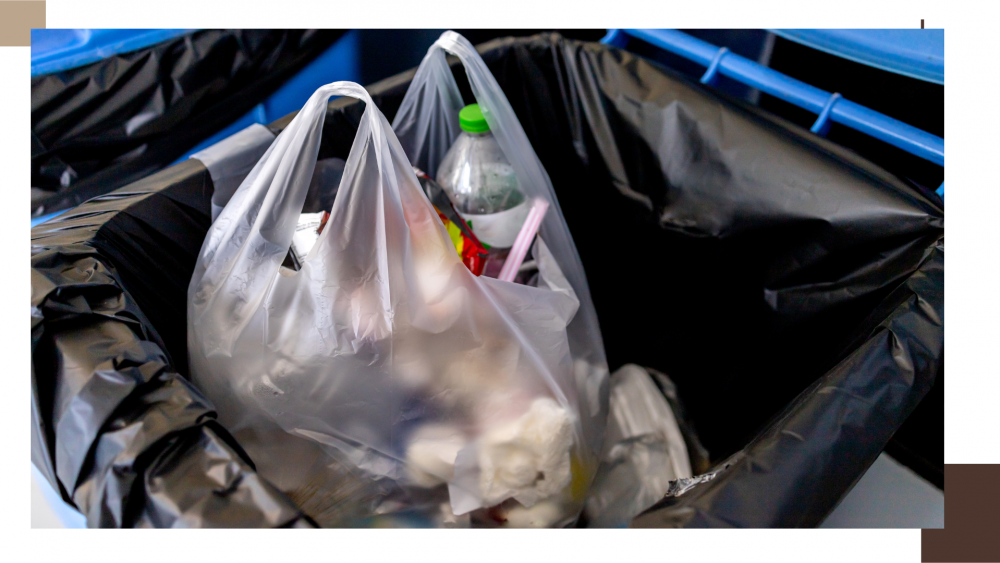
Size Comparison Table: Trash Can vs. Suitable Trash Bag
| Trash Can Size (Liters) | Trash Bag Size (inches) |
| 5–8 liters | 18 x 20 |
| 10–15 liters | 20 x 24 or 22 x 28 |
| 18–20 liters | 22 x 28 or 24 x 28 |
| 25–30 liters | 24 x 28 or 26 x 34 |
| 35–40 liters | 28 x 36 |
| 50–60 liters | 30 x 40 or 36 x 45 |
| 60 liters and above | Extra large size |
Should the trash cans in different spots around the house use the same type of trash bag?
The answer is Not necessarily In fact, it is better not to use the same type throughout the whole house, as each spot has different waste characteristics and usage patterns. Choosing the right trash bag for the trash can in each room will help with both convenience and cost-effectiveness.
Bathroom Trash Cans
Most bathroom trash cans are small to medium-sized. The waste is not very heavy, but moisture is quite common. The ideal trash bag should fit the can properly without being overly bulky and should be easy to change, as the bathroom is an area where cleanliness takes priority over capacity.
- For a typical bathroom, a can around 5–10 liters usually only requires a small-sized bag, and it doesn't need to be as thick as kitchen bags.
Bedroom or Desk Trash Cans
Most waste is paper, tissues, or lightweight packaging. Therefore, you can choose thinner or economical trash bags, as long as they fit the trash can and are easy to replace.
- In areas like this, there is no need to oversize the bag, as the waste is light and contains little to no liquid.
Kitchen Trash Can
This is the spot that requires the most attention because kitchen waste tends to be heavy, smelly, and wet. Trash bags for the kitchen should be slightly larger than standard size so the edges can be folded over securely, and they should be thicker than bags used in other rooms.
Many households use 20–30 liter trash cans in the kitchen but choose trash bags that are too small. Once food scraps are actually tossed in, the bag becomes taut and easily tears. If the kitchen is the main waste disposal spot in the house, it is recommended to opt for extra size and thickness in advance for much easier use.
Outdoor Trash Can
Outdoor trash cans or central collection points generally hold significantly more volume and weight than indoor bins. Trash bags used here should prioritize durability above all else, and you should choose a size that genuinely covers the can properly—because if a bag slips off or tears at this spot, it creates a massive, messy chore.
How to Measure Your Trash Can If You Don't Know Its Capacity in Liters
Often, the trash cans used at home don't have a label stating their capacity, or you forget how many liters they hold after purchasing. There's no need to guess—you can measure the can yourself to choose trash bags quite accurately.
Start by measuring 3 key points:
- Rim width
- Depth or diameter
- Can height
For round trash cans: Measure the diameter of the can's rim and use it as a baseline to determine roughly how wide the bag needs to be.
For rectangular trash cans: Measure the width and length of the can's rim, as these cans require more margin for the corners compared to round ones.
Then measure the height of the can from the rim to the bottom, and allow for extra length to fold over the top rim.
The simple rule of thumb is: the trash bag must be wide enough to wrap around the rim, and it must be longer than the height of the can so the edges can be folded over without easily slipping off.
If you are between two sizes, it is better to size up slightly rather than go too small. A slightly oversized bag is still completely usable, whereas an undersized bag causes immediate problems.
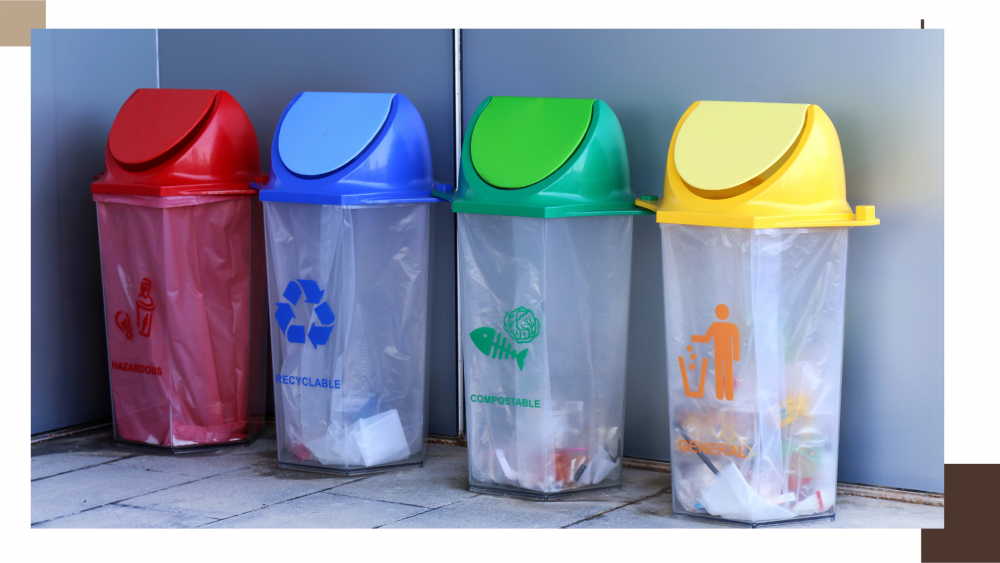
Why trash bags labeled for similar-liter cans don't actually fit in practice
This is a question many wonder about, and it's why articles like this are so helpful. Even if the liter ratings are similar, in practice there are other factors that make trash bags not fit the trash can properly.
1. Shape A tall, narrow bin and a short, wide bin may have the same liter capacity, but require different bag sizes.
2. Thickness of the bin rim Some bin models have thick rims or bag securing rings, requiring extra length allowance.
3. Actual usage habits Some households prefer folding the bag far over the edge to keep it taut, while others fold it only slightly over the rim, which leads to different size requirements.
4. Bag thickness Thin bags stretch differently from thick bags, so the actual fit feels different during use.
Therefore, when buying trash bags for trash cans, don't just look at the numbers on the pack, but also consider whether it matches the shape and usage style of your home.
Thin vs. thick trash bags: How to choose the right one for your trash can
Size matters, but thickness is just as important. A trash bag that fits properly but is too thin will still not meet your needs, especially for trash cans used for heavy or wet waste.
Thin trash bags are suitable for lightweight waste such as paper, tissues, snack wrappers, or waste in bedrooms and home offices. The advantages are economy, easy replacement, and no need to overspend unnecessarily.
Meanwhile, thick trash bags are suitable for waste that is heavy, has sharp edges, or contains liquids, such as kitchen waste, plastic bottles, glass bottles, or mixed waste collected in large amounts at once. Trash cans used for these types of waste should prioritize thick bags; although the price may be slightly higher, it significantly reduces the issues of tearing, leaking, or slipping off when lifted.
For practical selection, simply think of it this way:
- Lightweight waste: Use a properly fitting bag and save on costs.
- Heavy waste: Use a properly fitting bag and always allow for extra thickness.
Common mistakes people make when choosing trash cans and trash bags
One of the most common mistakes is choosing trash bags based on guesswork, such as thinking it looks close enough so it should fit, without checking the actual dimensions of the trash can, resulting in a bag that does not fit when used.
Another mistake is only looking at liters without considering the shape. As mentioned, bins with the same liter capacity do not always take the same bag size.
Another frequent mistake is choosing a trash bag that fits too tightly. Many people think the bag must fit snug against the bin to look neat, but in reality, an overly tight bag is usually difficult to use, slips off easily, and tears more easily.
Some households make the opposite mistake: using oversized bags for every bin, thinking buying one single size is convenient. In the end, it just leads to unnecessary waste, especially for small bins in the bathroom or bedroom that don't need large bags at all.
If you want to keep it simple, how many trash bag sizes should you have at home?
For an average home, you really don't need a chaotic variety of bag sizes. Usually, just 2–3 sizes are enough to cover everything.
- Small size For trash bins in the bathroom, bedroom, or desk area
- Medium size For trash bins in the kitchen or main living areas of the house
- Large size For outdoor trash bins or central waste collection points
Categorizing them this way ensures your trash bags properly fit the trash bins in each spot without having to buy too many varieties, and it makes managing costs much easier than buying random sizes.
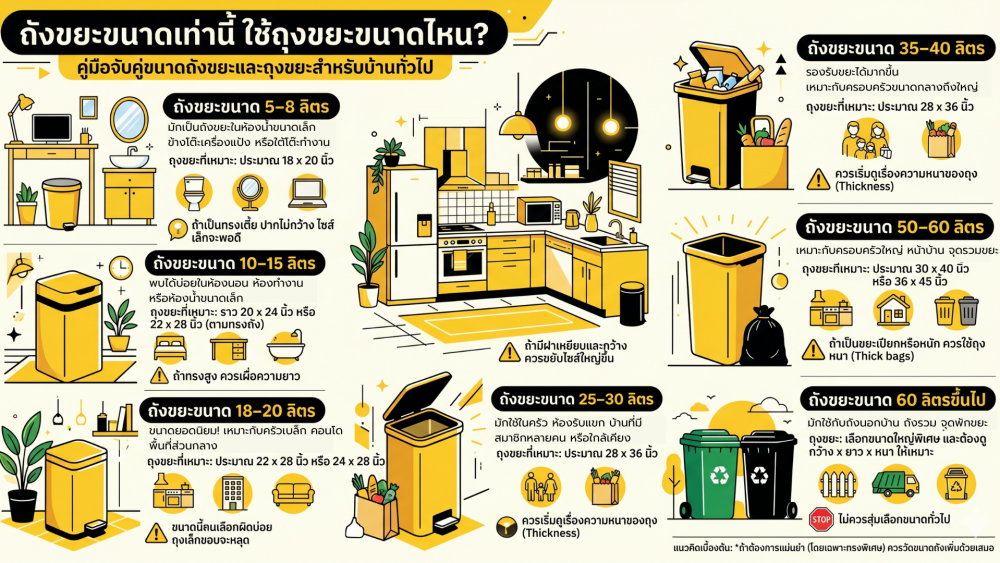
For a trash bin this size, what size trash bag fits best and offers the best value?
To put it simply, choosing Trash Bags to fit Trash Cans & Bins shouldn't just be about looking at the liter capacity. You should consider actual dimensions, bin shape, height, and the type of waste being disposed of. Small bathroom bins don't need oversized bags; kitchen bins require extra allowance in size and thickness compared to other spots; and outdoor bins demand both a proper fit and extra durability.
A simple rule of thumb to remember is:
- Trash bags must be wide enough to cover the rim of the bin,
- long enough to reach the bottom and fold over the edges,
- and thick enough to handle the actual weight of the waste.
By following these principles, your trash bins and trash bags will work together much better, your home will look tidier, changing bags will be easier, and you won't have to waste money buying the wrong sizes again.