


 EN
 ไทย


Customers Also Purchased
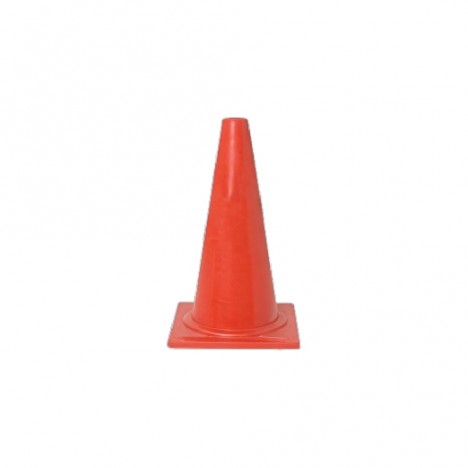
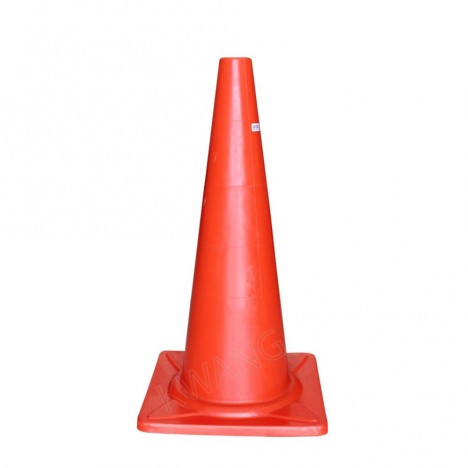
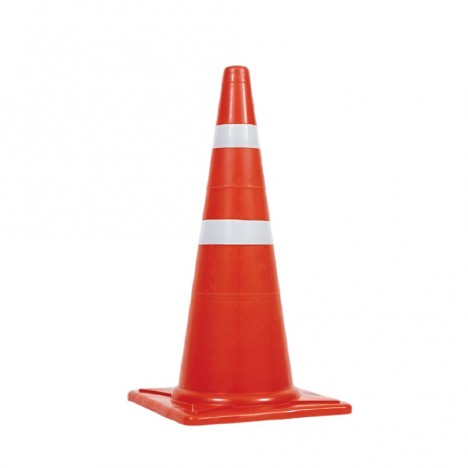
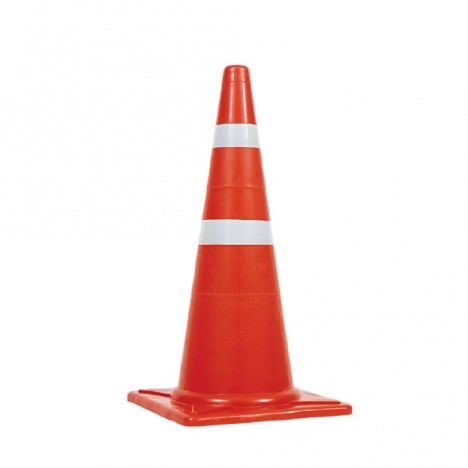
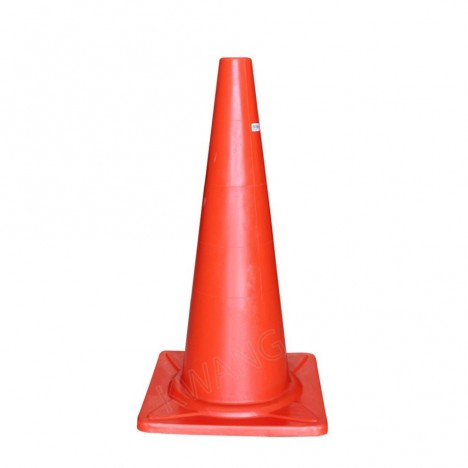
When most people choose Floor Safety Cones They often start with what they can see first, such as needing to be fluorescent orange, highly visible, standing prominently, or by looking at price—which one is cheaper, or better value in bulk. But on actual jobsites, what decides whether a cone "works or not" isn't just external looks, but directly comes down to the cone's material. The material determines flexibility, sun resistance, stability when standing, shape recovery upon impact, and long-term service life.
The point of most confusion is PVC vs. PE traffic cones, because at a glance they look very similar: both are orange cones, both are used to cordon off areas, and sometimes both have reflective strips. But in real-world use—especially in areas with passing traffic, sun, rain, or frequent relocation—the difference becomes increasingly clear, turning into a matter of "buying cheap but replacing often" versus "paying a bit more for much longer service life."
This article will break down the differences between PVC and PE traffic cones in detail, covering materials, real-world behavior under use, pros, cons, and how to select the right one for your application so you don't base your choice solely on price and end up paying twice later.
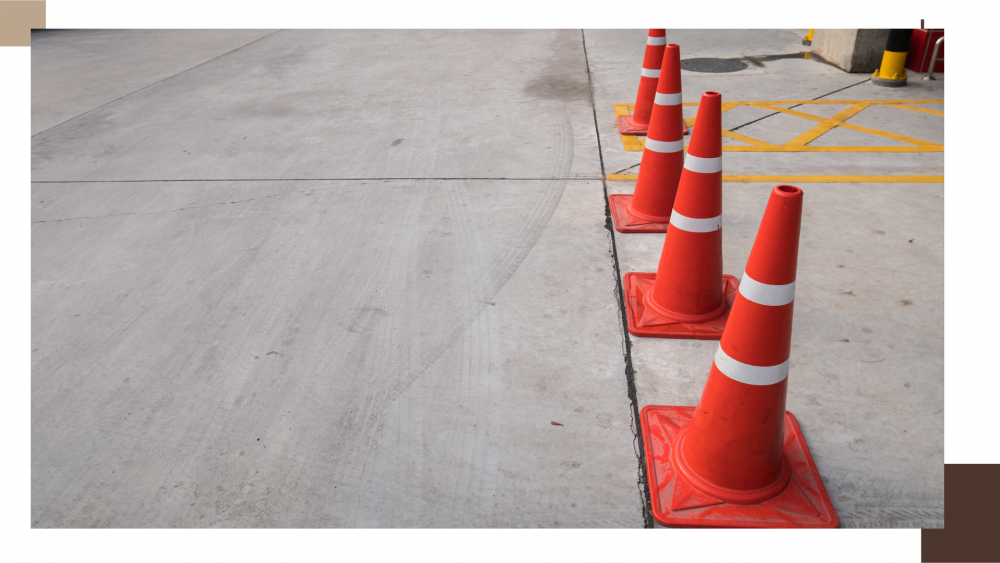
Before comparing PVC and PE, understand that a "good traffic cone" isn't just measured by standing upright.
Many people think a traffic cone's only job is to stand clearly visible, but a truly good cone must do more. It must be easily seen day and night, resist toppling in wind or vibration, avoid deforming quickly when clipped or run over by vehicles, and remain consistently functional even after prolonged outdoor exposure. All of this ties back to the material—whether flexibility, UV resistance, moisture resistance, or impact strength.
Therefore, when asking "what is the difference between PVC and PE?", the true answer isn't just the name of the plastic, but rather how it feels to use, its lifespan, and its suitability for each type of jobsite.
What is a PVC traffic cone? Why do on-site workers prefer using it?
PVC traffic cones are made of polyvinyl chloride, which for traffic cone applications is typically manufactured to be highly flexible with excellent shape recovery. The standout feature emphasized by many manufacturers is that when a PVC cone is crushed or clipped by a vehicle, it can bend and bounce back into shape far better than cones made of rigid plastics, especially models made from soft PVC or flexible PVC designed specifically for field duty.
What makes PVC cones so appealing in actual practice is that they are not rigid like plastics that crack easily under force; instead, they "give way first" and then regain their shape afterward. This is why in areas with frequent traffic—such as road repairs, parking lots, factory passageways, or areas with frequent equipment movement—PVC cones are often seen as the safer and more cost-effective choice in the long run. Even if bumped or run over, they have a much higher chance of surviving and continuing in service.
Another reason PVC is widely used is weather resistance. Many manufacturer sources and safety procurement manuals indicate that PVC cones are typically engineered to withstand UV, moisture, and outdoor conditions well, making them ideal for continuous outdoor deployment rather than just single-day events.
Simply put, in user terms, PVC traffic cones feel "solid, flexible, tough, and ready for heavy-duty work."
So what is a PE traffic cone? Why do many people still choose it?
PE traffic cones are made from polyethylene, which is generally regarded as a lightweight material that is easy to manufacture with a relatively economical unit cost. As a result, it is widely used for many cones on the market, especially for jobs requiring numerous setup points, temporary tasks, or applications involving frequent transport. Many manufacturers consistently highlight PE's lightweight nature and cost-effectiveness, making it more suitable for light-duty or temporary setups.
The benefit of this lightweight nature is that workers can lift, move, deploy, or store them very quickly. Especially for events, temporary cordoned-off areas, queuing management, gym work, or indoor tasks that do not face continuous impacts from heavy vehicles, PE cones excel in maneuverability. They require minimal effort to handle, and bulk purchases place far less strain on budgets compared to heavier or higher-grade materials.
However, it is crucial to understand that PE is not suitable for every application. Its inherent lightness and stiffness can become limitations when exposed to outdoor conditions, strong winds, frequent impacts, or prolonged intense sunlight—especially models prioritizing low cost over material quality. If chosen incorrectly, initial savings at purchase can turn into much higher replacement costs later on.
To summarize the essence of PE in the simplest terms: it is “lightweight, nimble, and economical, but must be used for the right application.”
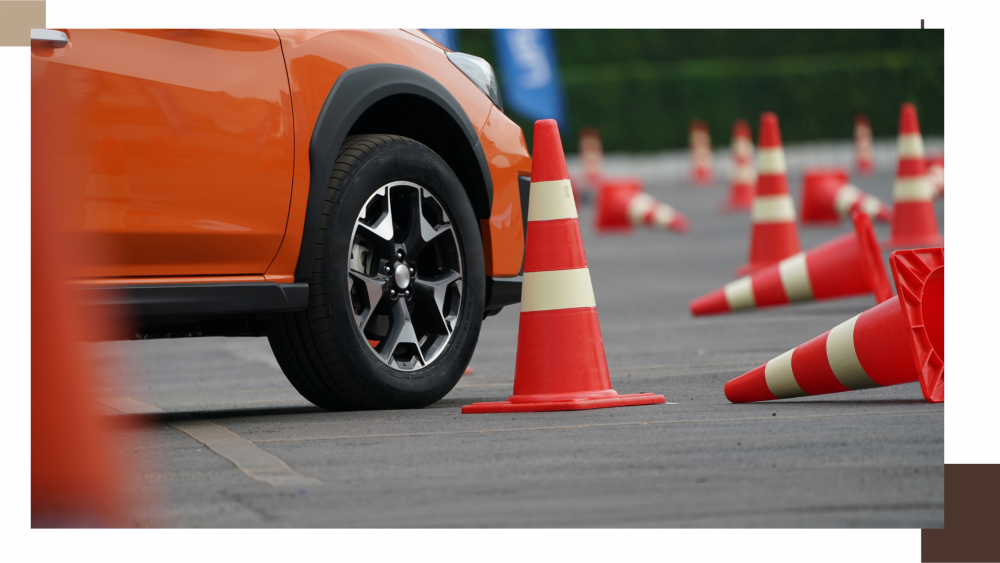
Visual Comparison: How PVC and PE Differ on Real Jobsites
When reading a comparison article, people usually do not just want a rigid table stating which is heavier and which is lighter; they want to know how they perform differently in real-world use. So let's look at them from an on-site perspective.
1. If Sideswiped or Run Over by a Vehicle, Which One Survives Better?
In this aspect, PVC usually holds the advantage because flexible PVC cones are engineered to bend, flex, and bounce back into shape. Many manufacturers promote selling points like “crush-resistant” or “bounce-back design” to show that the cone can continue to be used even after being run over or taking a substantial impact. In contrast, many PE models are stiffer and more rigid; under frequent heavy impacts, they are more prone to cracking, shattering, or suffering permanent deformation.
Imagine a parking lot where drivers misjudge backing up and clip a cone almost every week. With a PVC cone, you likely can just stand it back up and keep using it. But with a stiffer, more brittle cone, repeated impacts might prevent it from regaining its shape, or in some cases, it may crack and require immediate replacement.
2. For Long-Term Outdoor Use Exposed to Sun and Rain, Which Is More Stable and Resilient?
Information from manufacturers and procurement guides consistently points to PVC being used more frequently for outdoor applications because it boasts excellent UV resistance and weather durability. Lower-grade plastic cones or budget-focused models, on the other hand, tend to have a shorter lifespan when continuously subjected to sunlight and impacts, especially in industrial areas or demanding heavy-use jobsites.
This does not mean PE cannot be used outdoors at all. Rather, it means that if you need to place cones outside every day—facing afternoon sun, rain, and wind as a matter of routine—PVC typically provides greater peace of mind regarding lifespan and material stability.
3. If You Need to Move Them Frequently, Which Is Easier to Work With?
Here, PE scores high marks. Thanks to its lightweight nature, workers can easily lift, stack, and quickly relocate perimeter markers. It is ideal for tasks requiring constant setup and teardown, such as events, temporary space partitioning, or indoor work where heavy collisions are not a major concern.
Simply put, if your jobsite is not harsh but requires constantly shifting placement points, PE offers superior maneuverability and genuinely reduces the physical strain on on-site personnel.
4. In Windy Areas or Continuous Traffic Flow, Which Is More Stable?
Heavier cones generally have the upper hand when it comes to stability. Many PVC cone product specifications directly highlight their heavy bases and stability in strong winds as key features. Meanwhile, PE cones, which prioritize lightweight convenience, are better suited for less demanding conditions or should be paired with an adequate weighted base to enhance stability.
Therefore, if your work is in an open field, windy area, experiences frequent vehicle traffic, or involves machinery vibrations, choosing a cone with greater weight and a stable base significantly minimizes the issue of cones being blown over or knocked down.
Which Jobs Suit PVC and Which Suit PE?
PVC is the better choice when you need cones for routine outdoor use that will encounter vehicles, impacts, sun, and rain, and where you want to avoid frequent replacements. These applications include construction zones, parking lots, factories, roadside maintenance, or long-term continuous use areas. PVC's key strengths lie in its flexibility, weather resistance, and ability to spring back into shape after pressure or impact.
Meanwhile, PE is more suitable when your requirements involve temporary use, frequent relocation, a tighter budget, or areas without heavy impacts—such as events, queue management, indoor use, training drills, or internal area cordoning where cones are not left under the sun every day. This is because PE's strengths lie in its lightweight build, portability, and more budget-friendly initial cost.
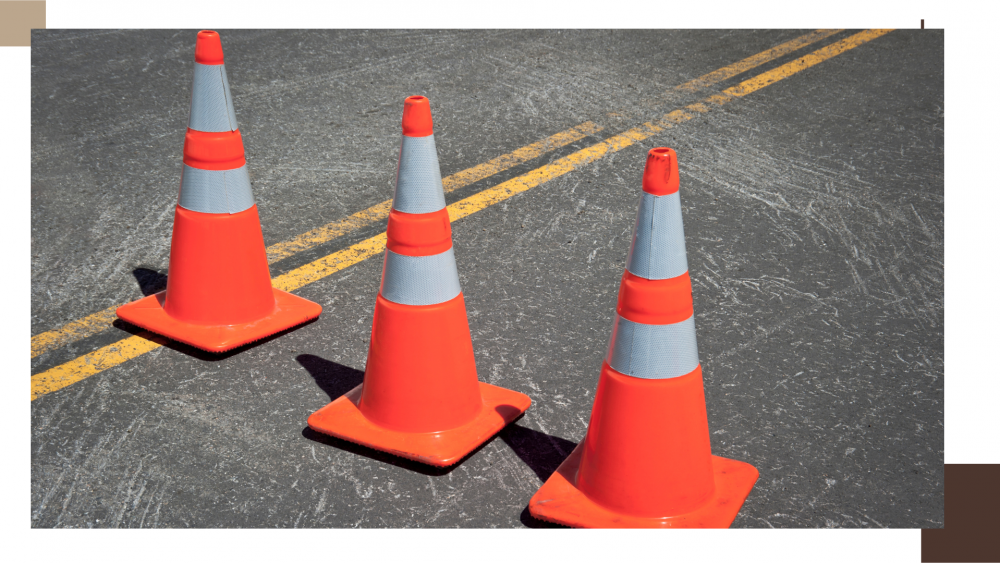
The most common mistake buyers make isn't just about the material, but rather "buying the wrong tool for the job."
A very common problem is that buyers see cones looking similar, assume any type will do, and then base their decision solely on price. The result is purchasing lightweight cones for outdoor lots with constant vehicle traffic, or buying cheap cones for job sites exposed to daily sunlight. Before long, they easily get knocked over, fade in color, become brittle, or deform faster than expected—leading right back to having to buy replacements anyway.
Another case is buying an unnecessarily high grade, such as purchasing heavy-duty cones just for temporary indoor use. While not inherently wrong, it drives costs up unnecessarily. Therefore, the question to ask before buying shouldn't just be "Which is better, PVC or PE?" but rather "What will our job site encounter?"—such as how often they need to be moved, whether they will be exposed to sunlight, whether vehicles will drive by, how long they will remain set up, and how many months or years you expect them to last.
How to Choose Without Mistakes: What to Consider If Deciding Today
When choosing traffic cones, don't just look at the material name; evaluate these 4 overall factors together:
1. Nature of the Work If it's heavy-duty, outdoor, long-term, or prone to impacts, lean more toward PVC. However, if it's temporary or indoors, PE remains a great choice.
2. Frequency of Relocation If the crew has to move them in and out every day, lighter cones will save more effort and time.
3. Operating environment If the area experiences intense sun, strong winds, or frequent rain, more durable materials and bases will be more worthwhile.
4. Total Long-Term Cost It's not just the price per unit; an item that is cheaper on the day of purchase might end up more expensive once you calculate actual service life and replacement frequency.
Which Type is More Suitable for Your Work?
For the shortest answer to make your decision: if it's for outdoor use, heavy-duty applications, areas with vehicle traffic, or you want long-term value, PVC is usually more suitable because it is more flexible, recovers its shape better, withstands weather better, and provides greater stability in actual use.
On the other hand, if it's for temporary tasks, indoor use, frequent moving, or tight budgets, PE is usually more suitable because it is lightweight, easy to relocate, and has a lower initial cost.
Thus, the answer isn't simply about which one is inherently "better," but rather which one is "more suited to the job." Broadly speaking from real job site applications, PVC holds the advantage in continuous field operations, while PE shines in tasks prioritizing mobility and low initial cost.