


 EN
 ไทย


Customers Also Purchased


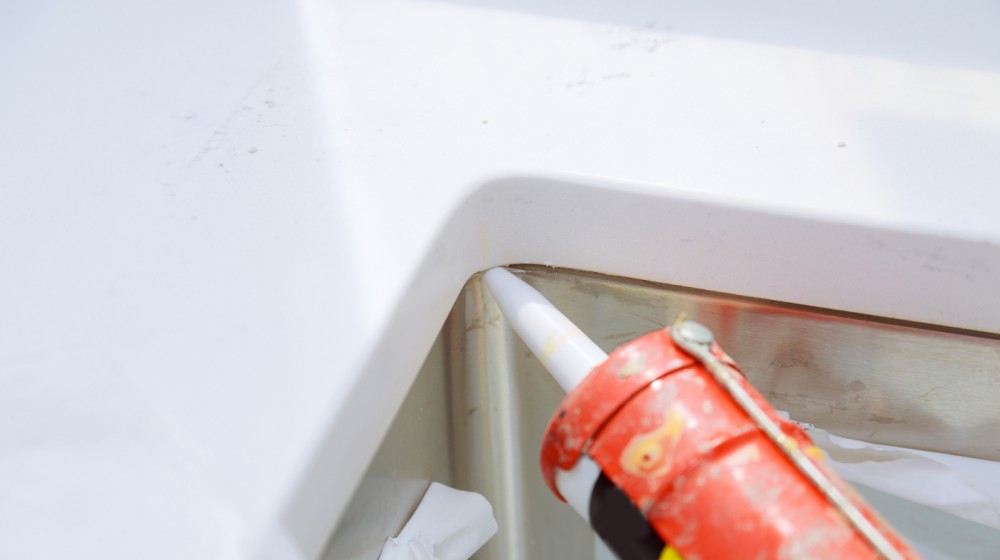
When talking about Construction Silicone Many people envision the same old picture: a glue used only for caulking bathrooms or plugging small leaks. But from the perspective of craftsmen or hands-on users, silicone is "far more versatile than you think." It doesn't just bond or fill; it seals, protects, and accommodates material movement all at once—something regular adhesives simply cannot do.
Interestingly, common problems such as silicone peeling off quickly, developing mold, leaking, or even corroding materials usually don't happen because of poor silicone quality, but rather because of "using the wrong type or applying it incorrectly." This article covers everything from the basics to practical applications, explaining: What silicone can be used for And how to choose the right one for each job for professional results
What is silicone and why is it so versatile?
Silicone (Silicone Sealant) is an adhesive renowned for its "flexibility." Once cured, it does not harden like conventional glue, but turns into a rubbery substance that can expand and contract with material movement. This makes it ideal for applications involving movement, such as window frames, glass edges, or material joints exposed to heat and moisture.
Key features that make silicone popular across multiple industries:
- Excellent waterproofing with true sealing performance
- Resistant to sun and UV rays, not easily degraded
- Highly flexible, does not crack
- Adheres to various surfaces such as glass, aluminum, concrete, and plastic
- Available in multiple formulations, such as mold-resistant, heat-resistant, and neutral cure (acid-free)
Therefore, it's not just "glue," but like an intermediate agent that helps protect the work for long-term durability
What can silicone sealant be used for? (A complete guide to real-world applications)
1. Sealing leaks and cracks (Basic, but most important)
This is the most well-known application, but it's also where mistakes happen most frequently. Many people think that just caulking it shut is enough, but in reality, silicone does much more than that. It acts as a barrier "preventing water from accumulating inside," which, if left unchecked, can turn into major problems like swollen walls, peeling paint, or structural damage.
Common applications
- Sealing roof leaks
- Sealing wall cracks
- Sealing material joints, such as concrete to steel, or wood to concrete
The key point is to choose a silicone with good elasticity, because these cracks often undergo movement. If a rigid adhesive is used, it will come loose over time.
2. Bathroom sealing / caulking (Wet areas = must choose correctly)
In the bathroom, silicone is practically the "main player" for all work because this area has water, moisture, and mold. If you choose the wrong one, it truly makes a huge difference.
Main applications
- Around washbasin edges
- Around toilet base edges
- Around bathtub edges
- Around shower screen glass edges
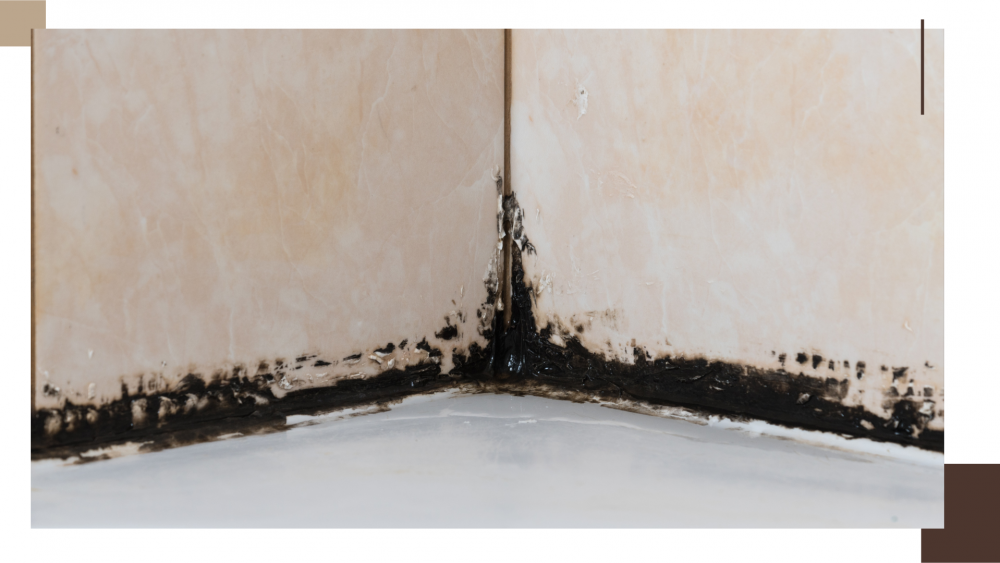
What you need to know is that there are silicone sealants specifically formulated to be "anti-fungal/mold-resistant," which differ from general-purpose types. If you use the wrong type, before long it will turn black and won't wash off.
3. Glass and aluminum installation (work requiring neatness + durability)
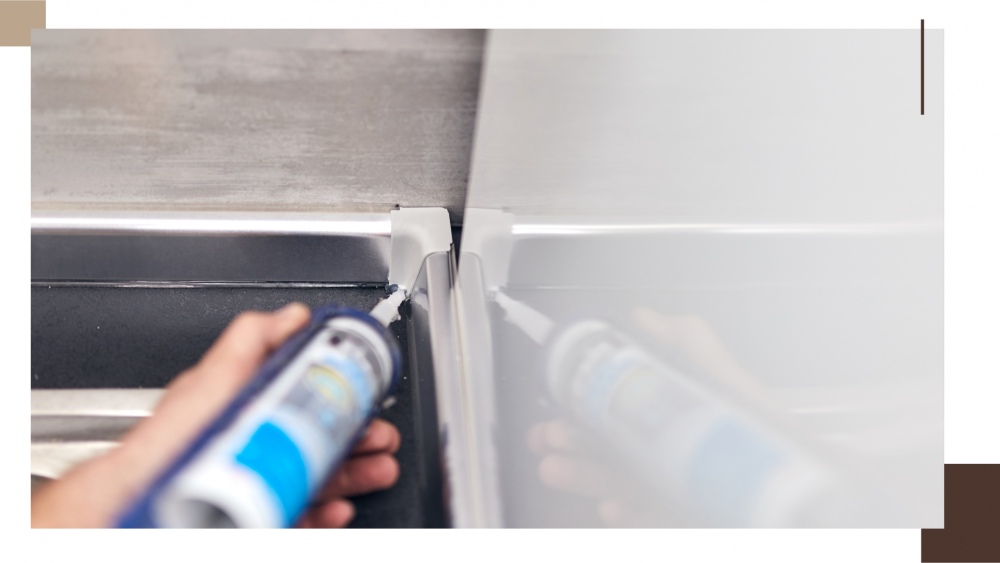
Glasswork is another application that extensively uses silicone, as it requires both aesthetics and durability, such as:
- Window glass
- Frameless glass
- Glass display cases / cabinets
- Aluminum frames
Silicone helps to:
- Bond glass without needing many fasteners
- Absorb vibrations and thermal expansion
- Prevent water ingress along glass joints
Important note: Non-acidic (neutral cure) silicone should be used for this work, as acidic types may corrode metal or damage materials.
4. Exterior waterproofing and sealing (truly rainproof and sunproof)
Silicone isn't just used indoors; it's heavily used in exterior applications, such as:
- Exterior window edges
- Building wall joints
- Roof joints
- Metal sheet roofing and cladding
Key highlights include:
- Excellent rainwater resistance
- Sun-resistant, doesn't easily crack or become brittle
- Helps reduce accumulated water seepage issues
For this application, you must choose "UV-resistant silicone"; otherwise, it will degrade very quickly
5. Electrical appliances and electronics work
Another application that most people don't know about is that silicone is widely used in electrical work because it is non-conductive and provides excellent moisture resistance.
Examples
- Sealing waterproof junction boxes
- Protecting circuits from moisture
- Securing internal components
This point is crucial for applications requiring safety
6. Automotive work (mechanics know this well)
In the automotive industry, silicone is used as a gasket replacement in certain areas, such as:
- Sealing engine valve covers
- Sealing small oil leaks
- Engine bay applications
Certain types of silicone can withstand "high temperatures," making them suitable for engine applications
7. DIY and home repair work (must-have household item)
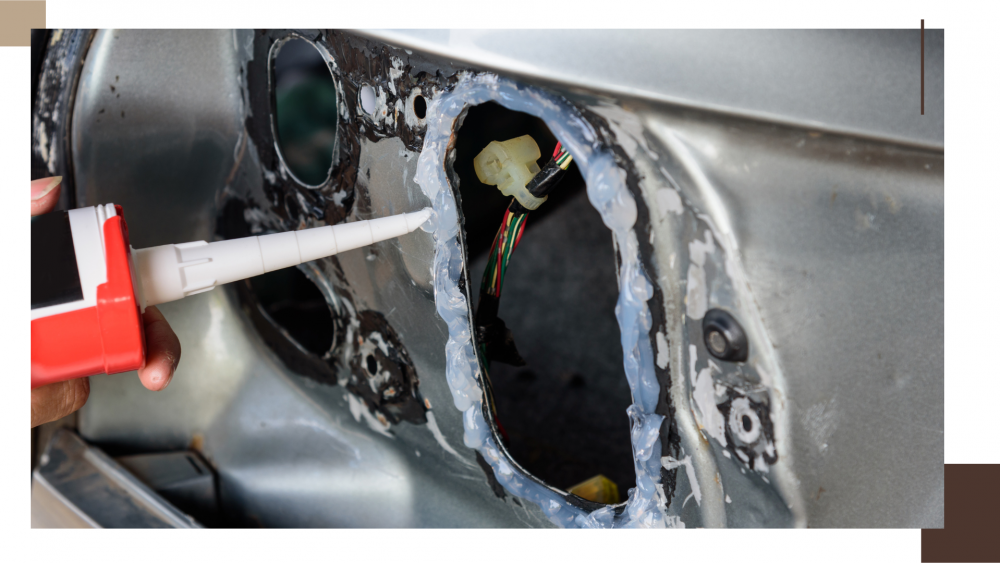
This is where most people "underutilize silicone," as it can do much more than you might think
Examples
- Mounting wire ducts/raceways
- Attaching hanging hooks
- Fixing broken items
- Mount items on walls without drilling
The advantages are
- Flexible and does not come off easily
- Works with various materials
- Does not require many tools
8. Soundproofing and vibration dampening (a little-known secret feature)
Silicone possesses "shock-absorbing" properties, making it useful for:
- Reducing noise through gaps
- Padding equipment to reduce vibration
- Sealing joints to prevent sound leakage
9. Applications requiring high flexibility
The greatest strength of silicone is its "flexibility," making it ideal for:
- Wood joints
- Metal joints
- Glass joints
General adhesives might crack, but silicone can stretch and move along
How to choose the right silicone for your job
To summarize for the easiest practical use:
- Bathroom → Use anti-fungal silicone
- Glass work → Use neutral cure (non-acidic) silicone
- Outdoor work → Use sun-resistant / UV-resistant silicone
- Engine work → Use heat-resistant silicone
- General work → Use multi-purpose silicone
Common mistakes when using silicone that ruin the job
Even if you know what silicone can be used for, missing these points can still ruin your project
- Using the wrong type (acetic vs. neutral)
- Applying onto dirty surfaces
- Not letting it cure before exposing to water
- Using in the wrong environment (indoor vs. outdoor)
- Uneven smoothing, causing water seepage
Techniques for applying silicone smoothly like a pro
- Always clean the surface beforehand
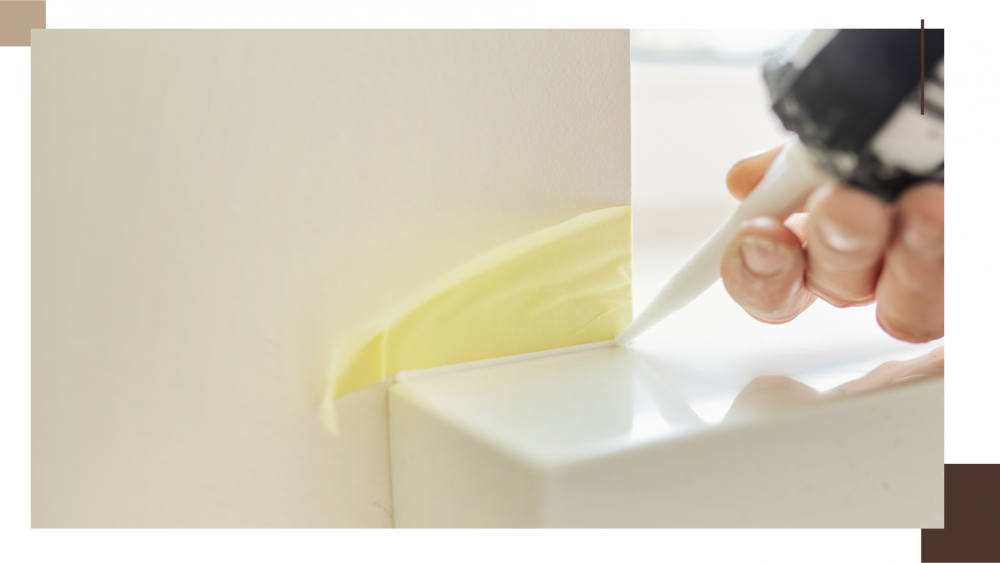
- Use masking tape to guide straight lines
- Apply with a consistent, continuous bead
- Smooth it immediately before it dries
- Allow it to cure for the recommended time
Silicone is not just glue, but the "finishing touch"
From a craftsman's or practical user's perspective, you'll realize that Construction Silicone it is one of the most cost-effective materials Because it bonds, waterproofs, prevents issues, and extends the lifespan of your work all in one. But what makes the job succeed or fail isn't the price—it's "choosing the right one for the job."
Used correctly, silicone makes the job neat, durable, and professional-looking. But used incorrectly, no matter how beautifully it's applied, you'll ultimately end up having to redo it anyway.