


 EN
 ไทย



Customers Also Purchased

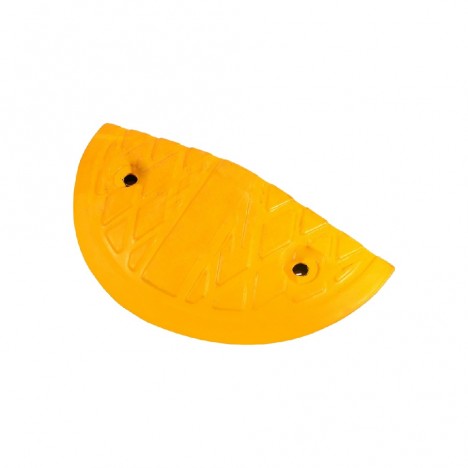
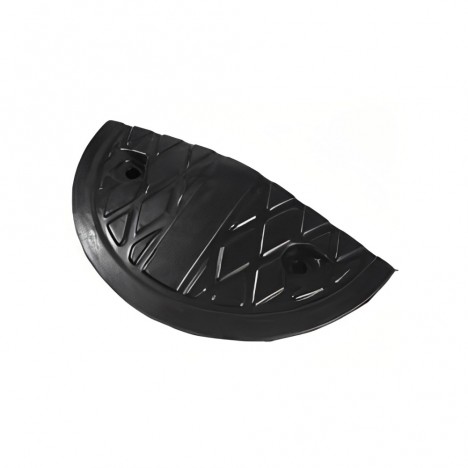
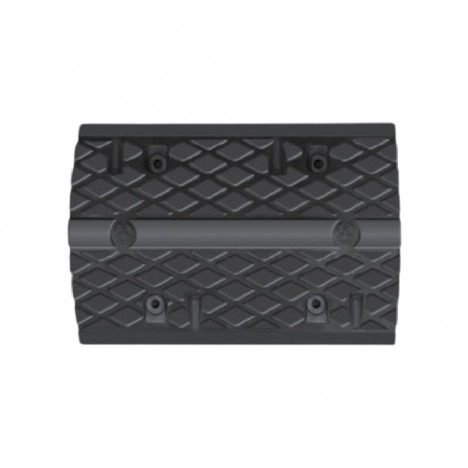
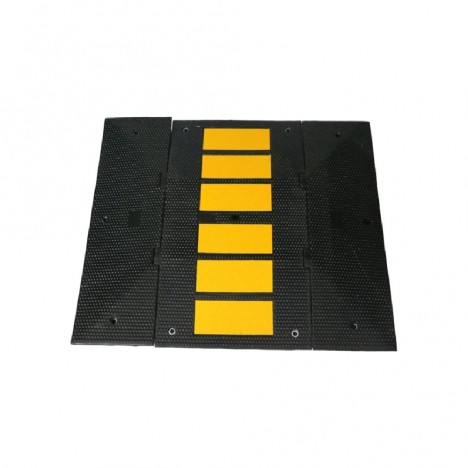
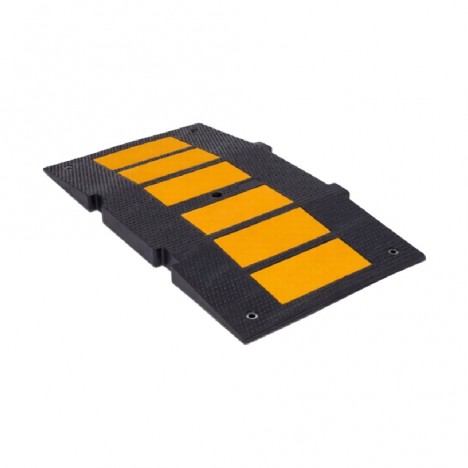
Rubber Speed Bumps or what many people call "speed bumps," are equipment commonly seen in everyday life—whether in housing estates, condominiums, parking lots, factories, or even in front of schools. Their purpose seems straightforward: to force vehicles to "slow down" before passing through critical areas. In reality, installing rubber speed bumps is not just about placing them down and calling it a day. Many places make the mistake of using "non-standard" sizes or heights, leading to various problems such as hard vehicle impacts, loud noise, vehicle damage, or, in some cases, cars still speeding through as if nothing were there.
The key question is not just whether to install them, but "how high they must be to be effective without creating new problems," because a good speed bump must balance "enforcing speed reduction" with the "safety of vehicles and road users." This article will take you on a deep dive—from the core principles and actual on-site standards to selecting the right type for each situation—so you can fully understand and apply them effectively in practice.
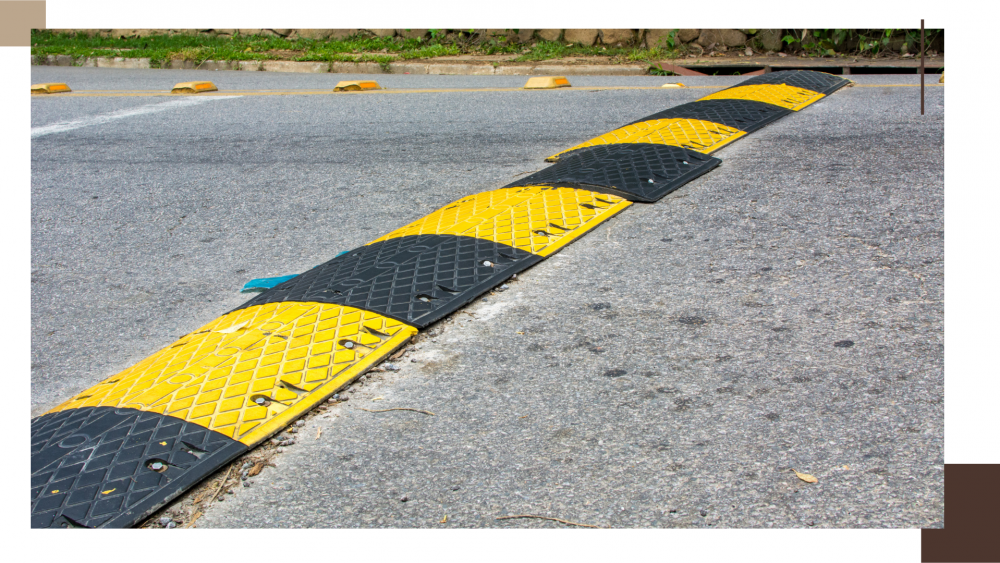
How do rubber speed bumps work?
Before talking about height, it is essential to understand how speed bumps work behaviorally. The principle of rubber speed bumps is not about "enforcement by law," but rather enforcement through "physical sensation." That is, when a vehicle drives over a raised surface, the vehicle experiences an impact. Driving too fast causes discomfort or potential damage, prompting drivers to slow down automatically.
What must be understood is that speed bumps are not meant to maximize vehicle impact; they are designed to create an "appropriate warning threshold." If the warning force is too subtle, vehicles will not slow down; but if it is too severe, it immediately becomes hazardous. Therefore, "height" is the most critical variable, as it directly dictates the impact force level.
How high should rubber speed bumps be?
In practice, there is no single number that fits every situation, but there is a "standard range" used in real-world applications that is widely recognized for delivering the most balanced results.
Common heights used on site
- 3–5 cm → The most commonly used range, suitable for general areas such as housing estates, condominiums, and parking lots.
- 5–6 cm → Used in areas requiring stricter speed control, such as factories or areas with heavy truck traffic.
- Over 7 cm → Considered exceeding standard limits for general vehicles and carries high risks.
What needs to be emphasized is that these numbers are not random, but are a range proven through real-world use to be "effective without creating new problems."
Why is height so important?
What happens if it's too high? (A very common problem)
Installing speed bumps that are too high is one of the most common mistakes, especially in areas where there is a desire to "force cars to slow down drastically," but it ends up causing more problems instead.
When the height exceeds standards, vehicles endure excessive impact, particularly sedans with low clearance. The consequences include:
- Impact shock to the undercarriage, damaging shocks or the suspension system.
- Scraping the underbody, especially on lowered or low-profile vehicles.
- Drivers feel unsafe, triggering "sudden braking" behavior.
- Motorcycles are prone to losing control, especially if ridden over at speed.
In some cases, drivers choose to "swerve around the speed bump" instead of slowing down, which is even more dangerous than having no speed bump at all.
In summary, too high = not just bad, but "dangerous."
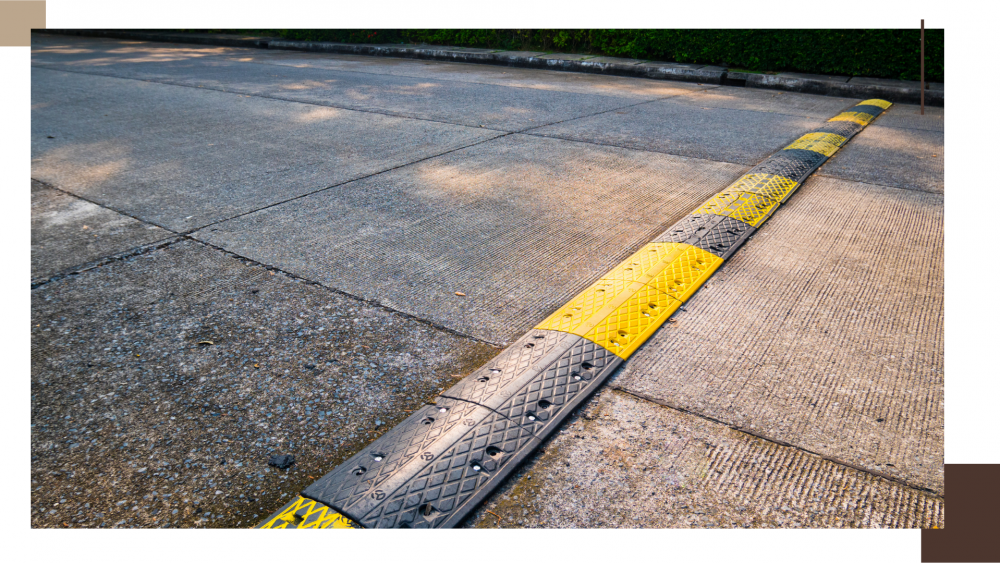
What happens if it's too low? (Installed in vain)
On the other hand, using speed bumps that are too low is also a common issue, especially in areas prioritizing aesthetics or fearing vehicle damage.
When the height is insufficient, the impact generated is so minimal that drivers barely feel anything. As a result:
- Vehicles continue to drive over at the same speed.
- No change in driving behavior.
- The equipment becomes merely "decorative."
This is clearly evident on-site; for instance, in some parking lots where speed bumps are installed but cars still drive as fast as before because the height is insufficient to serve as a physical warning.
In summary, too low = "ineffective."
Rubber speed bump standards you should know
1. Height Standard
Height determines the "impact force" and is the core of the entire design.
The optimal height must be at a point where
- vehicles feel a warning jolt
- without causing any damage.
The 3–5 cm range is the most balanced because
- vehicles must slow down,
- yet can still pass safely.
If it is too high, it creates a "shocking" impact, but if it is just right, it delivers a "warning" impact.
2. Width Standard (Width & Impact Distribution)
The width of the speed bump directly affects the "smoothness of the crossing".
A wider speed bump allows
- vehicles to ascend and descend more gradually,
- reducing sudden impact forces.
In contrast, a narrow speed bump will
- cause a sharp, sudden impact,
- feeling like a harsher jolt even at the same height.
An optimal width (around 30–50 cm) helps distribute force, causing vehicles to slow down without excessive jarring.
3. Shape Standard (Shape & Slope Design)
The shape of the speed bump should be "rounded" rather than angular, as the shape dictates the "nature of the impact".
The curved shape will
- Allow vehicles to pass over smoothly
- Reduce sudden impacts
While an angular shape will
- Cause immediate impact
- Increase risks to vehicles and drivers
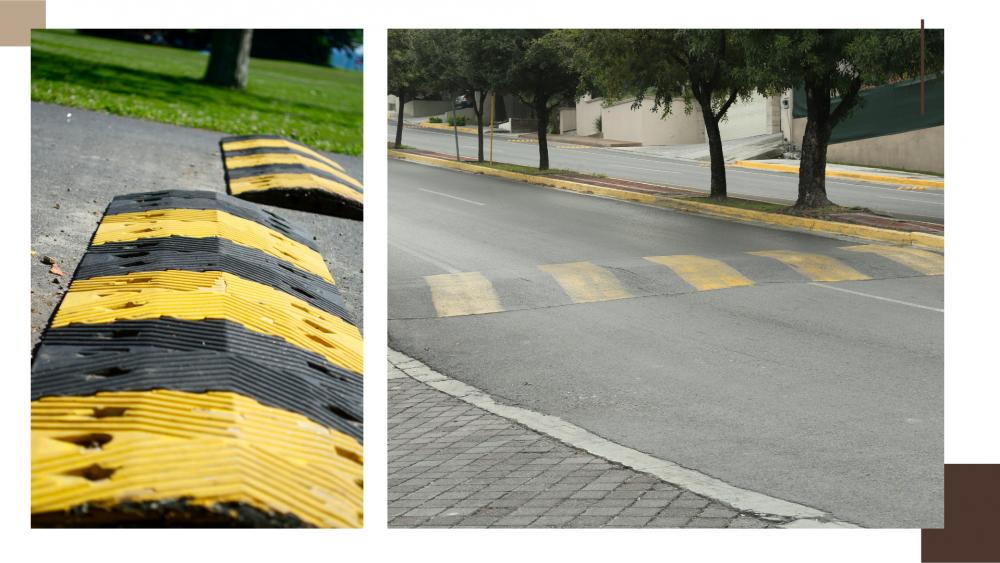
4. Visibility & Safety Marking Standards
A good speed bump must be "visible before arriving"
Key elements
- Yellow-black (high contrast)
- Reflective Tape
At night, reflective strips help drivers see them from headlights and slow down in time.
5. Placement Standards
Placement is just as important as height.
Should be installed at:
- Points before reaching critical areas
- Entrances where slowing down is required
Should not be installed on:
- Curves
- Slopes
- Blind spots with no advance visibility
Conclusion
Rubber Speed Bumps A standard one is not necessarily the tallest, but one that "creates just the right warning jolt." Generally, a height of 3–5 cm is considered the most optimal range for most applications, as it helps slow vehicles down without creating hazards.
The right choice isn't just about having one installed; it's about designing for "real effectiveness and safety."