


 EN
 ไทย


Customers Also Purchased
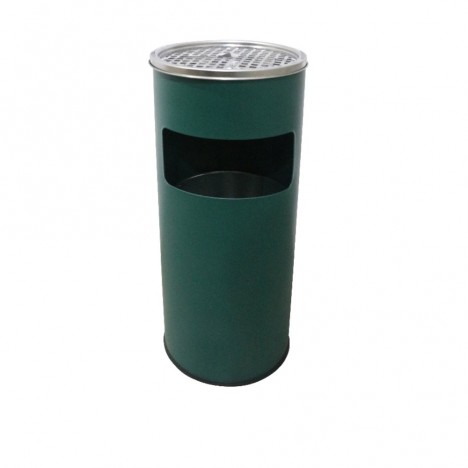
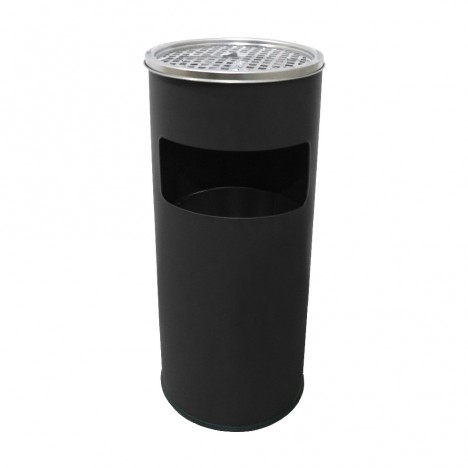
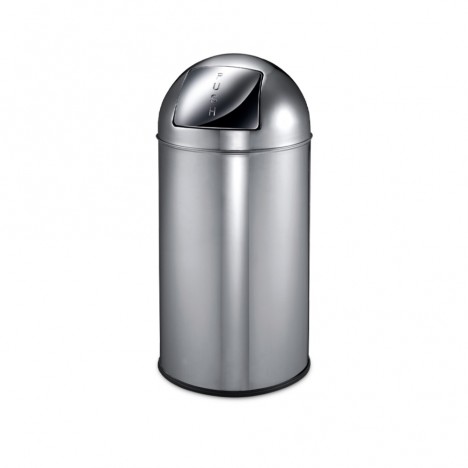
When it comes to Stainless Steel Trash Cans Many might consider it just a basic household item—buy whatever holds trash. In reality, a trash can affects the "quality of life in that space" far more than you'd expect, from odor control and cleanliness to everyday convenience and the overall image of your home, shop, or office. Pick the wrong one, and no matter how cheap it was, you'll end up replacing it anyway.
A common issue for people who don't know how to choose a trash can is realizing after use that "it doesn't fit their needs"—such as lids that don't seal properly, odors leaking out easily, inconvenient operation, or not matching the space. This happens when decisions are made purely on price or looks, without understanding that "different cans are designed for different uses."
This article will guide you from the basics all the way to professional selection methods applicable to homes, condos, restaurants, offices, and factories—complete with insider tips that sellers rarely share, but are essential for daily use.
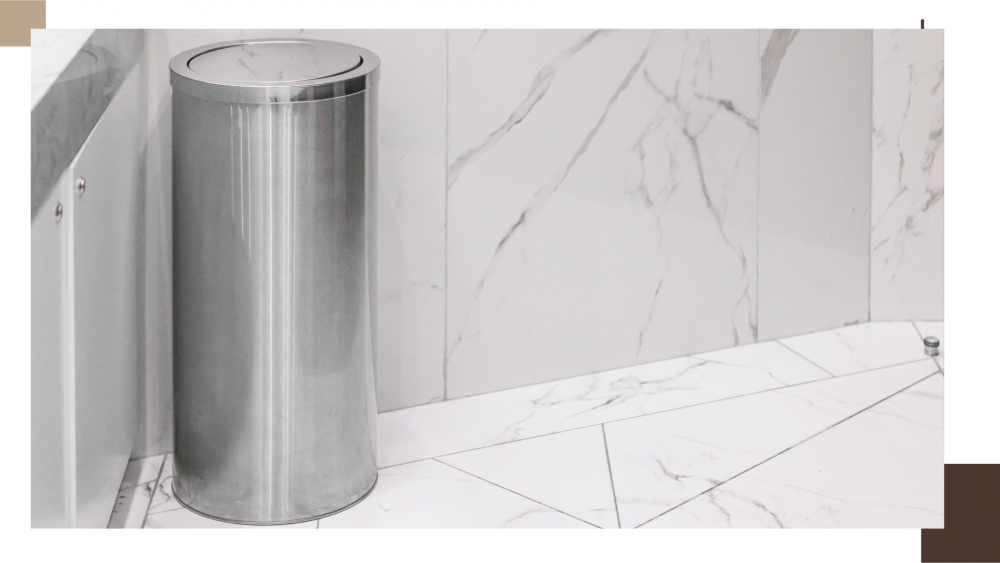
Why choose a "stainless steel trash can" over other types?
Before diving into specific models, it helps to understand why stainless steel has become an increasingly popular choice, especially in modern homes and businesses.
The main advantage of stainless steel trash cans is the "balance" between durability, cleanliness, and appearance. Stainless steel does not absorb odors like plastic, meaning odors will not become deeply embedded in the bin body even after long-term use. In addition, it is easy to clean; simply wiping it down restores it to look like new.
Another distinct point is "durability." Stainless steel cans withstand impacts and long-term use better, especially in heavy-use areas such as restaurants or factories. Furthermore, it offers an aesthetic advantage by looking cleaner, tidier, and more professional than typical plastic bins.
However, despite these advantages, choosing the wrong type or specification will still result in poor usability. That is why choosing one that is "suitable for actual use" is so important.
How many types of stainless steel trash cans are there? Understand clearly before choosing
The first thing to understand is that stainless steel trash cans do not come in just one type; they are designed to accommodate distinctly different usage behaviors.
Main Types of Stainless Steel Trash Cans
1. Pedal Bin
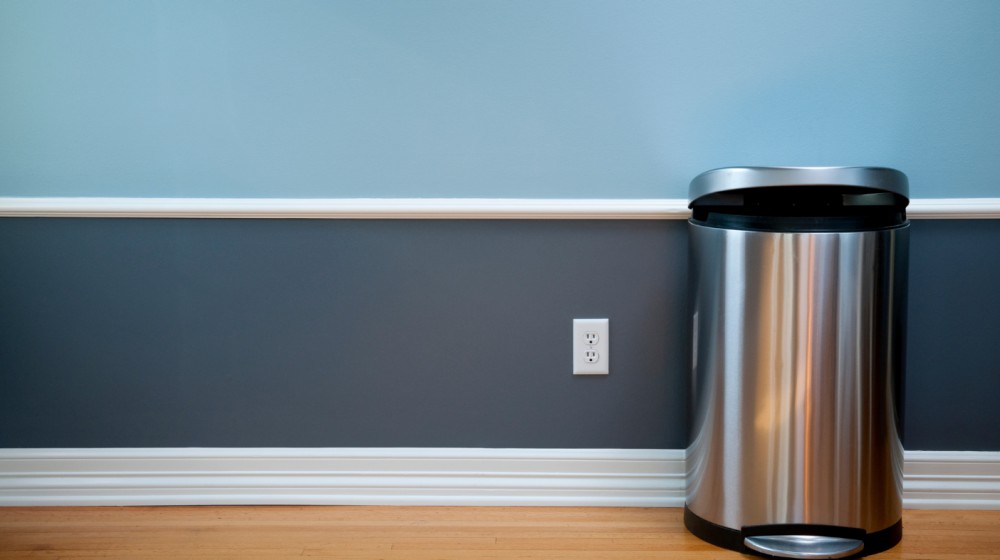
This is the most popular choice for homes and kitchens because it reduces direct contact—no need to touch the lid with your hands. It is ideal for situations where your hands are dirty, such as cooking or disposing of wet waste. The pedal mechanism in high-quality models operates smoothly and durably, lasting a long time without breaking easily, unlike cheaper models that often suffer from stiff pedals or loose mechanisms.
2. Open Top / Swing Lid
The highlight is speed of use: no need to step on a pedal or use a sensor—just push or toss trash in immediately. Suitable for continuous-use areas such as offices or restaurants. However, the downside is that odor containment is not as effective as tightly sealed lid systems.
3. Sensor Bin
A choice focused on high convenience and cleanliness. The lid opens automatically when a hand approaches, minimizing direct contact. Perfect for modern homes or areas requiring high hygiene standards. However, it is essential to choose a brand with an accurate sensor and good energy efficiency; otherwise, it can become frustrating instead.
4. Open Bin (Lidless)
Focuses on speed and capacity. Suitable for areas where trash must be disposed of frequently and quickly, such as factories or restaurant back-of-house areas. It is not suitable for enclosed spaces because it cannot control odors.
5. Multi-compartment Bin
Ideal for homes or organizations that require systematic waste management, such as separating recyclables, general waste, and wet waste all in one bin, reducing later sorting steps.
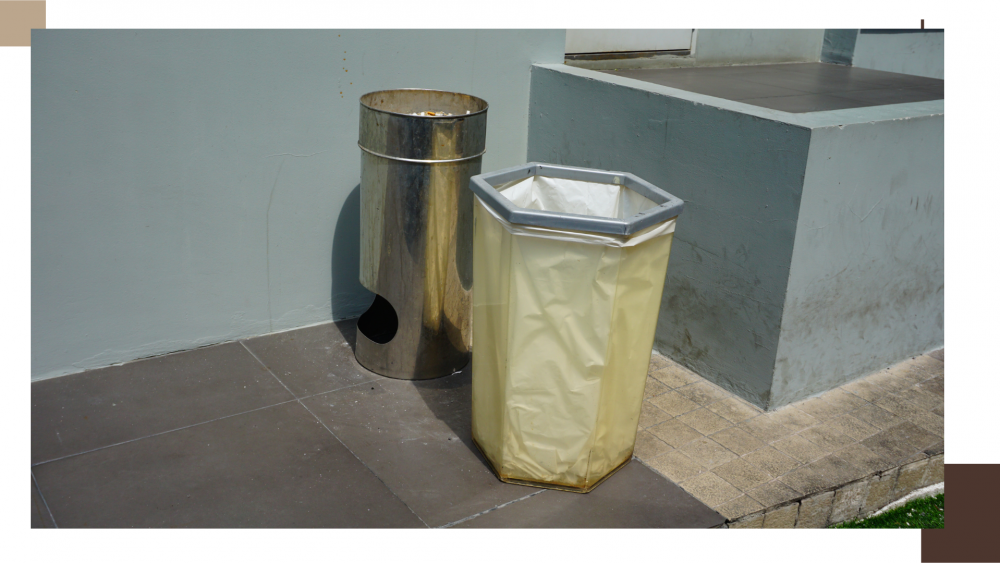
How to Choose a Stainless Steel Trash Can: 6 Factors That Affect Usability
Making a good choice is not just about knowing "what types exist," but knowing "what matters in actual use."
1. Usage Pattern
The heart of choosing is understanding "how you will use it," not just "where you will place it." Even within the same home, kitchens, bathrooms, and living rooms have completely different waste disposal habits.
The kitchen requires an enclosed design and odor reduction, the bathroom needs a compact size and neatness, while the living room might prioritize convenience. If chosen incorrectly—such as using an open-top bin in the kitchen—you will immediately encounter accumulated odors and insects, which is a very common issue.
2. Size
The size of a bin doesn't just affect capacity, but also influences "usage habits." A bin that is too small requires frequent emptying, leading many people to let it overflow before taking it out, causing accumulated odors. Conversely, a bin that is too large leaves garbage sitting inside for too long, especially wet waste that rots easily.
Choosing the right size means balancing "daily waste volume" with "emptying frequency," rather than always opting for the largest one first.
3. Lid Opening/Closing System (A small detail that impacts everyday use)
The lid is the most frequently used part, opened dozens of times a day. If poorly chosen, it will instantly become a source of annoyance.
- The Soft Close system ensures the lid shuts gently without slamming noises, making it ideal for homes.
- Quick-bounce lids are suitable for spaces requiring speed.
- Sensors are ideal for hygiene, but quality must be considered.
Cheaper bins often lack a damper system, causing the lid to slam shut loudly—a point many overlook when buying, but notice immediately during actual use.
4. Stainless Steel Grade (The factor determining long-term fresh look)
Stainless steel bins come in various grades, but the main ones found are 201 and 304. The difference lies in their resistance to moisture and corrosion.
For kitchen or damp area use, choosing 304 helps the bin look new even after extended use. In contrast, 201 is more prone to water spots or blemishes, which instantly makes the entire area look dated.
5. Internal Structure (The feature that adds real convenience)
Bins with an "inner plastic bucket" are much more convenient to use because they can be easily lifted out for disposal and cleaning, preventing stains on the main bin body and helping control odors better.
Bins without this design require you to lift the entire unit every time you empty it, which is inconvenient and carries a high risk of making a mess, especially with waste containing liquids.
6. Design and Placement (Affects practical use)
Design is not just about looks, but also about functionality. For example, narrow spaces should use rectangular shapes to fit flush against walls, while open areas can accommodate round designs.
Another factor is "placement." A bin placed too far away makes people too lazy to walk over, resulting in waste being left in the wrong spots. Therefore, selection should be considered alongside the intended location from the start.
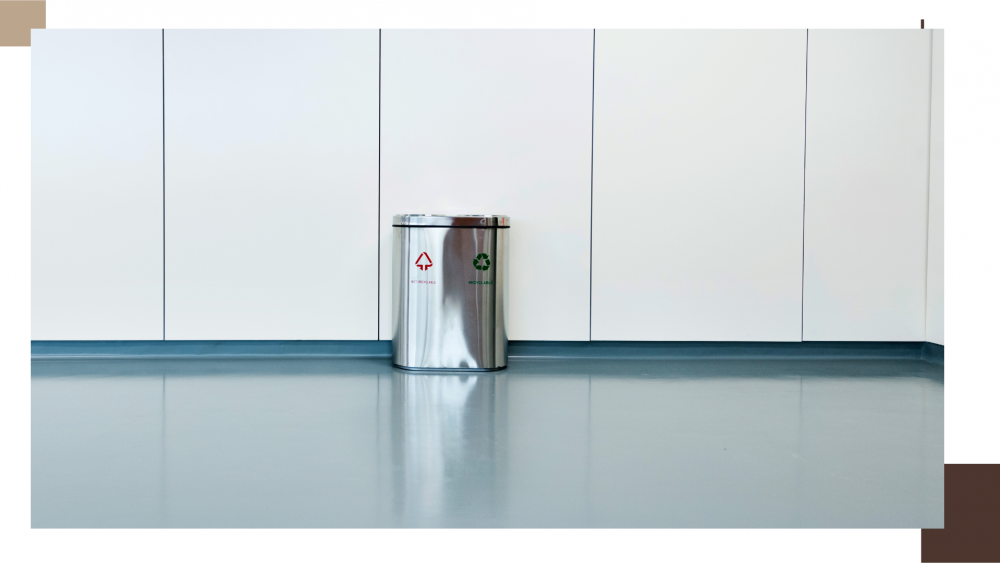
Choosing the Right Stainless Steel Trash Bin for Each Application
To give you a clearer picture, here is a practical selection guide based on real-world use.
- Home / Condo → Step pedal + Soft Close + Medium size, focusing on odor control
- Kitchen → Step pedal + 304 Stainless steel + Tightly sealed lid
- Office → Open top, quick to use, effortless
- Restaurant → Separate front of house (design-focused) and back of house (large capacity, durable)
- Factory → Large bin, lidless, emphasizing speed and durability
Common mistakes most people make that lead to repurchasing
Many people choose based primarily on price, resulting in poor quality bins that break quickly. Others choose the wrong type—such as using an open bin in the kitchen—or pick the wrong size, making it inconvenient to use.
Another common mistake is overlooking material grades, causing the bin to look worn out quickly despite being recently purchased, which directly affects the overall appearance of the space.
Which stainless steel trash can is the best?
There isn't a single answer for everyone; the best one is the one that “fits your actual use.”
To summarize for an easy decision:
- For home → Step pedal + Soft Close
- For kitchen → Step pedal + 304 stainless steel
- For quick access → Open top
- For heavy-duty use → Lidless
Choosing right from the start makes a trash bin something you “use without having to think about it”—and really, that is the best outcome.