


 EN
 ไทย



Customers Also Purchased

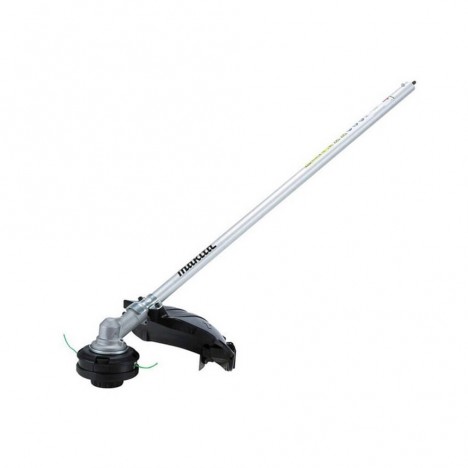

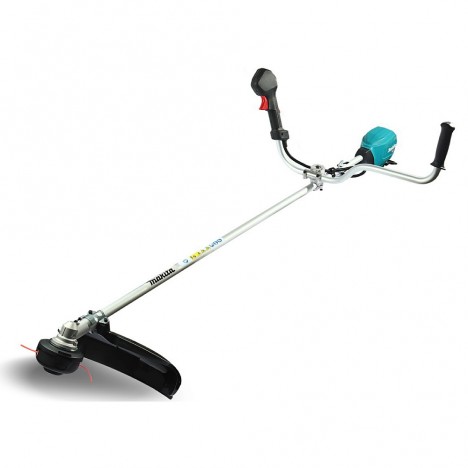


Putting the wrong fuel in! Just hearing these words is enough to send shivers down your spine! Many brush cutter users get anxious, imagining seized engines, stuck pistons, and inevitable repair bills—to the point where some barely dare touch the machine! But hold on... the idea that "wrong fuel means instant breakdown" isn't always true. That said, it doesn't mean you're always off the hook either, because the outcome depends on how you filled it incorrectly, what type of brush cutter you're using, and whether you've already started running it!
In this article, we'll dive deep and clarify whether putting the wrong fuel into a Lawn mower brush cutter will actually ruin it immediately, what symptoms will show up, and in which scenarios you must stop using it immediately without taking any chances!
First of all, you need to understand that not all brush cutters use the same fuel.
- 2-Stroke Brush Cutters: These engines strictly require gasoline mixed with 2T oil (autolube) in the exact ratio specified in the manual, such as 25:1. The reason is that the engine pulls this 2T oil in to lubricate internal parts during operation. Danger point: If you accidentally pour in pure gasoline without mixing 2T oil, you're definitely in trouble! The system will have zero lubrication, causing raw metal-on-metal friction at the piston that can easily seize the engine.
- 4-Stroke Brush Cutters: These are much easier to use because they have clearly separated fuel tanks and crankcases. You can pour pure gasoline straight into the fuel tank without the hassle of mixing. Danger point: If you happen to pour in fuel pre-mixed with 2T oil, the engine might not break down instantly, but you can be sure there'll be thick white smoke filling the garden, fouled spark plugs, engine sputtering, and a completely disrupted combustion system.
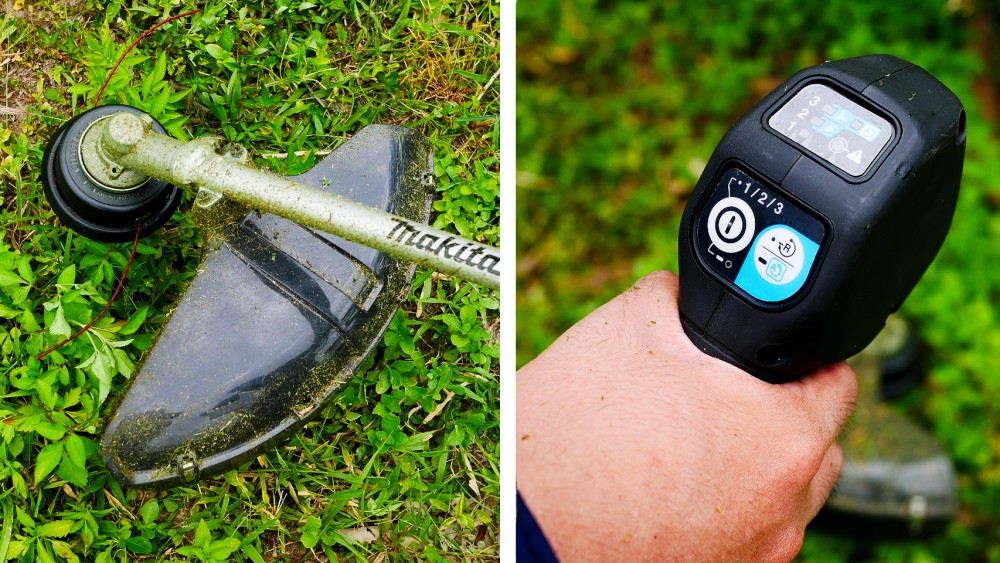
What are the common ways people accidentally put the wrong fuel in a brush cutter?
Forgot to mix 2T oil (putting pure gasoline into a 2-stroke engine)
This is a classic and most terrifying case! If a 2-stroke brush cutter doesn't get 2T oil for lubrication, the piston and cylinder will grind directly against each other. The engine might still start, but if you push the throttle or keep running it, the piston will likely seize, the rings will break, and you might even need a complete engine overhaul. If you realize this, turn off the engine immediately.
Pouring 2T pre-mixed fuel into a 4-stroke engine
This won't result in "immediate failure" because a 4-stroke brush cutter doesn't rely on fuel for lubrication anyway. However, the consequences include billows of white smoke, incomplete combustion, quickly fouled spark plugs, and an engine that stutters. If you just realized it, quickly drain it and refill with fresh fuel, and you'll still be fine.
Filling with the wrong grade of gasoline (wrong octane rating)
Many people panic, thinking that using the wrong octane will cause the engine to knock. In reality, brush cutters aren't that fragile; using the wrong grade once or twice won't ruin them. However, what you need to watch out for is "alcohol" (such as gasohol blends). If the manual advises against it and you insist on using it frequently, rubber hoses, seals, and the carburetor will deteriorate quickly in the long run.
Using old, stored fuel or contaminated fuel
This case happens so often that many people assume the engine is broken! Fuel that has been sitting in the tank for a long time or stored improperly will go "stale," absorb moisture, or accumulate dust. Once you fill up with it, the engine will become hard to start, idle roughly, and sputter. It's best to always use fresh fuel.
Jackpot! Pouring diesel into a gasoline engine
Although rare, people do make this mistake! If you put diesel into a gasoline engine, 99% of the time it simply won't start. But if it somehow manages to start, it will produce tons of smoke and suffer from extremely erratic combustion. If this happens, turn off the engine, drain it, and flush the system immediately. Never force it to run!

What should you do if you fill the wrong fuel? What's the very first step?
- Step 1: Stop using it immediately. If you haven't started it yet, consider yourself lucky, as you can resolve the issue lightly: just drain the fuel, flush the system as needed, and refill with the correct fuel. If you've already started it but caught it quickly, shut off the engine first. Do not try revving it or continuing to test it in hopes that "it might be fine."
- Step 2: Clearly identify whether your engine is 2-stroke or 4-stroke. This is critical because the solutions differ. If it's 2-stroke, you must pay extra attention to the lack of 2T oil. If it's 4-stroke, check whether the wrong fuel type was added or if there's an issue with the separate engine oil.
- Step 3: Drain the fuel from the tank. If it is clearly the wrong fuel, drain it out. Do not use the method of "topping it up with the right fuel" hoping to dilute it, because you won't know how off the original ratio is—especially in small engines where even minor errors have noticeable effects.
- Step 4: Inspect the rest of the fuel system. In many cases, draining the tank isn't enough because fuel remains trapped in the fuel lines, carburetor, or float bowl. To be safe, drain these remnants as well, especially in severe cases like filling with diesel or pure gasoline in a 2-stroke engine.
- Step 5: Refill with the correct fuel. Follow the manufacturer's specifications. Do not guess or use a "this should be close enough" approach, especially when mixing 2T oil, because the ratio really matters—not just for smoke levels, but also for lubrication and preventing carbon buildup.
Engine failure caused by mixing up fuel types is considered one of the common problems when using a brush cutter, along with DIY fixes that we really wanted to share with you. The primary initial response is: if you put the wrong fuel in, shut off the engine immediately, completely drain the old fuel from the system, and then verify the engine type before refilling with the correct fuel according to the manufacturer's specified ratios.
Conclusion
True in some cases, but not always true. The most important thing is not to take risks, and to know clearly what kind of fuel your engine uses. Finally, if I were to summarize this in one easy-to-remember sentence, I'd say: lawn mowers don't break down just because of using the wrong fuel, but rather because people "keep forcing them to run" after misfueling. That is precisely the difference between an issue resolved with a simple fuel drain and one that spirals into repair costs running into thousands or tens of thousands.
Select Lawn mower here