


 EN
 ไทย



Customers Also Purchased

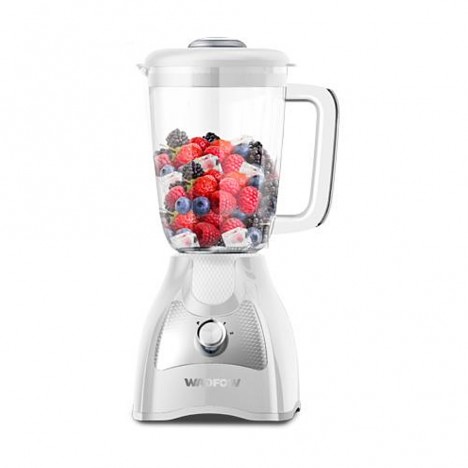


There was a time when I was really into making smoothies. I bought the fruits myself, chose the milk, picked out recipes, thinking, "Today's the day it's gonna taste just like a café smoothie!" But as soon as it came out of the blender... it was basically juice with bits and pieces you had to chew on, slightly ruining the vibe. It wasn't terrible, but it definitely wasn't what I had hoped for.
At the time, I thought just like many people: "The blender must not be powerful enough." And so I started seriously browsing websites for a new one.
But once you really dissect the problem, you realize... the machine isn't the only one at fault; it's the "method of use + ingredient arrangement + understanding the system of Blenders" that truly matters. In this article, Nong Chang will walk you through from the beginning so you can really picture why it's not smooth, and more importantly, how to fix it to make it "instantly smooth"—in some cases without spending an extra baht.
The secret shops never tell you: it's not the blender that makes it smooth, but the "flow".
Before blaming the machine, Nong Chang wants you to understand this point first, because it will completely change your perspective.
A good blender isn't the one that spins the fastest, but the one that keeps ingredients "flowing down to the blades" constantly.
During actual blending, the blades spin and create suction pulling ingredients downward. If you look down and see the ingredients swirling in a vortex and slowly collapsing into the center, that is the correct flow.
But whenever you see that:
- Ingredients get stuck at the top
- Spinning as a single clump
- Or bouncing around without being drawn down
That means the machine is "trying to work", but the system isn't helping at all. And once there's no flow... No matter how powerful the machine is, it won't blend smoothly.
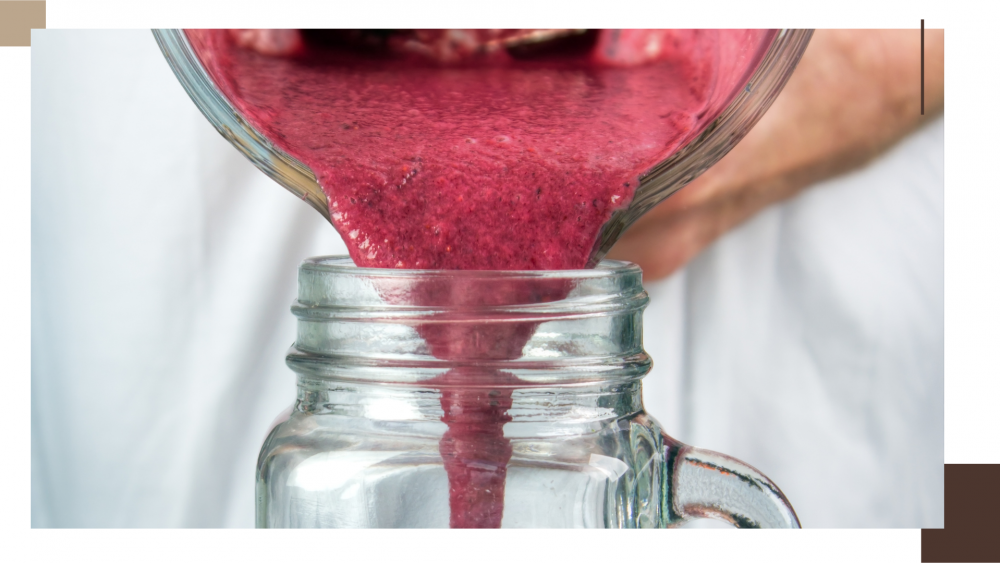
The Real Reasons Why Blenders Don't Blend Smoothly
Honestly, Nong Chang wants you to view this problem as a "system" rather than isolated points, because in actual use, it's rarely just a bad machine or just a wrong technique—it's usually like this:
Mid-tier machine + wrong ingredient order + slightly too little liquid = instantly not smooth
So let's walk through each point step by step together.
Not powerful enough... or actually "used for the wrong task"?
Wattage really matters. If your blender is around 200–300W and you use it to blend ice, Nong Chang will tell you straight out that it will "struggle to blend" but won't be able to crush it finely. What you'll see is ice bouncing around, lots of noise, and chunks left behind. But the more interesting part is: there are many cases where the machine is powerful (800–1000W) and it's "still not smooth".
Why is that? Because power alone isn't enough; if the flow isn't right, it's just like using a powerful fan to blow against something that refuses to move anyway. That's why Nong Chang wants you to realize that the blender must both "fit the job" and be "used correctly" at the same time.
Blades that look normal… might not be working like they used to.
This is something many people never consider: blades don't just break noticeably, but they "gradually become dull" without you even realizing it.
Just like a kitchen knife you use every day: at first it slices smoothly, but over time it starts crushing rather than cutting. Blenders are the same; you might still see it spinning normally, but what has changed is the "cutting quality".
Common signs Nong Chang often encounters:
- Takes longer to blend
- Texture isn't as smooth as before
- Small fibrous bits remain
And most importantly, many people tend to blame the machine first, even though the reality is that the "cutting element" simply isn't performing like it used to.
Adding ingredients in an order that seems trivial… but makes the biggest difference.
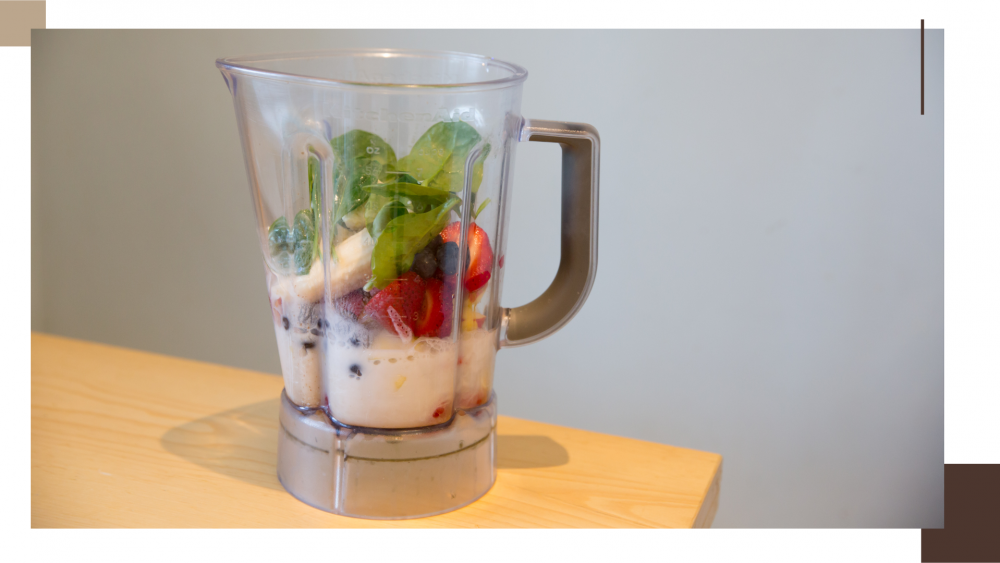
If there's just one thing Nong Chang wants you to try changing first, it's the "order of adding ingredients" because it directly affects the flow. Picture this: if you add ice first, it forms a solid bottom layer, preventing ingredients on top from being pulled down.
The proper order should be:
- Liquids → Help create flow
- Soft ingredients → Help weigh things down
- Hard ingredients → Go in last
Once arranged this way, you'll immediately see a much smoother, better vortex.
Trying to make it rich… in a way that stops the machine from working properly.
Nong Chang completely understands that everyone wants thick, rich smoothies. But when you add too little liquid, what happens is that ingredients simply "won't flow"—the blender will just spin at the bottom while ingredients on top never drop down.
You'll start noticing that:
- You have to stop and stir
- The blender spins freely (cavitation)
- No matter how much you blend, it doesn't get smooth
Actually, it's not that the blender is bad, but rather that "the mixture is too dry."
Overfilling until the blender can't breathe
This is a habit many people have without realizing it, especially when thinking, "Let's just put everything in at once so I don't have to blend multiple times." But when the ingredients are packed too tightly, there isn't enough space in the jar for the food to circulate. The ingredients get stuck at the top while the blades only spin underneath.
The result is a familiar sight: smooth at the bottom, but still chunky on top.
At this point, many people assume that blending longer will fix it. In reality, the problem is that "the food isn't reaching the blades." Continuing to blend still won't mix it evenly.
So the technician's simple tip is: add a little less or blend in 2 batches, and you'll get noticeably smoother results.
Haste causes failure: turning it to max power right away
This is something seen very often: pressing the button and going full throttle immediately, thinking that higher speed finishes faster. But what actually happens is the ingredients splash upward and won't flow down into the blades. The result is that although the motor spins fast, it's not truly "catching the food." It ends up using lots of power with poor results.
The method our technician uses (and what shops do too) is completely different: start at a low speed to let the ingredients settle down, then ramp it up. Once the flow gets into rhythm, turn up the power, and you'll notice the texture smooths out much faster.
Technician's troubleshooting tips (try these before spending money)
Before rushing to buy a new machine, try tweaking just these few things first.
- Add a little bit of liquid
- Reorder your ingredients
- Blend by gradually ramping up the speed
- Don't pack it too tightly
- Use the pulse function to help
In many cases our technicians see, just tweaking the method slightly makes the texture noticeably smoother.
Techniques used by shops (it's the method that makes the difference, not just the blender)
Beverage shops don't just win on powerful machines; they have a "clear technique."
They control both:
- Ingredient quantities
- Liquids used
- Blending timing
Most importantly, they understand how ingredients need to "flow," rather than just dumping everything in and hoping the machine handles it alone. That is what makes the results smooth and consistent in every single cup.
A short checklist: if it's still not smooth, check these points
If your blend still isn't fine and smooth, do a quick point-by-point check:
- Is the blender suitable for the job?
- Are the blades still in good condition?
- Did you add ingredients in the correct order?
- Is there enough liquid?
- Is the blending technique and rhythm right?
Covering just these points will drastically reduce blending mistakes.
Conclusion
Ultimately, Blenders Not smooth doesn't always mean a bad blender.
Most of the time, it comes down to:
- How to use
- Arranging the ingredients
- And understanding the flow
Once you start to visualize this, your existing blender will "instantly perform better" without needing a replacement. And this is why many people wonder why their blender is powerful... yet still doesn't blend smoothly.