


 EN
 ไทย


Customers Also Purchased


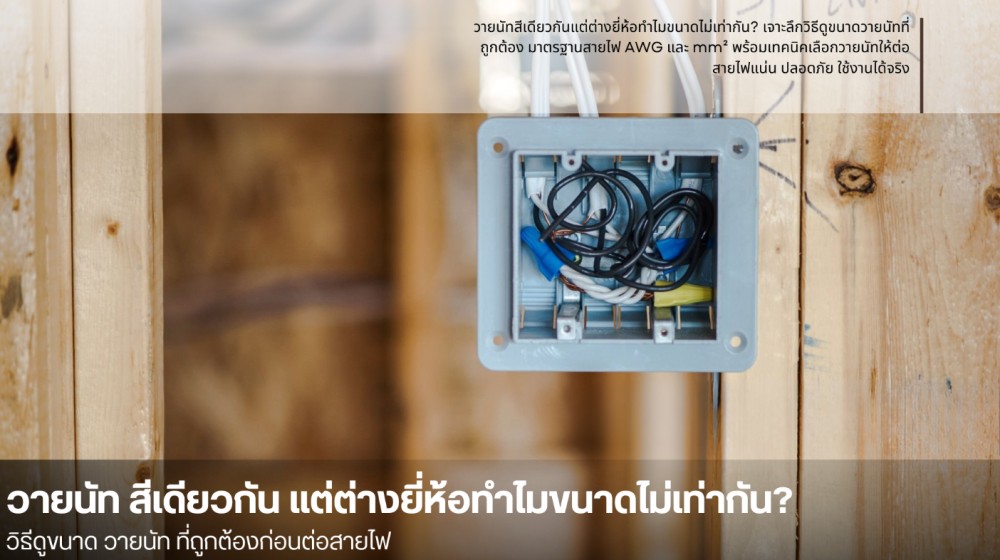
In electrical work—whether running home wiring, installing building electrical systems, or even repairing appliances—a small device electricians always use is Electrical cap (Wire Nut) or twist-on wire connector, designed to join multiple wires together quickly and safely.
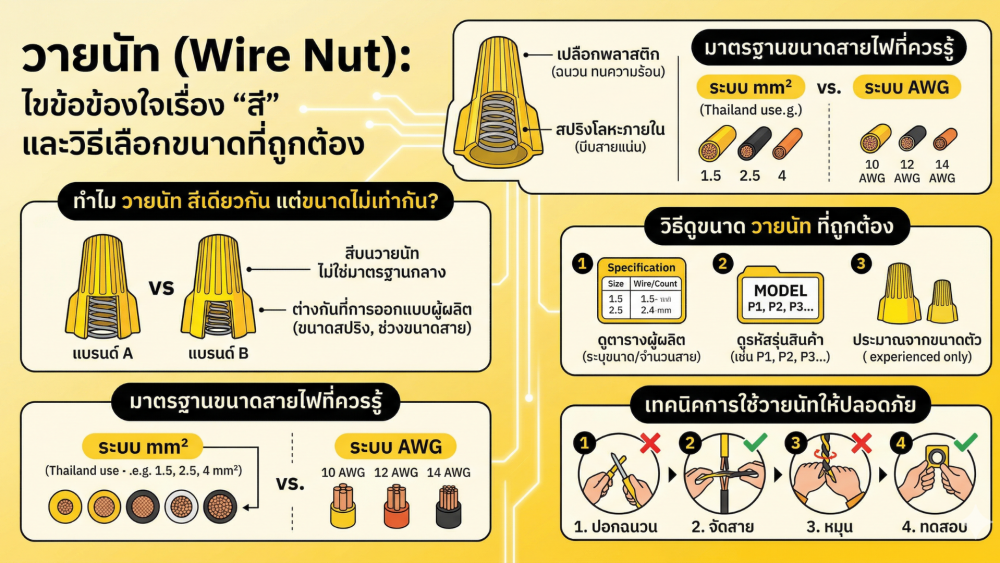
Many people who have used wire nuts may have encountered a confusing situation: when buying wire nuts from an electrical supply store, you might choose familiar colors like yellow or red, but when put to actual use, you find that
- Wire nuts of the same color don't twist down with equal tightness.
- Some brands accommodate more wires.
- Other brands turn out to be too small, failing to tighten the wires securely.
Even though on the outside they appear to be the exact same size.
The questions that commonly arise are:
- Is there a universal standard for wire nut colors?
- Why are same-colored nuts different in size?
- And how do electricians actually choose the right wire nut size?
The answers involve wire gauge standards, the internal construction of wire nuts, and how different manufacturers design their products—details many people may never have noticed before. This article walks you through everything from the fundamentals of wire nuts to how to accurately select the correct size, ensuring your wire splices are tight, safe, and perfectly suited to the job.
What Is a Wire Nut?
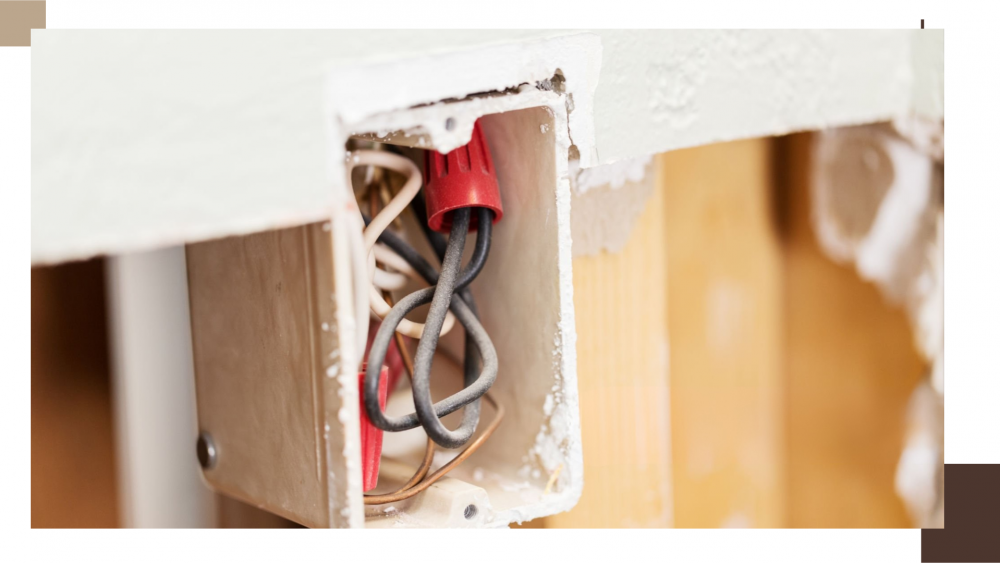
A wire nut, commonly known as a twist-on wire connector, is a device used to join multiple electrical wires together by twisting the nut so that its internal spring grips and clamps the conductors firmly.
The highlight of a wire nut is its quick, easy installation without requiring special tools like soldering or screw terminals, making it immensely popular in general electrical work.
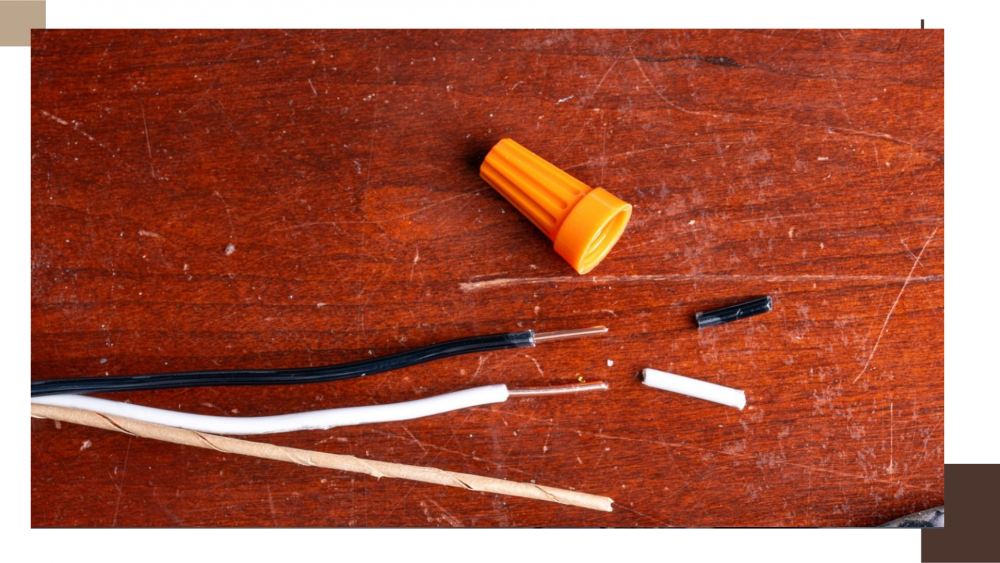
Inside a wire nut, there are two main essential components:
Outer plastic shell
The outer shell is made of electrically insulating plastic. It prevents electrical leakage to the outside and protects users from direct contact with live conductors.
The plastic material used to manufacture wire nuts is typically designed to Be heat-resistant and flame-retardant because heat can accumulate at wire connection points.
Internal metal spring
Inside the wire nut, there is a spiral-shaped metal spring. When the user twists the wire nut onto the wires, this spring compresses the wires tightly together, creating a secure electrical connection.
The advantages of using a metal spring are:
- Increases clamping force to hold wires firmly
- Reduces the chance of wires coming loose
- Helps ensure low contact resistance at the joint
This allows wire nuts to be used safely in many types of electrical systems.
What wire nut colors mean
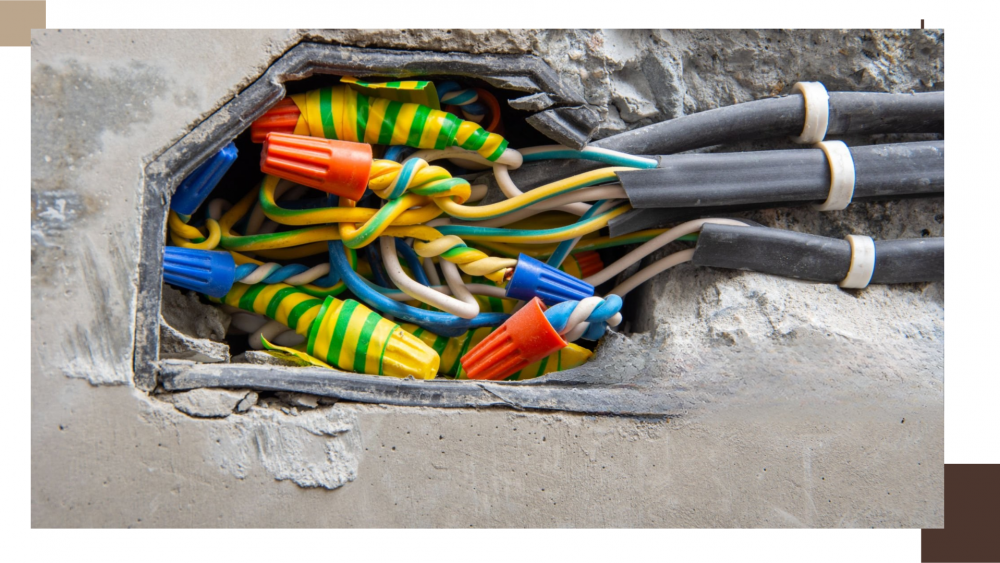
If you have ever browsed wire nuts in electrical supply stores, you will see that they come in various colors, such as:
- Orange
- Yellow
- Red
- Blue
- Gray
Many people therefore assume that the color of a wire nut is a standardized size indicator, similar to wire colors used to indicate functions such as live, neutral, or ground.
In reality, however, wire nut colors do not follow a universal standard like electrical wires do. The colors used on wire nuts are merely a sizing system set independently by each manufacturer to make it easier for users to distinguish product types. Generally, colors are arranged from smallest to largest, but the exact specifications for each color may vary by brand.
For example,
| Wire Nut Color | Approximate meaning |
| Orange | For small-gauge wires |
| Yellow | For small to medium-gauge wires |
| Red | For medium to large wires |
| Blue | For large wires |
Although color provides a rough guideline, it does not mean that wire nuts of the same color from every brand have the same size or capacity.
Why wire nuts of the same color have different sizes
The main reason wire nuts of the same color differ in size is due to: Product design of each manufacturer
Each wire nut manufacturer specifies
- Wire nut body size
- Internal spring shape
- Number of supported wires
- Applicable wire size range
All of these are designed based on the concepts and technology of each manufacturer.
For example,
A yellow wire nut from one brand might be designed to support
- 2–3 wires
- Wire size approx. 1.5 mm²
while a yellow one from another brand might support
- 2–4 wires
- or support slightly larger wires.
When viewed from the outside, the colors may be the same, but the internal structures differ.
- Differences may include:
- Size of the metal spring
- Thread depth
- Wire nut length
- Spring stiffness
These factors directly affect Wire clamping force and the number of supported wires It is therefore not surprising that wire nuts of the same color from different brands do not perform the same.
What is the actual standard used for wire nuts?
Even though color is not a standard, wire nut usage still follows clear criteria, namely wire size. There are two main systems used worldwide.
AWG (American Wire Gauge) System
AWG is a wire gauge measurement system widely used in many countries, especially in the US.
A unique characteristic of the AWG system is:
- The higher the number, the smaller the wire.
- The lower the number, the larger the wire.
For example,
| AWG | Wire size |
| 22 | Very small |
| 18 | Small |
| 14 | Medium |
| 12 | Relatively large |
| 10 | Large |
Each wire nut model will specify the compatible AWG range.
mm² System
In many countries, including Thailand, the unit commonly used is Square Millimeters (mm²) to specify wire sizes.
Examples of common wire sizes found in homes:
| Cable Size | Applications & Usage |
| 1.5 mm² | Lighting |
| 2.5 mm² | Receptacles or electrical outlets |
| 4 mm² | High-power electrical appliances |
Therefore, when choosing a wire nut, you should check:
- What wire sizes (mm²) it supports
- How many wires it can accommodate
Wire Nut Safety Standards
Quality wire nuts are typically tested by safety standards organizations to ensure they can be used reliably in electrical systems.
Examples of organizations related to these standards include:
- UL
- CSA Group
- IEC
Testing by these organizations covers several aspects, such as:
- Current-carrying capacity
- Resistance to heat accumulation
- Mechanical strength of the wire connection
- Safety of the insulating material
When wire nuts comply with these standards, users can be confident that the product has been tested under real-world operating conditions.
How to Correctly Check Wire Nut Sizes
Choosing the right wire nut for electrical work should not rely solely on color, as colors may vary by brand.
There are several methods electricians actually use.
Check the manufacturer's specification chart
The most accurate method is to check the specification chart indicated on the box or product documentation.
These charts usually specify
- what wire sizes are supported,
- how many wires can be connected,
- and whether it can be used with solid or stranded wire.
Sample specification chart
| Wire nut model | Wire range |
| Small model | 22–16 AWG |
| Medium model | 18–12 AWG |
| Large model | 14–10 AWG |
Referring to the manufacturer's chart helps in selecting the most accurate size.
Check the product model code
Some manufacturers use model codes instead of sizes, such as
- P1
- P2
- P3
or sometimes use other numbers instead. These codes make it easier for users to select wire nuts without having to memorize the product colors.
Estimate from the physical size of the wire nut
Although not as accurate as other methods, some experienced electricians may visually estimate the size of the wire nut.
Generally, wire nuts measure approximately:
| size | Length |
| Small | 18–20 mm |
| Medium | 22–24 mm |
| Large | 26–30 mm |
However, this method should be used in conjunction with manufacturer data for accuracy.
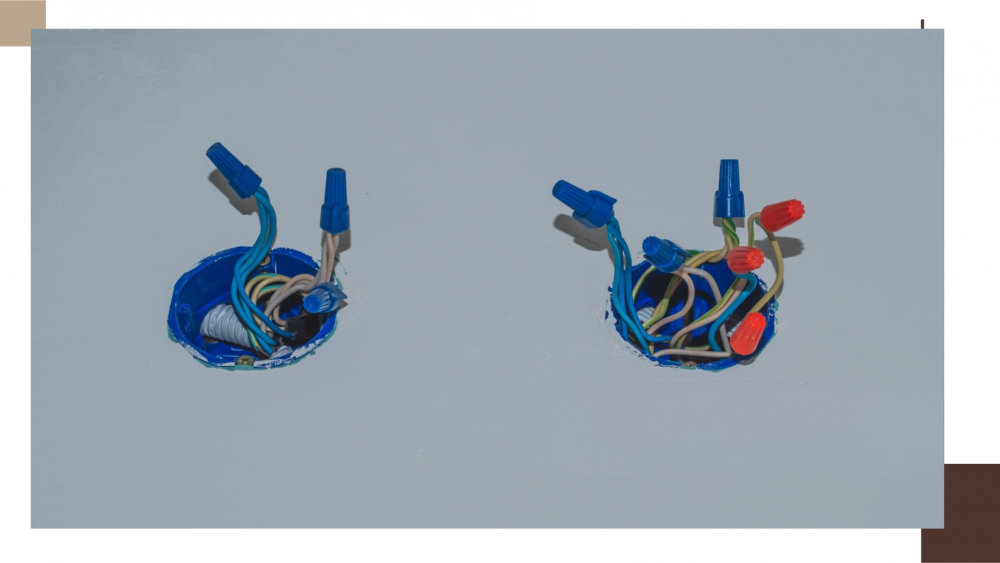
Common Mistakes When Using Wire Nuts
Although wire nuts are easy to use, there are some common mistakes frequently made:
Using a wire nut that is too small
A wire nut that is too small will result in:
- Difficulty turning and twisting
- Wires not twisting together completely
- The connection not being tight enough
Forcing it may damage the wires or cause heat buildup.
Using a wire nut that is too large
Conversely, a wire nut that is too large can result in:
- The internal spring failing to grip the wires tightly
- Wires easily coming loose
Which can cause a high-resistance connection
Not aligning the wire ends evenly
Before twisting on the wire nut, make sure the wire ends are even in length. If they are uneven, the spring may not grip all wires properly.
Failing to test connection tightness
After twisting on the wire nut, gently tug each wire individually to ensure it is firmly secured. This simple step helps reduce the risk of loose connections later on.
What can wire nuts be used for?
Wire nuts are used in a wide variety of electrical work because they are quick and convenient to install.
Common applications for wire nuts include:
- Wiring connections in switch boxes
- Lighting fixture connections
- Wiring inside ceiling spaces
- Splicing wires inside junction boxes
An advantage of wire nuts is that they can be easily removed and reconnected, making them ideal for future modifications or repairs.
Should you wrap electrical tape over wire nuts?
This is a question frequently asked among users. Technically, standard wire nuts do not require additional electrical tape because the cap itself is already designed to be an electrical insulator.
However, in practice, some electricians choose to wrap them with tape for various reasons, such as:
- Extra peace of mind
- Preventing loosening
- Protecting against dust or moisture
Although not strictly necessary, it is not considered incorrect practice.
Conclusion
Electrical cap It is a wire splicing device that plays a crucial role in electrical work. Despite its small size, it directly impacts the safety of the electrical system. A common misconception is using the color of the wire nut to determine its size.
The truth is
- Color is not a universal standard.
- Wire nuts of the same color from different brands may differ in size.
- Choosing a wire nut should be based on wire size and manufacturer specifications.
When the right wire nut size is selected, the wire connection will be
- tight,
- have low resistance,
- and reduce the risk of heat buildup.
Although wire nuts are small components, choosing them correctly can significantly enhance electrical system safety.