


 EN
 ไทย


Customers Also Purchased
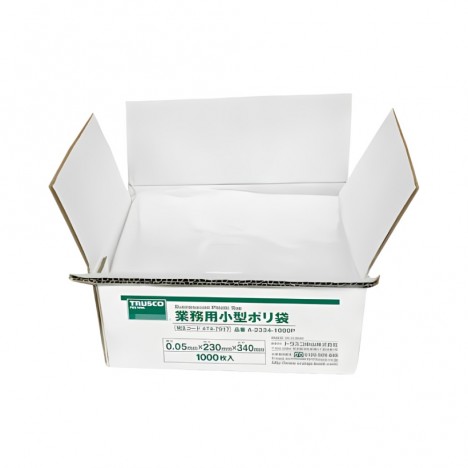
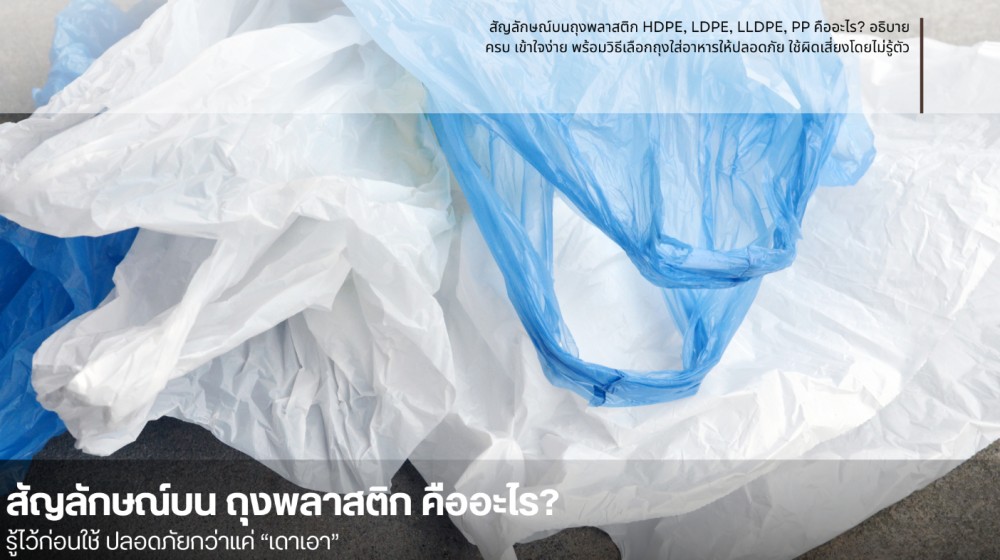
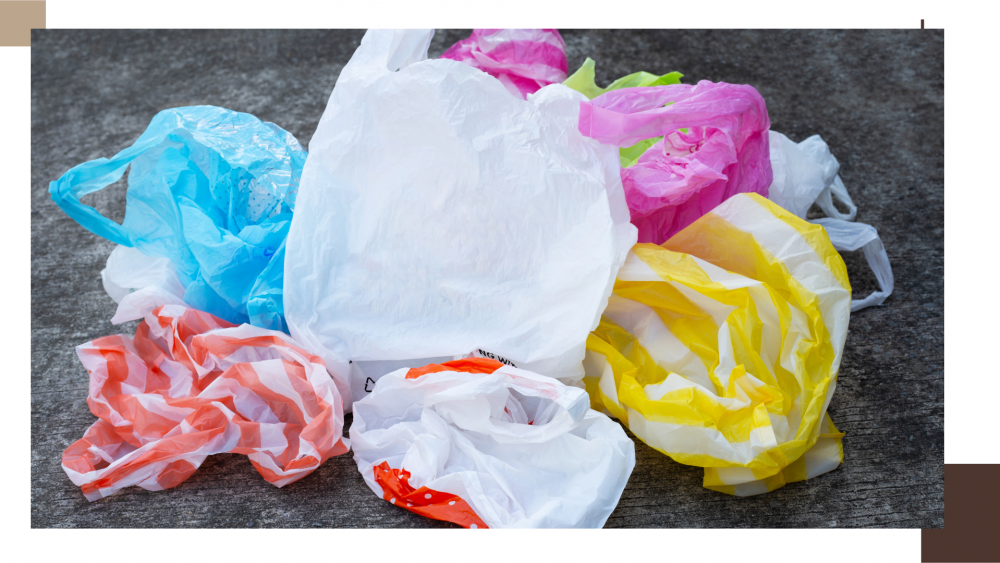
Plastic Bags They are items we use almost daily, from packaging food and goods to everyday household tasks. Yet one thing many overlook is the "small letters" printed on the bag, whether it's HD, LD, LL, or PP. Many assume they are just factory codes or manufacturing symbols. In reality, these letters indicate the "type of plastic," which immediately tells you what applications the bag suits and, most importantly, "whether it is food-safe."
The differences among plastic types aren't just about thickness or clarity; they relate to their molecular structure, which determines durability, flexibility, and heat behavior. If used incorrectly—such as using a non-heat-resistant bag for hot food—the outcome isn't just deformation of the bag, but also the unconscious release of harmful substances into the body.
This article will guide you through understanding the symbols on plastic bags comprehensively—from HDPE, LDPE, and LLDPE to PP—explaining clearly "where they truly differ" and which types to use in daily life.
What is HDPE? Why are grocery t-shirt bags crinkly and tear-resistant?
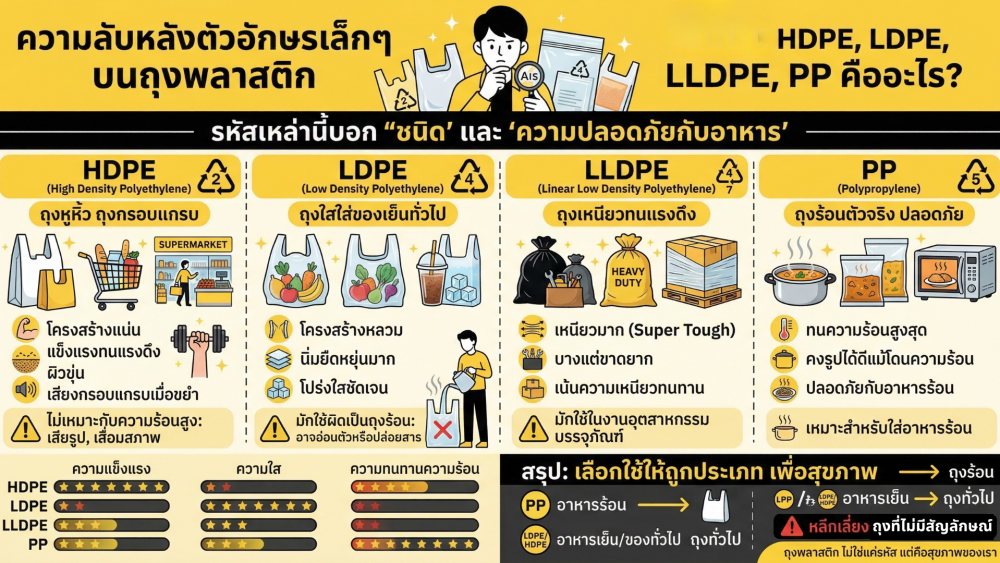
HDPE, or High Density Polyethylene, is a plastic with tightly packed molecular structures, giving the resulting material high strength, tensile resistance, and good chemical resistance. What we are familiar with are convenience store or supermarket t-shirt bags that are somewhat translucent and make a distinct crinkling sound when scrunched, which is a result of the plastic's stiffness.
The advantage of HDPE is durability, performing well under load-bearing conditions such as carrying household goods or merchandise. However, its primary limitation is being "unsuitable for heat." While it doesn't melt as easily as some plastics, direct contact with hot items can cause deformation or degradation. That is why this type of bag is generally not used directly for hot food, despite looking thick and sturdy.
What is LDPE? The Clear Bag Many Mistakenly Use for Hot Food
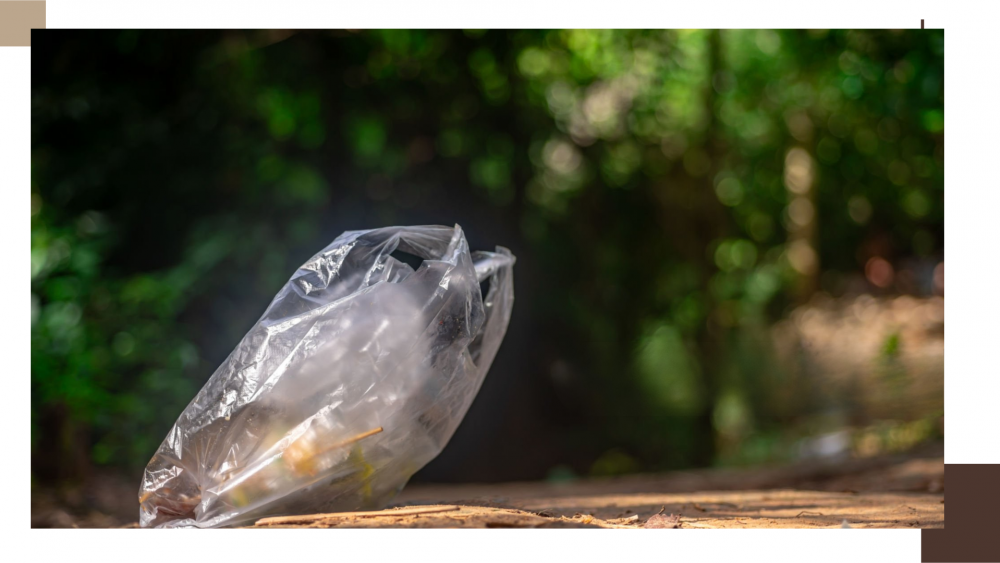
LDPE, or Low Density Polyethylene, is a plastic with a looser molecular structure than HDPE, making it softer, more flexible, and more transparent. Clear plastic bags used for general food items or cold foods are often made from this material. Its highlights are ease of use, convenient folding and storage, and not becoming brittle like HDPE.
The problem is that its "clarity" leads many people to mistake it for a hot food bag, when in reality LDPE is not designed to withstand high temperatures. When filled with hot food like curries or soups, the bag may soften or begin to alter its molecular structure without it being immediately obvious to the naked eye. This is one of the most common everyday behaviors: using the wrong type of bag without even realizing it.
What is LLDPE? The Thin Yet Tough Bag That's More Around Us Than You Think
LLDPE, or Linear Low Density Polyethylene, is an advancement developed from LDPE to offer "greater toughness and tensile strength." What makes it interesting is that despite being thin, it can bear weight and tension effectively without tearing easily. We often encounter LLDPE in garbage bags, product packaging bags, or pallet stretch wrap used in logistics.
In daily life, many people may be familiar with the term "LL bag," which is simply LLDPE. Its prominent feature is resistance to stretching; however, it is not designed for direct food contact in all cases, especially industrial-grade variants that prioritize strength over food safety. Therefore, although it looks tougher and more durable than LDPE, it does not necessarily mean it is always food-safe.
What is PP? Why It Is the "Real Deal" for Hot Food Bags
PP, or Polypropylene, is the plastic with the highest heat resistance among the types commonly used for plastic bags. Its structure retains its shape well even when in contact with high food temperatures, such as curries, soups, or freshly cooked dishes. This is why nearly all hot food bags on the market are made of PP.
What clearly sets PP apart is its "thermal stability." Not only does it not melt easily, but it also reduces the risk of leaching chemicals when used properly. Furthermore, it is the only material in this group that can be microwaved (when it is food-grade certified), making it the primary choice for hot food packaging in daily life.
The Real Difference Isn't Just "Thick, Thin, Clear, or Opaque"
What many people use to judge plastic bags is thickness or clarity—assuming that thicker bags are safer, or clearer bags look cleaner. In reality, the most important factor is the "type of plastic" because it determines how the material behaves under use, especially when exposed to heat, fats, or food acids.
A clear example is an LDPE bag, which, despite looking clear and clean, is unsuitable for hot food. Meanwhile, PP, even if it sometimes feels stiffer or appears less clear, is far safer when used properly. Thus, judging solely by external appearance is never enough.
Using the Wrong Type of Plastic Bag: Far Greater Consequences Than You Think
When plastic is used incorrectly—especially in high-heat situations—structural changes can occur in the material, leading to chemical leaching. Even in minuscule, invisible amounts, long-term accumulation can pose health risks.
Moreover, using improper bags can compromise food quality, such as distorting aromas, altering flavors, or having oils that react more easily with the plastic. High-fat foods, in particular, accelerate the degradation of certain plastics.
How to Choose Safe Plastic Bags for Real Everyday Use
Choosing plastic bags doesn't have to be complicated; understanding just a few basic principles is enough. For hot food, choose bags made of PP, which are specifically designed to withstand high temperatures. For cold food or general items, LDPE or HDPE can be used, but avoid using them directly with hot items.
Another point of caution is bags lacking clear symbols or origins, as they might be made of recycled plastic that does not meet food-grade standards. Even if they appear normal on the outside, the danger lies in what you cannot see.
Small Letters with a Bigger Impact on Health Than You Think
HDPE, LDPE, LLDPE, and PP are not just technical acronyms, but crucial information that helps us choose and use plastic bags more appropriately and safely. In a world where we interact with plastic almost daily, understanding these differences is far from irrelevant—it is a fundamental matter affecting our long-term health.
Plastic Bags It may seem ordinary, but choosing the right type is the difference between "usable" and "truly safe to use."