


 EN
 ไทย



Customers Also Purchased


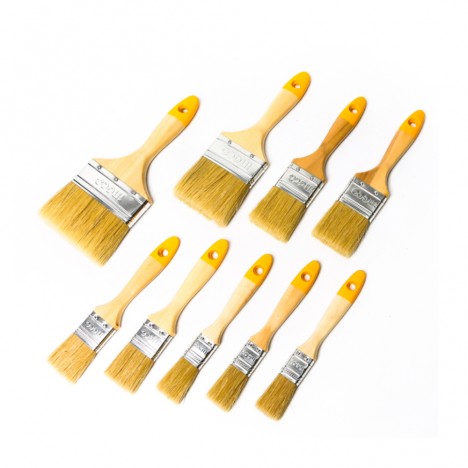

Painting is one of the home improvement tasks that many people choose to do themselves because it seems straightforward—just prepare the paint Paint Brush or have painting tools ready, and then you can start painting the wall immediately.
However, when actually getting started, many encounter an issue that keeps the paint job from being as smooth as expected: brush stroke lines appearing on the wall. Once the paint dries, these marks become even more noticeable, especially in areas with reflective light.
This problem is not caused by the paint alone, but by multiple factors such as the type of brush, painting technique, or paint thickness. This article will explore why painting leaves brush marks and how to fix them to achieve a smooth wall finish just like a professional.
1. Using a paintbrush unsuitable for the type of paint
One of the reasons brush marks are clearly visible is choosing the wrong type of paintbrush.
There are several types of paintbrushes, such as:
- Natural bristle brushes
- Synthetic bristle brushes
Natural bristle brushes are usually suitable for Oil-based paint because they can hold paint well and release it evenly, while synthetic bristle brushes are suitable for water-based or acrylic paints which are paints commonly used on house walls. If the wrong type of brush is used, the paint may be released unevenly, easily causing brush marks.
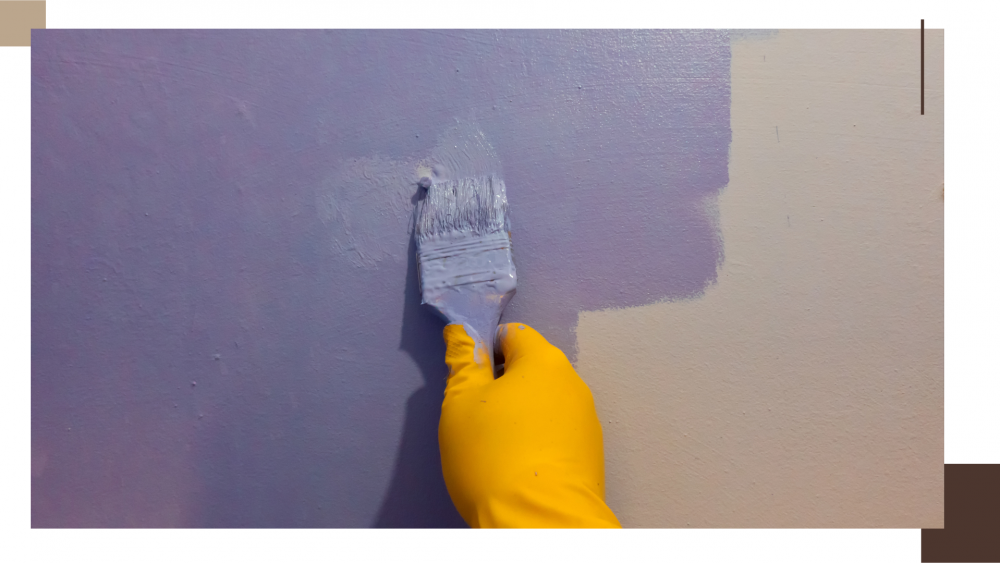
2. Paint is too thick
Paint with too high a viscosity makes it difficult for the brush to drag the paint across the wall, resulting in noticeable brush marks. In some cases, freshly opened paint cans may have high viscosity, especially if stored for a long time.
The solution is to
- Stir the paint thoroughly before use.
- Add a small amount of water (for water-based paints) according to the manufacturer's instructions.
Adjusting the paint viscosity appropriately helps the paint flow better and significantly reduces brush marks.
3. Dipping the paintbrush too deep
Many people think dipping the brush deeply will help them paint faster, but in reality, this often causes too much paint to accumulate in the brush. When applied to the wall, the excess paint is released unevenly and can result in brush marks.
Professional painters usually dip only about 1/3 of the bristle length only, to easily control the paint release.
4. Applying paint too thick in a single coat
Attempting to cover the wall in a single coat by applying it thickly might seem to save time, but it actually causes brush marks easily. The correct method is to paint multiple thin coats Although it takes a little more time, the result is noticeably smoother.
5. Using low-quality paintbrushes
Some cheap paintbrushes have problems such as:
- Stiff bristles
- Frayed or splayed bristles
- Bristles shedding easily
These types of brushes make it difficult to control the paint and often leave distinct brush marks. Choosing a good quality brush, even if it is slightly more expensive, will greatly improve your paint finish.
6. Incorrect brushing technique
Painting should be done by brushing consistently in a single direction. Brushing back and forth in multiple directions can cause an uneven finish and visible brush marks.
Techniques used by professionals include:
- Painting in short sections
- Smoothing out the paint before it dries
This method allows the paint to level out and covers brush marks better.
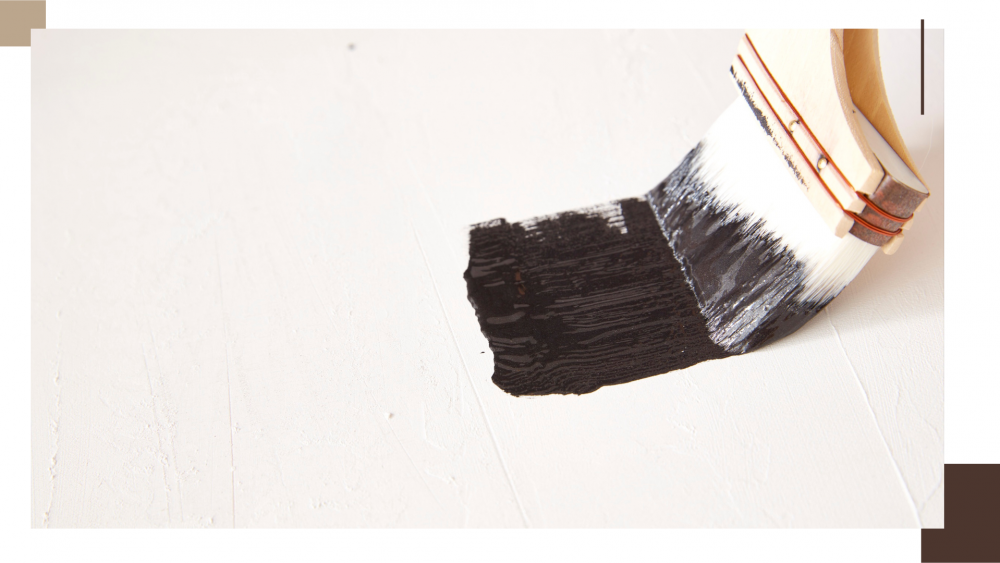
7. Uneven wall surface before painting
Sometimes brush marks aren't caused by the brush itself, but by an uneven wall surface, such as:
- Putty marks or patches
- Dust residue
- Rough texture
Therefore, before painting, you should:
- Sand the wall
- Clean the surface
To allow the paint to adhere well to the wall
How to paint smoothly like a professional
If you want smooth walls, follow these simple principles:
- Choose the right paintbrush for the type of paint
- Apply multiple thin coats
- Do not dip the brush too deep
- Brush in a single direction
- Prepare and smooth the wall surface before painting
Although these may seem like small details, they greatly affect the quality of the paint job.

Conclusion
The problem of brush marks after painting is a common issue in painting projects, especially when doing it yourself. Causes can stem from many factors, such as choosing Paint Brush the wrong brush for the paint, paint that is too viscous, or incorrect painting techniques.
Once you understand these causes, fixing them isn't difficult. Simply choosing the right equipment, properly preparing the surface, and applying correct painting techniques can give you a smooth, beautiful finish just like a professional.