


 EN
 ไทย


Customers Also Purchased
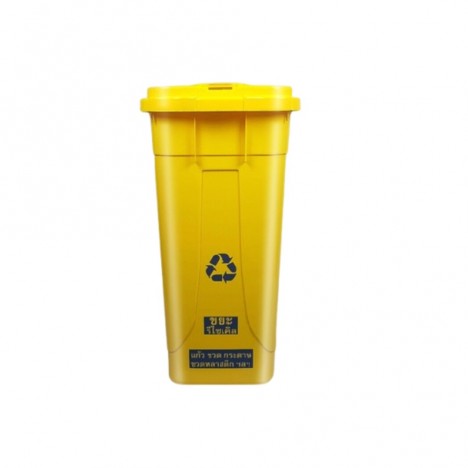
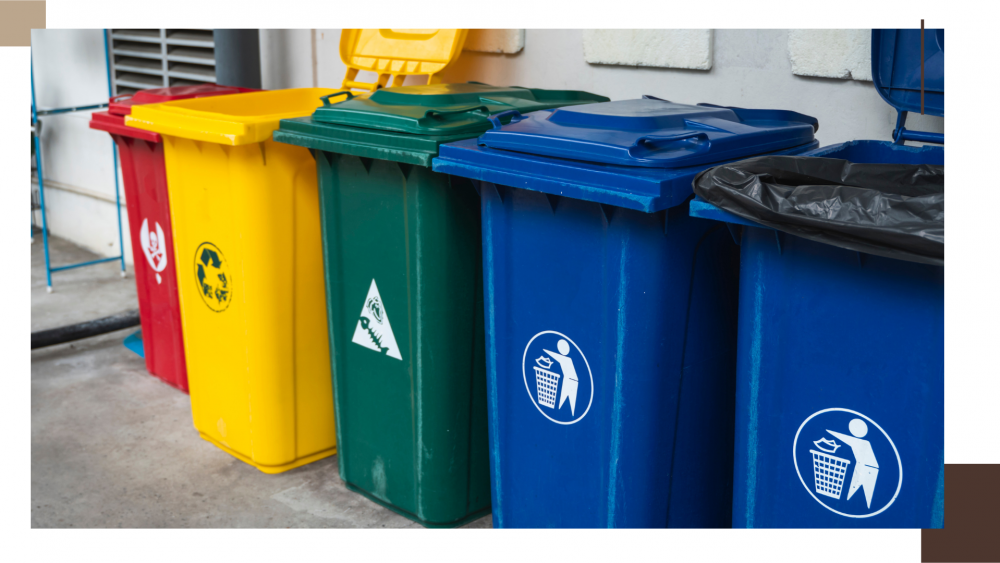
Nowadays, we "throw away trash" almost every single day—from food scraps after dinner and empty plastic bottles to dead batteries or expired light bulbs. But have you ever noticed that at schools, shopping malls, or office buildings, there are often Recycling Bins multi-colored bins lined up side by side?
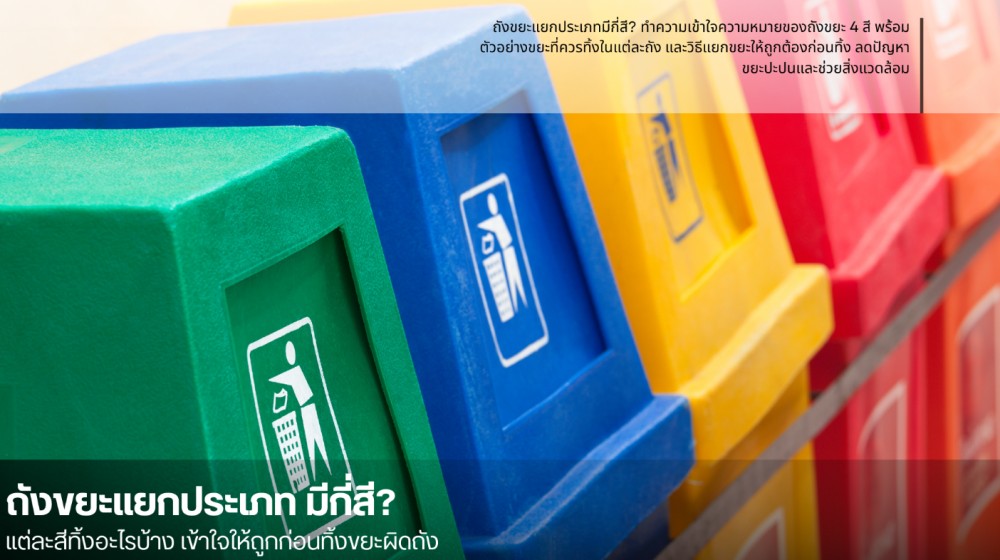
Many people might know that these bins are for sorting waste, but the question is: How many colors of waste sorting bins are there? And what goes into each color?
In reality, waste sorting isn't just about cleanliness; it's a crucial starting point for the entire waste management system. If waste is sorted correctly at the source, recyclable materials can be reused, organic waste can be turned into compost, and hazardous waste won't contaminate the environment.
This article will help you understand
- how many colors of waste sorting bins there are,
- which color bin each type of waste should go into,
- as well as examples of waste that many people often toss into the wrong bin without realizing it.
Once you understand, you will be able to sort trash correctly and help reduce urban waste issues far more than you might think.
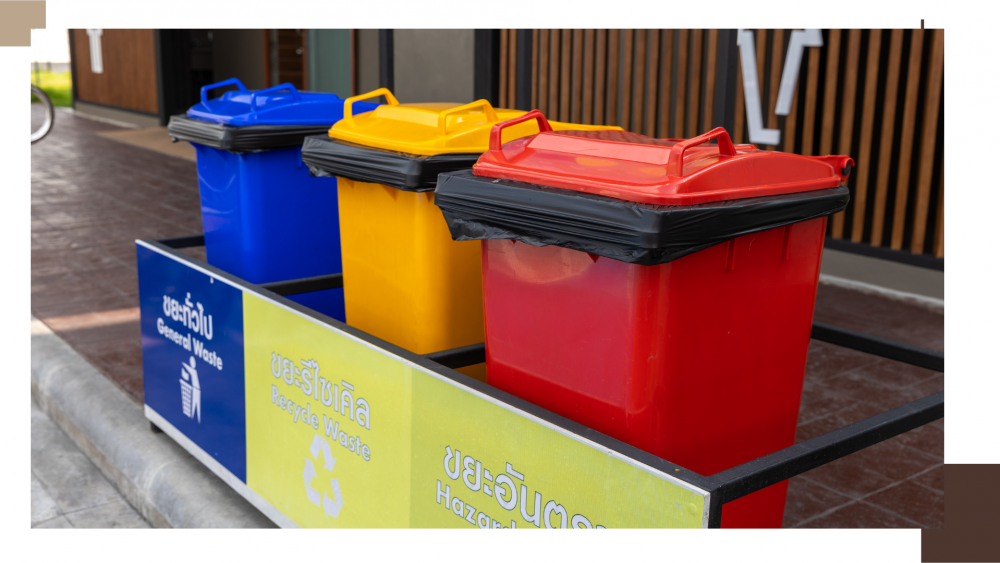
How Many Colors of Waste Sorting Bins Are There?
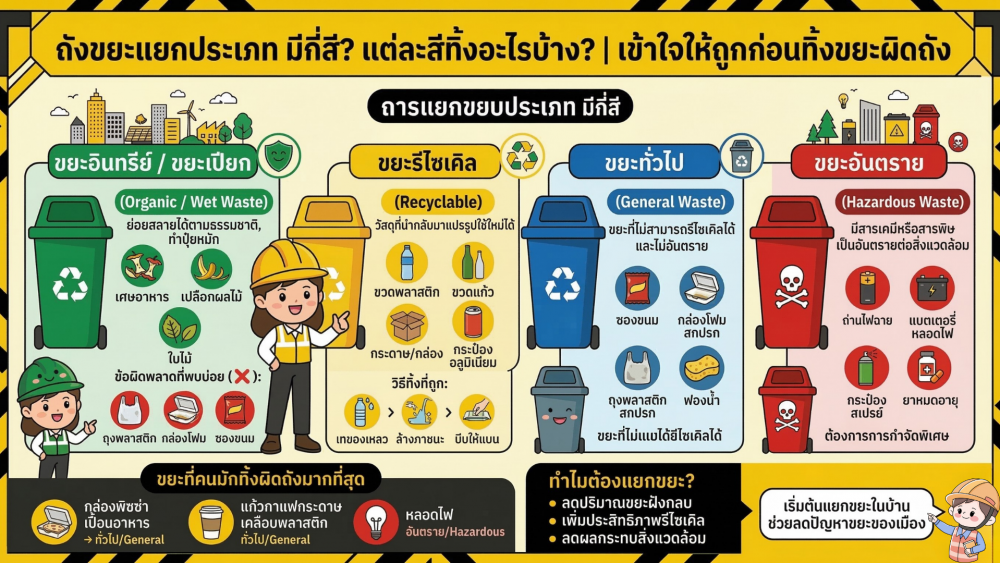
Generally, the waste sorting bin system used in Thailand is divided into 4 main colors to make it easy to understand and sort waste right at the source, which are:
| Trash Bin Colors | Waste Type | Waste Examples |
| Green | Organic waste / Wet waste | Food scraps, fruit peels, leaves |
| Yellow | Recyclable Waste | Plastic bottles, paper, cans |
| Light Blue | General waste | Snack wrappers, used foam |
| Red | Hazardous Waste | Flashlight batteries, batteries, light bulbs |
These 4 color-coded waste bins are designed to help the public easily sort waste without requiring much technical knowledge. Just observe the color of the bin to dispose of items correctly.
Next, let's look at the details of what should be disposed of in each color.
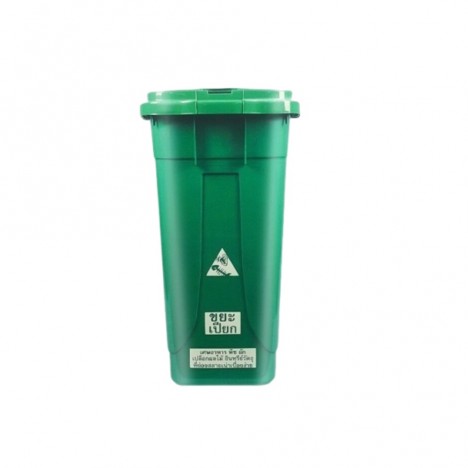
Green Waste Separation Bin – Organic or Wet Waste
Green waste bin is used for disposing of Organic Waste commonly known as wet waste, Organic Waste which is biodegradable natural waste.
This type of waste usually comes from kitchen activities or cooking and can be repurposed, such as for making compost or organic fertilizer.
Examples of waste that should be thrown into the green bin
- Food scraps
- Fruit peels
- Vegetable scraps
- Leaves
- Small branches / twigs
- Rice scraps or leftover food
This organic waste can decompose naturally in a short period of time, and some communities also use it to produce fertilizer for agriculture.
Common Mistakes
Many people mistakenly throw these items into the green bin, even though they shouldn't:
- Plastic Bags
- Foam boxes
- Snack wrappers
- Plastic spoons
These materials are non-biodegradable and can contaminate organic waste, making it impossible to produce fertilizer.
Yellow Waste Separation Bin – Recyclable Waste
Yellow waste bin is used for disposing of Recyclable Waste which are materials that can be processed and reused. Properly separating recyclable waste helps reduce the consumption of natural resources and reduces the amount of waste sent to landfills.
Examples of Recyclable Waste
- Plastic bottles
- Glass bottles
- Paper
- Cardboard box
- Aluminum cans
- Beverage cans
These materials can enter the recycling process and be used to manufacture new products, such as:
- Plastic bottles → Textile fibers
- Paper → Recycled paper
- Aluminum cans → New cans
How to dispose of recyclable waste properly
Before throwing into the yellow bin, you should:
- Empty all liquids
- Rinse containers briefly
- Crush plastic bottles flat
Doing this helps reduce odors, minimizes contamination, and makes recycling more efficient.
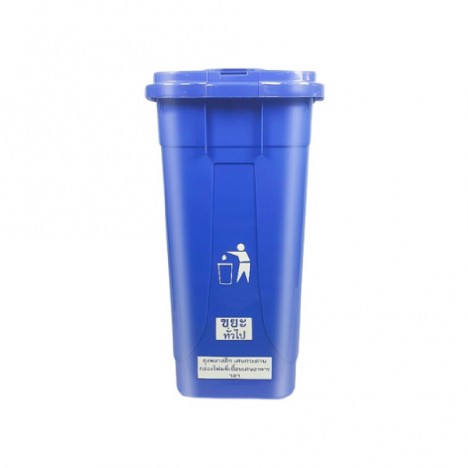
Blue Waste Segregation Bin – General Waste
Blue bin is used for disposing of General waste which is non-recyclable waste and not classified as hazardous waste.
This type of waste is usually contaminated material or composed of multiple materials that cannot be separated for reuse.
Examples of general waste
- Snack wrappers
- Foam boxes
- Used tissue paper
- Soiled plastic bags
- Dishwashing sponges
- Certain types of plastic packaging
Most of this type of waste will be taken to landfills or disposed of by incineration as it cannot enter the recycling process.
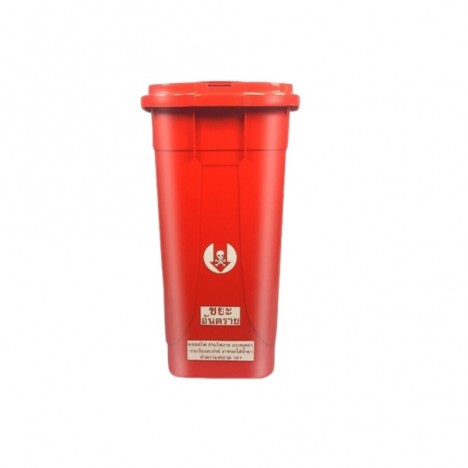
Waste Sorting Bin: Red – Hazardous Waste
Red waste bin is used for disposing of Hazardous Waste which is waste containing chemicals or toxic substances that may cause harm to humans and the environment This type of waste must be strictly separated from general waste.
Examples of hazardous waste
- Flashlight Batteries
- Batteries
- Light Bulbs
- Aerosol cans
- Expired medications
- Household chemicals
If this waste is disposed of together with general waste, it may cause
- toxic chemical leaks
- soil and water contamination
- danger to waste management personnel
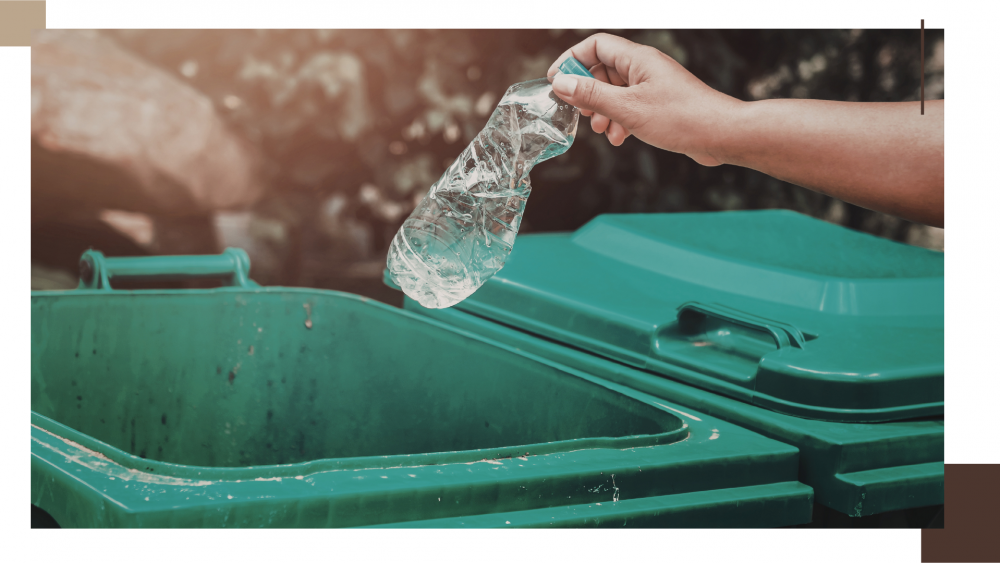
Waste most commonly thrown into the wrong bin
Even though there are color-coded waste sorting bins, there are still some types of waste that people often confuse, such as:
- Pizza box: Even though it is paper, if it is heavily stained with food residue, it cannot be recycled and should be disposed of in general waste.
- Paper coffee cup: Many people think it can be recycled, but most coffee cups have a plastic coating, making them difficult to recycle.
- Light bulb: Should be disposed of in a hazardous waste bin, not mixed with general waste.
Why using waste sorting bins is important
Using Recycling Bins It is not just about organizing trash, but it also impacts the entire waste management system.
- Reduce landfill waste: When recyclable waste is separated at the source, the amount of waste sent to landfills is reduced.
- Increase recycling efficiency: Clean and uncontaminated recyclable materials can be reused easily.
- Reduce environmental impact: Properly separated hazardous waste will not contaminate soil, water, or air.
Simple ways to start sorting waste at home
Even if your home doesn't have 4-color waste sorting bins like in public areas, you can still start easily:
For example,
- Use 2–3 bins in the kitchen.
- Separate recyclables from general waste.
- Keep hazardous waste separate
Just doing this makes waste management much more efficient.
Waste sorting bins help improve waste management.
Generally, Recycling Bins In Thailand, they are divided into 4 colors: green, yellow, blue, and red. Each color is used for a different type of waste. When we understand which color of waste sorting bin waste should be thrown into, it helps reduce waste contamination, increases recycling opportunities, and minimizes long-term environmental impacts.
Although waste sorting may seem like a small daily task, if everyone starts at home, these small changes can tremendously help reduce the city's waste problems.
Because in the end, the best waste management does not start at the disposal facility, but begins with choosing to dispose of waste into the correctly colored "waste sorting bin" right from the start.