


 EN
 ไทย


Customers Also Purchased

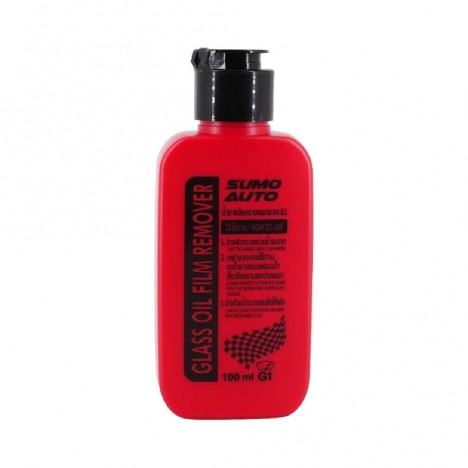
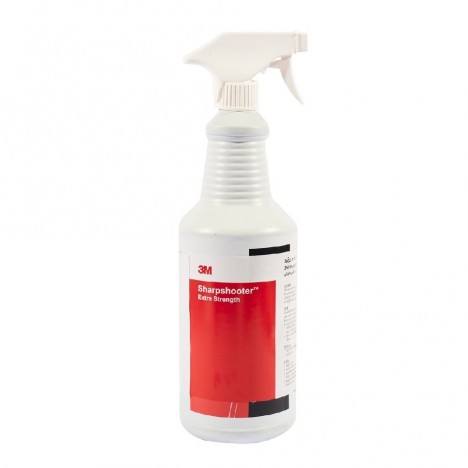
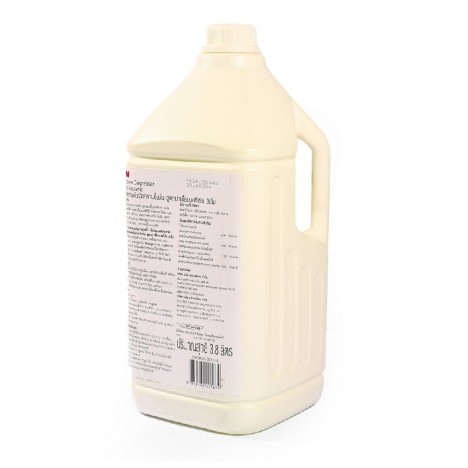

Nong Chang remembers that incident vividly. That day, while doing routine bathroom cleaning, I noticed very stubborn limescale along the toilet bowl rim and floor tiles that just wouldn't come off no matter how hard I scrubbed. At the time, I simply thought, "Maybe adding another brand of bathroom cleaner will help loosen the stains more easily."
So I grabbed another brand of bathroom cleaner and poured more onto the same area of the floor. In less than ten seconds, out of nowhere, I started to see something like thin vapor or fumes rising up, accompanied by an extremely pungent odor that stung my nose and eyes, making my throat burn when I breathed. I panicked, rushed out of the bathroom immediately, and left the door open to let it ventilate.
Afterward, I sat down and wondered what on earth had just happened. Only upon researching it later did I realize that what occurred was likely a chemical reaction from mixing Degreaser Cleaner Spray different formulations, which in some cases can actually generate gases hazardous to the respiratory system. That incident sparked Nong Chang's interest in the chemistry of household cleaning products much more, and I discovered that in our everyday lives, there are several pairs of chemicals that should strictly never be mixed. Some combinations merely produce a strong odor, but others can generate toxic gases now
Why mixing cleaning products is more dangerous than you think
The cleaning products we use at home do not contain just a single substance; they are formulated blends of multiple chemicals designed to tackle specific types of stains.
Examples of commonly found substances include:
- Acid
- Alkaline
- Chlorine
- Ammonia
- Surfactant
- Each substance has a different function, such as:
Acids are commonly used for dissolving limescale and mineral deposits Alkalis are used for breaking down grease and oil stains Chlorine is used for disinfecting and bleaching stains
When used separately according to the manufacturer's instructions, these chemicals are relatively safe. However, when inadvertently mixed together, chemical reactions can occur, producing
- toxic gases
- irritating fumes,
- heat,
- or entirely new, more hazardous chemicals.
For this reason, cleaning experts follow one simple rule: Never mix different cleaning products together, even if they appear to be of the same type.
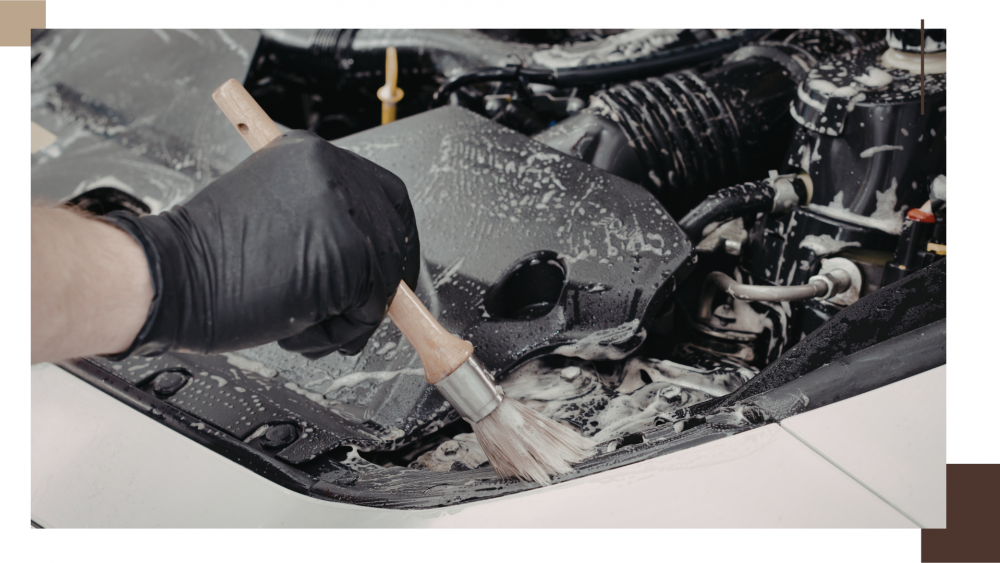
1. Bleach + Toilet Bowl Cleaner
This is one of the most dangerous chemical combinations in the home. Most bleaches contain Sodium Hypochlorite which is a chlorine compound used to disinfect and bleach stains.
While many toilet cleaners contain acids, For example,
- Hydrochloric Acid
- Sulfamic Acid
these substances are used to help dissolve limescale and mineral deposits. When chlorine from bleach mixes with acid, a reaction occurs that produces Chlorine Gas.
This type of gas is characterized by:
- An extremely pungent odor
- Stinging and burning eyes
- Nasal irritation
- Coughing or difficulty breathing
In enclosed spaces such as bathrooms, chlorine gas can easily accumulate in the air and cause immediate irritation.
2. Bleach + Ammonia
Another pair of chemicals that many people don't realize is hazardous is mixing bleach with ammonia. Ammonia is commonly found in many cleaning products, such as:
- Glass cleaner
- Kitchen cleaners
- Certain formulas of all-purpose cleaners
When ammonia mixes with chlorine from bleach, it produces a gas known as Chloramine Gas.
This gas can severely irritate the respiratory system and cause symptoms such as:
- Coughing
- Chest tightness
- Difficulty breathing
- Eye irritation
In some cases, inhaling large amounts can lead to respiratory tract inflammation.
3. Drain cleaner + toilet cleaner
Many drain cleaners contain strong alkaline substances, such as: Sodium Hydroxide This substance effectively breaks down grease and organic debris in drains.
Meanwhile, toilet cleaners often contain acids, to dissolve limescale deposits. When concentrated acids and bases mix, they produce a reaction that generates high heat
In some cases, it can cause the chemicals to
- boil,
- splash,
- or produce vapors,
which can be hazardous to the skin and eyes.
4. Disinfectant + floor cleaner
Many people think that mixing disinfectant with floor cleaner will clean and disinfect floors at the same time, but we'd like to tell you that it's actually not necessary at all.
Some disinfectants contain chlorine or concentrated disinfecting agents. If mixed with floor cleaners that have different chemical formulations, it may cause
- irritating fumes,
- a strong, pungent odor,
- or reduce the effectiveness of the cleaner.
Sometimes, mixing them can also cause the disinfectant to lose its potency, making disinfection far less effective than it should be.
5. Different brands of toilet cleaners
This is something Nong Chang has experienced firsthand. Many people assume that since they are both toilet cleaners, different brands can be mixed together. In reality, however, each brand's formula is different.
- Some formulas use acid,
- some contain chlorine,
- and some have added antibacterial agents.
When mixed, a reaction may occur that produces smoke or vapors with a strong, pungent odor, which many people may have encountered without knowing what caused it.
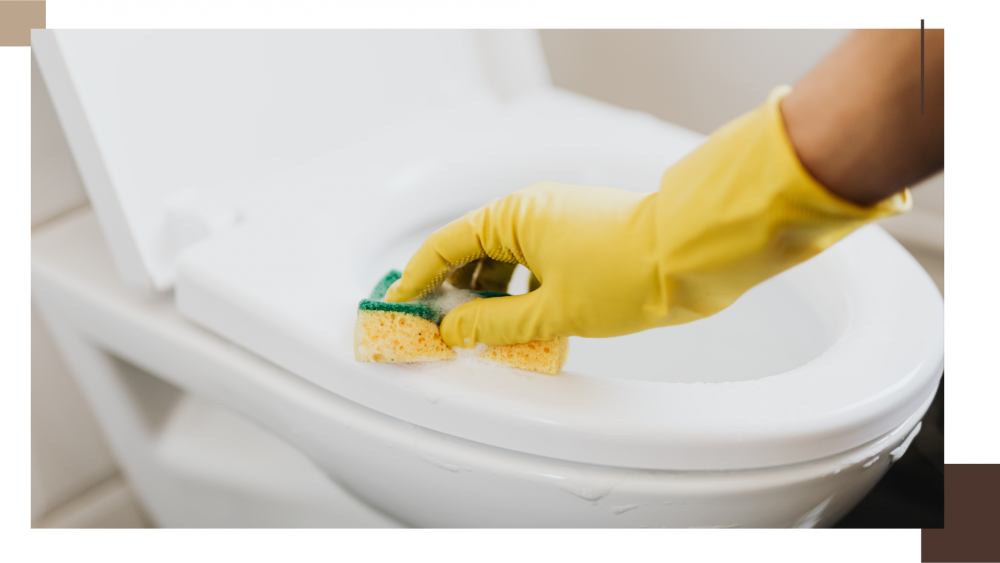
Why toilet cleaners of "different brands" can produce toxic gas
When Nong Chang experienced fumes rising in the bathroom back then, at first thought it was just the normal smell of the cleaner. But after researching later, realized that toilet cleaners of different brands do not always use the same chemical formula.
Even though they are the same type of product, each brand may choose different chemicals. For example, some brands focus on an acidic formula for dissolving limescale, while some brands may contain chlorine or bleach to help disinfect and eliminate odors. Problems arise immediately when these two formulas meet.
For example, if one brand of toilet cleaner contains chlorine such as Sodium Hypochlorite and another brand is an acid-based formula, such as Hydrochloric Acid or sulfamic acid, mixing these two substances triggers a chemical reaction that generates Chlorine Gas. up
Chlorine gas has distinct characteristics that many immediately recognize: an extremely pungent odor that stings the nose and eyes. Sometimes, faint fumes or vapor may even be seen rising from the surface where the liquids were poured.
In open, well-ventilated areas, this gas may dissipate quickly, but in enclosed spaces like Bathroom the gas can easily accumulate in the air, causing immediate irritation such as
- burning eyes,
- Coughing
- sore throat,
- Chest tightness
- Difficulty breathing
This is why cleaning experts always warn that toilet cleaners from different brands should never be mixed together, even if they appear to be the same type of product.
Because in the world of chemistry, "having the same function" does not always mean having the same formula. And sometimes unintentional mixing can trigger reactions we never anticipated. For Nong Chang, since that day, he always keeps in mind that when cleaning the bathroom, if one cleaner is still working, do not immediately pour another cleaner over it. You should rinse thoroughly with water first or choose to use only a single product following the manufacturer's instructions. Because sometimes, the intention to make stains come off easier can end up creating hazardous gases without you realizing it.
What to do if cleaners are accidentally mixed and smoke is produced?
If this situation occurs, what you should do immediately is:
- Evacuate the area immediately
- Open doors or windows to ventilate the space
- Avoid inhaling fumes
- Wait for the smell to dissipate before returning inside
If you experience symptoms such as
- burning eyes,
- Coughing
- Chest tightness
- Difficulty breathing
Rest in a well-ventilated area, and seek medical attention if symptoms do not improve.
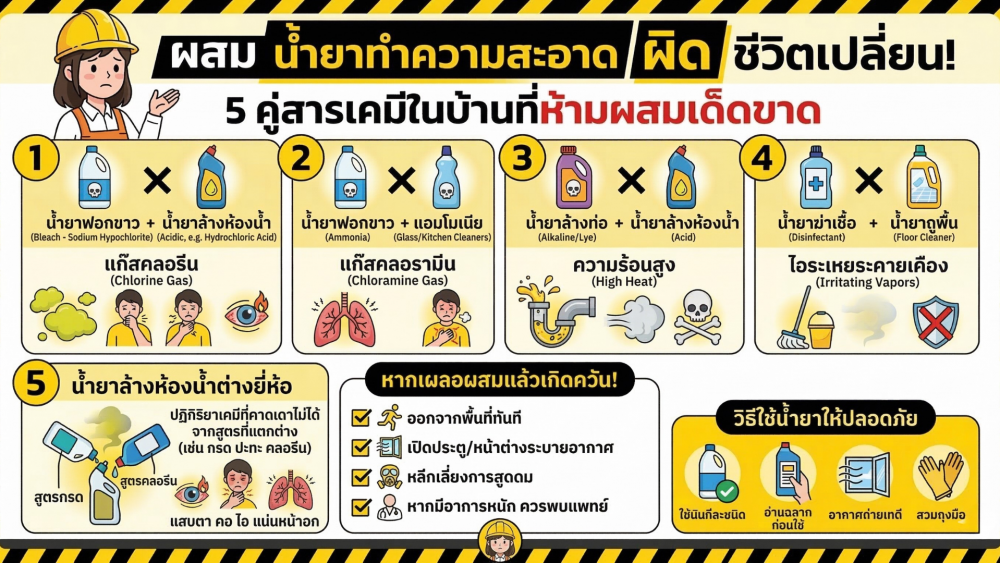
How to safely use cleaning agents
To avoid hazards from chemical substances, simple guidelines should be followed as follows:
- Use one cleaner at a time
- Read the label before use
- Do not mix different types of cleaners together
- Use in a well-ventilated area
- Wear gloves when using concentrated solutions
Summary from Nong Chang's experience
After that day's incident, Nong Chang always remembered that Degreaser Cleaner Spray are not something you should experiment with mixing. Even if they are the same type of cleaner or used for cleaning the same spot, the formulas of each brand may differ. Using one cleaner at a time according to the manufacturer's instructions is the safest method. Because sometimes, the intention to make your home cleaner could turn into an unexpected health risk.