


 EN
 ไทย


Customers Also Purchased
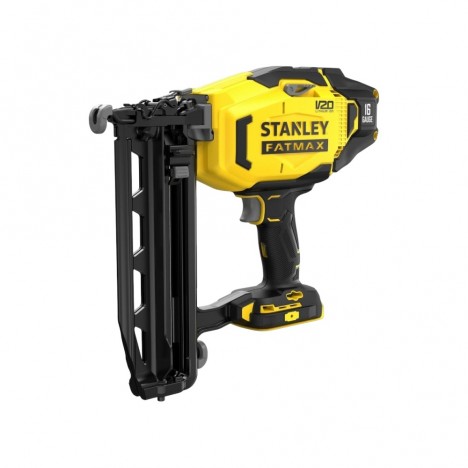
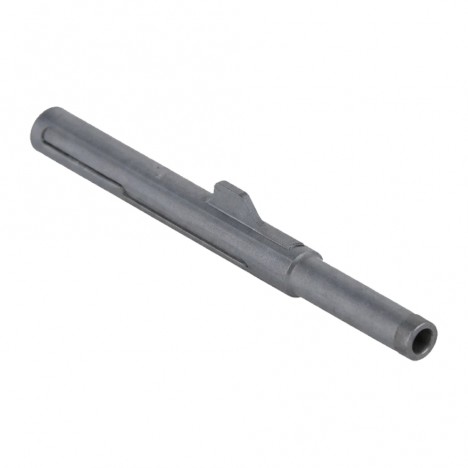

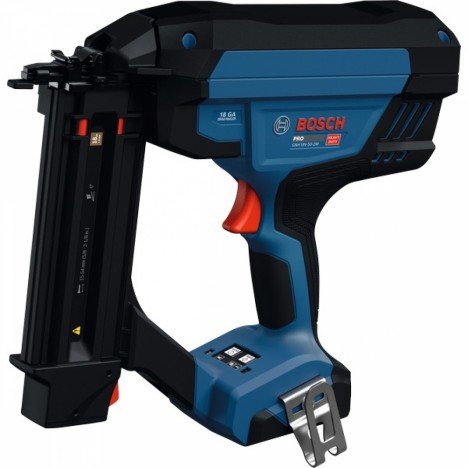
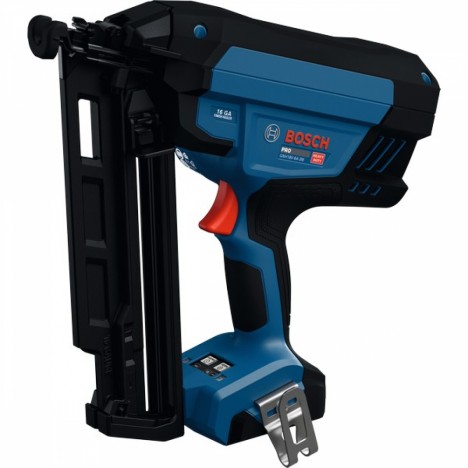

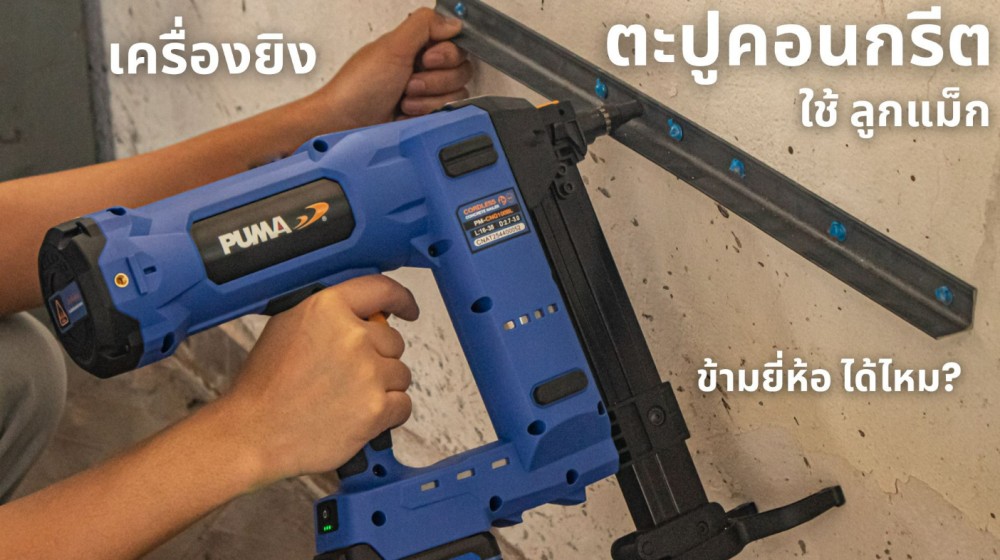
When talking about concrete pins/nails used with concrete nailers today, many people might wonder: "If the tools are of different brands, can we mix and match nails across brands?" This question might seem trivial, but it actually affects tool operation, holding strength, service life, and safety directly.
This issue is common, especially among cordless concrete nailer users who find that dedicated genuine nails are more expensive or harder to find than other brands, leading to the idea that they might be interchangeable as long as the size is similar. But the reality is that nails that look alike might differ in collation angle, collating strip, head shape, and nail hardness, all of which directly affect feeding and firing.
Therefore, in this article, we'll dive deep to clearly clarify: what should you check before using concrete nails with both pneumatic and cordless concrete nailers? Can concrete nails or staples be cross-used between brands, and how? This ensures you make a cost-effective choice, achieve practical results, and avoid risking damage to your tool.
Why is cross-brand nail compatibility such an important question?
From a typical user's perspective, many nail models look very similar, especially when looking at the box or just checking the length, such as 20 mm or 25 mm. Many might see from the specs that both are concrete nails and assume they can be used interchangeably. In reality, a concrete nailer's feeding system doesn't just consider length; it also accounts for collation style, magazine compatibility, and driving force.
Especially with a cordless concrete nailer, you need to be even more careful because these power tools are usually engineered with feeding and driving systems calibrated fairly precisely to the nails specified by the manufacturer. Even if the dimensions are very close, a mismatched collation angle, differing plastic strip thickness, or a slight variation in head design can cause feeding failures in the magazine.
Simply put, what people perceive as "close enough" from the outside may be treated by the tool as an "entirely different system."
Clarifying terms: What do "fasteners/staples" or "concrete nails" actually mean?
On job sites, the colloquial Thai term "luk maek" is often used collectively to refer to wire staples, collated nails, or even concrete pins collated in strips for magazine feeding. Practically speaking, this is understandable, but when buying or cross-referencing, you must clearly distinguish which type of fastener is actually being discussed.
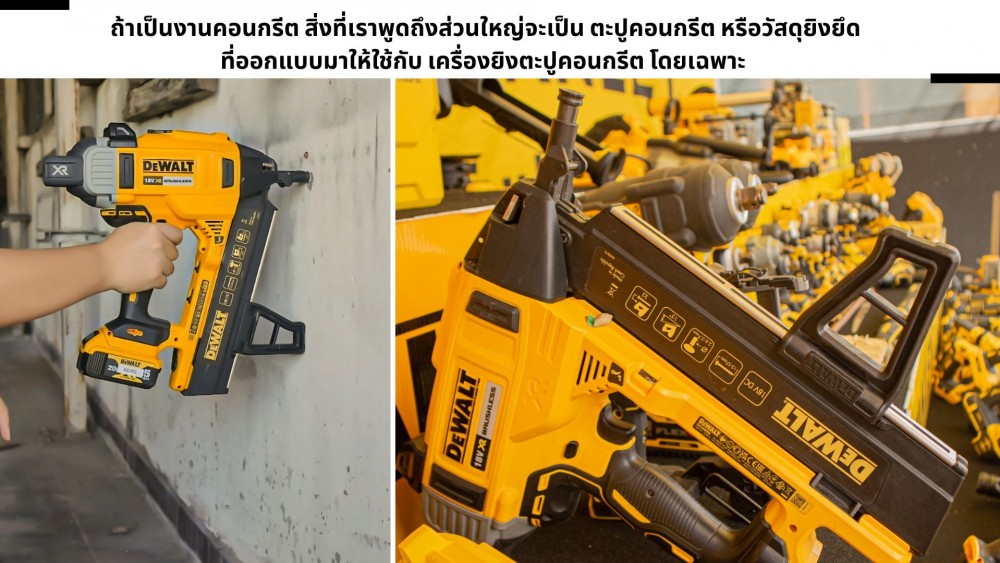
Some concrete pins and nails are collated with plastic strips, some come with pre-fitted washers, and others are specifically designed for different types of concrete or steel.
So, when asking whether concrete nails can be used across different brands, you should actually ask more comprehensive questions, such as:
- What type of concrete nail is it?
- Which concrete nailer system is it used with?
- Is it a pneumatic tool or a cordless concrete nailer?
- What length range and nail profile does the manufacturer specify?
Without asking all the right questions, the answer will inevitably be too broad. But if asked whether they can be used interchangeably, the shortest answer is: "It may work in some cases, but you should never assume it works every time." especially with concrete nails, which work with hard materials and require extremely high driving power.
Conditions to Consider
- Nail size must match exactly, not just approximately
- Nail collation pattern must match the tool's magazine
- Collation angle must precisely match what the tool supports
- Nail head and shank must be in the profile designed for the tool
- The tool manufacturer does not explicitly prohibit its use
- Tested in actual work to ensure smooth feeding and full-depth driving
If any of these conditions are missing, cross-use is not recommended as the risks will increase.
Why do concrete nails of the same size have issues when used across different brands?
This is where people make mistakes most often. When seeing that both are 25 mm, many assume they're set. But a concrete nailer isn't like using a hammer and hand to drive nails; it loads them into a mechanical system. Size and length are only one of several factors. Other consequential factors include:
- Different collation angles Even if the concrete nails are the same length, if the collation angle doesn't match, the feed track may not operate smoothly or the nails may jam when loaded.
- Different collation strip thicknesses Some brands use thicker plastic strips, while others use thinner binding materials. This affects feeding and debris ejection in the tool, especially in cordless concrete nailers.
- Different nail head profiles Some nail heads are wider, thicker, or shaped specifically to engage with the tool's driver mechanism. If they don't match the design, the tool may not hold or strike the nail properly.
- Different nail hardness Even though they are all called concrete nails, the hardness level and toughness of the steel can vary. If they are extremely hard but brittle, they risk shattering; if too soft, they can easily bend.
All of the above is why "same size" is simply not enough.
Can pneumatic concrete nailers use cross-brand fasteners?
Many people feel that pneumatic concrete nailers should be more flexible, and in some cases, that's true. Some pneumatic models may support consumables from various brands more broadly, provided the magazine track and nail format truly match.
However, "easier" does not mean "compatible with everything," because in the end, you still need to consider:
- What kind of nails the tool's magazine track is designed for
- What collation angle the staples or concrete nails use
- What the supported minimum and maximum lengths are
- What level of air pressure is required to drive those nails at full performance
Sometimes it fits and fires, but that still doesn't mean it's suitable for long-term use. Problems may arise in the form of accelerated wear, magazine jams, or inconsistent fastening quality.
Are cordless concrete nailers harder to cross-brand?
Generally speaking, cordless concrete nailers require more caution when using cross-brand fasteners compared to pneumatic tools. Many cordless models are designed as relatively proprietary systems—covering feed timing, driving force, and nail retention in the magazine.
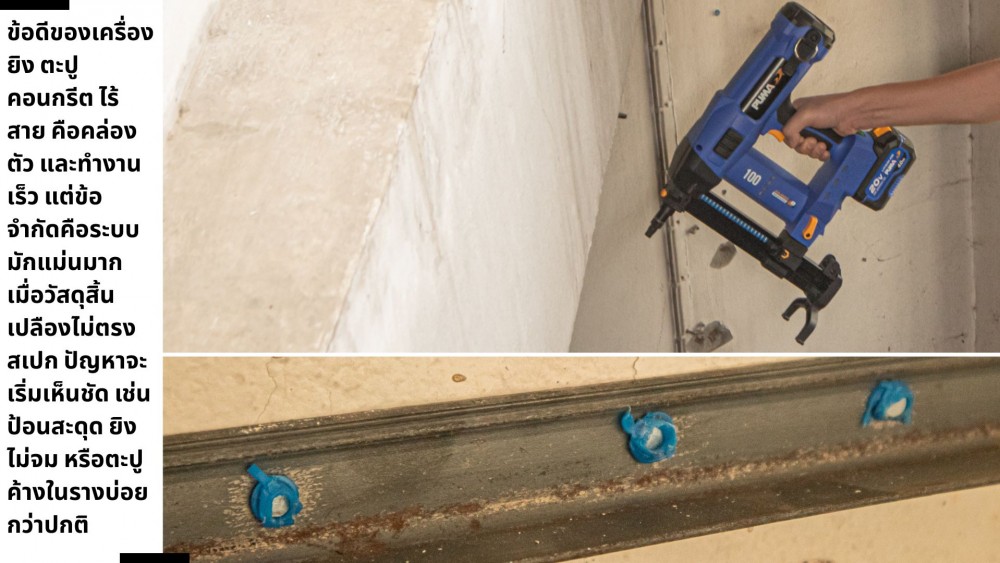
If you are using a cordless concrete nailer and want to try cross-brand fasteners, do so only if truly necessary, such as when your usual nails are completely out of stock, and take an extra level of precaution. Don't just check if they fit; observe whether the tool still operates smoothly during continuous use and whether the on-site results remain consistent.
Points to check before trying cross-brand concrete nails
If it is truly necessary to test, I recommend checking everything thoroughly first, rather than buying and loading them right away just because they look similar.
1. Check the manual or tool specifications first
Clearly verify what nail types and length ranges your concrete nailer or cordless concrete nailer supports, and whether specific nail profiles are clearly designated.
2. Check the collation angle
Even if the concrete nails have the same length, if the angle does not match the tool's magazine, it could cause feeding jams or make them completely unusable.
3. Check the head and shank profile
How wide the head is, how thick the shank is, and what type of point it has—all of these factors affect feeding and driving force.
4. Check the collation material
Each collation type—whether plastic collation, glue collation, or other binding materials—behaves differently when fired. Some tools work well with one type, while another type may not feed smoothly and could cause problems.
5. Test on actual work in limited quantities
Don't buy a whole box and hope for the best. If you want to try cross-brand concrete nails or collated pins, test them in small quantities first. Observe the feeding, firing, and the condition of the anchor point after driving them into actual material.
If you must use cross-brand pins, how can you minimize the risk?
In some situations, it's unavoidable—such as when OEM supplies are out of stock or the job must keep moving. If you really need to use cross-brand pins, it is best to err on the side of caution.
Practical ways to reduce risk
- Compare specifications thoroughly; do not look only at length.
- Check that the collation angle and strip format match exactly.
- Test with a small quantity before using on actual work.
- Check feeding and nail countersinking during the initial use.
- Never use them on critical work immediately without testing first.
- Record the models tested for future comparison.
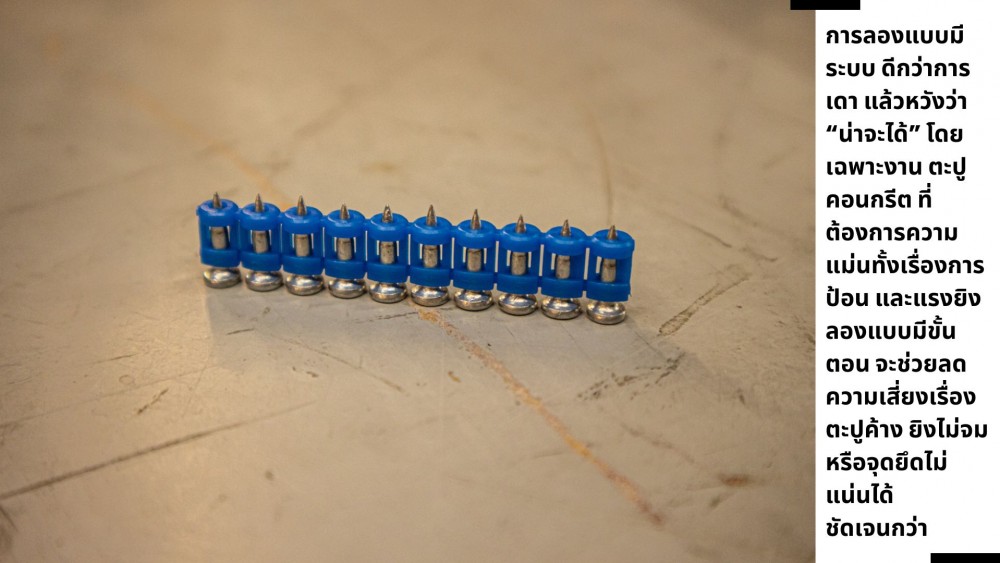
Conclusion: A ten-thousand-baht tool isn't worth risking on hundred-baht nails.
To summarize as clearly as possible whether concrete nails can be used across different tool brands: the answer is "yes, in some cases," but you should never assume it works in every case. This is especially true for concrete nails used with cordless concrete nailers; these systems work with hard materials and require much more precise feeding than general-purpose tools.
The simple rules to keep in mind are:
- Same size doesn't necessarily mean interchangeable.
- Pneumatic tools may be more flexible than cordless tools in some cases, but not always.
- Cordless concrete nailers usually require more caution regarding pin compatibility.
- If you plan to cross brands, always compare specifications and test first.
- For critical tasks or high-value tools, don't take risks just to save a little money on cheaper fasteners.
Ultimately, choosing concrete nails or staples that match your concrete nailer is a matter of work continuity, fastening strength, and the tool's lifespan. If you guess, even if you save money at the time of purchase, it might end up costing you more in the end.


