


 EN
 ไทย


Customers Also Purchased


In industrial work, construction, or even factory maintenance, lifting materials weighing hundreds of kilograms or more is impossible using human strength alone. The equipment that makes heavy lifting both easy and safe is Electric Winch (Electric Wire Rope Hoist)
This type of hoist is widely used in factories, warehouses, and construction sites because it can lift heavy objects efficiently and is easy to control. However, before purchasing, many people often ask the crucial question:
How many kilograms can an electric wire rope winch hoist lift? And what size should be selected to suit the actual nature of the work?
Because if you choose a hoist with too low of a lifting capacity, it may overload the machine and risk causing damage. On the other hand, choosing a size that is larger than necessary may unnecessarily increase costs.
This article will guide you to understand everything from Electric hoist lifting ratings, factors affecting lifting capacity, how to choose the right size for the actual work, through to essential safety considerations To help you choose and use it appropriately
How many kilograms can an electric wire rope winch hoist lift?
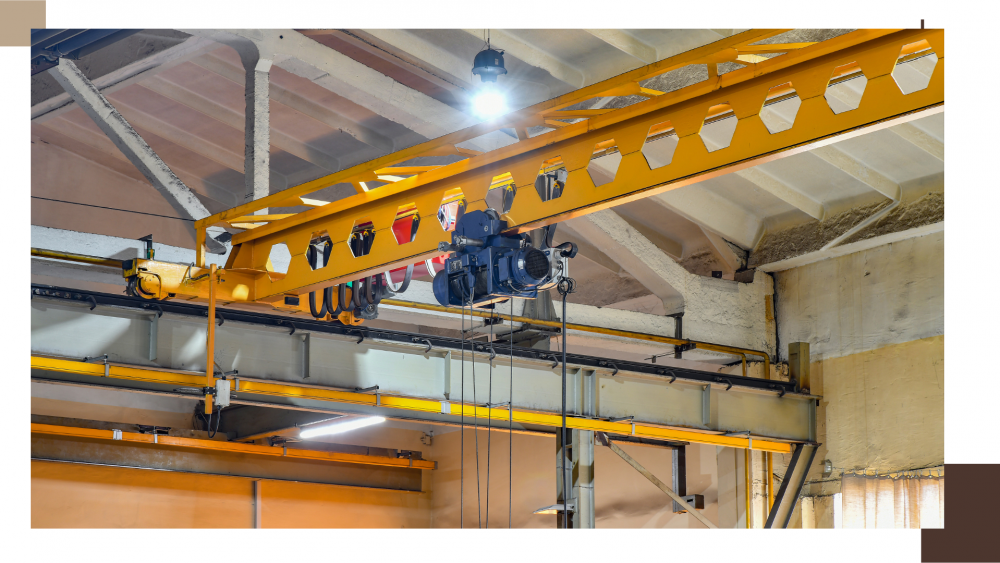
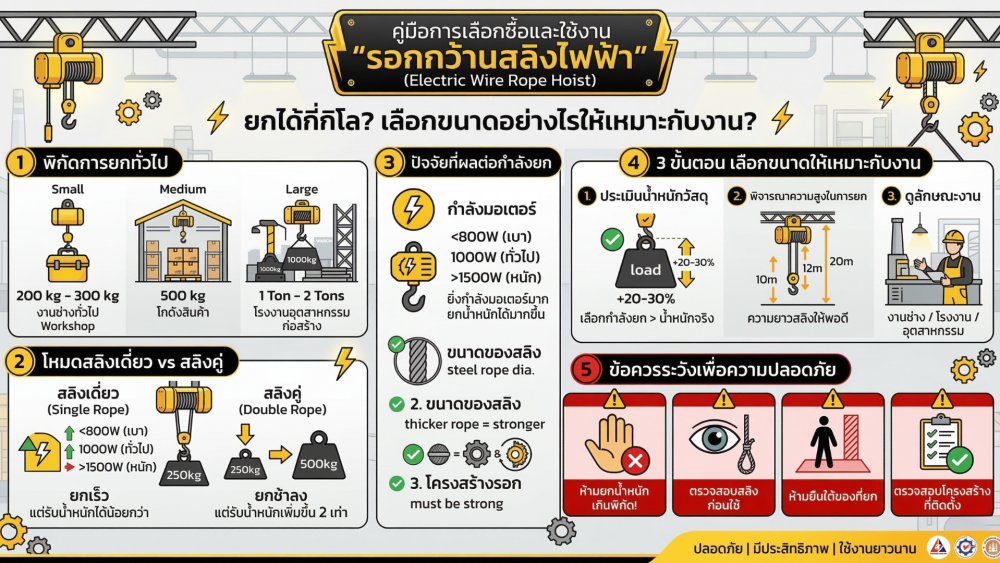
Generally, electric wire rope winch hoists come in various sizes that support different weights depending on motor power, construction, and the cable system.
The lifting capacities commonly found on the market are as follows:
| Electric Hoist Model | Approximate Lifting Weight |
| Electric Hoist 200 kg | 200 kilograms |
| Electric Hoist 300 kg | 300 kilograms |
| Electric Hoist 500 kg | 500 kilograms |
| Electric Hoist 1 Ton | 1,000 kilograms |
| Electric Hoist 2 Tons | 2,000 kg |
Small electric hoists are often used in
- General maintenance work
- Warehouses
- Workshops
While large hoists are used in
- Industrial factories
- Construction work
- Machinery lifting work
What is the difference between single line and double line modes?
Many electric wire rope winch models can be configured for two modes of operation:
| Operating Mode | Capability |
| Single line | Lifts faster, but has lower load capacity |
| Double line | Lifts slower, but has higher load capacity |
For example,
- Single line mode → lifts up to 250 kg
- Double line mode → lifts up to 500 kg
This system allows users to better adapt the hoist operation to the task at hand
Factors affecting the lifting capacity of electric hoists
Although electric wire rope winches look similar, their lifting capacity depends on several factors.
Motor Power
The motor is the most critical part of an electric hoist because it generates the lifting power.
Generally,
- 500–800W motor → Light-duty work
- 1000W motor → General work
- 1500W motor and above → Heavy-duty work
The higher the motor power, the more weight the hoist can lift.
Wire rope size
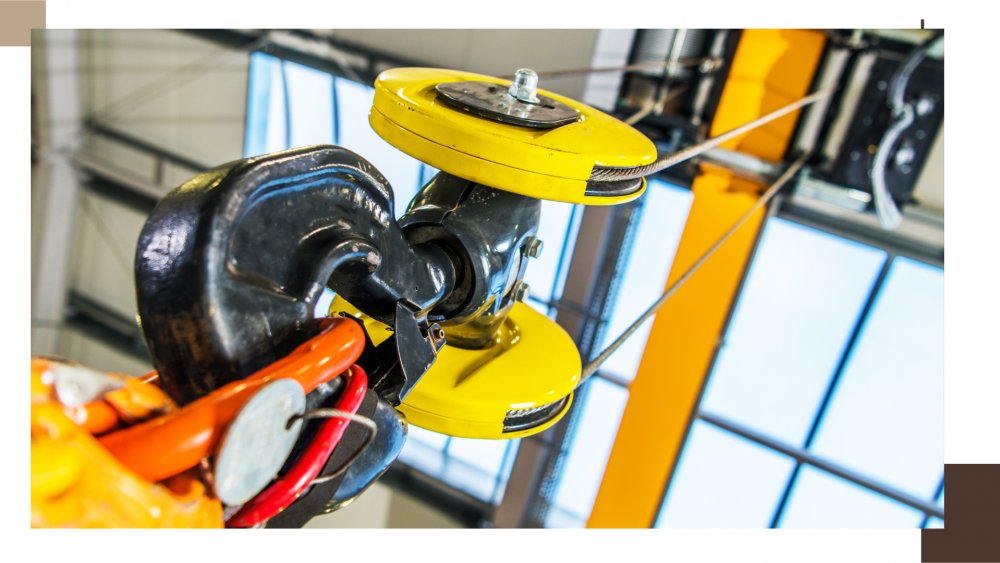
The steel wire rope used with electric hoists is designed for high tensile strength, but the size of the wire rope also affects lifting capacity.
Wire ropes with larger diameters can handle heavier loads.
Hoist structure
The hoist structure, such as:
- Steel frame
- Gear system
- Brake System
All of which affect the machine's strength and safety.
How to choose the right electric wire rope winch size for your application
Choosing the right electric hoist shouldn't rely solely on the rated lifting capacity figures; other factors should also be taken into account.
1. Estimate the material weight
The first step is to determine how much the material to be lifted weighs.
Examples of typical application loads
| Application type | Approximate weight |
| Lifting mechanic tools / hand tools | 50–200 kg |
| Lifting small machinery | 200–500 kg |
| Construction work | 500 kg and above |
Generally, you should choose a hoist with a lifting capacity exceeding the actual weight by approximately 20–30% To prevent overloading
2. Consider the lifting height
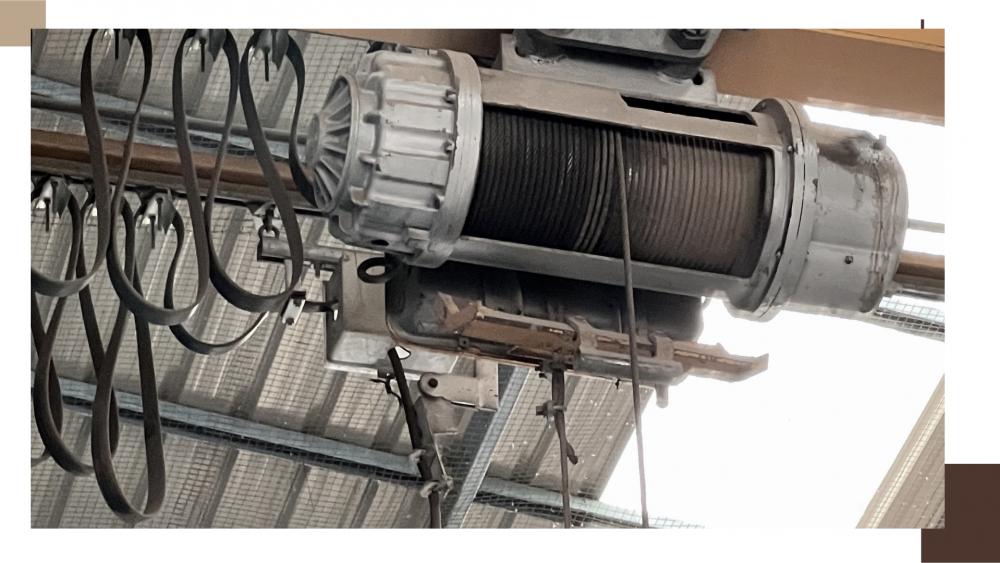
Electric wire rope winches usually have a cable length of approximately
- 10 meters
- 12 meters
- 20 meters
If used in high-ceiling warehouses, choose an appropriate cable length
3. Consider the nature of the application
The type of work affects the choice of hoist, for example:
General maintenance work
- Use a 200–300 kg hoist
Factory work
- Use a 500 kg – 1 ton hoist
Industrial work
- Use a hoist of 1–2 tons or more
Precautions when using electric wire rope winches
Although electric hoists make lifting goods easier, improper use can lead to accidents
Important precautions include:
- Do not exceed the rated lifting capacity
- Inspect the wire rope before use
- Never stand under a suspended load
- Inspect the mounting structure
Proper use will help extend the service life of the hoist
Conclusion
Electric Winch is essential equipment that makes lifting heavy materials in factories or construction sites easier and safer. However, choosing the right size is crucial, as it directly affects both operational efficiency and safety.
Generally, electric hoists have lifting capacities ranging from 200 kg to several tons. Selection should be based on material weight, lifting height, and actual operating conditions to obtain the most suitable hoist.
When you choose the right electric wire rope hoist for the job and use it properly, this equipment will greatly increase work efficiency and reduce the risks associated with heavy lifting.