


 EN
 ไทย


Customers Also Purchased




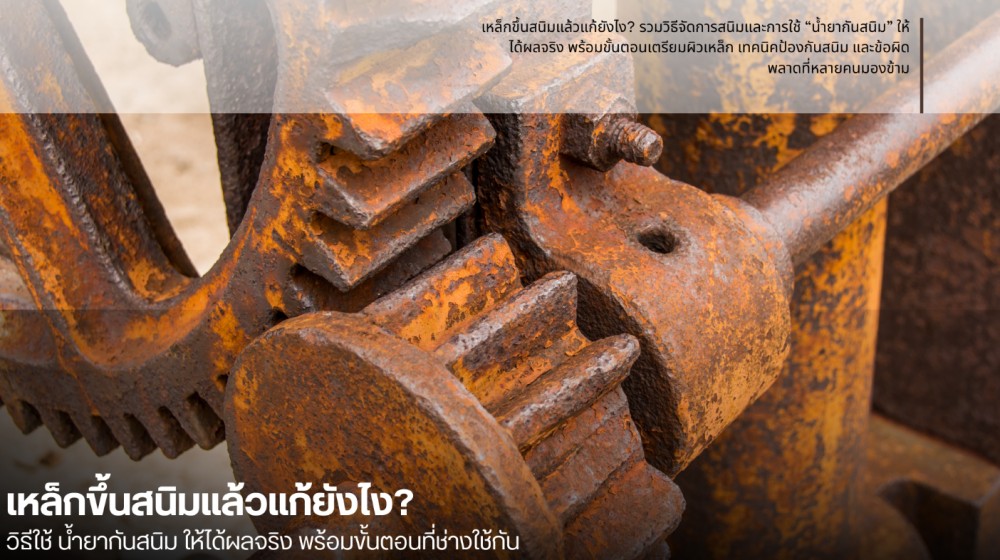
Steel is a strong, durable material used in construction, trades, and virtually all types of industrial work, from residential fences and roof trusses to hand tools and factory machinery. However strong steel may be, it still has a "major enemy" that is hard to avoid, which is Rust
Often, rust starts with just tiny brown spots on the steel surface that seem harmless. But before long, those small spots can gradually expand, spreading into an entire layer of rust. And if left long enough, rust can corrode and structurally damage the steel.
A common question many people have is how to deal with rusted steel, and whether using Rust Inhibitor can actually help.
In fact, with proper treatment, steel that has begun to rust can still be restored and protected from further spreading. Using Rust Inhibitor through the proper steps can significantly slow down metal corrosion and extend the lifespan of steel parts. This article will guide you from the root causes of rust to the proper steps for using Rust Inhibitor correctly, helping steel last much longer.
Why Does Steel Rust?
Before discussing the solutions, we should first understand the basics of how rust occurs.
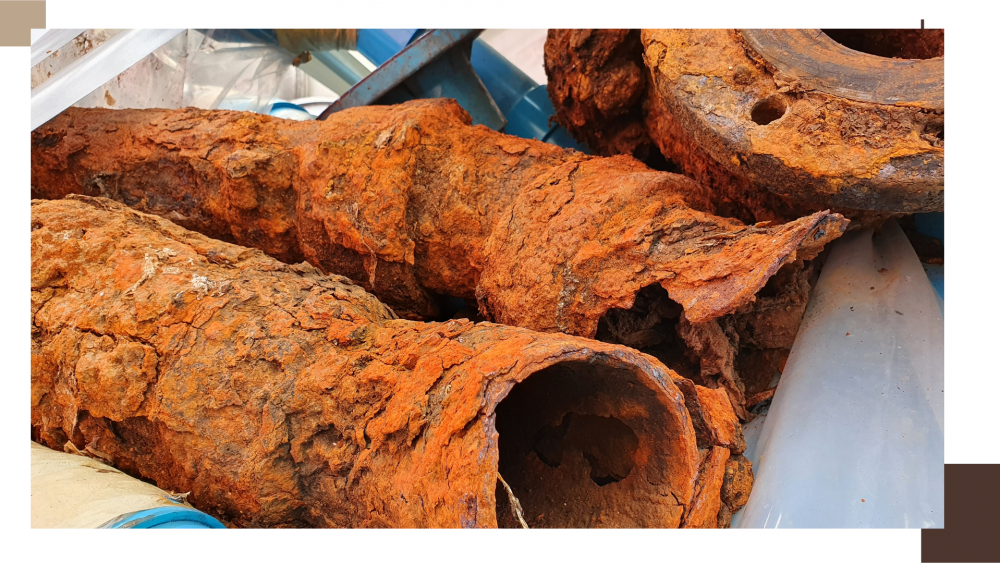
Rust is caused by a chemical reaction known as Oxidation which occurs when steel reacts with oxygen in the air and moisture. When these two combine, the steel surface gradually transforms into Iron Oxide or what we commonly call "rust".
Initially, rust usually appears as small specks on the metal surface. Over time, however, this reaction can spread continuously, causing the rusted area to expand further.
Factors that accelerate steel rusting include:
- High ambient humidity
- Rain, dew, or water droplets
- Salt or chemicals
- Dust and dirt accumulated on the metal surface
For this reason, steel used outdoors or in humid areas is more likely to rust faster than in other environments.
Can Rusted Steel Be Fixed?
Rusted steel doesn't mean it has to be thrown away immediately. If the rust hasn't deeply corroded to the point of structural damage, it can usually still be repaired and prevented from spreading.
In general maintenance work, there are several approaches to dealing with rusted steel, such as:
- Scrubbing off the rust and recoating the surface
- Using a rust converter chemical
- Using protective coatings, such as Rust Inhibitor
The most common method is cleaning the rust first, then coating the surface with an anti-rust liquid which is a straightforward method and yields relatively good results for general tasks.
What is anti-rust liquid and how does it help prevent rust?
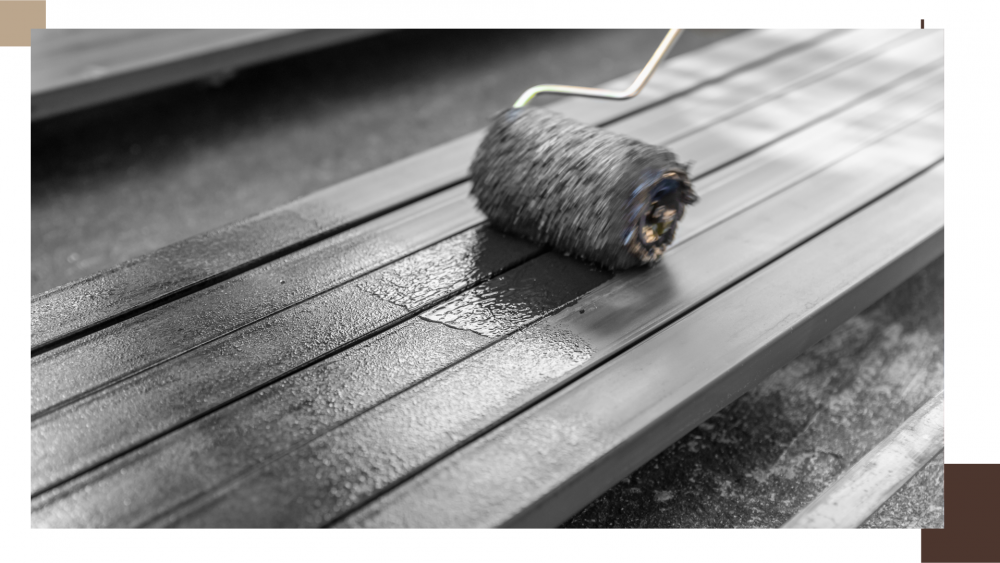
Anti-rust liquid is a coating designed to prevent the steel surface from coming into direct contact with air and moisture. When applied to the metal surface, the liquid forms a thin film that protects against corrosion factors such as water, moisture, and oxygen.
The general working principle of anti-rust liquid is
- Coat the metal surface to create a protective layer
- Reduce contact between metal and moisture
- Slow down the oxidation reaction that causes rust
In industrial applications, anti-rust solutions are commonly used on:
- Machinery
- Metal parts
- Steel structures
- Hand tools
Because it helps reduce corrosion and extends the lifespan of the metal
How to fix rusted steel using an anti-rust solution
Although using an anti-rust solution is not complicated, achieving good results requires following proper steps.
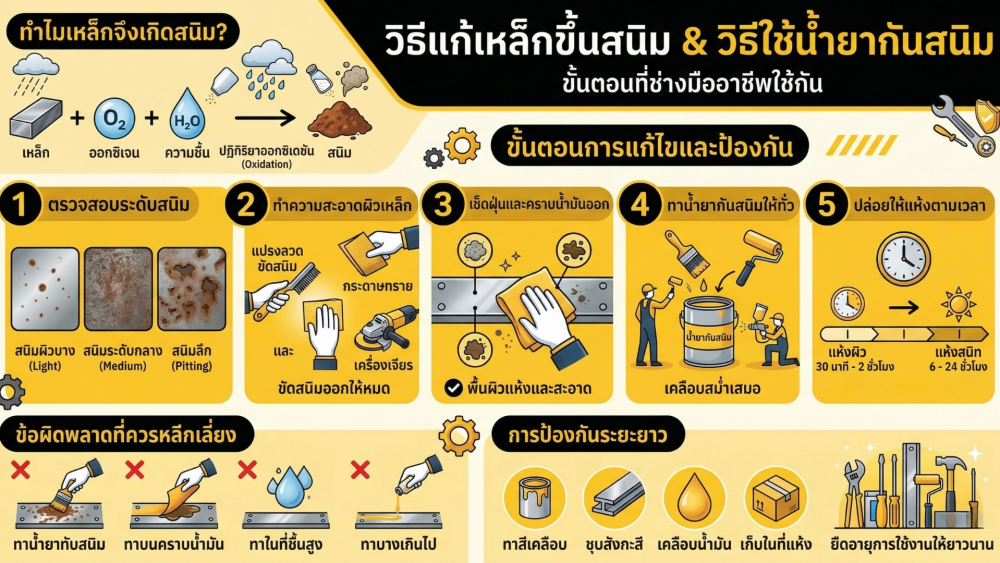
Inspect the level of rust first
Before starting repairs, observe the condition of the rust to see what level it is at.
Generally, it can be categorized into:
- Surface rust: Usually appears as brown spots on the steel surface, not yet deeply corroded
- Moderate rust: Corrosion starts to become visible, and the steel surface is uneven
- Deep rust: The steel surface begins to pit or flake
Assessing the rust level will help you choose the most appropriate treatment method.
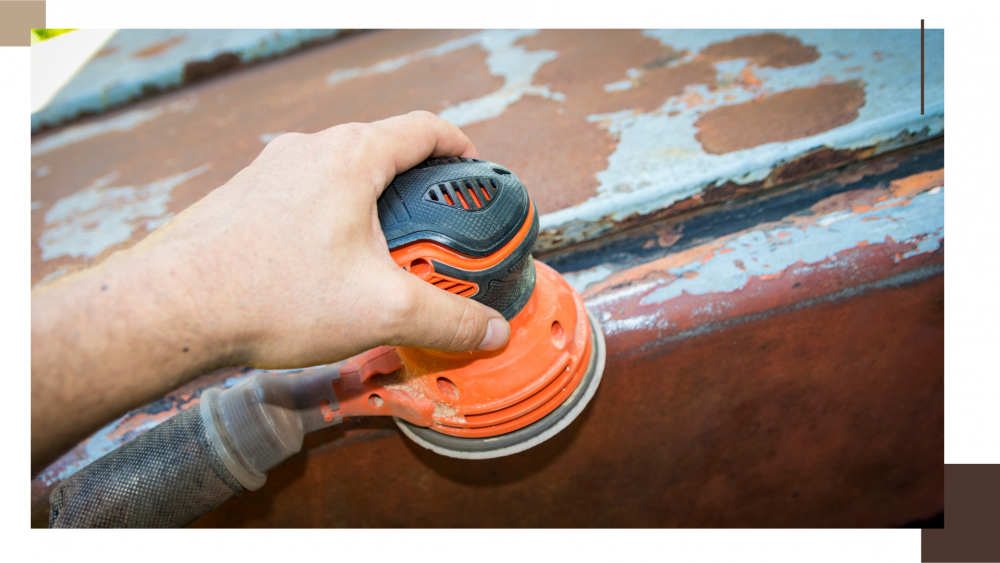
Clean the steel surface
Important steps before application Rust Inhibitor is to prepare and clean the surface
Common methods include:
- Using a wire brush to scrub rust
- Using sandpaper
- Using a grinder
Removing rust smooths the surface and helps the anti-rust primer adhere better to the steel surface.
Wipe away dust and oil stains
After scrubbing the rust, clean the surface thoroughly once again.
Things to watch out for include:
- Dust
- Grease stains
- Oil stains
Because these can prevent the coating from adhering properly
Apply the anti-rust solution evenly over the entire surface
Once the surface is clean, you can start applying the anti-rust solution.
Popular methods include:
- Using a paint brush
- Using a paint roller
- Using a sprayer
It should be applied evenly across the surface to ensure the protective layer covers all areas of the metal.
Allow it to dry for the specified time.
Each type of rust preventative has a different drying time, typically taking approximately:
- 30 minutes – 2 hours for touch dry
- 6 – 24 hours for completely dry
Allowing it to dry properly will help enhance the durability of the coating layer.
Can rust preventative be used on rusted steel?
This is a frequently searched question when starting to repair rusted steel. The answer is: It can be used, but the surface should be prepared first. If the rust is light, lightly scrubbing it off and then applying the rust preventative is sufficient. However, if the rust is thick or deeply pitted, remove as much rust as possible first so the coating can adhere well to the metal surface.
Common mistakes people make when using rust preventative
Although rust preventative is easy to use, common mistakes often occur in actual work:
- Applying directly over rust without scrubbing it off: If rust remains beneath the coating, it can continue to spread underneath the surface.
- Applying onto oily surfaces: Oil stains prevent the coating from adhering properly to the metal surface, which may cause it to peel off quickly.
- Applying in high-humidity areas: High humidity can slow down drying time and reduce the effectiveness of the protective coating.
- Applying too thinly: Applying the coating too thinly may not effectively protect against moisture.
How to prevent steel from rusting in the long term
In addition to using rust inhibitors, there are other ways to reduce the chances of rust forming, such as:
- Painting and coating
- Galvanizing
- Oil coating
- Storing in a dry area
Using multiple methods in combination can help extend the service life of steel.
Conclusion
Rusted steel does not mean it cannot be fixed. If the rust has not penetrated deep enough to cause structural damage, we can manage it and prevent it from spreading.
The key steps are:
- Inspect the level of rust
- Sand and clean the surface
- Coat the surface with Rust Inhibitor
- Allow the coating to dry properly
Proper surface preparation and application will help the coating perform at its full potential and extend the steel's lifespan for years to come.
In technical work, the difference between steel that lasts for years and steel that rusts again often comes down to simply a small step like surface preparation before application Rust Inhibitor and that's all.