


 EN
 ไทย


Customers Also Purchased


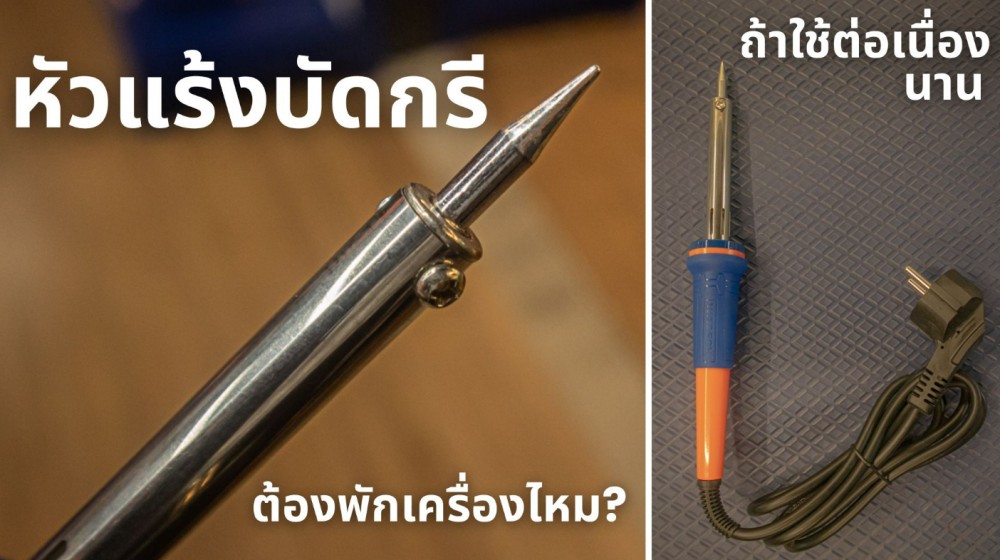
Many people start using Soldering iron for DIY projects and often wonder: if using it continuously for a long time, does the tool need to be rested? It might seem like a small question, right? But it directly affects tool lifespan, safety, work quality, and the way we use our tools.
Moreover, since different soldering iron models operate differently—standard models versus temperature-controlled models have different answers, and small tasks versus high heat-demand tasks differ even more—does the "rest" we think of actually mean turning off the device, or just pacing the usage properly so heat doesn't build up and damage the tip or heater?
In this article, we will go through the key points together: when should you rest a soldering iron, what signs indicate that you should stop or be more cautious, and if you want smooth operation, quality results, tips that don't wear out quickly, and safety for both the tool and the user—what should you look out for and how should you use it?
How Long Can a Soldering Iron Run Continuously?
What Is a Soldering Iron? What Is It Used For? When you picture a long-handled tool with a pointed tip that heats up quickly and melts solder, that image is certainly correct. What we might overlook, however, is that each type generates and regulates heat differently. Some models have fixed wattage, some feature temperature control, and others are full soldering stations. General soldering irons usually strike a balance between convenience and affordability.
Soldering Iron Won't Stick! What Is the Real Cause? The key point is that it doesn't break down simply from being left on for too long; rather, it breaks down from being left on with improper heat management. If it's a well-designed model with a quality tip, a reliable heater, and used at the correct temperature for the job, it can run continuously for a fairly long time.
Therefore, the real question isn't just "Do I need to rest the tool?", but rather what type of soldering iron you are using and how you are using it.
Leaving It Idle vs. Continuous Use: Not the Same Thing?
Many people might wonder: if they work continuously for an hour, does that mean the soldering iron is working hard the entire hour? In reality, if you pick it up, touch the solder joint for a few seconds, and put it back on the stand in repetitive intervals, the soldering iron has time to recover, rebalance its thermal equilibrium, and experience periods where the heating element isn't working at maximum load.
Conversely, leaving a soldering iron turned on and idle for long periods without use can damage the tip much more. The tip's surface is exposed to oxygen at continuously high temperatures, degrading the plating, preventing solder from adhering, and leading to what technicians commonly call a "dead tip" or "oxidized tip."
Do You Need to Rest a Soldering Iron During Long Sessions?
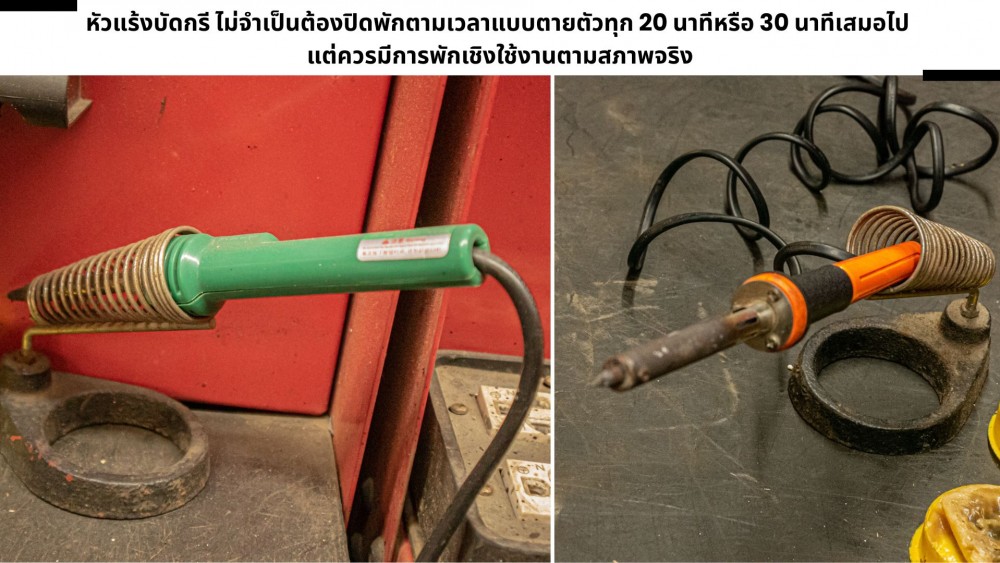
If you are working continuously, actually soldering throughout, and the tool still maintains its temperature, the tip wets solder well, there is no unusual burning smell, the handle isn't uncomfortably hot, and you have a safe stand, you can keep going. However, you should still take short pauses to clean the tip, tin it with a bit of solder, and periodically monitor the soldering iron's condition.
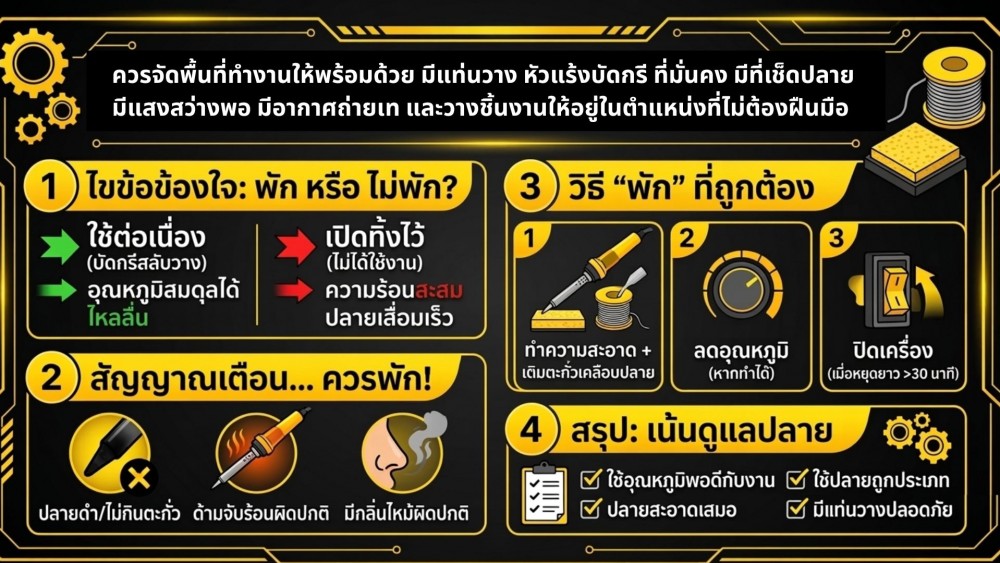
In practice, resting a soldering iron mainly involves:
- Resting the tip This means lifting it from the workpiece, wiping or cleaning the tip, applying a thin coating of solder (tinning), and then resuming work.
- Resting the temperature This applies when using a temperature-controlled model; if you know you will pause for a certain period, temporarily lower the temperature.
- Truly resting the tool This means turning the tool off when you know you will take an extended break, such as preparing new workpieces, assembling components, inspecting circuits, or stepping away to do other tasks for a while.
Sometimes you don't need to watch the clock strictly to know that a soldering iron is being overworked or has reached a state where it needs a rest. Common warning signs include the tip turning black unusually fast, poor solder wetting, needing to hold the tip on joints longer and longer, an unusually hot handle, and even the smell of hot insulation or strange burning odors. Is an extremely hot soldering iron normal? How to prevent issues for smooth operation
Factors That Cause a Soldering Iron to Overheat, Fatigue, or Degrade Quickly
The question about resting the tool can be answered much more accurately if we understand what actually accelerates equipment degradation. The problem isn't the number of hours it's kept on, but a collection of small habits that accumulate and cause the tool's lifespan to be several times shorter than it should be.
1. Using unnecessarily high temperatures
High temperatures accelerate the oxidation of the soldering iron tip, causing flux to burn quickly, solder to adhere poorly to the tip, and increasing the risk of damaging circuit boards or electronic components—especially on small jobs or micro-device repairs.
When the temperature is too high, the need for resting increases accordingly because the tip is constantly under stress. Even if the heater is durable, once the tip degrades, the work becomes sluggish, and we tend to crank up the temperature even further. This creates a cycle that makes the entire soldering iron work unnecessarily hard.
2. Leaving it on without tinning the tip
This is one habit that silently harms your soldering iron. During short breaks, many people place it right back on the stand, leaving the dry tip sitting at high temperatures.
In reality, the tip should always have a thin coating of solder, especially before resting it on the stand, because this solder layer helps protect the surface from air to a certain extent. If you leave the tip dry for a long time, the surface oxidizes quickly. When picked up again, it feels like the soldering iron isn't sharp or working well, even though the problem lies in tip maintenance rather than the tool's wattage.
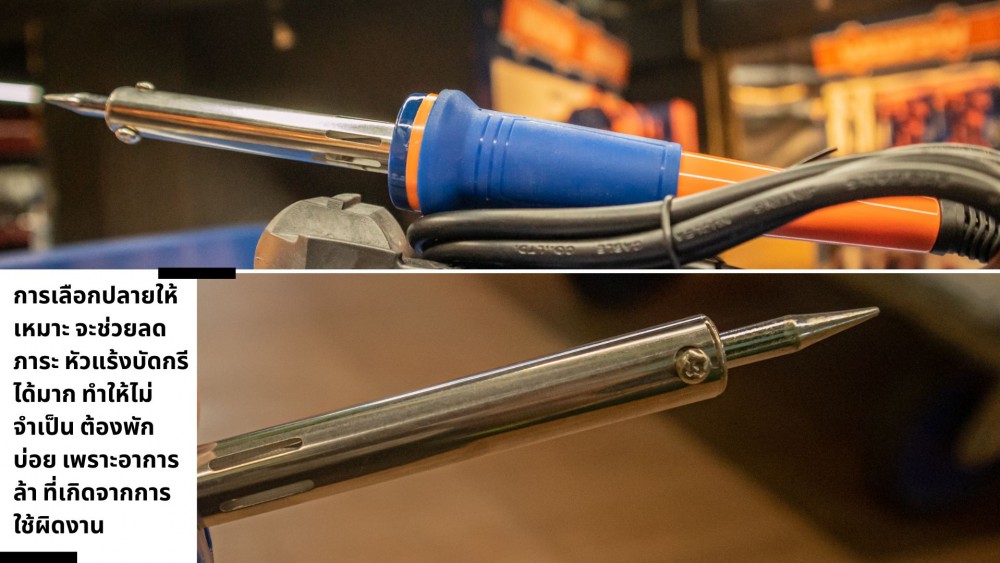
3. Using the wrong tip for the job
Soldering irons don't just come with pointed tips. Using a tiny pointed tip for every task isn't always the best choice.
If you use an extremely small tip to solder thick wires, large ground planes, or heat-sinking terminals, the soldering iron has to transfer heat exceptionally hard. This makes the tool feel weak, takes a long time, and feels like you have to hold the iron on the joint for ages until everything is strained—when in fact, the issue may simply be insufficient contact area on the tip.
4. Cleaning the tip incorrectly
Another common mistake soldering iron users make is aggressively scraping the tip or scrubbing it with hard objects under the impression that it will make it cleaner.
In truth, soldering iron tips have a protective plating that should never be damaged. Wiping with a properly dampened sponge or brass wire cleaner designed for soldering is much safer. If scraped too hard and the plating is ruined, the tip degrades permanently and quickly; no matter how often you rest the tool, the soldering iron may never work smoothly again.
How should you pace your work during long, continuous hours?
Actual soldering work can easily take more than 10 or 15 minutes. Some days you might need to repair several points consecutively. This immediately raises the question: how should we pace our work? In this case, I recommend working in batches rather than dragging it out continuously—for example, prep the workpieces first, then do the actual soldering. Once a batch is finished, pause to inspect the work, wipe the tip, tin it with fresh solder, and place it properly on the stand before starting the next round.
This approach prevents the soldering iron from being continuously strained and allows you to check work quality periodically. If you have a temperature-controlled model, set it according to the actual task rather than leaving it maxed out all day. If you know you'll be stepping away for a while, turn the temperature down; doing this preserves tip life much better than letting it sit hot for hours.
Which types of work require special care regarding resting the tool?
Working with thick wires, battery terminals, or heavy heat sinks tends to make the soldering iron work harder than typical jobs. Heat is constantly being drawn away from the tip, tempting us to raise the temperature or hold the iron on the joint longer.
If you have to do this kind of work continuously, frequently pause to check the tip's condition and verify whether the tip being used is suitable for the job, rather than jumping to the conclusion that the soldering iron simply needs to rest.
As for SMD work or delicate boards, even though they don't draw much heat, they require an extremely stable and clean tip. If you let the soldering iron sit hot for too long until the tip begins to oxidize, work quality can drop. Therefore, small jobs also require knowing when to pause, but the reasons differ from heavy-duty tasks.
Is it really true that expensive soldering irons never need to rest?
Not really. It's just that good-quality soldering irons can withstand heavier use, feature more accurate temperature control, and recover faster. Some models have sleep or auto-standby modes, which greatly help reduce damage from being left on.
However, no matter how good the model is, the tip can still degrade if used at excessively high temperatures, left idling without being tinned, or used with the wrong tip type continuously for long periods. So, having a good tool doesn't mean it requires no maintenance; it just makes maintenance easier and provides more margin for error.
Using a soldering iron continuously and smoothly without worrying about rest breaks
If you want to use a soldering iron continuously without having to worry every ten minutes, what helps the most is a good working procedure starting from the basics, such as:
- Select the right temperature for the solder and workpiece
- Use the right tip size for the solder joint
- Keep the tip clean, but do not scrape it harshly
- Always tin the tip with solder when resting
- Do not leave it on unnecessarily
These sound very basic, but it is precisely these basics that allow soldering irons—even inexpensive or mid-range ones—to perform well for a long time.
Conclusion: What soldering iron users should keep firmly in mind
To sum it up most clearly: There is no fixed answer for how many minutes a soldering iron should rest, as it depends on the model used, the nature of the work, and heat management during operation.
Many soldering iron models can be used continuously, but that doesn't mean they should be left on for long periods without monitoring the tool's condition, tip, or workflow rhythm. Because the word "rest" doesn't always mean turning the tool off; it can simply mean using it in moderation and not letting heat build up to the point of damaging the tip or heating element.
If you use the right temperature, take good care of the tip, and don't leave it idling hot, a soldering iron can operate continuously for a reasonably long time. But if the tip turns black, won't take solder, work becomes sluggish, or the handle gets abnormally hot, those are signs that it's time to take a break.
Understanding the balance and moderation among time, heat, and work rhythm will allow you to use Soldering iron with more confidence, without having to constantly worry about when to stop and rest.