


 EN
 ไทย


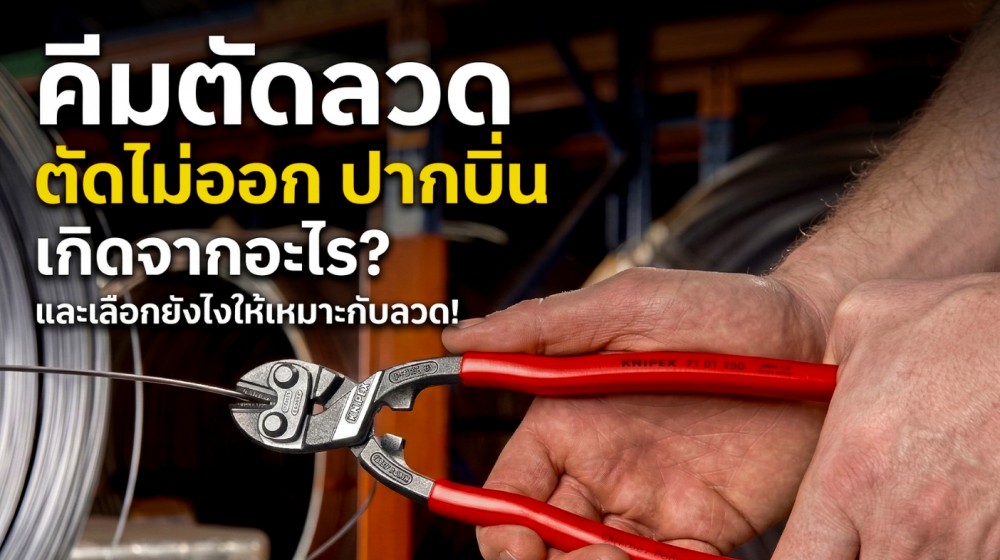
Ever been there? Squeezing as hard as you can, yet it just won't cut! It's truly a universal headache that both professional tradespeople and general users inevitably face: using wire cutters to snip wires or cables, squeezing with all your might, only for the wire to stay intact—and when you look closely at the jaws... oops! The cutting edges are chipped!
Many people might think, "Well, Wire Cutters the one I have is just junk!" But believe it or not, in many cases, chipped cutting edges or pliers that fail to cut aren't caused by the quality of the wire cutters alone, but rather by "choosing the wrong tool for the job." In this article, we will take you on an in-depth journey to find out what the real cause is, along with an essential buying guide for wire cutters that fit your needs, feel comfortable in your hands, and offer long-lasting durability—a buy-it-once tool that's truly worth every single baht!
Why Do Wire Cutters "Fail to Cut" and Get "Chipped Edges"?
Before we dive into how to choose the right pair, let's understand the root cause of this problem first, so you don't accidentally ruin your favorite wire cutters again. From our experience talking with technicians, whenever pliers break, people usually resort to the popular complaint: "This brand of wire cutters is terrible! It broke right after I bought it." But in reality, wire cutters breaking due to poor quality happens far less often than breaking from "improper use"!
Now, imagine this: if you used a fruit paring knife to chop pork bones, the knife would probably chip or break, right? The exact same principle applies to wire cutters. A chipped cutting edge, distorted cuts, or squeezing until your hands shake without cutting through the wire usually stem from 4 main mistakes we might make unknowingly.
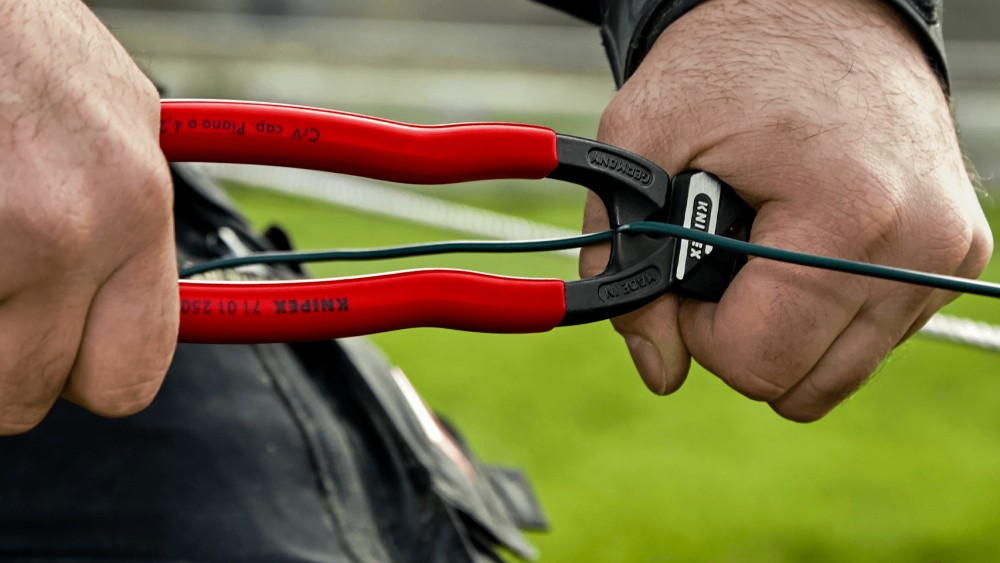
1. Using Wire Cutters on Materials Harder Than the Cutting Edges
This is the #1 cause of wire cutter jaw damage. The simple engineering principle is: a harder material will always destroy a softer material. Different types of wire cutters are designed with varying jaw hardness levels. If you use "cable cutters" (designed to cut copper, which is very soft) to cut "spring wire" or "piano wire" (which has extremely high hardness), it's not the wire that will break—it's your cutter jaws that will chip and shatter instantly.
2. Improper Cutting Technique
Often, when we squeeze wire cutters and the wire doesn't cut through, most people's instinctive reaction is to twist and bend their wrist, rocking back and forth hoping the wire will snap. Doing this exerts lateral shear stress on the jaws, whereas wire cutters are designed to withstand only direct, straight-on compressive force. Twisting the pliers while the jaws are clamped onto the wire can cause the cutting edges to chip, notch, or even cause the pivot joint of the wire cutters to loosen and become permanently damaged.
3. Substandard Material Grade of the Wire Cutters
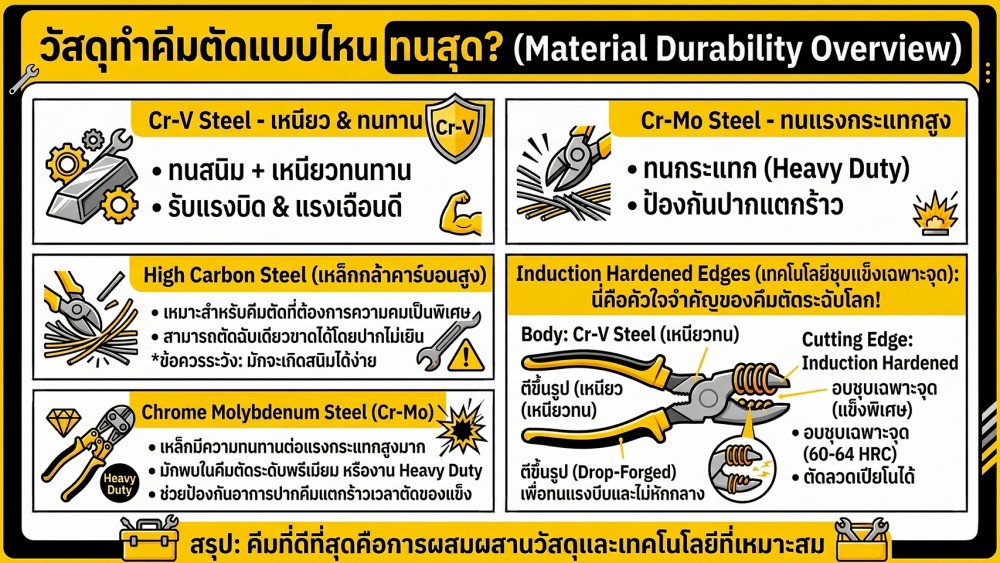
It cannot be denied that "you get what you pay for" still rings true in the tool industry. If you use ultra-cheap pliers made from low-grade steel without hardened cutting edges, the cutting edges will easily deform or chip, even when cutting wires that aren't particularly hard, simply because the steel lacks sufficient resistance strength.
4. Attempting to Cut Wires That Are Too Thick
Every wire cutter has clear specifications stating the maximum diameter it can cut for hard wire and soft wire. If you force a small pair of wire cutters to cut thick steel wire, not only will your hands become exhausted to the point of cramping, but the immense compressive force exerted on the jaws may cause them to splay open, never closing properly again.
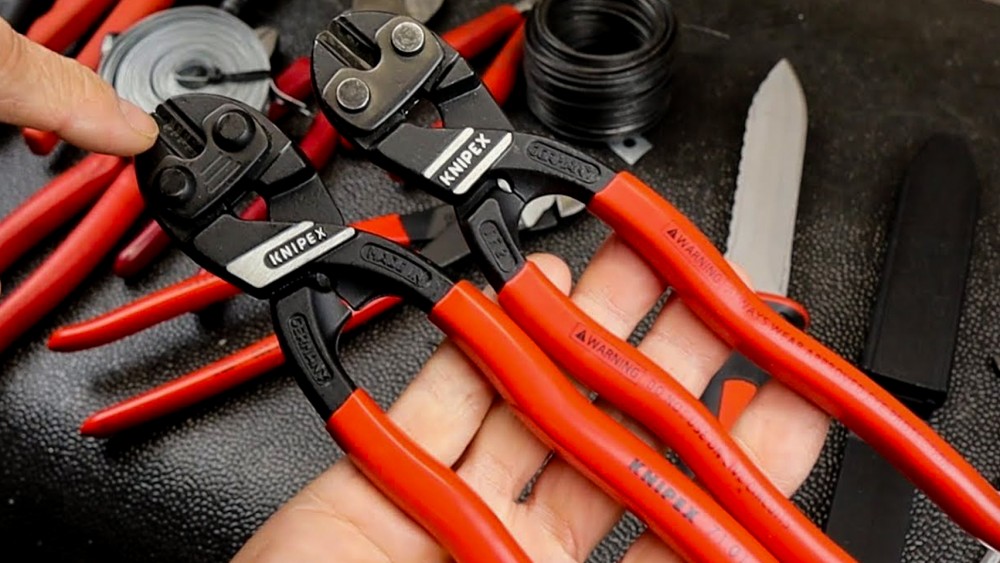
Clearing the Doubts! Wire Hardness
To choose the right wire cutters, we first need to know our enemy: the wire itself. In industrial contexts, wire is generally categorized by hardness into 3 main levels:
Soft Wire
Whether it is copper electrical wire, aluminum wire, plastic-sheathed cables, or signal cables (LAN, telephone wires), which are soft and very easy to cut. You can comfortably use standard cable cutters, combination pliers, or plastic cutting pliers to cut them without damaging the cutting edges.
Caution: Even though it is soft, using pliers with jaws that are too large and thick (such as bolt cutters) to cut small electrical wires can sometimes result in the jaws not closing flush enough, causing the wire to bend or become harder to cut cleanly. Choosing pliers with thin, razor-sharp edges will deliver much cleaner cuts.
Medium Hard Wire
Construction rebar tie wire, common nails, clothesline wire, chicken wire, and large paper clips, which possess the hardness of steel combined with a certain degree of toughness. Cutting these requires pliers made from alloy steel (such as Chrome Vanadium) with induction-hardened cutting edges.
Standard 7-8 inch diagonal cutting pliers typically specify a cutting capacity for medium-hard wire with a diameter of about 2.5 - 3.2 mm.
Very Hard Wire / Spring Wire (Hard Wire / Piano Wire)
Examples include piano wire, wire rope, springs, stainless steel wire, hardened self-tapping screws, and concrete nails. These are extremely hard with exceptionally high tensile strength! Cutting this type of wire requires dedicated wire cutting pliers specifically rated for cutting Piano Wire only. Never use general-purpose pliers to cut them!
Safety warning: Cutting spring wire or piano wire with high squeezing force often causes severed wire ends to "whip or fly off" forcefully. Professional technicians should always wear safety glasses. In fact, some brands even produce special models equipped with a "wire catcher" specifically designed to prevent wire fragments from flying into your eyes.
Tip: If your job requires cutting large cables packed with multiple fine copper wire strands inside, it is recommended to use "Cable Cutters" with crescent-shaped jaws instead of general-purpose wire cutters. This blade design gathers the wire bundle without fraying it, leaving a clean, round cut ready for immediate crimping with terminals!
Choose wire cutting pliers to finish jobs quickly and effortlessly
Here comes the main highlight! If you are about to buy a new pair of wire cutting pliers, we have key criteria for your consideration, along with an in-depth look at using various types of cutting pliers to best match your applications. You can be sure that after reading this, you will make the exact right choice.
Check the HRC specification (cutting edge hardness)
Before buying, check the packaging or product specifications. If you need pliers to cut hard wire or nails, look for "Induction Hardened" or a hardness rating of 60 HRC or higher. However, for general copper electrical wire, 55-58 HRC is sufficient.
Choose the right cutting edge profile for the job
Did you know? Wire cutting pliers come with several cutting edge profiles, which greatly affect the cut.
- Standard Bevel: Features thicker jaws for maximum strength and durability. Ideal for cutting hard wire, nails, and steel wire (leaves a V-shaped cut on the wire end).
- Semi-Flush: Suitable for cutting copper wire and cables, leaving a relatively smooth, semi-flush cut.
- Flush Cut: Designed for cutting workpieces extremely flush, such as trimming cable ties without leaving sharp burrs that can scratch hands, or cutting electronic components from circuit boards. Caution: The jaws of this plier type are very thin and delicate. Never use them to cut steel wire, as the edge will chip immediately!
Look for a high-leverage design if cutting hard materials frequently
This is a real game changer for professionals! High-leverage cutting pliers are designed with the pivot placed as close as possible to the cutting edges. Following the physics of levers, the closer the pivot is to the cut, the less force you need to apply to the handles! High Leverage pliers can reduce hand-squeezing effort by 20-50% compared to standard pliers of the same size. If you need to cut thick wire hundreds of times a day, investing in high-leverage pliers helps protect your wrist health (reducing the risk of trigger finger or Carpal Tunnel Syndrome as well).
Handle size and length of wire cutting pliers
- 5 - 6 inch length: Ideal for electronics, cutting small wires, DIY projects, and easy portability.
- Length 7 - 8 inches: An international standard size, suitable for electricians and general handymen. Comfortable grip, cuts general wires well.
- Length 9 - 10 inches and above: For heavy-duty tasks requiring high leverage, such as construction workers cutting rebar tie wire or thick nails.
Conclusion
Ultimately, the issue of wire cutters not cutting through or suffering chipped jaws doesn't have a single cause. It could stem from poor-quality pliers, dull cutting edges, a stiff pivot, or improper usage. However, the most common issue you should watch out for most is using wire cutters that don't match the hardness of the wire. If there's just one simple rule to remember, it's that before buying wire cutters, don't just look at whether they are sharp or comfortable to hold. Ask yourself first what kind of wire you'll be cutting—soft, medium, or hard—and how often you'll be cutting it. Choosing the right tool for the job from the start will give you better cut quality, require less effort, extend the tool's lifespan, and significantly reduce the chance of unnecessary chipped jaws.
Select Wire Cutters to suit the application