


 EN
 ไทย



Customers Also Purchased
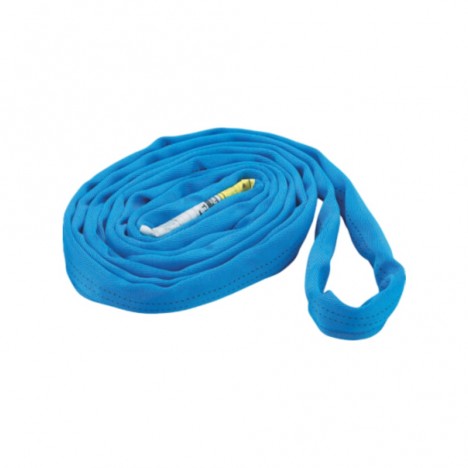
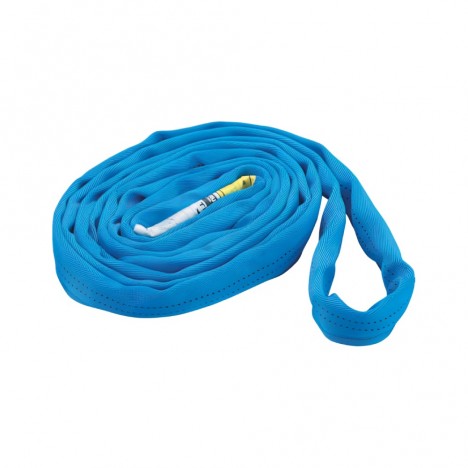
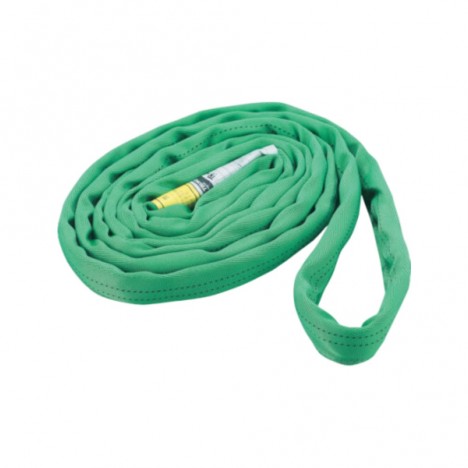
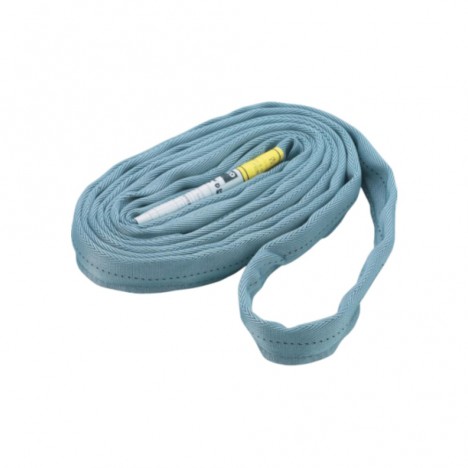
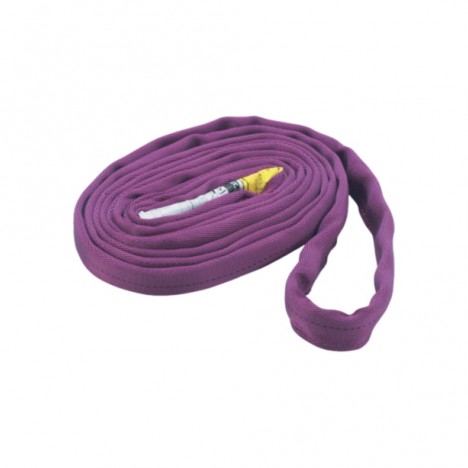
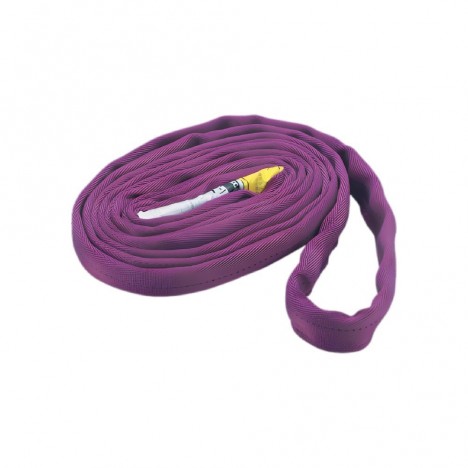
In the world of logistics, warehousing, construction, and heavy industry, there are many types of equipment used for lifting, moving, and securing heavy loads. However, one of the most common confusions is distinguishing between Lifting Belt Slings and webbing slings.
At first glance, both look very similar because they are high-strength fabric straps used for lifting or securing loads. Consequently, we often see them mistakenly used interchangeably, such as using cargo tie-down straps to lift machinery or using webbing slings to strap loads onto a truck.
The problem is that even though both types of equipment look similar, they are actually engineered for completely different applications. Choosing the wrong equipment can cause damage to goods, equipment, or in more severe cases, lead to workplace accidents.
This article will guide you through an in-depth understanding of
- what a lifting strap is
- What is a webbing sling?
- What is the difference between the two?
- Which type of equipment should be used for which kind of job?
So you can choose the most suitable and safest equipment for your application.

What is a cargo lashing strap / lifting belt?
Lifting Belt Slings Or what many people know as
- Ratchet Tie Down
- Cargo tie-down strap
- Ratchet Strap
- Cargo Strap
is equipment used for strapping, securing, or supporting cargo to prevent movement during transportation or relocation Although the Thai name contains the word "lifting", the primary function of this equipment is not vertical lifting like a crane or hoist, but rather creating tension to secure objects in place
Structure of a Cargo Lashing Strap
General cargo lashing straps usually consist of 3 key components:
1. Polyester webbing strap: This is the most popular material used because it is strong, has high tensile strength, and does not stretch much under load.
2. Locking mechanism (Ratchet or Cam Buckle): Functions to adjust the strap tension; once tightened, the strap stays tensioned and locked without loosening.
3. Hooks or end fittings: Used to hook onto vehicle frames, pallets, or various anchor points
This structure allows the ratchet strap to generate high tension, ensuring that goods are firmly secured to surfaces or structures
Common Applications
Ratchet straps are used in many situations, such as:
- Securing cargo on pickup trucks
- Securing cargo in trucks
- Strapping product pallets in warehouses
- Securing machinery during transport
- Strapping furniture during home relocations
In logistics and transportation, ratchet straps are considered an essential, indispensable tool
Key Advantages of Ratchet Straps
The reasons why this equipment is popular include:
- Easy to use
- Adjustable tension
- Lightweight
- Affordable price
- Suitable for strapping various types of cargo
However, despite their high tensile strength, ratchet straps are not designed for vertical lifting
What is a Webbing Sling?
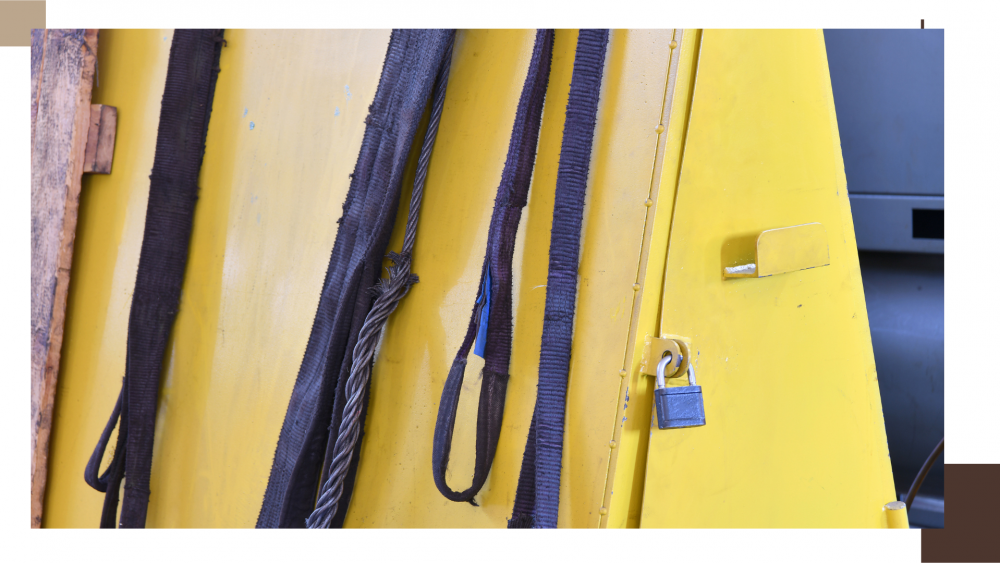
Webbing sling (Webbing Sling) is equipment designed for lifting heavy loads directly
commonly used with lifting equipment such as
- cranes
- hoists
- forklifts
- overhead factory cranes
Webbing slings are very popular in industrial applications because of their high flexibility and non-damaging effect on object surfaces.
Structure of a webbing sling
Webbing slings are specifically designed to withstand lifting forces.
The main structure consists of:
1. Multi-ply polyester webbing woven in layers to increase strength
2. Eye Loop used for hooking onto crane hooks or hoists
3. Load limit tag (WLL – Working Load Limit) specifies the load-bearing capacity of the sling
Webbing slings are usually manufactured according to industrial standards to safely withstand heavy lifting loads.
Application examples
Webbing slings are commonly used for applications such as:
- Lifting machinery
- Lifting steel
- Lifting pipes
- Lifting molds
- Lifting construction materials
- Lifting engines
Using slings helps ensure heavy lifting is carried out safely and with good control
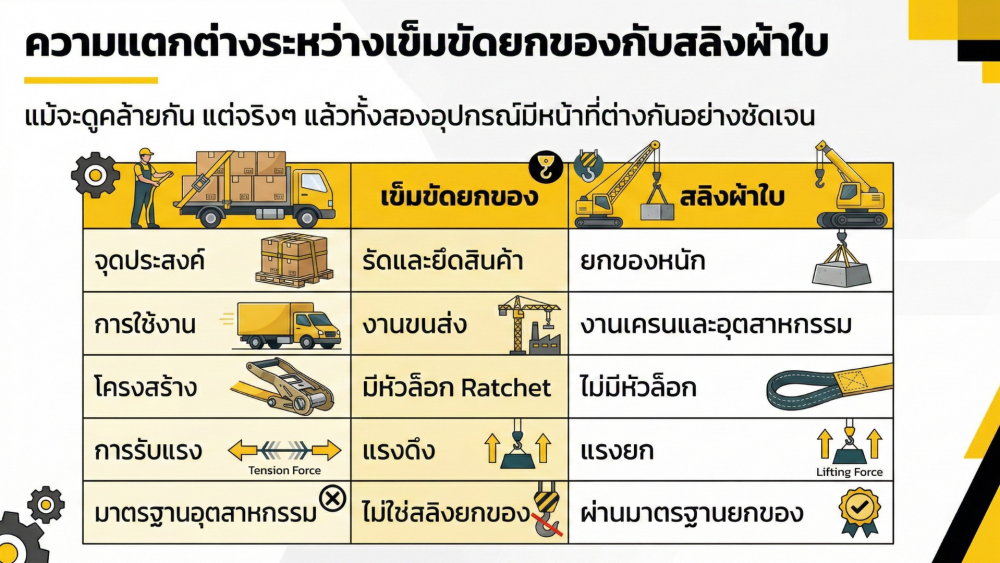
To sum up simply:
Lifting belts/straps = Used for securing cargo; Webbing slings = Used for lifting heavy loads
What kind of work should lifting straps be used for?
Lifting straps are suitable for tasks requiring Securing or strapping objects in place
For example,
Cargo transport operations
In logistics, securing cargo is a crucial step. If goods shift during transport, damage can occur.
Lifting straps are therefore used to
- Securing cargo in trucks
- Securing cargo on pickup trucks
- Secure palletized goods
House moving work
When transporting furniture, such as:
- Refrigerators
- Wardrobes
- Sofas
Straps are often used to prevent cargo from tipping over during transport.
Warehouse operations
In large warehouses, straps help make goods stored on pallets more stable.
What kind of work should webbing slings be used for?
Webbing slings are suitable for work requiring: Lifting heavy loads off the ground For example,
Factory work
Lifting machinery or molds often requires webbing slings because they can handle loads of several tons.
Construction work
For example,
- Lifting steel beams
- Lifting pipes
- Lifting construction materials
Slings allow heavy loads to be lifted safely.
Machinery maintenance work
When machinery needs to be lifted for maintenance, webbing slings are commonly used equipment.
Risks of using the wrong type of equipment
One of the most common mistakes is
Using cargo tie-down straps instead of lifting slings,
which can cause problems such as:
- Broken straps
- Damaged buckles/locking mechanisms
- Items falling from heights
- Workplace accidents
The reason is that cargo tie-down straps are not designed to withstand vertical lifting loads.
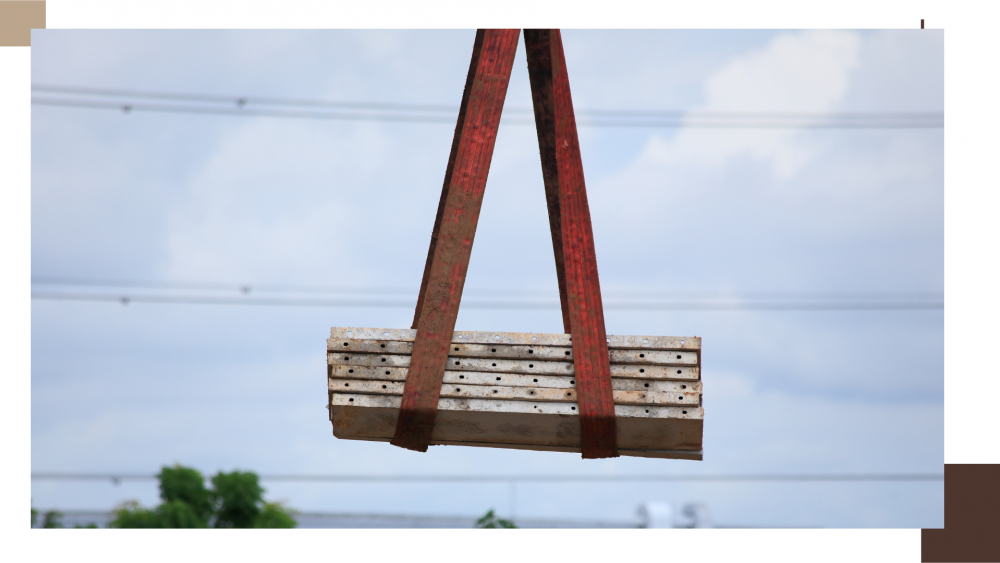
How to choose the right lifting equipment for the job
Before choosing equipment, the following factors should be considered:
Weight of the object
You must choose equipment that can support more weight than the actual weight of the object
Lifting method
If using a crane or hoist, webbing slings should be used
Shape of the object
Objects with sharp edges should use protective pads to prevent friction
Condition of the equipment
If the strap has tears or damage, it should be replaced immediately
Trends in industrial lifting equipment usage
Currently, the logistics and manufacturing industries are using tie-down straps and slings more often due to:
- Increased freight transportation
- Automated warehouse systems
- Workplace safety requirements
These tools have therefore become an essential part of the workflow
Conclusion
Although Lifting Belt Slings and Webbing sling may look similar, they are actually designed for distinctly different applications Lifting straps are suitable for Strapping and securing cargo in transport operations to prevent cargo from shifting during transit, whereas webbing slings are designed for heavy lifting in particular, capable of being used with cranes or hoists to lift large objects safely.
Choosing the right equipment for the task not only makes work more convenient and efficient, but also reduces the risk of accidents and helps extend the lifespan of the equipment.