


 EN
 ไทย


Customers Also Purchased
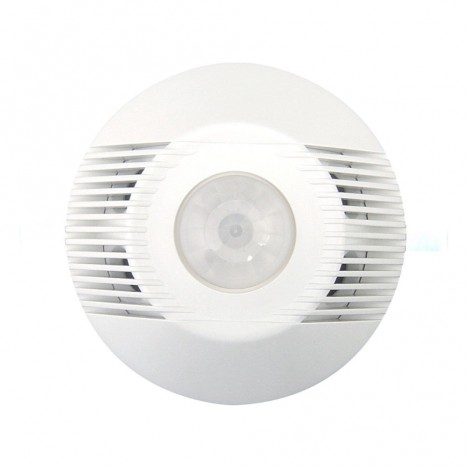
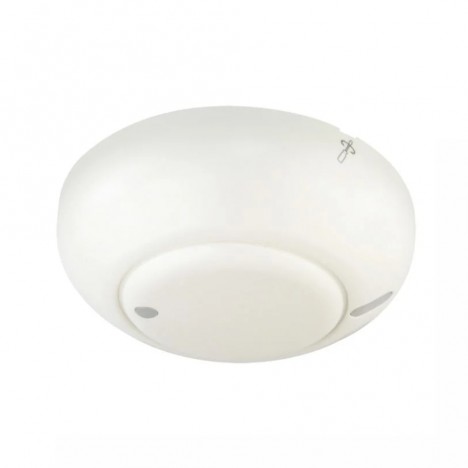
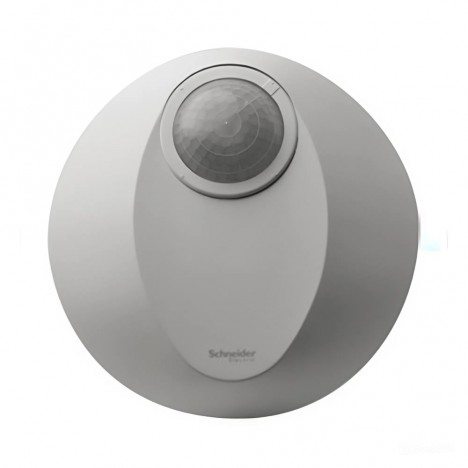
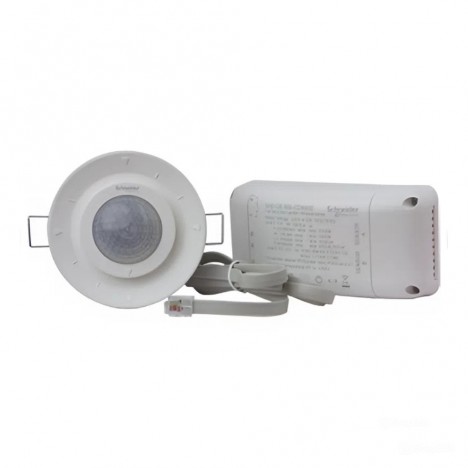
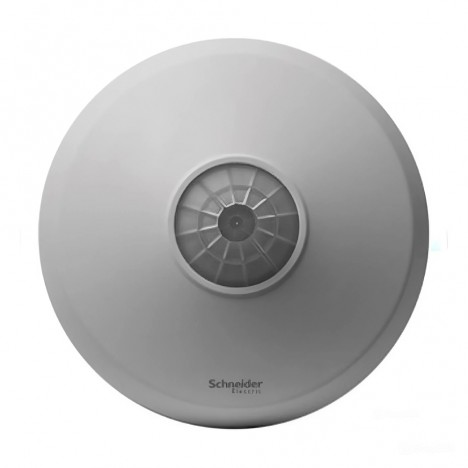
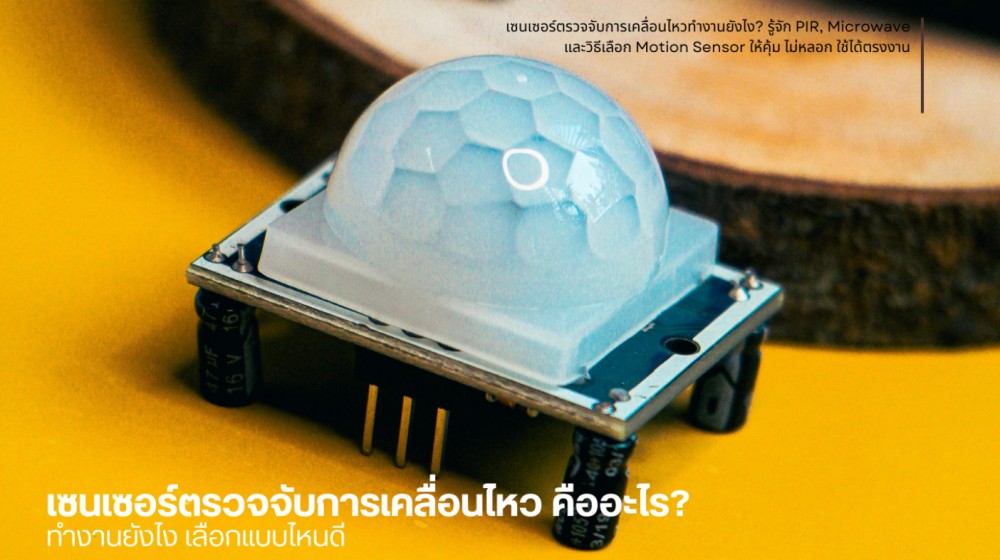
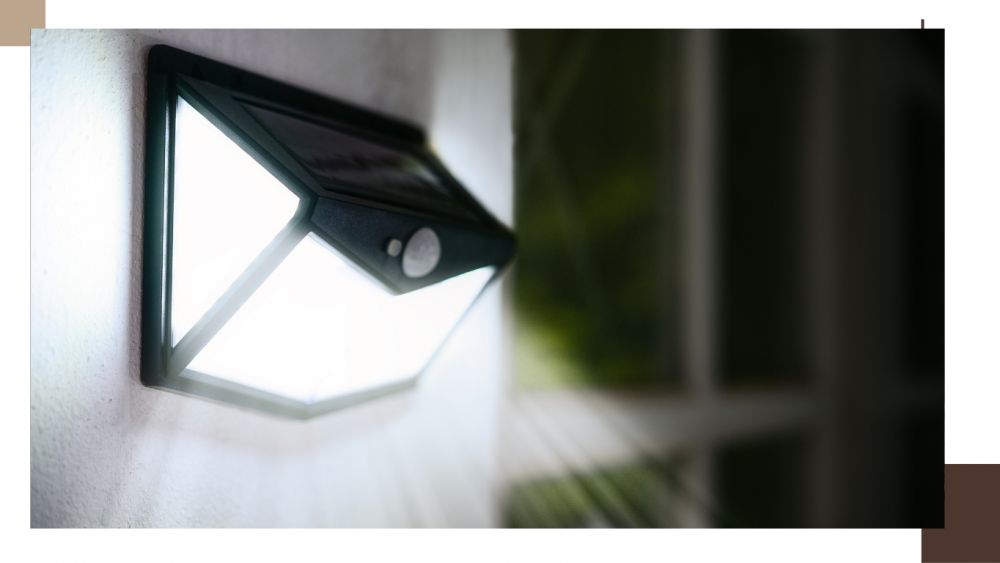
In modern homes, "lights turning on automatically" or "automated alert systems" have become commonplace. The device behind this smart functionality is the Motion Sensors (Motion Sensor), which is continuously gaining popularity in residential homes, commercial office buildings, and industrial facilities alike.
Despite its widespread use, many people still don't fully understand how this small device works, the differences between various types, and how to choose one that is "cost-effective and free of false triggers." This article will guide you from the basics and operating principles to practical selection tips—easy to understand for technicians and immediately applicable for homeowners.
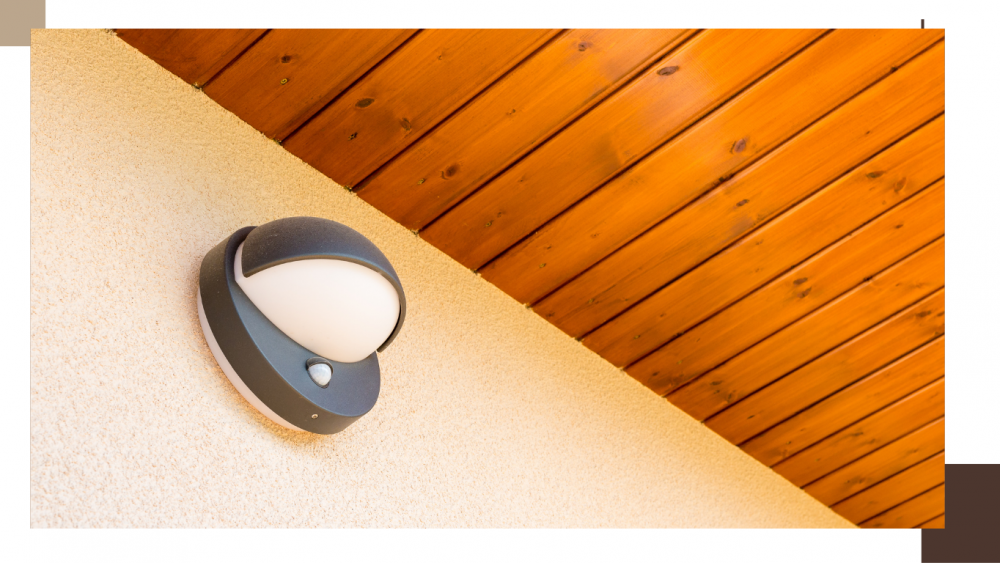
What is a motion sensor?
A motion sensor is an electronic device used to detect the movement of people, animals, or objects within a designated area, then automatically send an electrical signal to trigger other equipment.
Simply put:
Motion occurs → Sensor detects it → System operates
Connected endpoint devices typically include:
- Lighting
- Burglar alarm systems
- CCTV cameras
- Smart home systems
- Automatic doors
A key highlight of Motion Sensors is helping to "reduce human intervention" while simultaneously enhancing safety.
Why Motion Sensors Are Crucial in 2026
Trends in smart homes and energy-saving buildings have increasingly made motion sensors a fundamental device for 3 primary reasons:
1) Reduces Unnoticed Energy Consumption
In typical buildings, lights are often left on unnecessarily. However, when using motion sensors, lighting turns on only when people are actually present and turns off automatically when no motion is detected.
The result is:
- Reduces electricity bills
- Prevents forgetting to turn off lights
- Extends bulb lifespan
In medium-sized office buildings, utilizing motion sensors to control lighting can significantly reduce lighting energy consumption.
2) Enhances Area Security
Nearly all modern security systems utilize motion sensors as the "frontline" for detecting intruders. When movement is detected at unauthorized times, the system can:
- Trigger an alarm
- Send mobile notifications
- Turn on lights to deter intruders
- Record video from cameras
Significantly enhancing security for homes and buildings
3) The heart of Smart Automation
A smart home isn't smart just because it can be controlled via a smartphone, but because "the system can make decisions on its own," and the Motion Sensor is a key trigger, such as:
- Walking into a room → Lights turn on
- Walking out → Air conditioner turns off
- Someone walks by → Camera starts recording
The trend for 2026 is that Motion Sensors will be increasingly integrated with IoT continuously.
How Motion Sensors Work
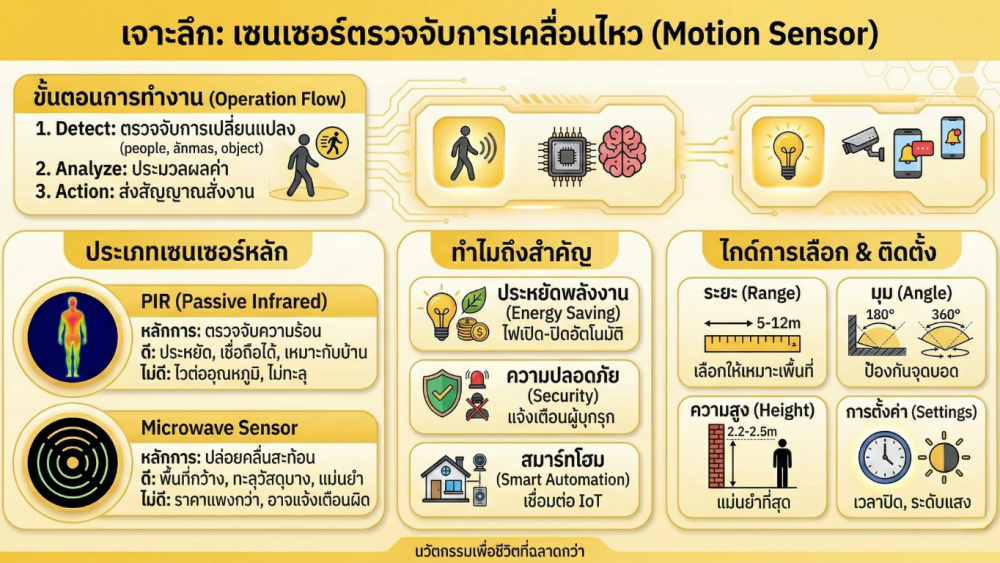
Despite multiple technologies, the basic operating principle of a Motion Sensor can be divided into 3 main steps:
Step 1: Detect changes in the area
The sensor monitors "certain values" in the area, such as:
- Thermal energy
- Microwave signals
- Wave reflections
- Image changes
When an object moves past, these values change immediately.
Step 2: Analyze whether it is actual motion
The internal circuitry processes the signal based on conditions, such as:
- Rate of change
- Object size
- Direction of movement
- Distance from the sensor
If criteria are met → Confirms that there is "motion"
Step 3: Send a signal to trigger an action
Once confirmed, the sensor sends an output such as:
- Relay signal
- Digital signal
- Signal to controller
This triggers the light to turn on or the alert to go off, as we see.
Types of motion sensors
In today's market, they are mainly divided into 3 key technologies:
PIR Sensor (Passive Infrared)
Working principle
- Detects "infrared heat" from human or animal bodies
- When someone walks past, the thermal field in the area changes, allowing the sensor to detect it.
Highlights
- Economical price
- Low power consumption
- Emits no waves
- Suitable for general households
Limitations
- Cannot detect through glass
- Sensitive to ambient temperature
- May detect pets
Suitable for: Home lighting, hallways, bathrooms
Microwave Sensor
Working principle
Emits microwave signals and measures reflections (Doppler effect)
Highlights
- Detects through certain materials
- Accurate in wide areas
- Not affected by temperature
Limitations
- More expensive than PIR
- May cause false alarms
- Consumes more power
Suitable for: Warehouses, factories, open spaces
Dual Technology Sensor
Combines PIR + Microwave
The system triggers only when "both systems agree"
Highlights
- Reduces false alarms
- High accuracy
- Suitable for security applications
Limitations
- High price
- Requires proper installation
Suitable for: Professional burglar alarm systems

Key specifications to know before choosing
Detection Range
Common values for homes:
- 5–8 meters
- 8–12 meters
Key understanding: Longer is not always better; it must suit the area
Detection Angle
Standard values:
- 90°
- 120°
- 180°
- 360° (ceiling)
Wrong choice = blind spots occur
Mounting Height
Generally for home PIR:
- 2.2–2.5 meters
Too high → Inaccurate detection Too low → Short range
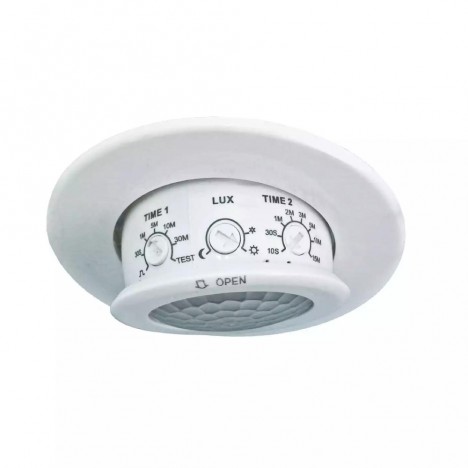
Time Delay and Lux Setting
Helps determine:
- How long the light stays on
- Whether it operates only in the dark
These two values have a significant impact on the user experience.
Future Trends in Motion Sensors
Technology is heading towards:
- AI motion detection
- Human presence sensor
- mmWave sensor
- Full IoT integration
In the future, sensors will "know it's a real person" not just that something is moving
What is a motion sensor?
Motion Sensors are essential devices that automate lighting and security systems. Today, several technologies are available, each suited to different applications.
If you choose the right type for your space and install it in the correct position, the system will operate accurately and cost-effectively in the long run. However, choosing the wrong type may lead to malfunctions or false alarms.