


 EN
 ไทย


Customers Also Purchased
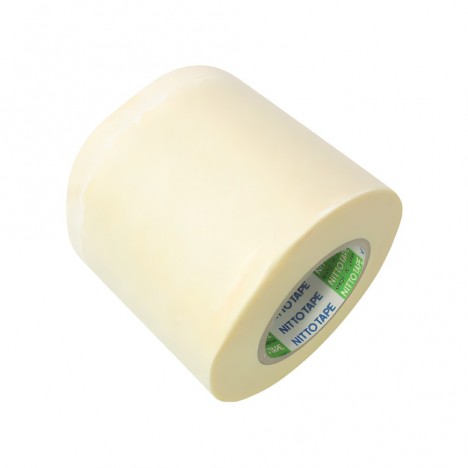


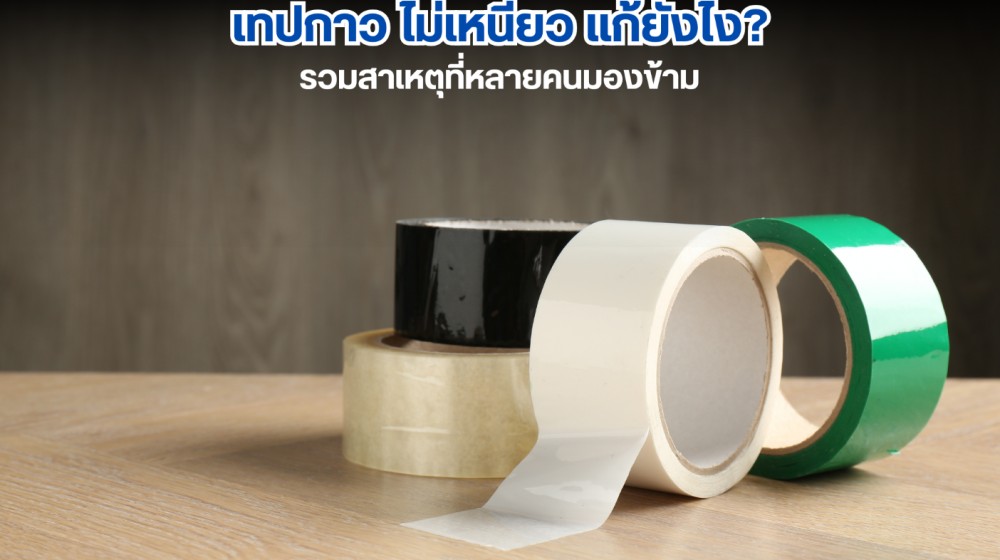
Have you ever applied Adhesive tape tape thinking the job was done, only to turn around and find the box popped open, the label peeled off, or the hung item unexpectedly falling down shortly after? The issue of "adhesive tape not sticking" happens very often—in homes, shops, and technical work alike. Yet many fail to address the root cause, assuming the issue solely comes from "tape quality."
In reality, the adhesiveness of tape doesn't depend on the adhesive alone, but also involves surface condition, temperature, application method, and storage. If you overlook these factors, even brand-new tape straight out of the box can peel off just the same. This article will guide you through a systematic checklist to understand why adhesive tape won't stick and how to properly fix it for a firm bond, along with tips to prevent it from happening again.
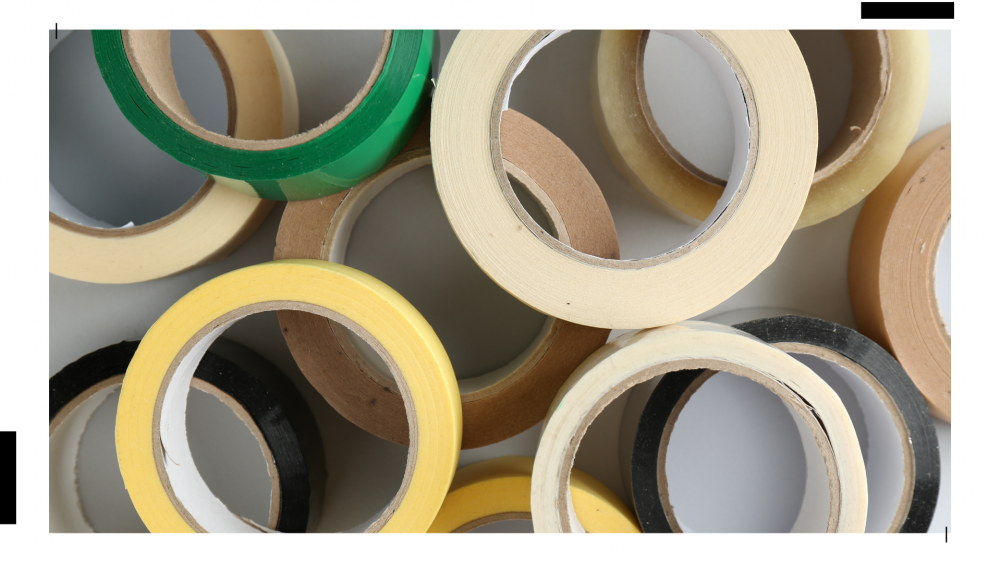
Why Is Adhesive Tape Not Sticking? Understand First to Fix It Right
Before diving into the solutions, it helps to briefly understand how adhesive tape works. Most tape adhesives are "Pressure-Sensitive Adhesives (PSA)"—meaning they require applied pressure for the adhesive molecules to penetrate and bond with the surface. Once pressed firmly, the adhesive achieves its full bonding performance.
However, if there are interfering factors such as:
- Dirty surface
- Unsuitable temperature
- Rough surface
- Deteriorated tape
Adhesion will decrease immediately, causing adhesive tape not to stick or to peel off more easily than usual. Simply put, adhesive tape isn't always "not sticky," but it might be used in unsuitable conditions.
Causes of Adhesive Tape Not Sticking
Below are the most common primary causes that are often overlooked.
1. The surface has dust, grease, or moisture
One of the most common reasons adhesive tape fails to stick is the surface condition prior to application. The tape's adhesive must make direct contact with the actual surface to achieve full bonding strength. However, in reality, many surfaces are coated with contaminants that we often fail to notice—whether fine dust particles, oil residues from hands, sweat, moisture, or even thin films of water vapor invisible to the naked eye.
When a layer of dirt sits between the adhesive and the substrate, the adhesive bonds to the "dirt" instead of the actual surface, drastically reducing bond strength. As a result, the tape appears to stick at first, but after only a short time, it begins to lift, peel, or pop open—especially in box sealing, sign mounting, or on plastic surfaces where greasy residues easily accumulate.
The mistake many people make is assuming the surface "looks clean." In reality, microscopic residues can still compromise adhesion. Therefore, wiping and cleaning the surface before applying tape is a small step that yields much bigger results than you might expect.
2. Unsuitable room temperature
The adhesive on most adhesive tapes is engineered to perform best at normal room temperature. If the temperature is too low or too high, bonding performance drops immediately, even with a brand-new roll of tape.
In freezing or very cold conditions, the adhesive molecules become stiffer, preventing the adhesive from flowing and penetrating the surface effectively. This causes adhesive tape to fail to stick firmly or to peel off shortly after application. Conversely, if the temperature is too high—especially in stifling rooms or sun-exposed areas—the adhesive can soften excessively, degrading quickly and losing its holding power prematurely.
Common scenarios include overly cold air-conditioned rooms, storage spaces with trapped heat, or packing goods inside a car parked under direct sunlight, all of which alter adhesive behavior without the user realizing it. Regulating an appropriate temperature prior to application is therefore another crucial factor in helping the tape perform at its best.
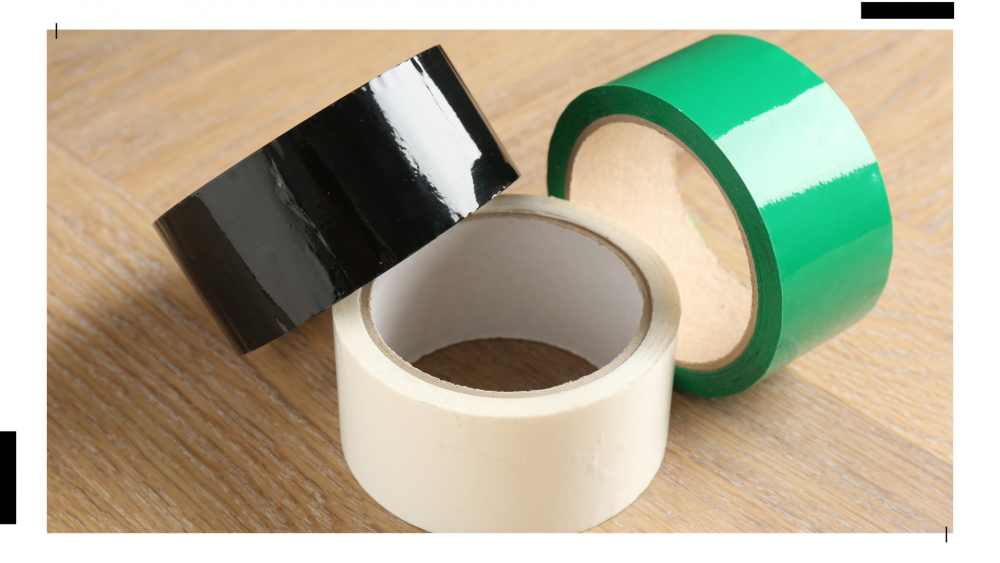
3. Old or overly aged adhesive tape
Although many people assume adhesive tape can be stored indefinitely, adhesive tape actually has its own shelf life. Over time, the adhesive compound naturally degrades—especially if stored in unfavorable conditions such as high temperatures, high humidity, or prolonged exposure to sunlight.
Deteriorating tape often shows clear signs, such as difficulty unrolling, a dulled adhesive surface, poor conformability, or peeling off more easily than usual. In some cases, users may mistake this for a product quality issue, when in fact it is simply the result of storing the tape beyond its optimal shelf life.
Generally, standard quality adhesive tape has a shelf life of around 12–24 months, depending on the adhesive type and storage conditions. Therefore, if you find that tape stored for several years begins to cause issues, replacing it with a new roll is usually a much more effective solution than forcing it to work.
4. Choosing the wrong type of adhesive tape for the job
Another common cause is using the wrong tape for the application. Many people view adhesive tape as a one-size-fits-all tool, thinking any tape will do. In reality, each type of tape is specifically designed for distinct applications and surfaces.
For example, using thin clear tape to seal heavy boxes, or using paper tape outdoors where it faces moisture and severe temperature swings. The result is that the tape may stick initially, but will gradually degrade and peel off over time, leading to the misconception that the "tape isn't sticky," when in fact it was simply the wrong tape for the job.
Evaluating load weight, surface characteristics, and environmental conditions before selecting a tape will significantly reduce peeling issues and extend its service life.
5. Insufficient application pressure
Most adhesive tapes use pressure-sensitive adhesives (PSA), meaning pressure plays a crucial role in bonding performance. If you merely place the tape lightly without pressing it firmly against the surface, the adhesive cannot make full contact, significantly reducing holding power right from the start.
In practice, many people rush through sealing boxes or applying labels by lightly smoothing the tape just once, or they fail to push out trapped air pockets beneath it. This leaves tiny air gaps that cause the tape to gradually peel off later—especially under tension or vibration during transport.
Applying proper pressure—such as smoothing along the tape line or pressing firmly along the edges—can significantly increase bonding strength. It is a simple step that helps prevent adhesive tape from peeling off much better than many realize.
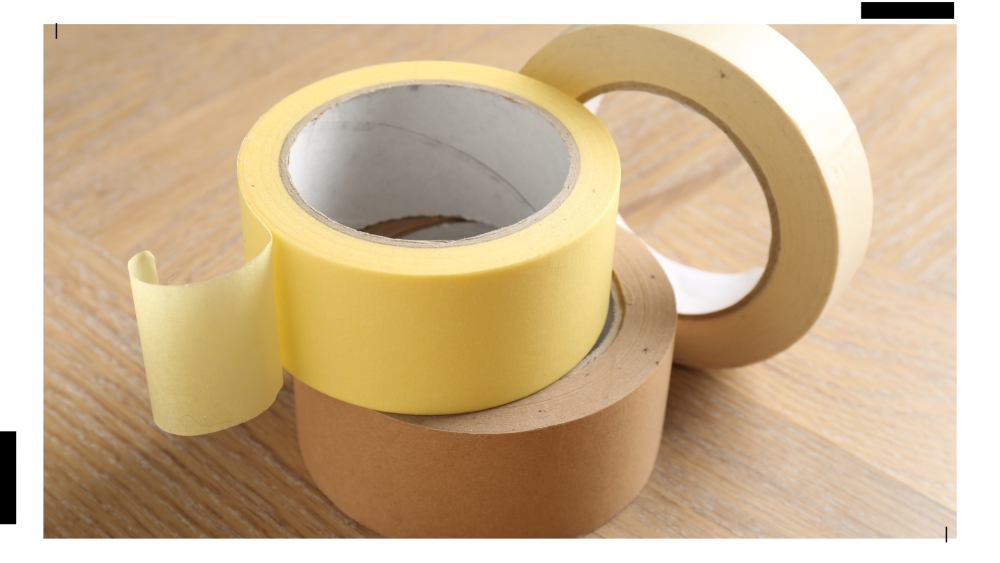
How to Fix Non-Sticky Adhesive Tape (Extended Version)
1. Clean the surface before applying
The most fundamental method that yields the best results is preparing a clean surface before applying tape. As mentioned, the adhesive must make direct contact with the material to perform at its full potential. Neglecting this step, even slightly, can visibly reduce bonding strength.
Start by wiping off dust with a dry cloth. If you suspect grease or fingerprint oils are present, wipe the area with rubbing alcohol and let it dry completely before applying the tape. This step doesn't take long, but it significantly improves adhesion firmness—especially for packaging, labeling, and plastic surfaces.
2. Apply the right amount of pressure
After placing the tape, don't just leave it as is; use your hands or a squeegee tool to press evenly along the tape line. This allows the adhesive to fully conform to the surface. A light touch may not be enough, especially for applications subject to tension or impact.
A simple technique is to press smoothly from the start of the tape to the very end, ensuring the edges are firmly sealed. When sealing boxes in large volumes, using a tape roller helps deliver even pressure and provides better bonding security than using hands alone.
3. Adjust the tape temperature before use
If the tape has been stored in a heavily air-conditioned room or in a very low-temperature environment, let it sit at room temperature for a while before use so the adhesive can return to its optimal state. Using it immediately while the adhesive is still stiff can lead to poor adhesion.
Likewise, avoid using tape in extremely hot areas, such as under direct, intense sunlight or in abnormally hot rooms, as this can degrade the adhesive quickly and reduce its overall lifespan.
How to Prevent Adhesive Tape from Deteriorating Quickly
Proper storage greatly extends the lifespan of adhesive tape
Store in a dry place at normal room temperature
Avoid:
- Direct sunlight
- Hot, unventilated rooms
- Highly humid areas
Suitable temperature: Approximately 20–25°C
Store in the original packaging
- Keeping the tape in its original bag or box helps reduce dust and moisture, which affect adhesive quality.
Do not stack or place heavy objects on the tape rolls
- Prolonged pressure can deform the roll and affect long-term performance.
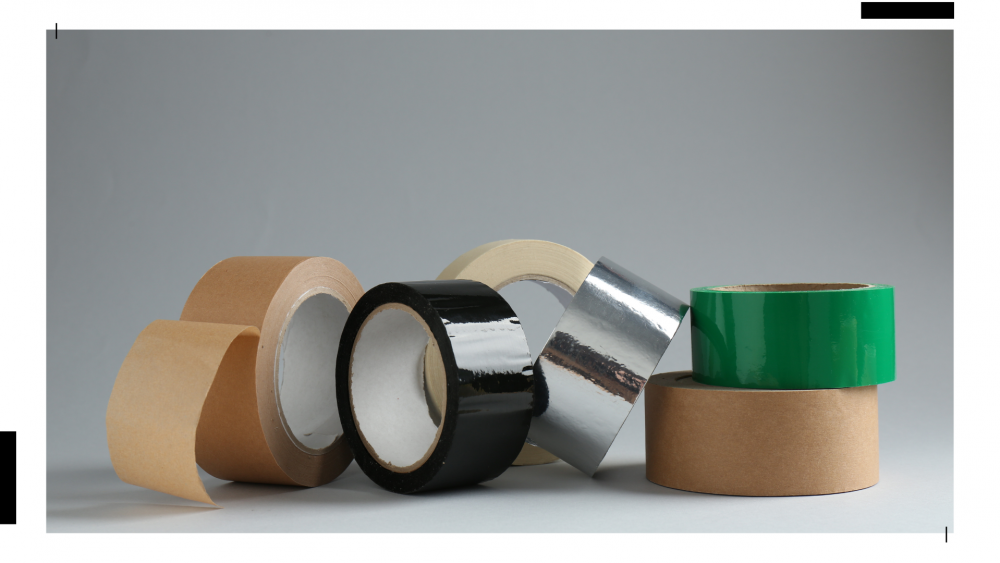
Adhesive tape not sticking can be solved if you know the root cause
The problem of Adhesive tape Not sticking is not just caused by the quality of the tape alone, but mostly stems from overlooked environmental factors and usage methods—whether it's dirty surfaces, improper temperatures, choosing the wrong type of tape, or incorrect storage.
The good news is that these problems are fairly easy to fix by starting with cleaning the surface before sticking, applying sufficient pressure, choosing the right tape for the job, and storing the tape in a suitable environment. Just doing this can significantly boost adhesion performance.
Next time you face tape peeling off, don't rush to blame the tape's quality. Try checking the surrounding factors first, and you will find that in many cases, the adhesive tape still works well—we just need to use it the right way.