


 EN
 ไทย


Customers Also Purchased

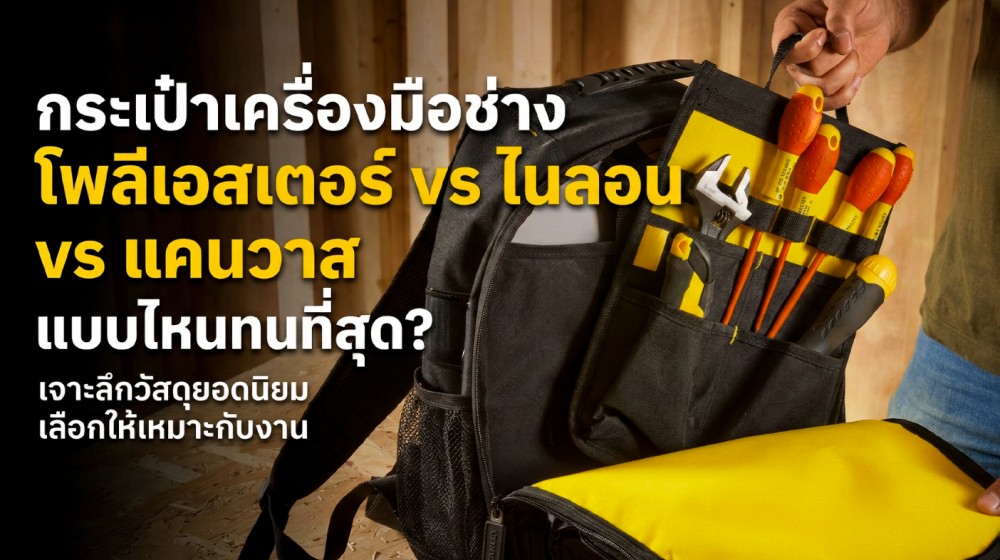
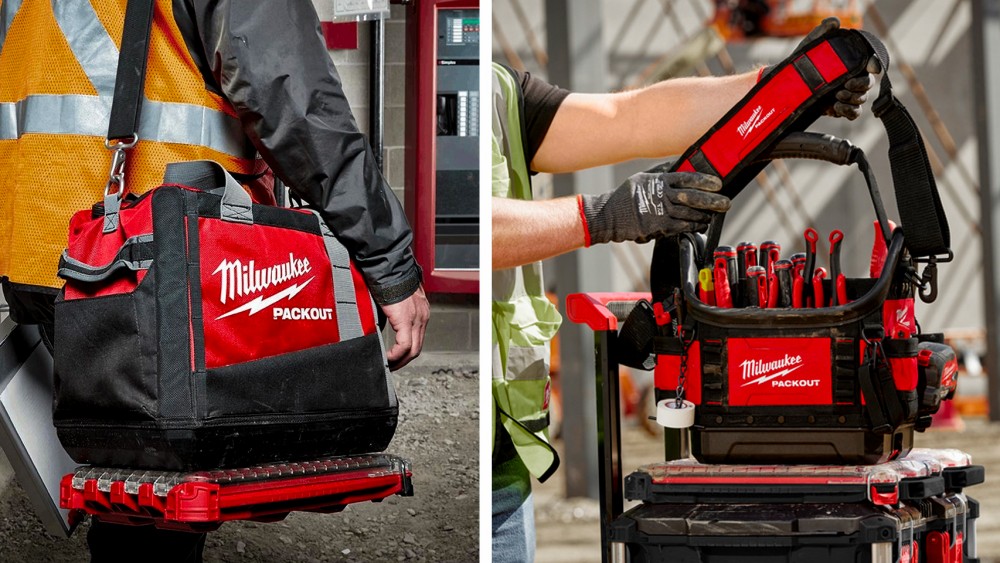
Have you ever wondered… when choosing Tool Bag We often just look at whether it has many pockets, how many pcs it can hold, or whether it's comfortable to carry. But... once used in real job sites, hauled in and out of vehicles, poked by screws, pliers, and drill bits, exposed to water, dust, sunlight, cement, and metal shavings... that's the day we start to realize the material of a tool bag is far more important than we thought.
In this article, we'd like to discuss how Polyester vs. Nylon vs. Canvas—the most popular tool bag materials—differ, and ultimately, which one withstands heavy-duty trade work best, or whether the real answer simply depends more on what kind of work you do.
Why Does the Material of a Tool Bag Matter?
Before comparing materials, let's picture the real life of a tool bag. It isn't used in an air-conditioned room or displayed on a shelf. Instead, it usually faces tough conditions like these—and that's exactly why some bags break down faster than you'd expect.
- Friction, dragging across concrete floors, resting on rough surfaces, sliding through sand and small metal scraps, repeatedly loading and unloading from the trunk—especially when carrying multiple things at once and unintentionally "dragging it first".
- Sharp objects puncturing from the inside: plier jaws, screwdriver tips, drill bits, chisels, and cutter blades repeatedly hitting the fabric from within until "thin spots" develop that you can't easily see—until one day it suddenly pokes through.
- Water and moisture: passing rain, hand-washing water, cleaning fluids, lubricants, sweat, or even "wet hands from work" repeatedly gripping the handles until the fabric and stitching start to degrade.
- Dust and job site debris: concrete dust, sawdust, and sharp, fine metal shavings that love to get lodged in seams and zippers, causing zippers to jam or fraying the fabric.
- Sunlight and heat: left in truck beds, placed on site, unintentionally exposed to the sun, with accumulated heat making coated fabrics stiff or brittle (on some models).
- Jerking and swinging forces: hurried lifting up stairs, tossing into vehicles, suddenly yanking by the shoulder strap—this is precisely where the handles and shoulder straps fail first most often.
- Rhythmic impact: tools inside the bag constantly knocking against each other while walking, like little hammers tapping the inside all day long. If the fabric isn't tough enough or lacks protective padding, corners will start marking and tearing bit by bit.
- Minor chemicals: lubricants, cleaning sprays, slight paint thinners (on some job sites), or even certain hand cleansers… they won't cause immediate tears, but they accelerate the degradation of the fabric and coatings.
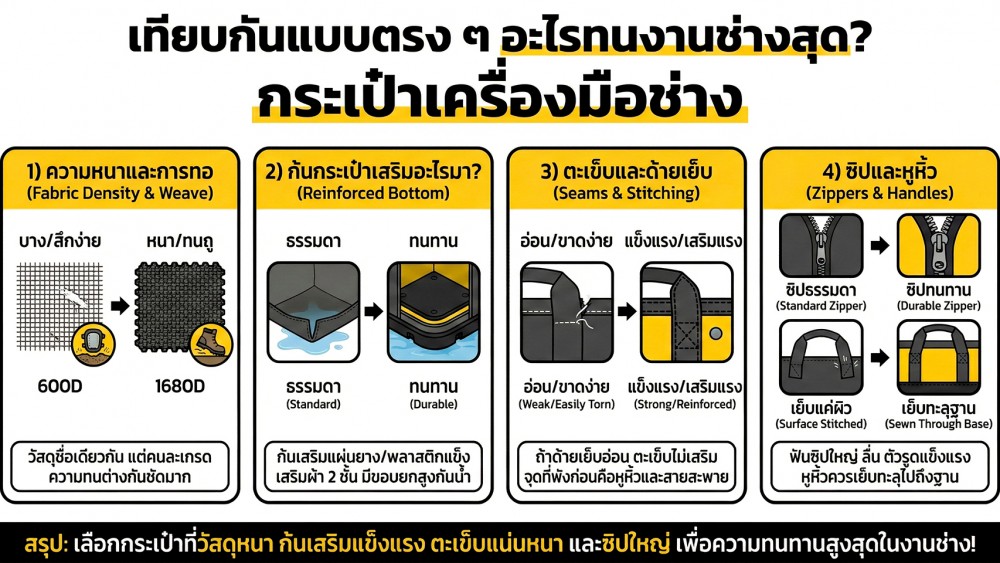
Seeing this picture clearly shows that a good bag material doesn't just mean "thick". It must balance abrasion resistance, toughness and flexibility, load-bearing capacity, water and moisture resistance, ease of maintenance, and crucially, the bag's own empty weight. A tool bag is already heavy with tools inside; if the bag material itself is heavy, carrying it becomes even more exhausting. When you're overly tired, you stop bothering to stay organized and end up rummaging through the whole bag just like before.
Another thing people often overlook is the failure pattern of a tool bag. It rarely just tears apart all at once; it usually starts from a small defect and spreads.
- It starts with a stuck zipper from dust buildup → pulling harder → the zipper slider twists → the zipper teeth separate.
- It starts with frayed bottom corners from resting on rough surfaces → the fabric thins out → sharp tools puncture through.
- It starts with stretched handles from daily heavy lifting → stitches break one by one → one day the whole strap rips off.
Therefore, if you want to know what withstands tough job site work best, you need to consider both the type of fabric and the overall build quality together.
Get to Know the 3 Main Tool Bag Materials: Polyester, Nylon, Canvas
Before diving into the details, keep this simple comparison in mind:
- Polyester = Great value, easy to care for, good UV resistance, versatile across various uses
- Nylon = Tough, flexible, excellent shock/tear resistance, ideal for heavy-load carrying or shoulder straps
- Canvas = thick, raw, classic, abrasion-resistant, but watch out for moisture and stains
And no matter the material, if you see numbers like this in the specs (some brands specify them), understand it roughly as the "fabric density/strength": 600D = general use, 900D = tougher, suitable for semi-heavy work, 1680D = truly heavy-duty, handles frequent floor dragging much better.
Polyester Tool Bags
Simply put, polyester is the middle-ground synthetic fabric most commonly found in bags because it offers great value and practical durability, especially in models made from thicker fabrics like 600D / 900D / 1680D.
Highlights of Polyester in Tool Bags
- Relatively good sun/UV resistance compared to some types of nylon (especially if left in the sun frequently)
- Easy to maintain, doesn't retain odors easily, and dries relatively quickly
- Cost-effective, keeping the bag's price affordable
- Lightweight, ideal for those whose "tools are already heavy enough"
Points to Watch Out For
- "Thin-grade" polyester abrades easily against rough surfaces, especially at the bottom and corners
- Less elastic than nylon; when subjected to strong jerks or pulls, it may tear along the seam or weave
- Budget-grade fabric coatings in some models can become stiff or flake when exposed to prolonged heat/strong sunlight
Polyester is a material I consider ideal for a "household tool bag" or for "tradesmen who don't drag bags across the floor all day." But if you need to be on heavy job sites daily, you can still choose polyester—just make sure to select thick fabric + quality stitching + a reinforced base, rather than picking based on looks alone.
My personal tip when checking polyester: I gently "twist the fabric" at the corners or side panels. If it feels thin and very stiff (almost brittle), it's usually not suitable for heavy work. But if the fabric feels dense and has a slight give, it's usually much more durable.
Nylon Tool Bags
Nylon is a synthetic fabric favored by many because it feels strong, flexible, and lighter in certain grades—especially tightly woven nylons like the family commonly referred to as Cordura (when specified in the specs/fabric branding).
Highlights of Nylon in Tool Bags
- Tough and flexible; withstands pulling and jerking better than many types of polyester
- Good abrasion resistance when chosen in the proper grade
- Lightweight, so carrying it doesn't feel like adding much burden
- Very suitable for backpacks or shoulder strap bags where the straps are constantly under stress
However, cautions include:
- Some types fade/degrade faster from UV if frequently exposed to strong sunlight (depending on coating/grade)
- Certain nylon surfaces are "slick"; frequent exposure to oil/sprays can make them even slicker, causing dust to cling as stains
- If it is thin nylon (used in general everyday bags), repeated punctures from sharp objects can pierce through just as quickly
Nylon is my favorite choice for "shoulder strap" or "backpack" tool bags because it feels tough; when pulling things out roughly or carrying heavy loads, the straps don't sag easily. However, you must check what grade of nylon it is. Some bags are labeled nylon, but the fabric is actually as thin as a regular bag—faced with heavy-duty technician work, that'll quickly lead to tears.
Another perspective we often see: people who like nylon usually prefer it because "it isn't stiff." When bumping into things while walking, it doesn't scrape your legs or body like rigid bags do. And when lifting the bag into a vehicle and accidentally bumping it, nylon seems to absorb impact a bit better. But the trade-off is having to be mindful of sun exposure and coating degradation.
Canvas Tool Bags
Canvas is a heavy-duty woven fabric that often brings to mind a "rugged, classic" look, like old-school technician bags. Its highlight is that the fabric looks dense and substantial, leading many to feel that "it must be durable."
Key highlights of canvas in tool bags
- Resists abrasive rubbing well (thick fabric)
- Cool, classic look with an authentic trade craftsman vibe
- With good stitching, it is extremely tough for jobs that don't require water resistance
- Holds its shape well when set down, especially wide-mouth bags, allowing for quick tool retrieval
However, cautions include:
- Absorbs moisture, and frequent exposure to rain can easily cause musty odors or mold
- Heavier than some synthetic fibers; carrying it for long periods makes a noticeable difference
- Without a waterproof coating, exposure to cement dust followed by moisture will leave stains that are hard to clean
Canvas is suitable for those who prefer wide-mouth tool bags to store large tools for quick access, and who don't face rain every day. But if you're a tradesperson dealing with wet job sites, water, dust, and frequent wash-downs, I can tell you right now that you need canvas with a good coating or lining—otherwise, maintenance becomes exhausting.
Tips for picking a good canvas bag: Check the "weave density" and the "rigidity of the bag opening." If the mouth is reinforced to stay open easily (without collapsing), it speeds up your work significantly, especially when holding something with one hand and needing to grab tools with the other.
Choose the right tool bag material for your job: If you are this type of tradesperson, what should you choose?
Case 1: Heavy-duty site contractors, entering and leaving job sites daily
- Exposed to sun and rain, frequently dragged around
- Frequently carried over the shoulder or loaded onto vehicles
Case 2: Factory/building maintenance technicians
- Focus on quick access and climbing stairs
- Dusty environment, but not very wet
Case 3: Home use / DIYers
- Occasional use
- Not subjected to heavy dragging or abrasion
Case 4: Woodworkers/decorators who appreciate a classic style
- Holds large tools with quick access
- Prefers not to use rigid plastic bags
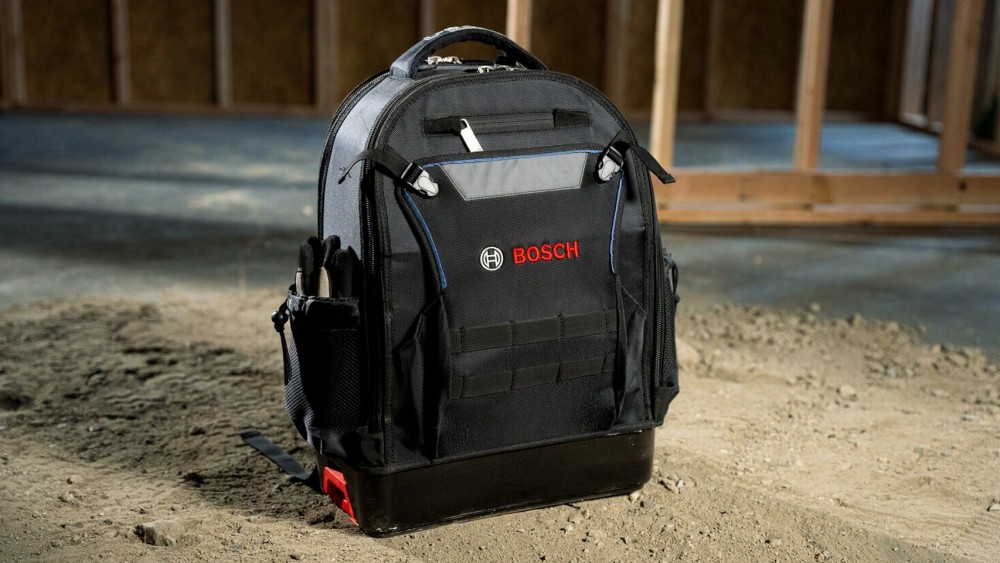
Common misconceptions when choosing a tool bag
- Thick fabric = Durable (Not always). If the fabric is thick but the stitching is poor, the handles are unreinforced, and the base isn't rigid, it will still break prematurely.
- Waterproof = Can be used in the rain. Most water-resistant bags only feature "splash-resistant fabric," while the zippers and seams remain leak points. If you truly have to face heavy rain, look for waterproof zippers or zipper storm flaps.
- Lots of pockets = easy access. But if you have too many pockets without organizing them properly, you'll still end up rummaging around. It's better to choose pockets that match the tools you use regularly.
Conclusion
- If you want toughness, tear resistance, and great capacity for carrying heavy loads, go with nylon.
- If you want good value, an affordable price, sun resistance, and easy maintenance, go with polyester (just choose a thick grade).
- If you want a raw, classic look, ruggedness from heavy fabric, and quick access, go with canvas (though you'll need to deal with moisture).
Ultimately, the most durable tool bag doesn't win on the material's name alone; it wins on build quality and how well it fits your workflow.
Select Tool Bag More