


 EN
 ไทย



Customers Also Purchased
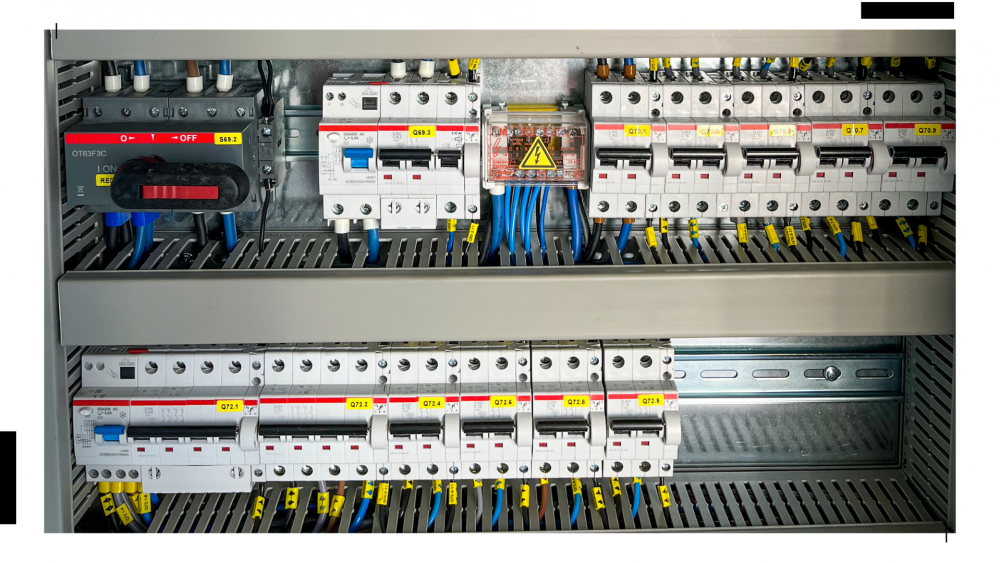
When talking about choosing Circuit Breakers Many people focus only on the "how many amps" number and make a quick decision. But in actual electrical work, that number is only half the story, because there is another critical factor that directly affects safety: that is Trip Curve or what we see as letters on the circuit breaker. B, C, D
This small detail is often why, in some homes, turning on the air conditioner trips the breaker immediately even though the ampere rating is correct. Meanwhile, in other systems, a short circuit occurs but the breaker trips slower than it should. Many of these problems are not caused by faulty equipment, but by choosing a Curve that does not match the load characteristics.
This article will guide you step-by-step from the fundamentals to real-world applications: what a circuit breaker curve is, how they differ, and how to choose the right one for homes, buildings, or factories so your electrical system "trips when it should, and doesn't trip when it shouldn't"—just as it's meant to.
What is a Circuit Breaker Curve?
Circuit Breaker Curve (Trip Curve) is the "operating signature" that indicates how much overcurrent the breaker can tolerate and how long it will take to trip the circuit when an abnormality occurs, especially during the brief surge of inrush current at startup.
To make it easier to visualize, think of it like this…
- Ampere (Amp) = Indicates how much continuous load the breaker can handle
- Curve = Indicates "how fast or slow" the breaker trips when overcurrent occurs
Therefore, two 16A circuit breakers with the same amperage rating can behave very differently just because their Curves are different. This is why small letters like B, C, and D are truly critical to electrical system safety.
Why the Curve Matters More Than Many People Think
In real-world applications, electrical loads do not consume "steady" current all the time. Many devices, especially motors, compressors, or transformers, draw a very high surge current in the first fraction of a second when starting up.
If the breaker is too sensitive → It may trip every time the equipment starts.
If it is too slow/delayed → It may allow abnormal currents to flow for too long.
Trip Curve It serves as the tool to balance:
- Wiring safety
- Operational continuity
- And equipment inrush tolerance
Most MCB circuit breakers have 2 main tripping modes:
- Thermal trip (overload) — Thermal-delayed tripping
- Magnetic trip (short circuit/surge) — Instantaneous tripping
The letters B, C, and D that we see on breakers actually mainly indicate the "operating range of the Magnetic trip".
How to Read a Time–Current Characteristic Curve
The Time–Current Characteristic curve is the universal language manufacturers use to describe the "tripping behavior" of each breaker curve. Once you know how to read it, you can evaluate equipment behavior much more accurately.
Quick reading principles
- X-axis (horizontal) = Multiples of rated current → Further right = Greater overcurrent
- Y-axis (vertical) = Tripping time (seconds) → Lower down = Faster tripping
This graph typically uses a logarithmic scale (log scale), which is why the curve appears steeper than on a standard graph.
Simple way to visualize:
- Curve further to the left → More sensitive → Trips easily
- Curve further to the right → More delayed → Withstands higher surges
- The steep downward drop of the line → Instantaneous tripping zone
What are the colored vertical bands?
The colored vertical band for each Curve represents the range where the breaker enters the mode Magnetic Trip When current surges into this zone, the breaker will trip almost instantaneously in milliseconds without waiting for heat to accumulate like a Thermal trip. This is why different curves behave differently during current surges, even with the same ampere rating.
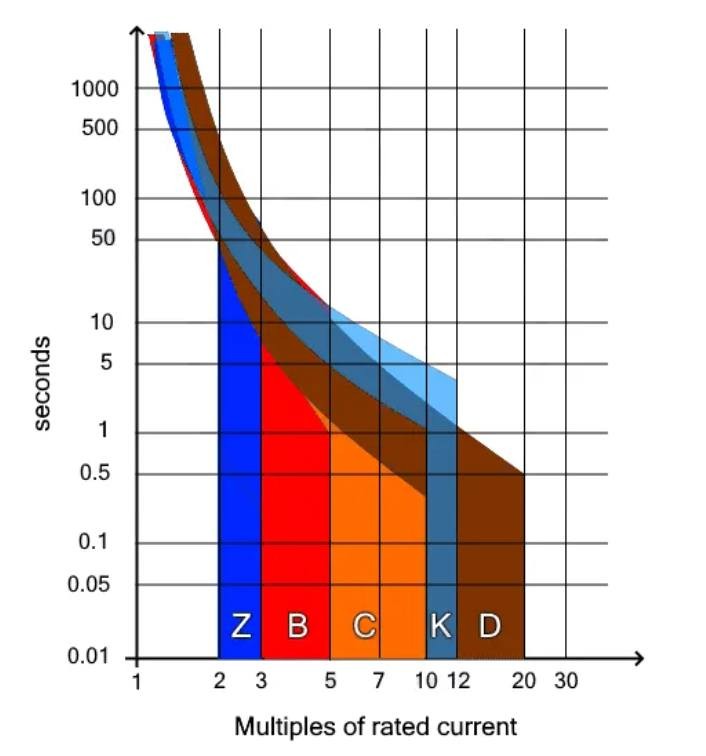
Source: Circuit breaker operating characteristics curve by Provincial Electrician
Curve Z — Ultra-sensitive for electronics
Instantaneous tripping range: Approximately 2–3 times rated current
Curve Z is the fastest responding curve among standard MCBs. It is designed to protect highly sensitive circuits with virtually no startup surge current. Its key feature is that even a small abnormal current causes the breaker to trip rapidly, reducing the risk of electronic equipment damage from overcurrent or short circuits.
Suitable for:
- PLCs and controllers — Control devices requiring fast and stable protection
- Measuring instruments — Sensitive circuits that should not be exposed to overcurrent even for short periods
- Semiconductor devices — Such as precision power supplies
- High-precision control circuits — Automation or control systems
Highlights
- Trips extremely fast, effectively limiting damaging let-through energy
- Reduces the risk of electronic equipment damage from surge currents
Precautions
- Not suitable for loads with inrush current, such as motors or compressors
- Prone to nuisance tripping even during normal startup if used incorrectly
Curve B — Residential standard
Instantaneous tripping range: Approximately 3–5 times rated current
Curve B is considered the basic, widely used choice in residential homes because most household loads are resistive loads, such as lighting or general electrical appliances, which have virtually no high startup surge current.
Suitable for
- Home electrical systems — General branch circuits requiring high safety
- Lighting circuits — Relatively steady load with no severe surges
- General-purpose outlets — For small electrical appliances
- Small electrical appliances — Such as TVs, fans, office equipment
Pros
- Trips relatively fast, helping reduce the risk of heat buildup in the wiring
- Suitable for homes without many heavy motor loads
- A common standard found in residential installations
Limitations
- If used with devices having surge currents such as motors, air conditioners, or compressors, nuisance tripping may occur instantly upon startup
- Not suitable for circuits with many inductive loads
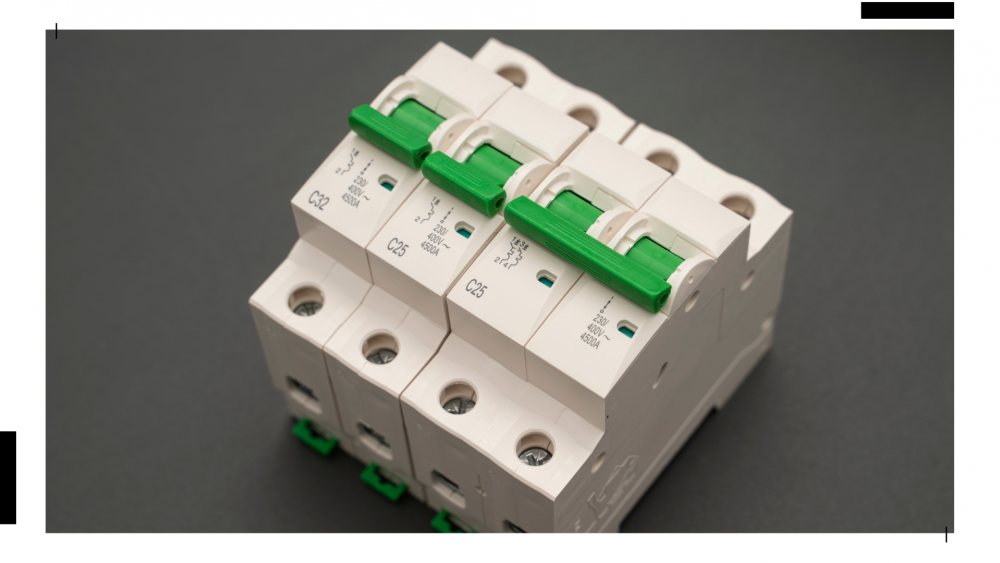
Curve C — The all-rounder (very popular today)
Instantaneous tripping range: Approximately 5–10 times the rated current
Curve C is designed to balance quick protection response with the ability to withstand moderate surge currents. It has therefore become the most popular choice in both modern homes and commercial buildings, especially for circuits with small motors or equipment having inrush current at startup.
Suitable for
- Air conditioners — Compressors have inrush current upon startup
- Water pumps — Motors have a brief surge when starting to rotate
- Small motors — General applications in homes or shops
- Equipment with inrush current — Such as certain types of power tools
Highlights
- Reduces nuisance breaker tripping when switching on equipment
- Still maintains a high level of protection during short circuits
- Covers a wide range of applications, making it the most popular choice
Observations
In actual installations, many electricians choose Curve C for residential air conditioner or water pump circuits because it strikes a good balance between "avoiding nuisance tripping" and "providing adequate protection."
Curve K — Specifically for motor loads
Instantaneous tripping range: Approximately 8–12 times the rated current
Curve K was developed to accommodate motors with higher-than-normal surge currents while maintaining proper overload protection characteristics, making it suitable for machinery applications requiring higher inrush tolerance than Curve C.
Suitable for
- Inductive motors — with high starting currents
- Compressors — especially in commercial applications
- Medium-sized machinery — in factories or production lines
Highlights
- Withstands high surge currents, reducing nuisance tripping
- More suitable for industrial loads
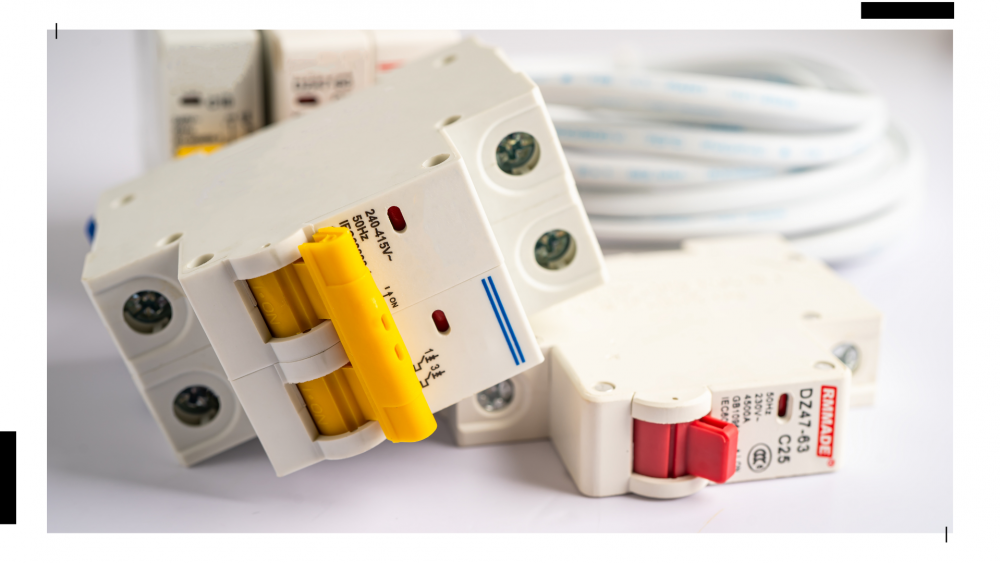
Curve D — High time-delay for heavy-duty applications
Instantaneous tripping range: Approximately 10–20 times the rated current
Curve D has the highest time-delay among standard MCBs. It is designed for loads with extremely high surge currents during startup, such as large motors or power transformers. When used correctly, it prevents the system from tripping during startup, but it must be applied with caution.
Suitable for
- Large motors — especially in industrial sectors
- Transformers — with very high inrush current upon initial energization
- Welding machines — that draw intermittent current spikes
- Heavy industrial machinery — severe starting loads
Pros
- Does not trip during heavy load startup
- Handles significantly higher inrush compared to other curves
Important Warning
Using Curve D in residential settings without a specific need may slow down protection response, as it requires a very high current to trip instantly, potentially increasing the risk of heat accumulation and safety hazards.
Curve Comparison
| Curve | Sensitivity | Instantaneous trip at (times In) | Suitable applications |
| Z | Very fast | 2–3× | Electronic |
| B | Fast | 3–5× | General Homes |
| C | Medium | 5–10× | Air conditioners, water pumps |
| K | Slow / Time-delay | 8–12× | Motor |
| D | Very slow / High time-delay | 10–20× | Heavy industry |
Why does choosing the wrong Curve cause problems?
Choosing a curve is no small matter because it directly determines the breaker's "tripping response." If it does not match the load behavior, the system can become unbalanced, resulting in: Tripping too frequently or Tripping too slowly The latter being far riskier in terms of safety.
Case 1: Curve is too fast (overly sensitive for the application)
Common symptoms
- Breaker trips immediately when the air conditioner turns on
- Water pump starts up and repeatedly trips
- Motor attempts to spin, but the breaker trips before the machine can start
The main cause is usually that The startup inrush current exceeds the threshold allowed by that Curve, even though normal operating current does not exceed the rated capacity at all.
Simply put, the breaker "mistakes it for a fault" when it is actually normal behavior for inductive loads like motors or compressors. The result is nuisance tripping, causing interruptions and long-term frustration.
Case 2: Excessive Delay Curve (Over-delay)
This case is more dangerous because even though the system seems to operate smoothly without tripping frequently, the actual level of protection may be reduced.
Potential Risks
- When a short circuit occurs, the circuit breaker may take longer to trip.
- Abnormal current flows through the wiring longer, causing heat to build up.
- Increases the risk of insulation degradation or fire in severe cases.
In real-world applications, it is not uncommon to find users switching to Curve D to solve the problem of "frequent breaker tripping", but in doing so, the system inadvertently loses its protection sensitivity.
The correct principle is not to make the breaker "hardest to trip", but rather to "trip at the most appropriate moment".
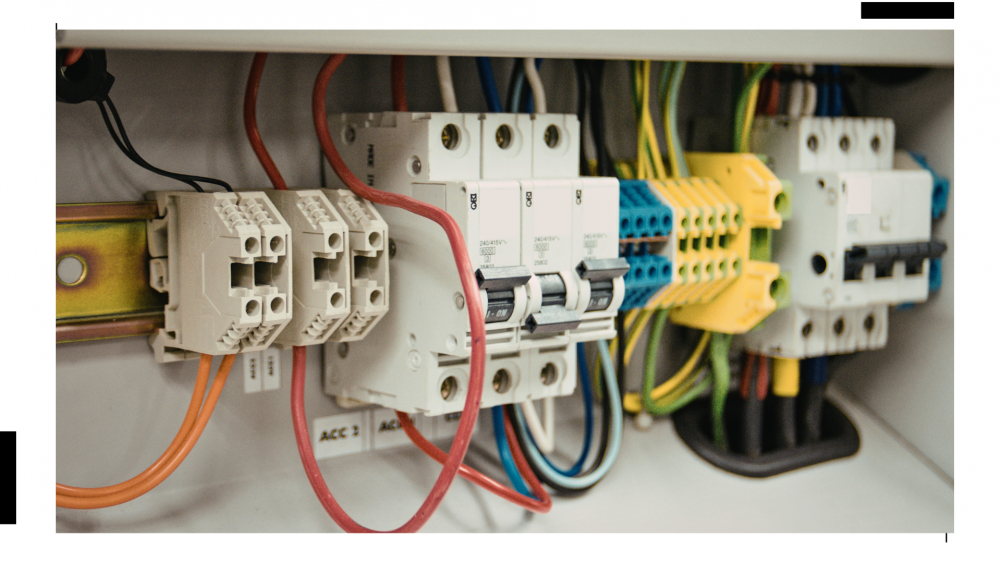
How to Choose the Right Breaker Curve
Step 1: Always check the load type first
Categorizing the load is the most accurate starting point because current behavior differs distinctly.
Rough Guidelines
- Resistive loads → typically use Curve B
- Small inductive loads → typically use Curve C
- Large inductive loads → may need to consider Curve K or D
Selecting according to the load characteristics helps significantly reduce nuisance tripping.
Step 2: Check for inrush current
Loads with startup surge currents require special attention, as they are the primary culprit behind choosing the wrong curve.
Examples of loads that often have surges
- Electric motor
- Air conditioners
- Water Pumps
- Transformers
- Compressors
If the circuit contains these devices, using Curve B may be too sensitive; consider Curve C or higher as appropriate.
Step 3: Consider actual on-site conditions
In addition to theory, actual operating conditions are also important, such as the number of connected devices, cable length, and the starting characteristics of the equipment.
Guidelines for typical homes
- Outlet and lighting circuits → Typically use Curve B
- Air conditioner circuits → Typically use Curve C
- Large motor circuits → A specialist should evaluate before selecting Curve K or D
Recommendations from an electrician's perspective
For a practical and safe approach:
- Typical residential homes → Curve B and C cover almost everything
- Heavy motor or industrial applications → Then consider Curve K or D
- If unsure → Do not "upgrade the Curve" as a shortcut to fix tripping issues
Because making the breaker harder to trip without first analyzing the load might treat the symptom, but it increases long-term risk.
Don't forget to consider other factors
Choosing the correct breaker shouldn't rely on the Curve alone, but should be considered together with:
- Actual wire size used
- Continuous load current (Full load current)
- Characteristics of the devices in the circuit
- Electrical Installation Standards
When all dimensions are considered, you achieve a protection system that "trips when it should and passes through when it should"—the true goal of selecting circuit breakers professionally.
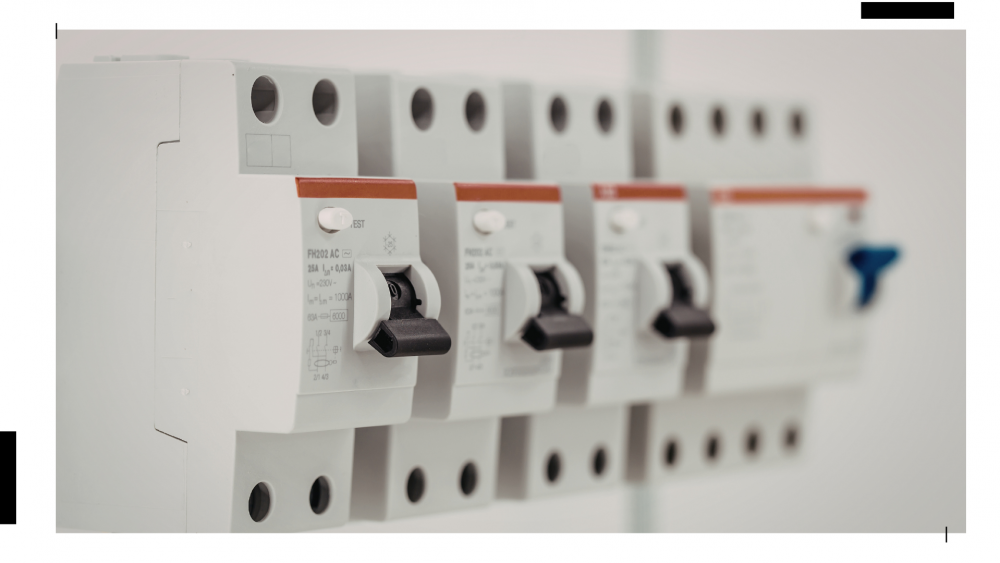
Curves B, C, D: Choose Right for a Far Safer Electrical System
The curve of a Circuit Breakers is not just a small letter on the device, but defines crucial protection behavior. If selected too sensitive, the system may trip nuisance-wise, but if delayed too much, safety risks unknowingly escalate.
For typical residential use, Curve B and Curve C cover most applications: Curve B suits general loads without surge currents, while Curve C suits equipment with inrush currents such as air conditioners or water pumps. Meanwhile, Curves K and D should be used in industrial applications or heavy motor loads requiring exceptionally high delay times.
Proper breaker selection must always consider both the amperage rating and the Trip Curve together, because this small detail is what allows the electrical system to operate safely, stably, and without causing nuisance issues in the long run.