


 EN
 ไทย


Customers Also Purchased


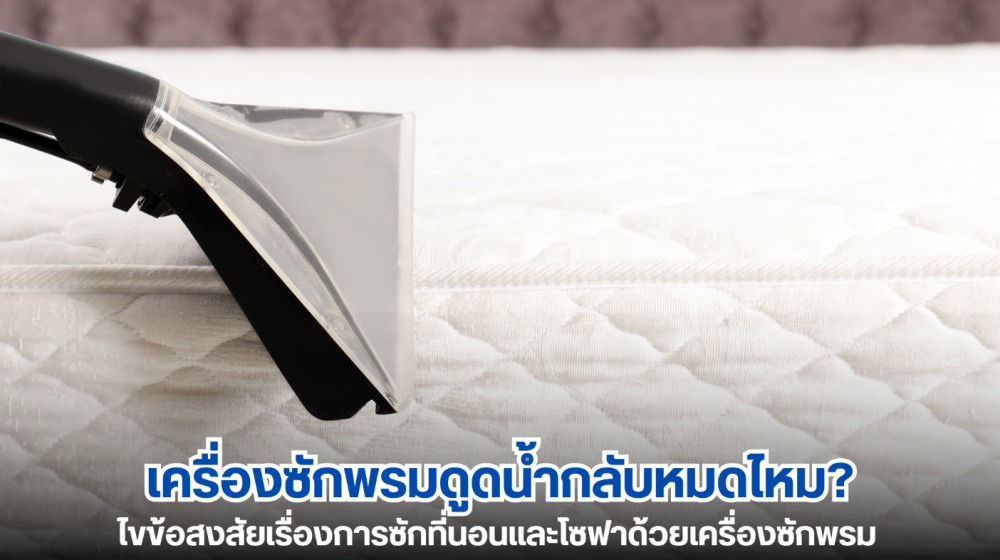
Using Steam Cleaner Cleaning mattresses and sofas has become a popular choice nowadays. Whether it's tackling deep stains, accumulated sweat marks, dust mites, or dirt invisible to the naked eye, spray extraction carpet cleaners can wash contaminants out of fibers far deeper than regular vacuuming.
However, many people certainly have various questions in mind, such as:
- Does a carpet cleaner extract all the water back?
- Will washing the mattress myself cause mold to grow?
- How many hours does it take to dry?
- Can a carpet cleaner be used on a memory foam mattress?
The short answer is: carpet cleaners cannot extract 100% of the water back.
Even though carpet cleaners feature powerful vacuum suction systems, technically speaking, no vacuum can pull 100% of water out of porous materials—especially when the material consists of multiple layers, such as sponge foam, memory foam, synthetic fibers, and spring or wooden structures.
Most people misunderstand that "extracting a lot of dirty water = it's dry." In reality, the amount of water sucked back is only a portion of the total water sprayed in. Therefore, the key issue is not just "did it clean well?" but "is it dried properly after washing?"
Whether you are deciding whether to use a carpet cleaner to clean your mattress yourself, or wondering if your previous wash was truly dry, this article will provide you with both an overview and in-depth details to prevent potential long-term issues.
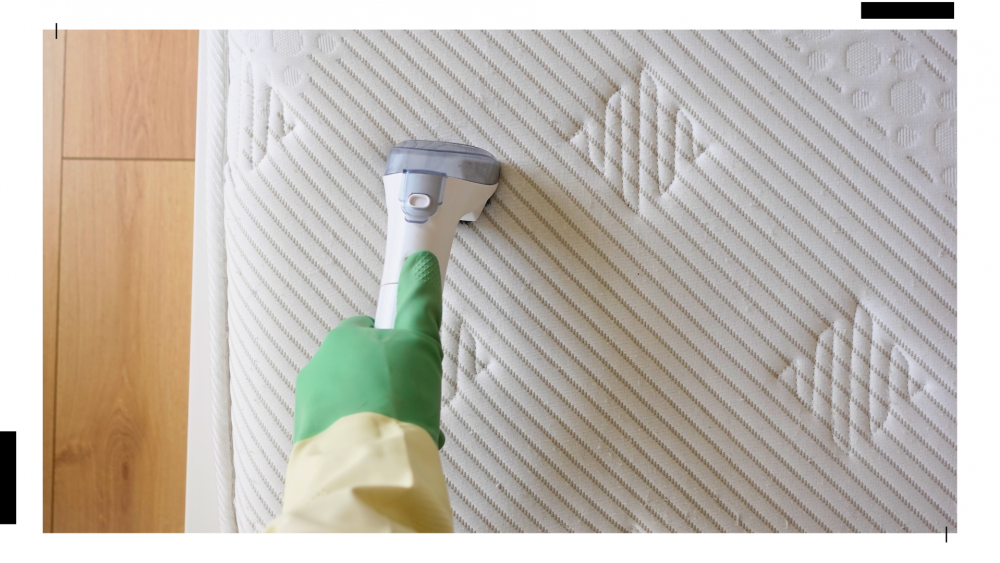
What is a carpet cleaner and how does it work?
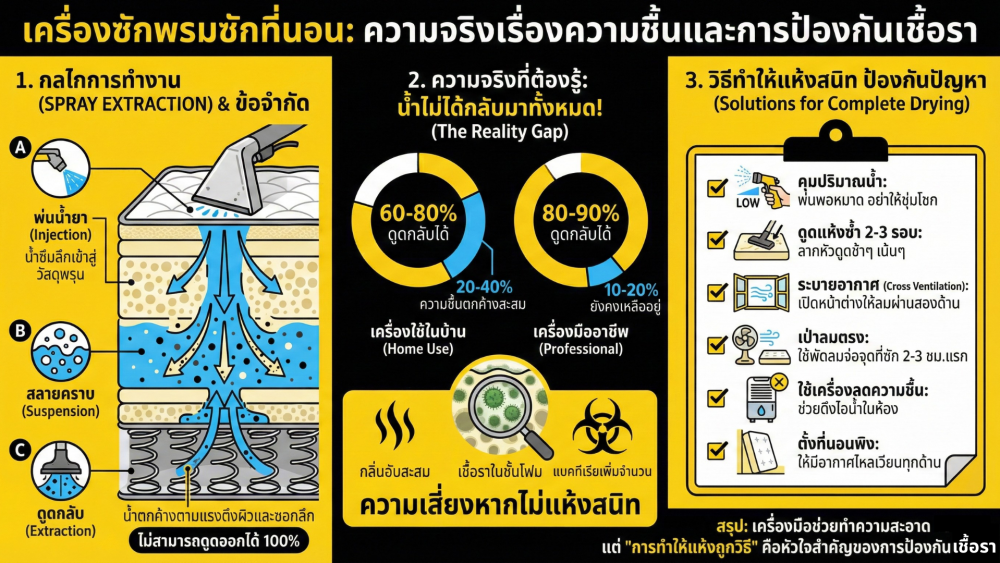
Most household carpet cleaners operate on a Spray Extraction system, which is the same technology used by professional cleaning companies, though pressure and suction power may vary according to the size of the machine.
1. Spraying water mixed with cleaning solution (Injection Phase)
In this step, the machine sprays water mixed with cleaning solution through nozzles at higher pressure than simply pouring water.
What actually happens is:
- Water is forced into the gaps between the fabric fibers.
- Penetrates through the fabric surface into the synthetic fiber layer or foam underneath
- Disperses according to pressure and gravity
Water does not stay only on the "surface", but penetrates deep into a structure known as Porous Material which has numerous tiny air pockets
- The higher the pressure → the deeper the water penetrates
- The longer it is sprayed → the greater the accumulated amount of water
This is why controlling the amount of water is far more important than many people think.
2. Loosening stains and dirt (Agitation & Suspension Phase)
When the fibers get wet, the water and cleaning solution perform 2 tasks simultaneously:
1. Break Down Bonding: Sweat, skin oils, dust, and dirt adhere to the fibers through molecular bonding. The cleaning chemical helps reduce surface tension, making the stains detach more easily.
2. Suspension: Once detached, the water serves to suspend these dirt particles in the liquid, waiting to be extracted.
The key point is that If too much water is sprayed, stains may be pushed deeper into the foam layer instead of being pulled out. Therefore, the correct technique is not "the wetter, the better", but rather "just enough and extract immediately".
3. Extracting dirty water (Extraction Phase)
This step is at the heart of the question that many people wonder about.
The suction nozzle generates negative pressure or vacuum suction to draw water and dirt back into the recovery tank. However, in physics, a phenomenon occurs known as
- Capillary Retention (retention force in microscopic gaps)
- Surface Tension
- Material Absorption
Materials such as sponge and memory foam have a structure composed of numerous microscopic air pockets. Water that penetrates into these pockets is held in place by physical forces.
Even though suction power can extract most of the water, some water will:
- Lie too deep beyond the suction reach
- Be held by surface tension
- Disperse and seep into deeper layers
This is the scientific reason why No vacuum suction system can extract 100% of the water from porous materials.
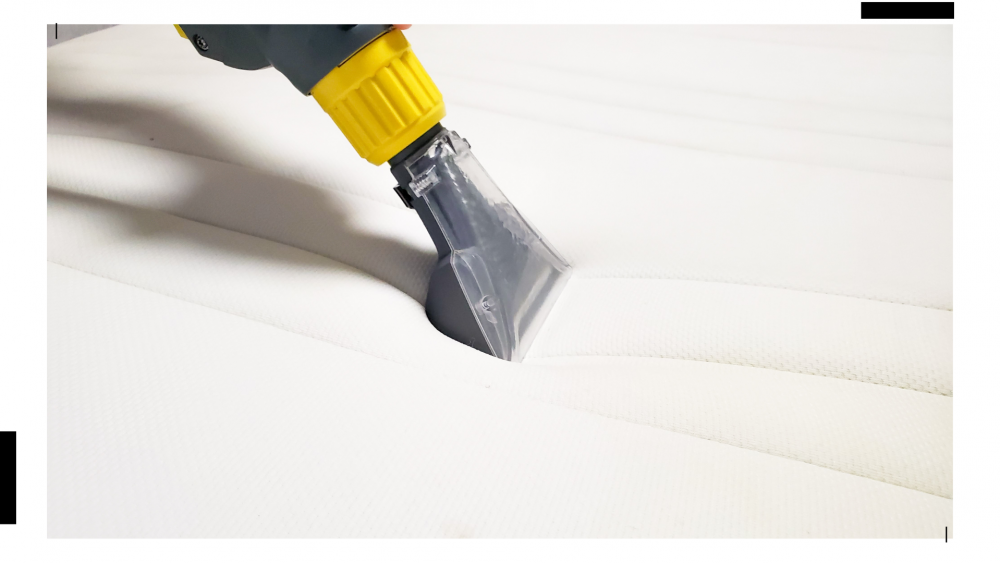
What percentage of water can a carpet cleaner extract?
In general, the water extraction efficiency of a carpet cleaner varies depending on size, motor power, and the vacuum suction system used, which can be broadly categorized as follows:
Compact home carpet cleaners → Extract about 60–80% of water
Most home-use models have moderate suction power, suitable for spot cleaning or smaller areas. Although they can extract a significant amount of water and dirt, due to limitations in vacuum pressure and nozzle design, some moisture typically remains trapped in the sponge or synthetic fiber layers, especially in high-density materials.
Professional carpet cleaners → Extract about 80–90% of water
Industrial-grade machines or those used by cleaning services feature more powerful suction motors—some models utilize a dual-motor system and deliver significantly higher negative pressure, allowing them to pull water from deeper within material layers. However, despite their high efficiency, they still cannot extract 100% of the water from porous materials due to physical material constraints.
In other words: Approximately 10–40% of water still remains inside the material after extraction.
Although this figure may not seem large, if several liters of water are sprayed in, the actual remaining amount can be enough to keep a mattress or sofa damp for several hours, or in some cases overnight without proper ventilation.
What does the amount of residual moisture depend on?
The moisture remaining after cleaning does not depend on the machine alone, but involves multiple combined factors as follows:
Amount of water sprayed
The more water sprayed, the higher the chance it will seep deeply into the foam or synthetic fiber layers. If sprayed excessively damp, moisture may still remain accumulated inside even after multiple suction passes. Therefore, controlling the water volume from the start is the most critical factor in reducing the risk of musty odors and mold.
Material thickness
Thick mattresses or sofas, such as 8–10 inch memory foam, have much more internal space to hold water compared to thin mattresses. The thicker and denser the material, the longer it takes for water to evaporate from deep layers to the surface, requiring exceptionally good ventilation.
Internal structure of the material
Materials with microporous structures, such as memory foam, retain more water than standard foam sponges because their numerous fine air pockets hold water through surface tension. Conversely, materials with open-cell structures and larger voids may release moisture slightly easier.
Room temperature and humidity
Weather conditions directly affect the rate of water evaporation. Cleaning on a hot and dry day noticeably speeds up drying, whereas cleaning during the rainy season or in poorly ventilated rooms with high humidity slows down the evaporation process and increases the risk of musty odors.
In conclusion, Carpet extractor performance is only "one of the factors" What truly determines whether a mattress dries quickly is controlling the water volume and properly managing the post-cleaning environment.
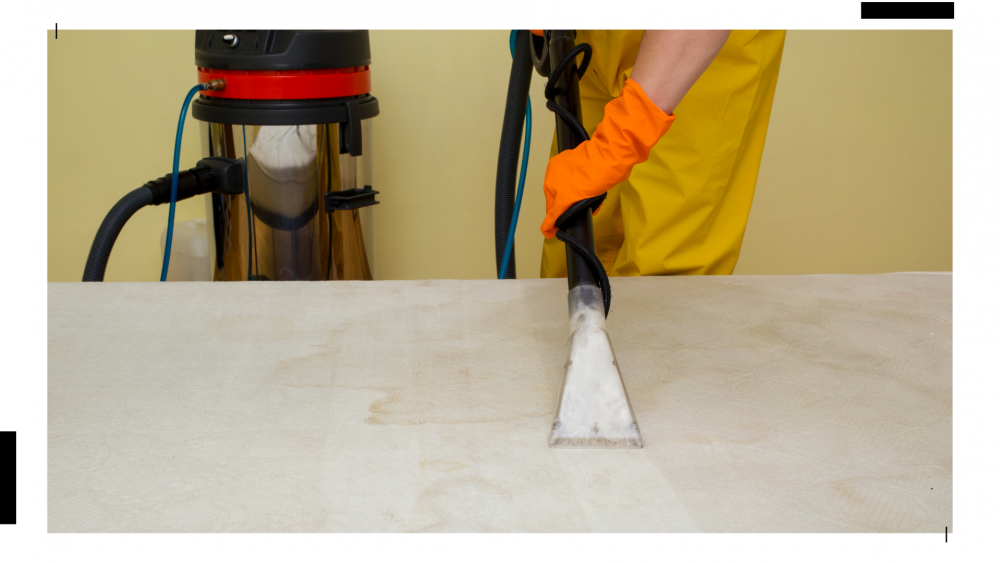
How to dry a mattress quickly without musty smells or mold
1. Control the water volume
Spray only as much water as necessary to make the surface "damp enough to clean," but not soaking wet to the point of penetrating deep into the foam or memory foam layers. The more water sprayed, the deeper it penetrates the internal porous structure, significantly prolonging drying time.
A recommended technique is to spray in short bursts and extract immediately. Do not leave the water soaking in for long periods, and avoid repeatedly spraying the same area unnecessarily, as this causes localized moisture buildup.
2. Extract 2–3 times
After the initial spray and extraction pass, switch to suction-only mode without spraying additional water. Then, slowly drag the suction nozzle tightly against the surface to give the suction power adequate time to extract as much remaining water from the fibers as possible.
Dragging the suction head slowly is crucial; if moved too quickly, the suction power will not have time to pull water up from the deeper layers. Multiple suction passes significantly reduce residual moisture and shorten subsequent drying time.
3. Open windows on opposite sides for cross-ventilation
Air circulation is the primary factor accelerating water evaporation. Opening windows on opposite sides creates cross-ventilation, which carries moisture away from the surface much faster than opening only one side.
Air moving across the wet surface continuously carries away water vapor, speeding up the drying process and reducing the chance of moisture accumulating deep inside the material.
4. Blow directly with a fan
Directing a fan straight at freshly cleaned surfaces increases water evaporation rates far more than merely circulating room air. The airflow hitting the fabric directly helps break up the boundary layer of humid air clinging to the surface.
The stronger and more continuous the airflow, the faster evaporation occurs—especially during the first 2–3 hours after cleaning, when surface moisture is at its peak.
5. Use a dehumidifier
A dehumidifier is highly effective in areas with high relative humidity, such as windowless rooms or during the rainy season, because it actively extracts water vapor from the air, making the room drier.
When the ambient air is drier, moisture trapped in the mattress or sofa evaporates much faster according to moisture balance principles. This significantly cuts down drying time and reduces the risk of mold growth.
6. Lean the mattress upright
Propping a mattress against a wall or elevating it off the floor allows air to circulate around both sides, rather than leaving one side flush against the ground where moisture can become trapped underneath.
When air reaches both sides simultaneously, drying is much more uniform and rapid, especially for thick mattresses that tend to hold more moisture at the bottom than on top.
Risks of moisture buildup in mattresses
If a mattress or sofa does not dry completely after using a carpet cleaner, several short- and long-term issues can occur:
- Persistent musty odors: Residual moisture leads to unpleasant musty smells caused by microbial growth, and this odor may linger for days if not properly addressed.
- Mold inside the foam layer: A damp, enclosed environment devoid of sunlight creates ideal conditions for mold growth, particularly within foam or memory foam layers that have poor air circulation.
- Bacterial proliferation: Excess moisture encourages rapid bacterial growth, which can pose health concerns, especially for individuals with allergies or respiratory issues.
- Shortened lifespan: Foam and internal padding materials that stay damp repeatedly will degrade much faster. The internal structure may sag or deform prematurely, forcing you to replace the mattress sooner than expected.
Warning signs of moisture buildup
- A musty smell persists even after several days If a musty odor remains after 2–3 days, it indicates that residual moisture may still be trapped in deep layers and hasn't completely evaporated.
- Feels abnormally cold to the touch Surfaces that still retain moisture will feel cooler to the touch than normal, as the evaporation of water absorbs heat from your skin.
- Black spots or mold stains appear on the fabric surface Black, gray, or green spots on the surface may be a sign of mold starting to grow, which should be dealt with immediately to prevent spreading.
Conclusion
From all that has been mentioned, it is clear that the performance of Steam Cleaner is not measured solely by suction power or the volume of dirty water extracted, but rather by understanding the nature of materials and managing post-cleaning moisture.
Mattresses and sofas are multi-layered materials with porous structures that can hold some moisture according to the physics of surface tension and internal absorption. Therefore, the risk of musty odors or mold developing does not depend on using a carpet cleaner alone, but on how you control water volume, repeat extraction passes, and accelerate post-wash evaporation.
In other words, a carpet cleaner is just a tool; achieving a safe, completely dry result depends entirely on the overall process. By understanding these principles, cleaning mattresses and sofas with a carpet cleaner can be done effectively without increasing the risk of long-term moisture accumulation.