


 EN
 ไทย


Customers Also Purchased
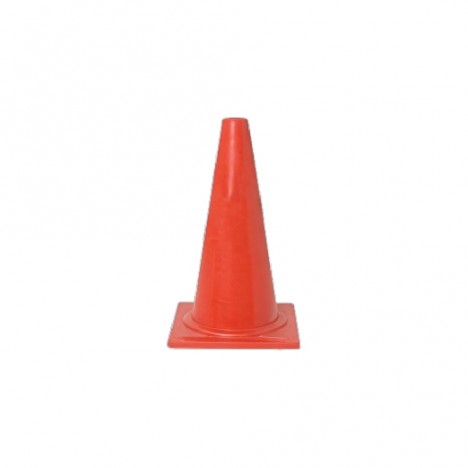
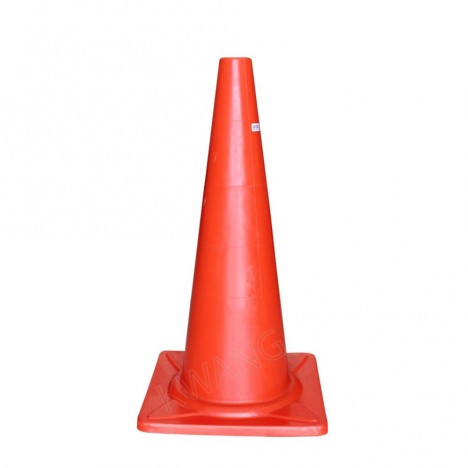
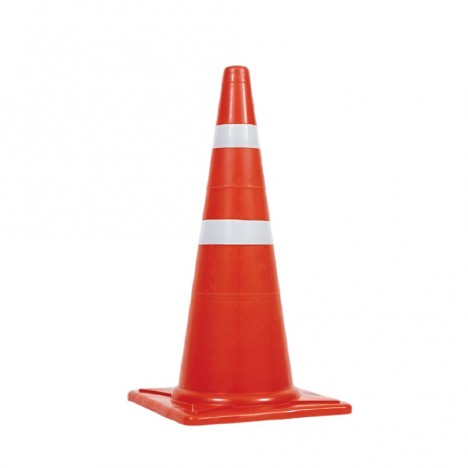
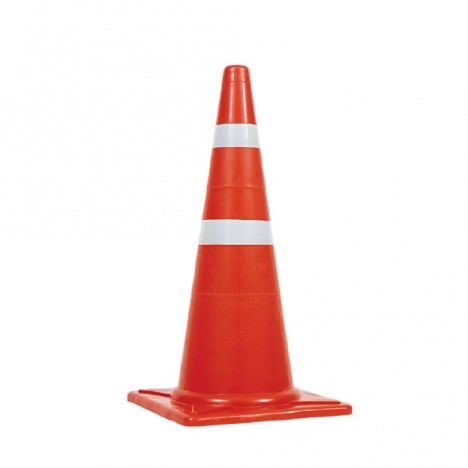
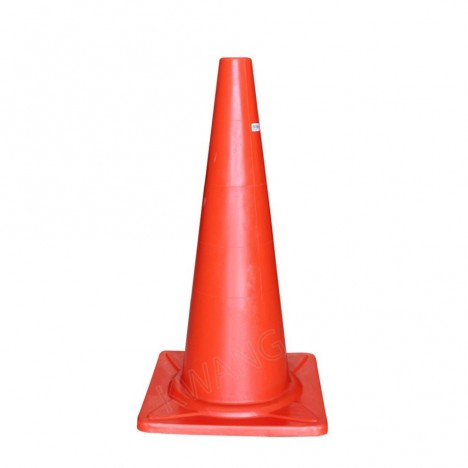
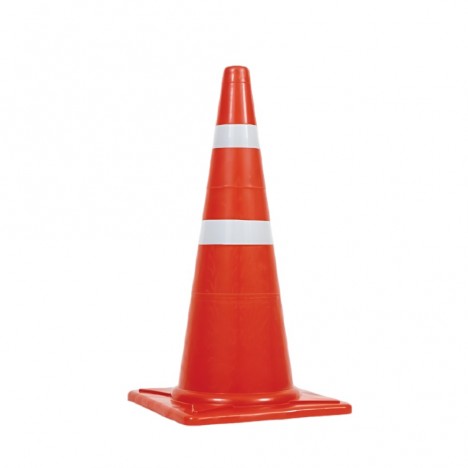
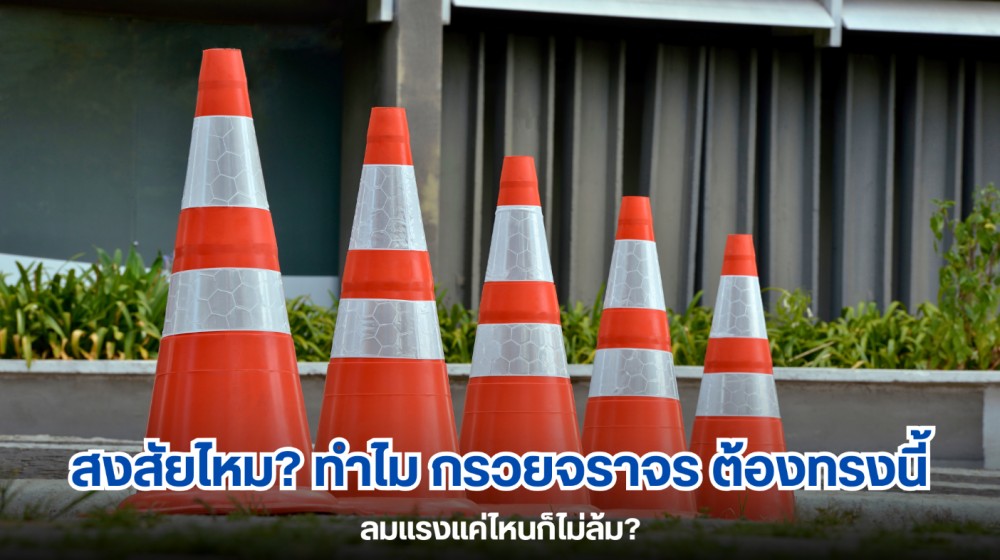
Have you ever wondered why Floor Safety Cones ...why it has to be a cone shape, not a cylinder or a square, and at first glance it seems very light, but even with strong winds blowing, it barely moves at all—unless a car hits and sends it flying T_T
In reality, traffic cones aren't just orange plastic randomly placed in the road; they are traffic and safety equipment designed with great care—from the shape, weight, and material, to the way they stand firmly on the pavement.
Every line, every slope angle, and every gram of weight has a reason behind it to warn of hazards in time. This article will help you look at traffic cones in a new light, as simple yet surprisingly ingenious engineering designs that are closer to our daily lives than we think.
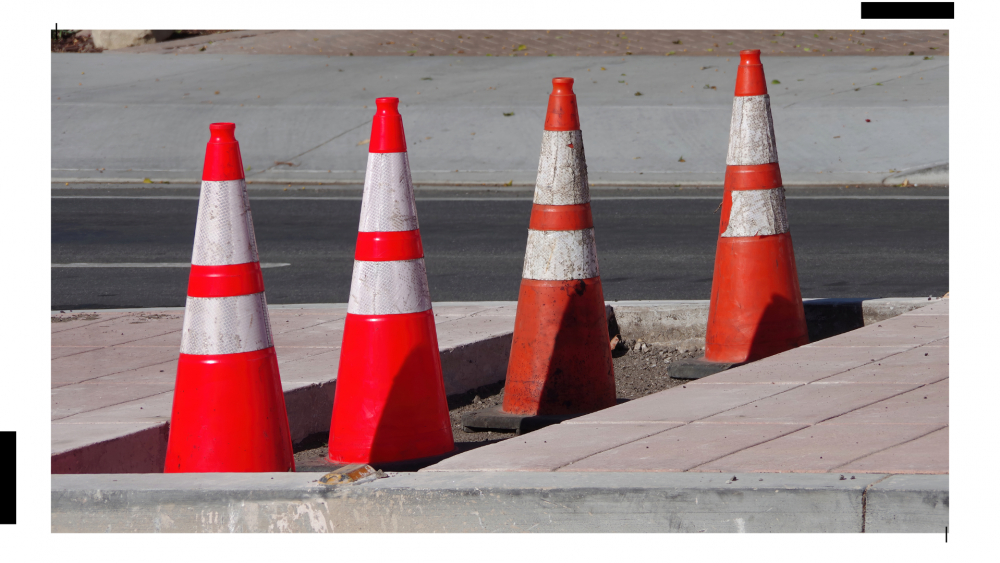
Behind the "Cone Shape": Why Aren't Traffic Cones Cylindrical?
The reason why Floor Safety Cones Being designed in a conical shape, rather than cylindrical or angular, is no coincidence; it is rooted in 3 fundamental principles of physics and design.
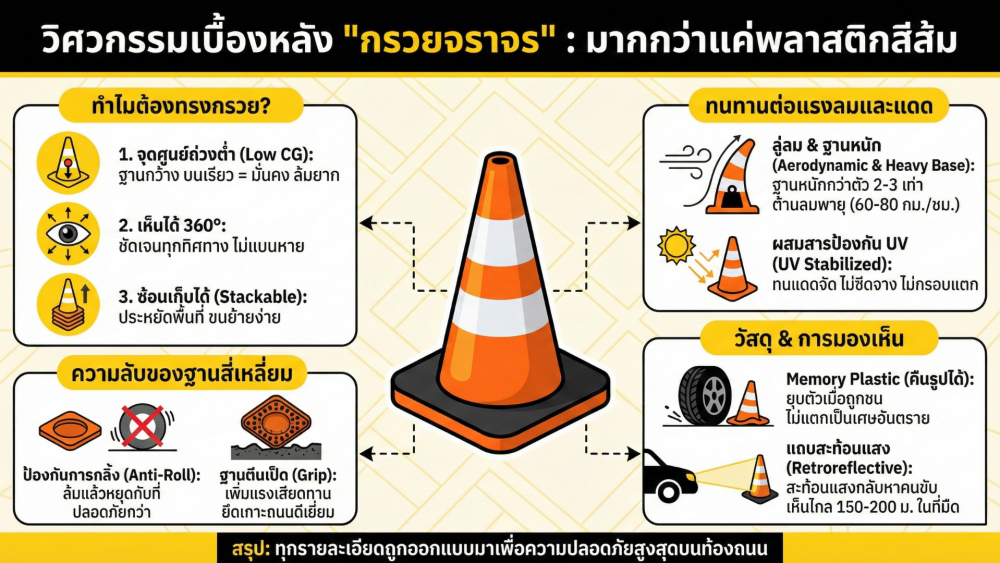
1. Low Center of Gravity
The conical shape features a wide base and a tapered top, concentrating most of the weight and mass near the bottom. According to the laws of physics, the closer the center of gravity is to the ground, the more stable an object is and the harder it is to knock over. This is why traffic cones can stand firm even against the rush of wind from high-speed passing vehicles.
2. 360-Degree Visibility
No matter what direction a vehicle approaches from, the tapered shape of the traffic cone presents an equally clear visual profile from every angle. Unlike flat signs or warning devices that might practically disappear from view when viewed from the side, a cone allows drivers to perceive obstacles much more quickly and consistently.
3. Space Efficiency and Operational Flexibility
One of the smartest aspects of traffic cone design is the ability to nest and stack multiple cones neatly in a vertical pile. This saves an enormous amount of space for storage and transport on crew trucks or pickups, making on-site operations much faster and more efficient.
Traffic Cone Bases and Road Safety Principles
If you look closely, you will notice that most traffic cones do not have a circular base as many might expect, but instead use a thick, wide square base. This component is the key reason why traffic cones stay in place and do not turn into aimlessly rolling hazards on the road.
1. Anti-Rolling for Increased Safety
If the cone had a circular base, once hit or knocked down, it would tend to roll along the road surface—especially on slopes or inclined streets—posing an immediate danger to other approaching vehicles.A square base is therefore designed to act as a "built-in brake"; once knocked over, it stops in place without continuing to roll, significantly reducing the risk of secondary accidents.
2. Grip Base for Superior Road Traction
On premium-grade traffic cones, the underside of the base often features small rubber cleats or a textured tread to increase friction against the road or asphalt pavement. This helps the cone grip the surface better and prevents it from sliding in strong winds or from the air blast of passing vehicles. This small, often-overlooked detail under the base is another reason traffic cones can perform their duties reliably, even in hostile roadway environments.
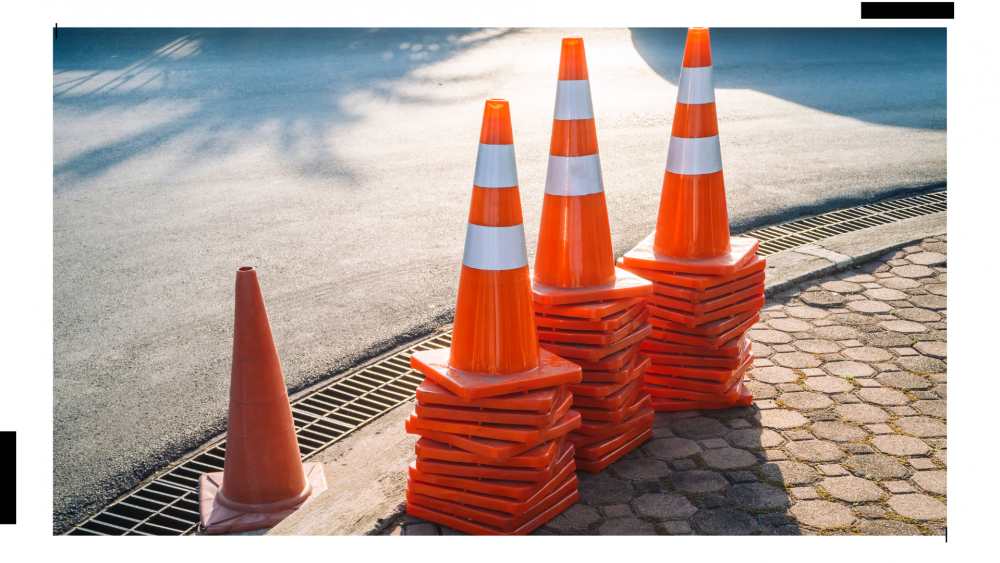
The Physics of Wind Resistance: How Strong Does the Wind Have to Be to Knock Over a Traffic Cone?
A question many might never think of, but a real challenge for engineers is: “How much strong wind must a traffic cone withstand to remain safely upright on the road?” The answer does not come from guessing, but from calculating the balance between the force of the wind attempting to lift or push the cone over and the weight and downward force of the cone's base.
According to the principles of aerodynamics, the rounded and tapered shape of a traffic cone allows airflow to smoothly stream around its body. This generates lower aerodynamic drag (Low Drag) compared to square or flat objects that take the full force of the wind, thereby reducing the chances of the wind easily lifting or blowing the cone over. However, when wind speeds increase to storm levels, the question arises: can traffic cones still hold up?
The Secret Formula for Stability: Base Weight
To enable traffic cones to withstand wind speeds of approximately 60–80 km/h—equivalent to tropical depression winds—engineers design the base of the cone to weigh approximately 2–3 times more than the cone body itself. This keeps the center of gravity low and increases resistance to overturning.
Some models of traffic cones, especially those used on expressways or in wide-open areas, feature bases molded with extra-heavy recycled rubber. This adds both weight and friction against the road surface, helping the cone remain firmly upright even under extreme wind conditions.
When Winds Exceed Normal: The Design Solution
In exceptionally windy locations, such as on bridges over rivers or in high, open spaces, engineers often opt for specialized traffic cones with slots or holes in the body. These allow wind to blow directly through, reducing frontal impact force and minimizing the chance of the cone being lifted or blown into traffic lanes.
All of this is why traffic cones can stand firm even in hostile weather conditions—not just because they are heavy, but because they are engineered to “handle the wind” right from the start.
Flexibility for Survival, Not Just Shatterproof
Another key reason traffic cones are designed to look “soft” and flexible is that they must cope with the unavoidable reality of the road: impact forces from passing vehicles. Instead of choosing rigid materials prone to shattering, engineers choose plastics that can temporarily deform, preventing them from turning into hazardous debris on the roadway.
Memory Plastic: Self-recovering After Impacts
The materials used in high-quality traffic cones are typically special-grade plastics like PVC or EVA, which have “shape memory” properties, often referred to as Memory Plastic. When run over and flattened by a vehicle, the material does not shatter or tear. Instead, it gradually recovers its original cone shape within a few seconds, allowing the cone to remain in service without becoming a sharp object that could pose secondary hazards.
Resisting Thailand's Sun: A Crucial Detail You Can't Overlook
Traffic cones must withstand outdoor temperatures that can exceed 40 degrees Celsius for many years. If the plastic does not contain UV stabilizers, it will cause:
- Fast fading colors
- Brittle plastic
- Easy breakage
Therefore, standard traffic cones must be mixed with UV Stabilizers to extend their lifespan and maintain safety properties at all times.
Reflective Strips: Guiding Lights in the Dark
The final secret that allows traffic cones to perform their function perfectly, especially at night, is the white reflective strips wrapped around the cone. These strips are not ordinary stickers, but a type of material Reflective Sheeting utilizing technology Retroreflective specifically designed to reflect vehicle headlights directly back toward the driver. The result is that regardless of the angle from which a vehicle approaches, headlight beams are reflected straight into the driver's eyes, making the traffic cone stand out instantly in darkness, rain, or limited visibility.
Under optimal conditions, traffic cones with high-quality reflective strips can be seen from a distance of more than 150–200 meters—a distance sufficient to give drivers time to slow down and maneuver safely.
Traffic Cones: An Ordinary Item Designed for Extraordinary Performance
At a casual glance, Floor Safety Cones it may look like just an orange piece of plastic sitting on the roadside. But looking deeper, it proves to be one of the most thoroughly planned and designed safety devices on the road.
From the conical shape that lowers the center of gravity, enhances stability, and provides 360-degree visibility; the square base that prevents rolling and minimizes secondary accidents; wind load and base weight calculations that keep the cone standing even in severe weather; to flexible, resilient, UV-resistant, and heavy-duty materials, along with reflective strips designed to communicate with drivers when visibility drops.
Every element exists for a reason; nothing is accidental. A traffic cone is not just a "warning object," but a clear testament to good design—one that allows itself to look simple while quietly fulfilling its most vital mission: reducing risk and protecting the lives of every road user. The next time you drive past an orange traffic cone, take another look. That small object you never thought about might just be what keeps you arriving safely at your destination.