


 EN
 ไทย



Customers Also Purchased


In an era where security cannot wait, finding a "Locks & Keys" to protect your home or lock up expensive tool cabinets has become an essential mission that homeowners and professional tradespeople cannot overlook. Many people think padlocks look similar and don't function very differently, but in reality, the "internals" or mechanisms hidden inside are worlds apart in terms of durability, security, and price.
Today, our technician team will dissect the 2 popular padlock systems—ball bearing and pin tumbler spring mechanisms—to see how their pros and cons compare, which type discourages thieves the most, and which is the most worthwhile, along with maintenance tips to keep your padlocks working for over 10 years.
Key Components of a Padlock
Before diving into the internal mechanism, let's get to know the padlock's anatomy so you can see where thieves typically strike and how the internal system defends against attacks.
- Shackle: The top metal loop used to latch onto a hasp. This is the "weak spot" that thieves often target with heavy bolt cutters. Therefore, a good shackle must be made from hardened steel or high-grade stainless steel to hold up against attacks.
- Padlock Body: The protective shell enclosing the entire mechanism, available in plated steel, solid brass, and stainless steel.
- Cylinder: This is the "heart" that decides whether this lock uses a ball bearing or spring system. Inside, there are rotating discs or pins that allow only the genuine key to turn.
- Locking Mechanism: The part that blocks the shackle from coming loose, and it is precisely this system that we are comparing today.
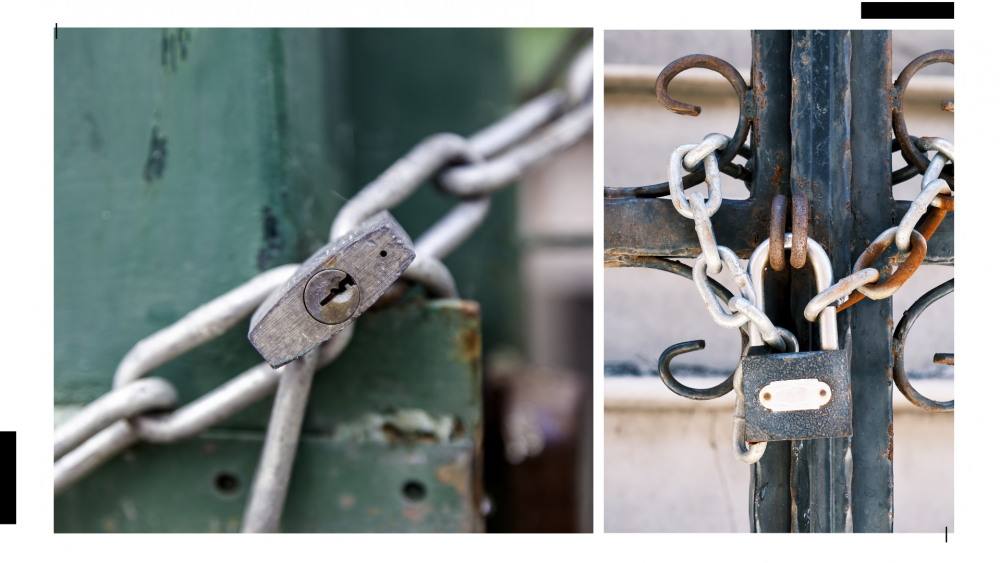
Get to Know the "Spring-Loaded Padlock": Pros and Cons
The spring-loaded padlock is a popular type commonly seen everywhere. Its key strengths are simplicity and affordability.
How does the mechanism work? Imagine that inside the lock, there is a "locking bolt" that is constantly pushed by a spring. When you press the shackle down, it pushes the bolt back slightly, and once the grooves align, the spring snaps the bolt back with a "click!" to engage the shackle immediately, allowing you to "snap it locked directly" without leaving the key in.
Advantages People Love
- Top Convenience: Ideal for those who need to lock and unlock frequently; no need to waste time turning a key, just press and you're done.
- Budget-Friendly: The mechanism is uncomplicated, keeping manufacturing costs low so you can buy several to lock general items across multiple spots.
- Lightweight: Easy to carry without weighing down your bag.
But... What Should You Watch Out For?
- Moderate Security: Because it relies on spring tension, skilled thieves might insert a thin shim to manipulate the spring, or use heavy hammer strikes (bumping) to cause the spring to bounce and release the lock.
- Vulnerable to Rust: Springs and rust are a bad combination. Frequent exposure to rain can cause the spring to freeze up (lose its bounce) or become brittle and break. When that happens, it either won't stay locked or can't be unlocked at all.
Why Ball Bearing Padlocks Are More Secure
If you need a level of confidence "Holds up" For your home or valuables, Ball bearing system is the choice preferred by professionals.
How does the mechanism work? This system scraps the springs entirely and uses 2 "hardened steel ball bearings" flanking the shackle to lock it in place. To lock or unlock, you "must use the key only" to turn the disc that forces the ball bearings in and out—you definitely cannot just press it shut randomly.
Superior Advantages
- Truly discourages thieves: Because there are no springs to bounce back, hammer strikes or lock bumping are practically useless. The ball bearings are wedged extremely tight.
- 100% lockout prevention: Most of these systems are designed with a "Key Retaining" function, meaning the key cannot be removed unless locked. This effectively solves the forgetful habit of pressing the lock shut while the keys are left inside the room.
- Worry-free durability: Hardened steel ball bearings are extremely tough, with no spring fatigue, and they offer far better resistance to water and rust.
- High resistance to tampering: The cylinder core is usually a disc detainer system, which is much more complex than standard pin tumblers. Skeleton keys or lock picks are many times harder to breach it.
Trade-offs to Consider
- Higher price: Reflects the higher quality of materials and mechanism.
- Slightly slower to use: You must carry the key and turn it every time you lock it (cannot just push to snap lock).
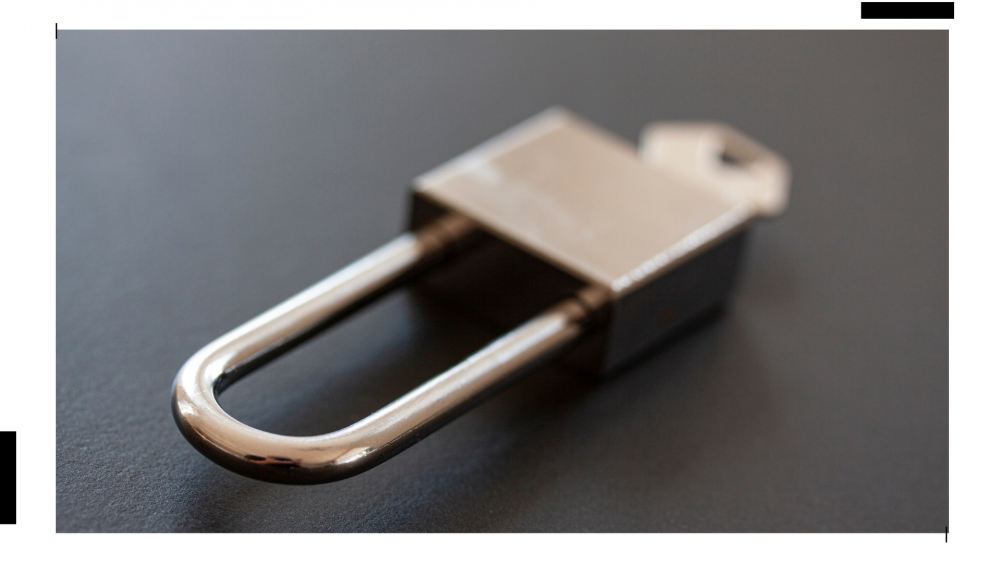
How to choose padlock materials for maximum durability?
Once the internal mechanism is solid, the external "armor" must also be chosen to match the job.
- Chrome-plated steel (Laminated/Solid Steel): Extremely solid and highly resistant to bolt cutters, but if the plating is substandard, rust may occur. Best suited for indoor use.
- Brass (Solid Brass): A true classic. Its main advantage is that it simply never rusts—making it ideal for front gates or coastal homes.
- Stainless steel (Stainless Steel): The ultimate champion of durability. As strong as steel, yet with corrosion resistance superior to brass. Perfect for heavy-duty applications or chemical-exposed plant environments.
- Aluminum (Aluminum): Featherlight yet durable. Frequently used for Safety Lockout applications where distinct color coding is required by department or task (such as TOHO brand products, which emphasize clarity in engineering applications).
The difference between Master Key and Keyed Alike
Have you ever seen someone carrying a keychain weighing a kilogram, sweating just trying to find the right key? Try reorganizing with these 2 systems.
- Keyed Alike System: "One key unlocks all." Purchase 5 padlocks, yet use a single key to open every one of them. Perfect for properties with multiple doors, eliminating bulky pockets filled with individual keys.
- Master Key System: "One key to rule them all." Each padlock has its own individual key, but a single "Master Key" can unlock every lock in the set. Ideal for property managers or supervisors who require master access across all points while staff only access their designated areas.
Selecting the right padlock for your application
Choosing the wrong lock makes all the difference—pick the right one based on the guide below:
1. Locking house doors and front gates:
- Recommended: Ball bearing mechanism padlock (Brass or Stainless Steel body)
- Reason: Fence gates must withstand sun and rain; brass helps prevent rust, while the ball bearing system effectively deters burglars when you're away from home.
2. Locking workshop tool cabinets:
- Recommended: Spring-loaded padlocks (compact size)
- Reason: Focuses on quick and easy access. It's recommended to label them with a DYMO label maker to identify which key fits which cabinet or belongs to whom, avoiding mix-ups.
3. Locking warehouses or jobsites:
- Recommended: Rectangular ball bearing padlocks or shrouded shackle padlocks
- Reason: This type has raised "shoulders" that conceal the shackle, preventing bolt cutters from getting in, providing maximum security for your valuable goods.
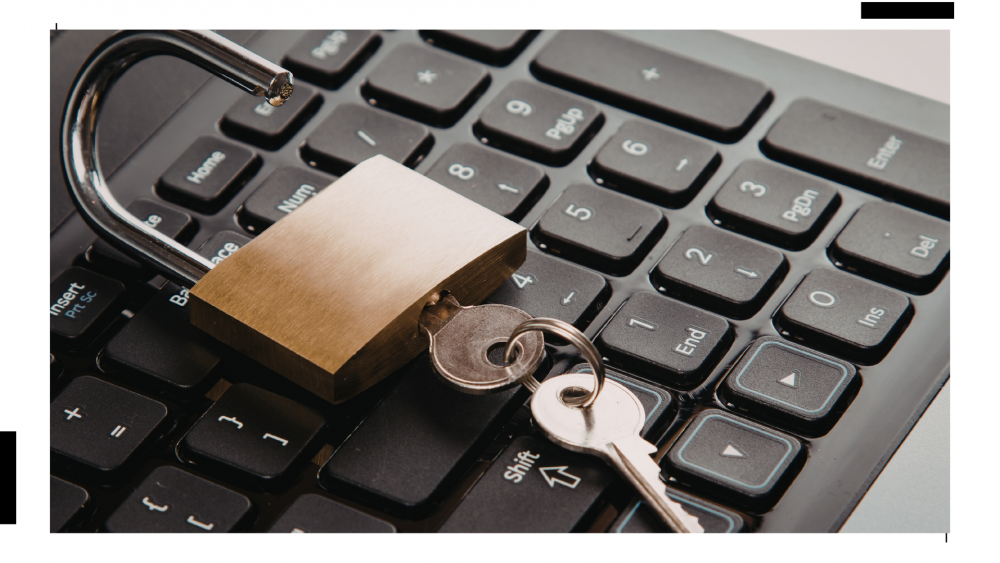
How to maintain padlocks for long-lasting use
No matter how good the quality is, without proper care it will break. Here are Pro Tips from iToolmart technicians:
- Never use engine oil or grease!: This is crucial: when the lock feels stiff, don't rush to apply sticky oils, as they trap dust and turn into "sludge" that clogs the cylinder.
- Use dry lubricant sprays: Formulated with graphite or Teflon, it ensures smooth operation without leaving sticky residue.
- Blow out dust regularly: Especially on dusty construction sites, frequently blow compressed air into the keyhole to clear out accumulated dust and debris.
- Don't force the wrong key: Trying to force the wrong key in is a primary cause of broken cylinders. Clearly labeling keys with coded stickers helps a lot.
Which one is the best value?
Choosing Locks & Keys Between ball bearing and spring systems, it's not just a matter of a few THB difference in price—it's choosing "peace of mind." If you need speed for low-risk tasks, a spring-loaded system is your best companion. But if you want to protect what matters most—whether it's your home, family, or livelihood tools—a ball bearing system is undoubtedly the most worthwhile investment.