


 EN
 ไทย



Customers Also Purchased
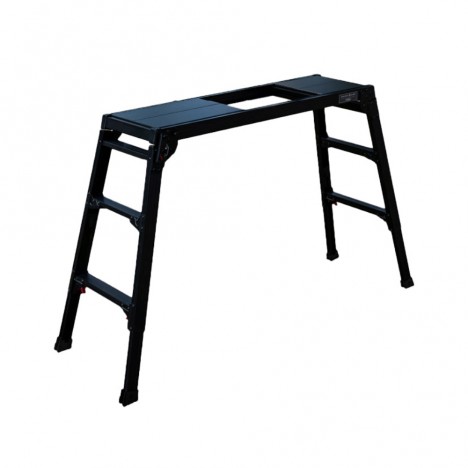
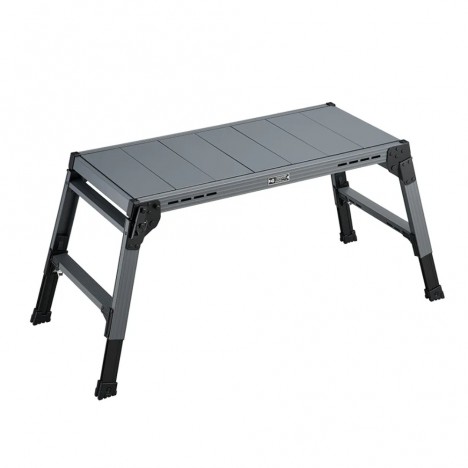

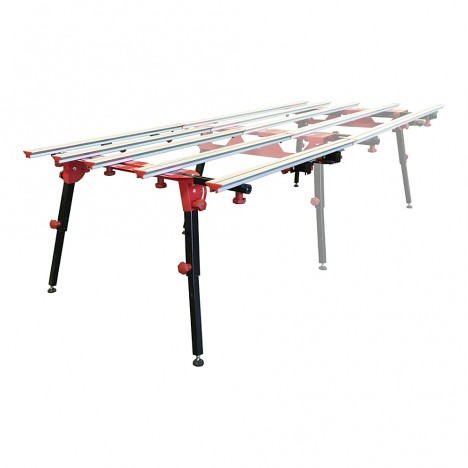

Imagine this with us... You're engrossed in disassembling an important tool, sweat starts beading, your hands are covered in grease, and right at the crucial moment, you have to stop! Just to wander around looking for the 10mm wrench you put down a moment ago, stop to readjust a workpiece sliding away because the table surface is uneven, or constantly bend down to grab things off the floor because there's nowhere to set them nearby. Believe it or not, if you actually timed it, we waste more time on these hassles than on the actual repairs!
Many people often overlook this and blame it on "the job being too tough" or "not having enough tools," when in reality, the arch-nemesis of delays might start from something seemingly ordinary: a workbench. To the average person, a workbench might just be a piece of furniture meant simply to keep things out of the way. But for professional technicians, in this article I’d like to have a casual chat about whether a good workbench really makes you work faster and better, or if it's just all in your head.
What exactly is a workbench? Why is it overlooked?
In the eyes of the general public, Workbenches it might just be an oil-stained piece of furniture meant to take heavy abuse, hold cluttered tools, or rest workpieces waiting for repair. But for those of us on the front lines, a workbench is the "heart of the workstation."
Because whether it's precision measuring, steady cutting, assembling that requires a perfectly flat plane, or even welding, every single process begins and ends on this rectangular surface. What's unfortunate is that... workbenches are often relegated to the bottom of the procurement list. Many garages or factories choose to "save budget" by using an old wooden table with a warped top, a thin steel-legged office desk that shakes all over at the slightest torque of a bolt, or a DIY table with non-standard ergonomics. Little do they know that the shortcomings of such fundamental equipment are quietly eating away at your "work quality." We once had the chance to chat with an experienced machinery repair technician, and he shared a thought-provoking thought:
"Back then, I thought working on the floor or on a plywood table got the job done just the same... But once I finally bit the bullet and bought a proper workbench, I realized: 'I should have switched ages ago.' Because what we lost all those years was 'time' and 'physical energy' spent constantly steadying workpieces, watching out for tipping tables, or constantly bending over till our backs ached unnecessarily."
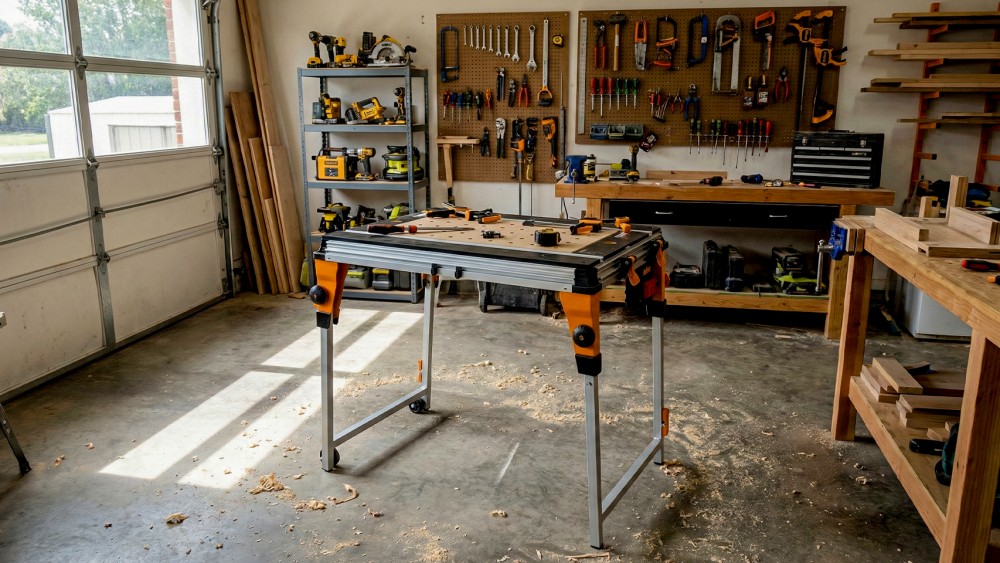
Working speed starts from where your hands rest
Many believe work speed depends almost entirely on skill or expertise, which is partly true. But what is often overlooked is the very "environment" your hands are working in. If the table is unstable, wobbly, or too low, every movement must be compensated with extra effort and concentration without you even realizing it.
Think about fastening bolts, drilling, or sanding: if the table is rock-solid and the workpiece doesn't budge, your hands can move continuously without stopping to readjust your grip or recheck positions. The work seems faster, not necessarily because you're moving faster, but because "you don't have to stop as often."
From our experience across many workshops, a sufficiently sturdy workbench genuinely reduces the time spent on each piece. Even if it saves just a few minutes per item, over repetitive tasks throughout the day, the saved time compounds noticeably.
Workbenches and Work Quality: The Difference in Stability
Beyond working speed, what follows is measurable work quality... A good workbench isn't just a place to set things; it acts like a foundation that absorbs vibrations and holds the workpiece completely steady. This stability directly impacts precision down to the millimeter.
- Measuring and marking: If the tabletop isn't flat or sags even slightly, the lines you scribe might deviate from the blueprint without you noticing.
- Drilling and cutting: Vibrations from an unsteady workbench can cause drill bits to wander or saw blades to catch and gouge, resulting in oval holes or rough cuts far from what you intended.
- Assembly: This is where many projects fail... Many technicians have faced situations where they followed every step correctly, yet the assembly was out of square or had misaligned angles. After checking the tools (which were fine) and trusting their craftsmanship, they ultimately got tripped up by the table surface flexing under the torque applied when tightening bolts.
An industry-standard workbench eliminates these uncontrollable variables. When you eliminate table wobble and uneven surfaces, you can trust your workspace 100%. The result is that you don't have to strain your wrists to compensate for vibrations, the output maintains consistent standards, defect rates drop, and most importantly, you gain the confidence knowing that every time you get to work, the result will turn out exactly as planned in your head.
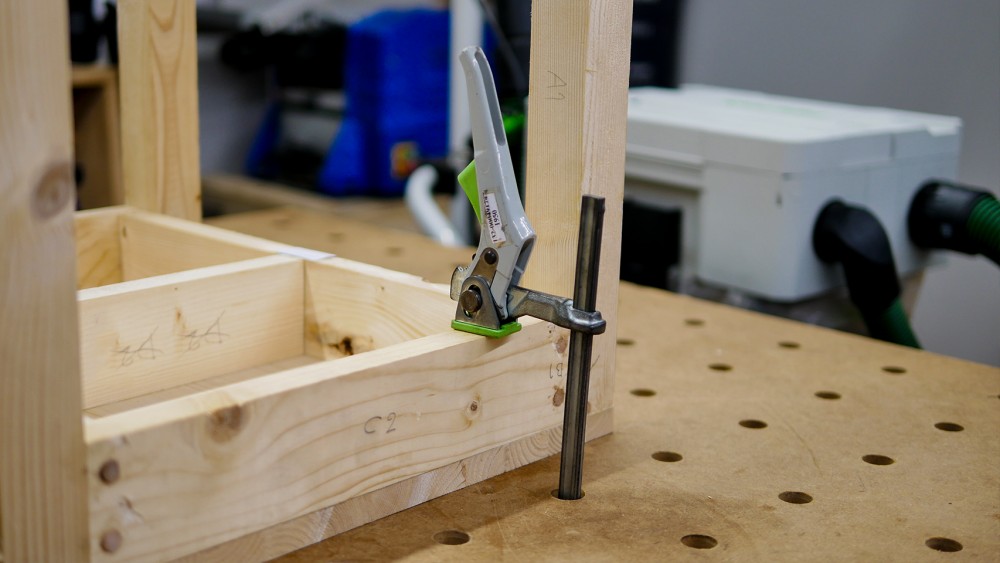
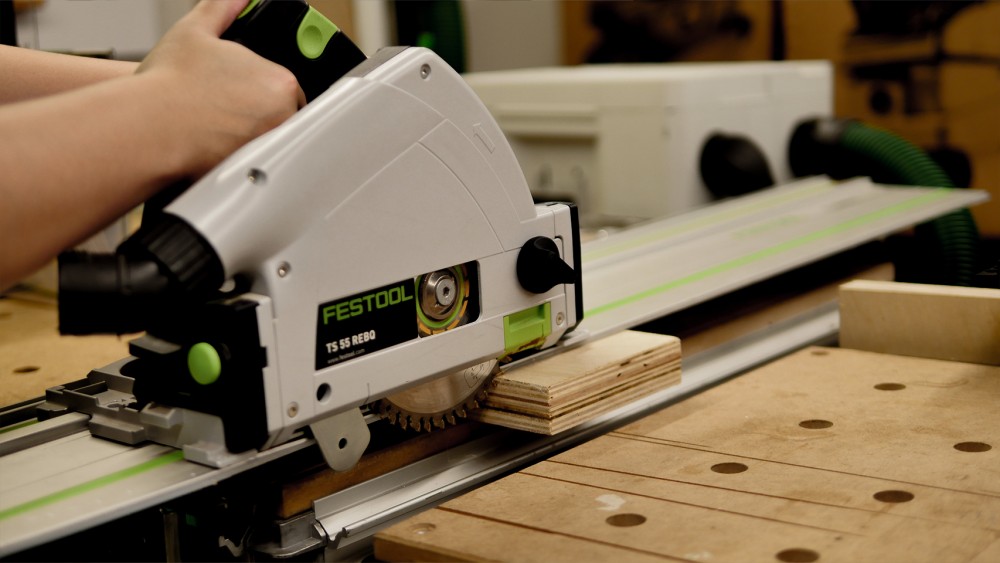
What Makes a Good Workbench?
If you ask, "What does a good workbench look like?" there could be hundreds of answers depending on the type of work. But if we decode it from industrial factory experience, there are really 3 indispensable fundamental factors. If a workbench fails these 3 points, no matter how luxurious the extra features are, it's considered a "failure" in practical use.
Strength and Stability
This is the first non-negotiable rule. A workbench must not just hold items; it must truly withstand loads and forces.
- Static Load: Capable of bearing heavy machinery or heavy workpieces without the structure sagging.
- Dynamic Load: Capable of absorbing impacts and vibrations from hammering, planing, or operating power tools "without wobbling." Always remember: if the table isn't stable, precision is impossible, and user safety disappears immediately.
Ergonomics and Proper Height
This affects long-term health in ways many people don't expect...
- If the workbench is too low, you have to hunch over constantly, leading to chronic back pain and herniated discs.
- If the workbench is too high, your shoulders unconsciously tense up and elevate, causing shoulder and neck fatigue. A good workbench must have a height that matches your ergonomics, or opt for an adjustable-height table so your line of sight and arm position remain in a natural posture. This reduces fatigue and allows you to work longer without dropping efficiency.
Efficient Workspace
The width of a workbench isn't just to make it look grand; it is meant for efficient management. A good workbench should have enough space to place the main workpiece and surrounding space for frequently used tools within arm's reach. An uncluttered workspace allows you to clearly separate good spare parts from defective ones, reducing confusion and keeping the work flowing smoothly from start to finish.
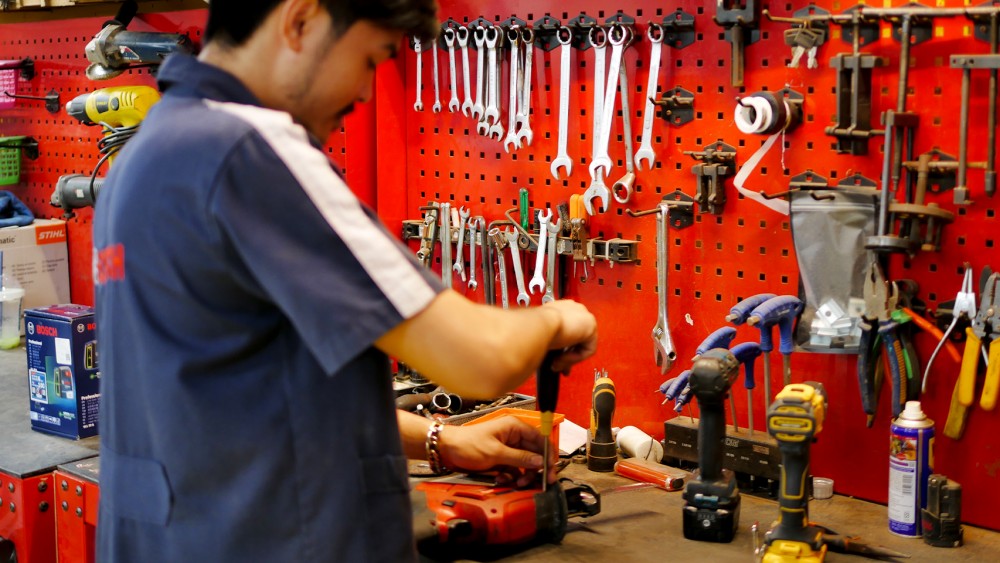
How Does a Bad Workbench Slow Down Your Work?
An unsuitable workbench often creates recurring minor issues throughout the day, such as constantly having to readjust workpieces because the workbench is unstable, having to pause to recheck alignments repeatedly because the workpiece shifted from its position, or sometimes tools falling off the workbench due to a cramped working area where items unknowingly stack up. These issues may not seem severe right away, but every time they happen, they inevitably disrupt your workflow rhythm.
At first, many people might think it's trivial—just losing a few seconds. But when you add up all these small interruptions throughout the day, the lost time is much more than you'd think. More importantly, it unconsciously builds up frustration. The more urgent the task and the faster you rush, the more glaring the problems of a poor workbench become. Ultimately, it doesn't just slow down the work; it makes the worker more exhausted and stressed than they should be.
Conclusion
In the end, a workbench might not be an equipment that completes the work for you, but it is the tool that "clears the path" for you to work to your full potential. If you do technical or mechanical work regularly, a good workbench is not a luxury, but an investment in time, work quality, and long-term health.
If one day you feel that work is slow, tiring, or prone to frequent mistakes, try looking back at Workbenches the workbench you are using. It might just be the starting point of an answer you've overlooked for so long.